


Electric cars are spreading through the mainstream market, but the combustion engine may have found one of its safest refuges at the opposite end of the price scale.
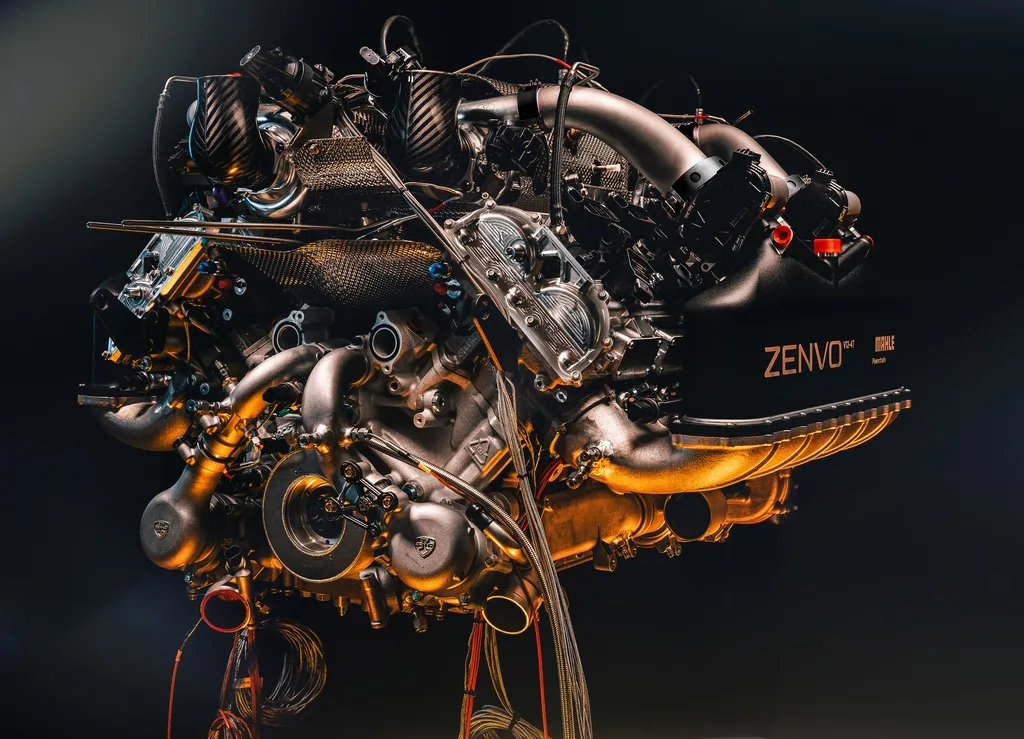
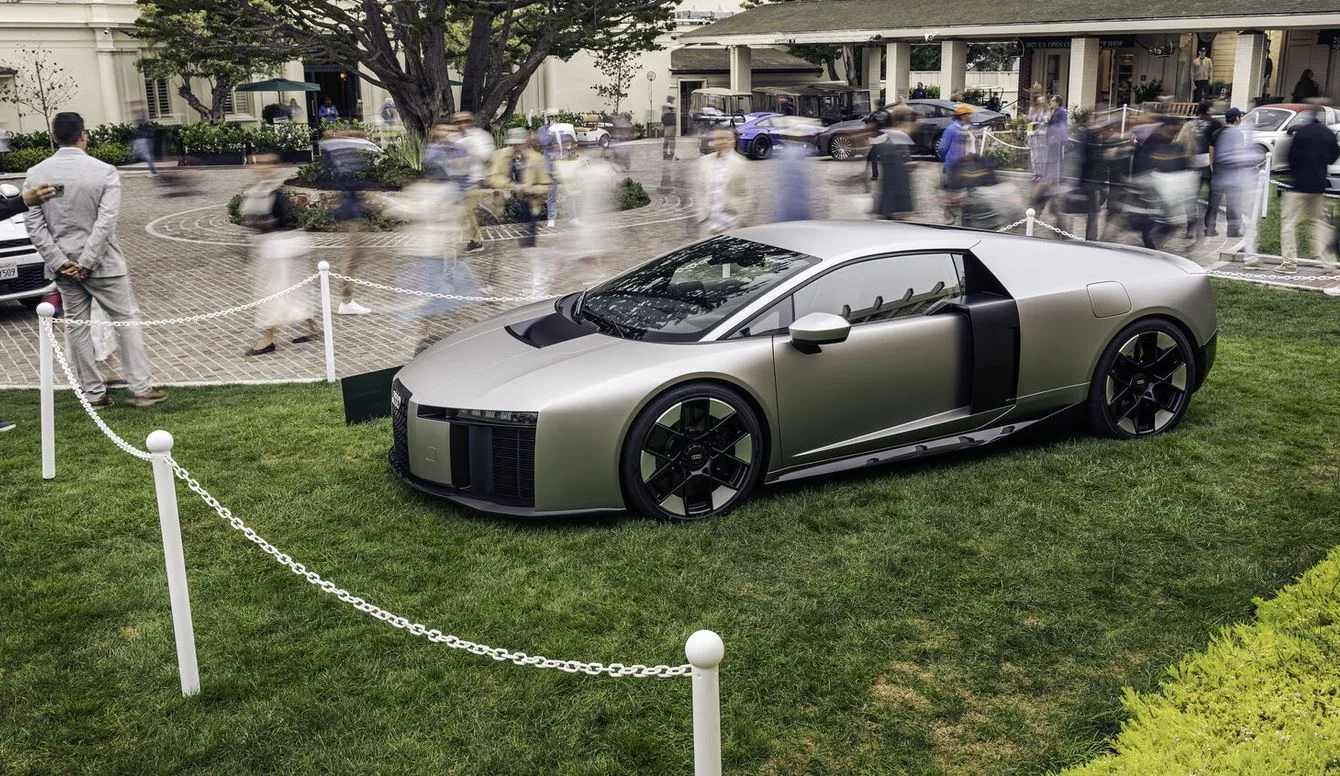
Audi CEO Gernot Döllner told Bloomberg that enthusiasm for combustion power remains stronger among buyers as prices and vehicle positioning move upwards. Audi’s new Nuvolari gives that observation some hardware to support it: the limited-run supercar combines a 4.0-litre twin-turbo V8 with three electric motors rather than abandoning combustion altogether. Output is 1,001PS and production is capped at 499 cars.
That does not mean wealthy buyers are rejecting electrification. Electric motors are already integral to many of the world’s most expensive performance cars. The difference is that electricity can be used to complement the engine rather than replace it.
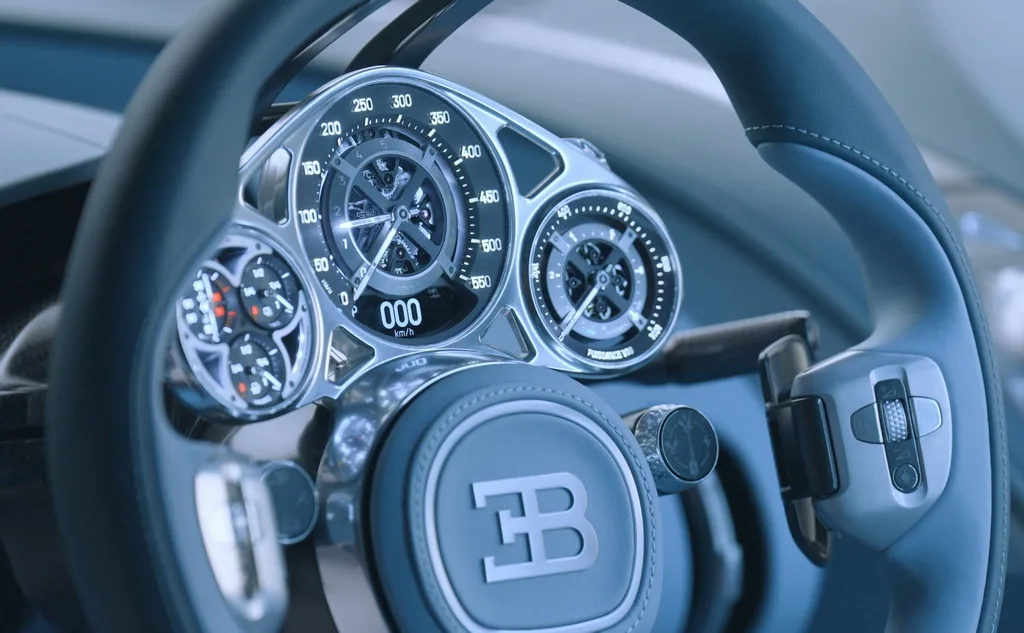
Bugatti’s Tourbillon is a case in point. Its 8.3-litre naturally aspirated V16 is paired with three electric motors for a combined 1,800hp.
Bugatti Rimac CEO Mate Rimac has explained that the hybrid system helps the V16 deliver power where the engine alone cannot respond as quickly, allowing Bugatti to retain the sound and character of a large naturally aspirated engine without relying on it for everything.
The observation is notable because Rimac also created the electric Nevera. He expects everyday cars to move increasingly towards electric power while high-end sports cars retain combustion for much longer.
His comparison is with mechanical watches. Electronic alternatives can perform the basic task more efficiently, but that has not removed demand for expensive mechanical timepieces. Buyers are paying for the object, its engineering and the experience of using it.
Bentley is also keeping its options open. Its strategy update in November 2025 removed 2035 as a firm cutoff for combustion. Plug-in hybrids are now expected to remain available until at least then, while customer demand will help determine how quickly Bentley moves beyond them.
Soon afterwards came the Supersports, a 500-car special using a 666PS non-hybrid twin-turbo V8. Bentley said in January that every allocation had been reserved.
Ferrari has made powertrain choice part of its longer-term strategy. By 2030, it expects roughly 40% of its model line-up to use combustion engines, another 40% to be hybrid and 20% electric. Ferrari describes this as “technology neutrality”, allowing it to develop all three forms of propulsion rather than selecting a single successor to ICE.
Lamborghini has moved in the same direction for now. The Lanzador had been intended to take the marque into full battery-electric production, but its first generation will instead be a plug-in hybrid. CEO Stephan Winkelmann said in February that demand for a battery-electric Lamborghini was insufficient to justify going ahead, although the company has not ruled out EVs later.
Porsche deliveries add another piece of evidence. The 911 set a record with 51,583 deliveries in 2025, despite its range remaining centred on combustion and T-Hybrid power. In the first half of 2026, 911 deliveries climbed another 19%. Porsche is simultaneously expanding its battery-electric range, making the figures evidence of parallel demand rather than a wholesale move away from EVs.
Rolls-Royce shows why price alone cannot explain what is happening. Its battery-electric Spectre was the marque’s second best-selling model worldwide in 2025.
The company’s customer data also paints an unusual ownership picture. A typical Spectre buyer already owns another Rolls-Royce and has seven cars in the garage on average. Almost all charging takes place at home, while annual use averages about 6,500km.
That makes the distinction less about wealth than about what buyers expect a particular car to provide. Silence and smoothness are fundamental Rolls-Royce qualities, making electric drive a natural fit. A Ferrari, Bugatti or limited-production Bentley can sell a different experience in which engine sound, gear changes and mechanical complexity remain part of the appeal.
Electric cars have also made straight-line performance much easier to obtain. Acceleration once confined to exotic machinery is available much further down the market. At the very top, manufacturers therefore have more reason to distinguish their cars through engineering, character and driver involvement rather than headline acceleration figures.
Customer preference will not decide the engine’s future on its own. Emissions and noise rules, as well as other regulatory changes, will determine how long manufacturers can continue offering such powertrains.
The result may be a smaller but more specialised role for combustion. Engines could disappear from many ordinary cars while surviving in expensive machines where their complexity becomes part of what the customer is buying.
In that scenario, electrification would not have killed the combustion engine. It would have helped turn it into a luxury feature.