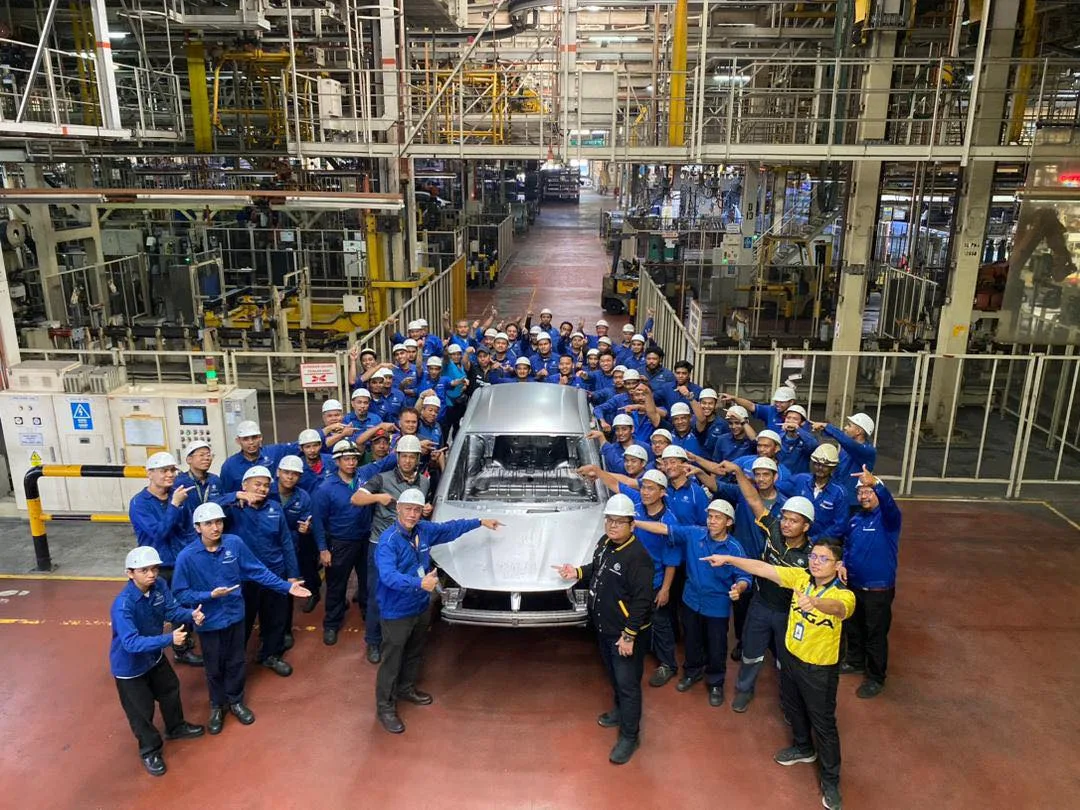




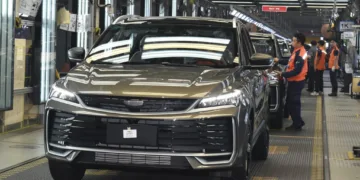



Proton’s calling time on its Shah Alam factory. The last Saga built at the historic plant has left the line, closing a chapter that goes back to 1985 and the birth of Malaysia’s car industry as we know it.
Everything’s now moving to Tanjung Malim, not just assembly, but the whole operation.
It’s a big bet on the Automotive High-Tech Valley site, where Proton’s dropped RM253 million on new stamping kit and another RM82 million to get an EV line ready for the e.MAS rollout.
They’re starting with 20,000 units a year, eventually pushing that to 45,000 once they’re up and running properly.
Logistics could be the swing factor.
Proton’s looking hard at rail, potentially tying into the East Coast Rail Link with a spur straight into the plant.
It makes sense when you’re a company trying to shift thousands of cars and container-loads of parts without clogging up the highways.
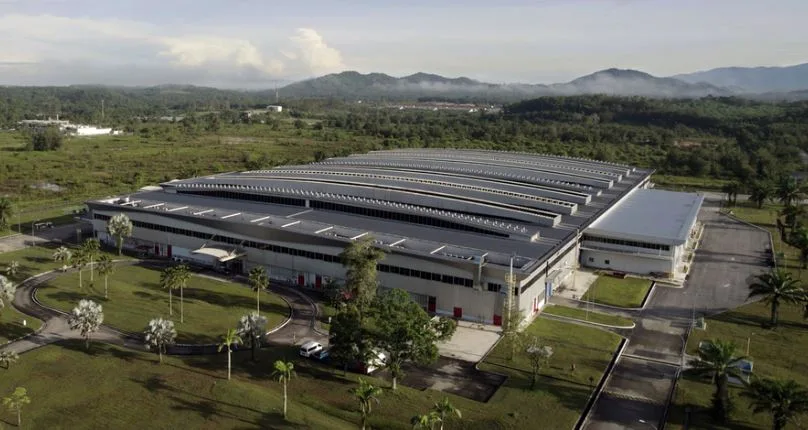
The Perak location also puts them closer to the supplier base that’s been building up there, which should help with local content targets and strengthening the supply chain.
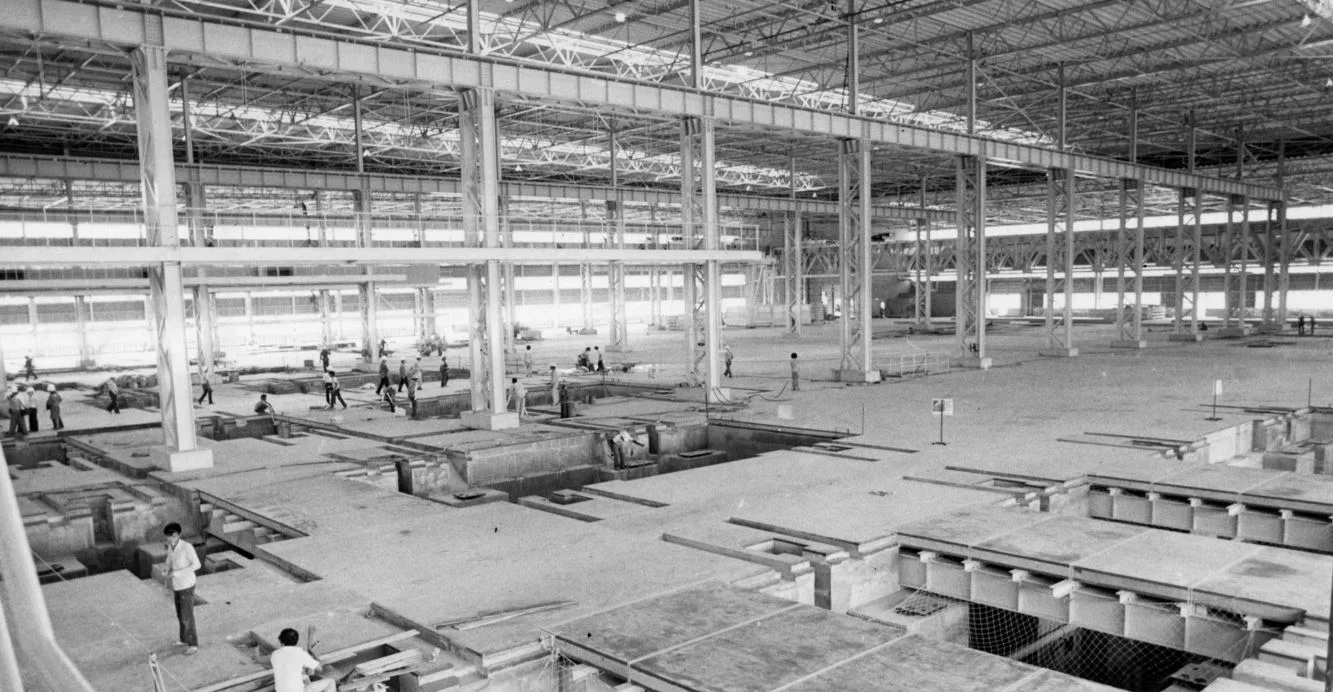
Shah Alam’s been pumping out Protons since the mid-eighties, so it’s not just another factory closure.
The Saga that launched the brand in ’85 became the car for a generation of Malaysians, and now the last one’s been built there.
Proton timed Shah Alam’s shutdown with the handover from the current Saga (MC2) to the MC3, which will start production in Tanjung Malim and is slated to launch in Q4 2025.
The new Saga is expected to sport a new 1.5-litre 4-cylinder mill, auto/CVT options, a dual-screen dash, ADAS and refreshed styling, marking the brand’s next phase at its consolidated hub.
On the infrastructure side, Proton is not messing about.

It had announced in July last year that its new E-Line stamping setup uses a 1,600-tonne press backed by three 800-tonne units in a four-stage process.
The F-Line goes even bigger — 2,000-tonne and 1,200-tonne main presses, plus three more at 1,000 tonnes each, working through five stages.
Add in more robots and the usual Industry 4.0 buzzwords (real-time monitoring, machine learning, all that), and the pitch is tighter quality with higher Malaysian content.
Engine strategy’s also getting simpler: four-cylinder units across the ICE range for better refinement and efficiency.
On the EV side, the e.MAS 7 will be first off the line, followed by the 5.
Proton’s consolidation is a way to hit scale, align with government transport policy, and make the most of the rail infrastructure that’s finally being built.
Whether it all works depends on execution — and whether Malaysian buyers keep showing up for what Tanjung Malim builds next.