



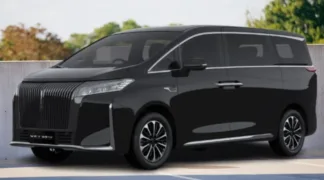




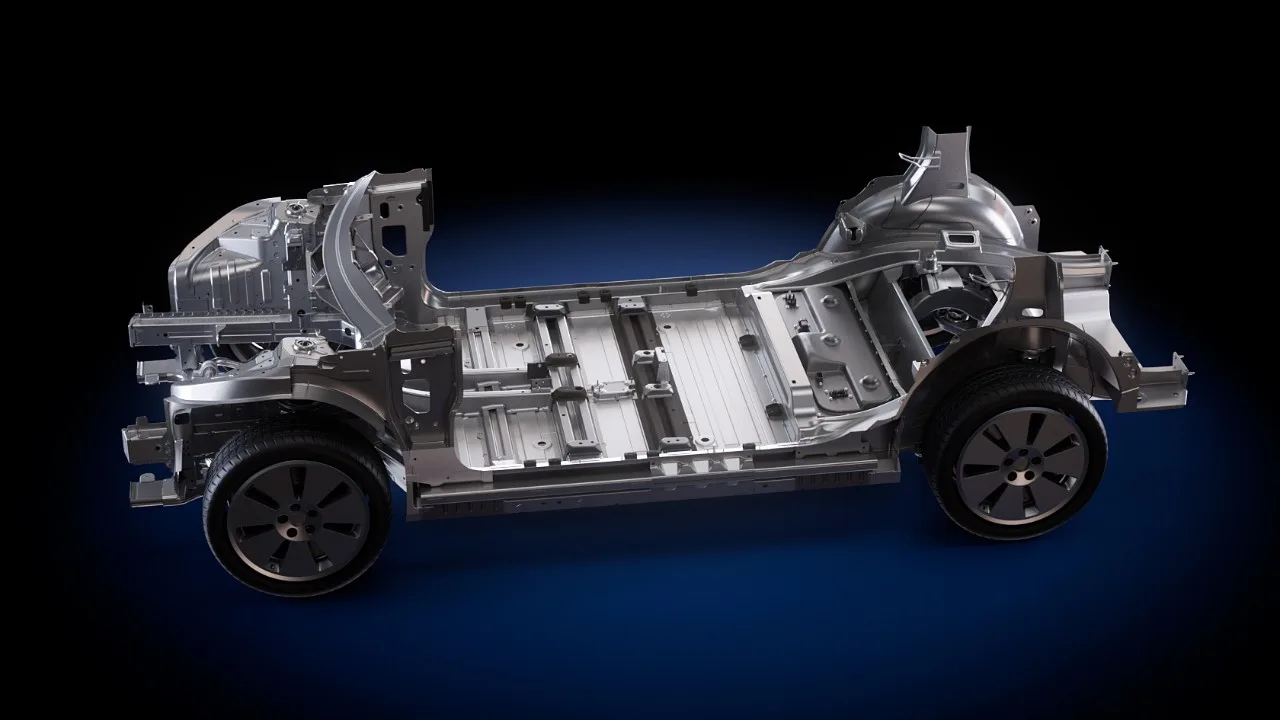
General Motors (GM) is developing a fourth-generation electric vehicle platform that it says will deliver around 20% more driving range for every kilowatt-hour of battery energy.
The improvement will come from a combination of new battery chemistry, more efficient electric motors and better aerodynamics, rather than simply fitting larger battery packs.
Central to the platform is a new lithium manganese-rich (LMR) battery using prismatic cells, with GM targeting 33% higher energy density than lithium iron phosphate (LFP) batteries at a comparable cost.
The cells will be produced by Ultium Cells, GM’s joint venture with LG Energy Solution, at its Spring Hill facility in Tennessee.
GM plans to introduce the technology in its higher-volume EV segments, where battery cost remains a major factor in vehicle pricing.
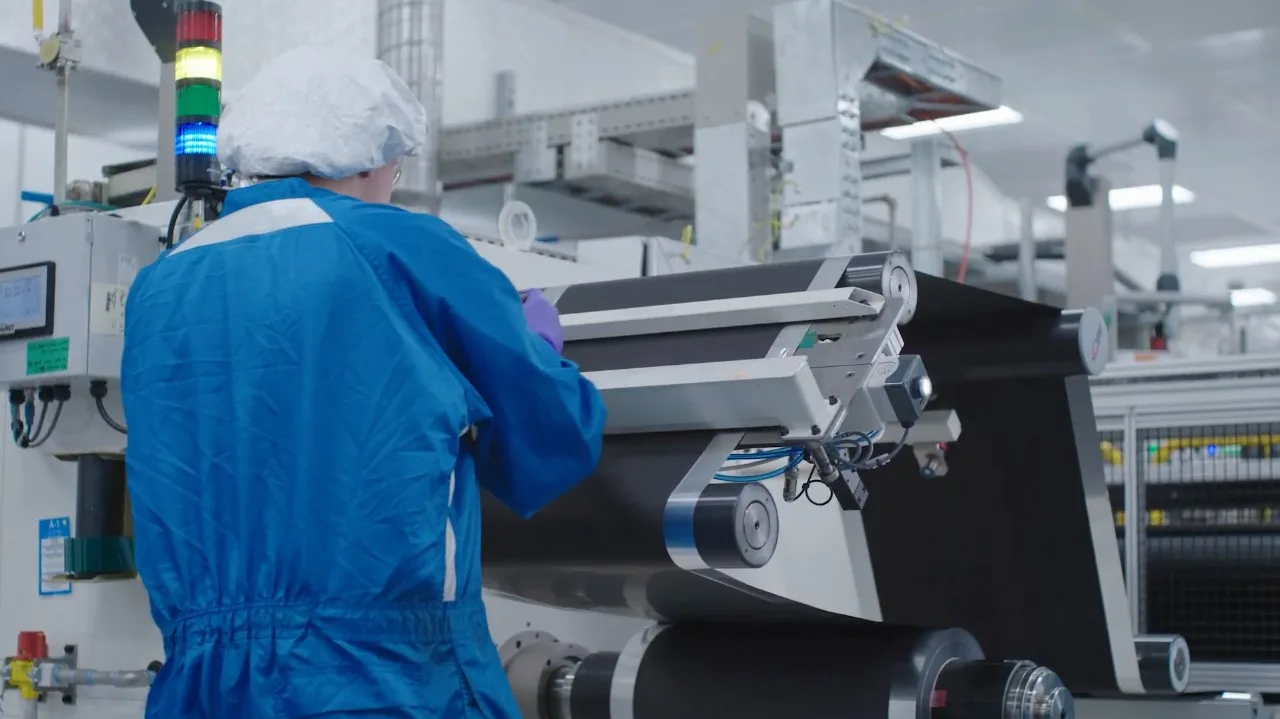
Development of the LMR battery involved computer simulations of more than 300,000 cell designs before engineers built the first physical prototype.
The company also claims its next-generation electric drive units contain 40% fewer parts, reducing weight, packaging requirements and manufacturing complexity.
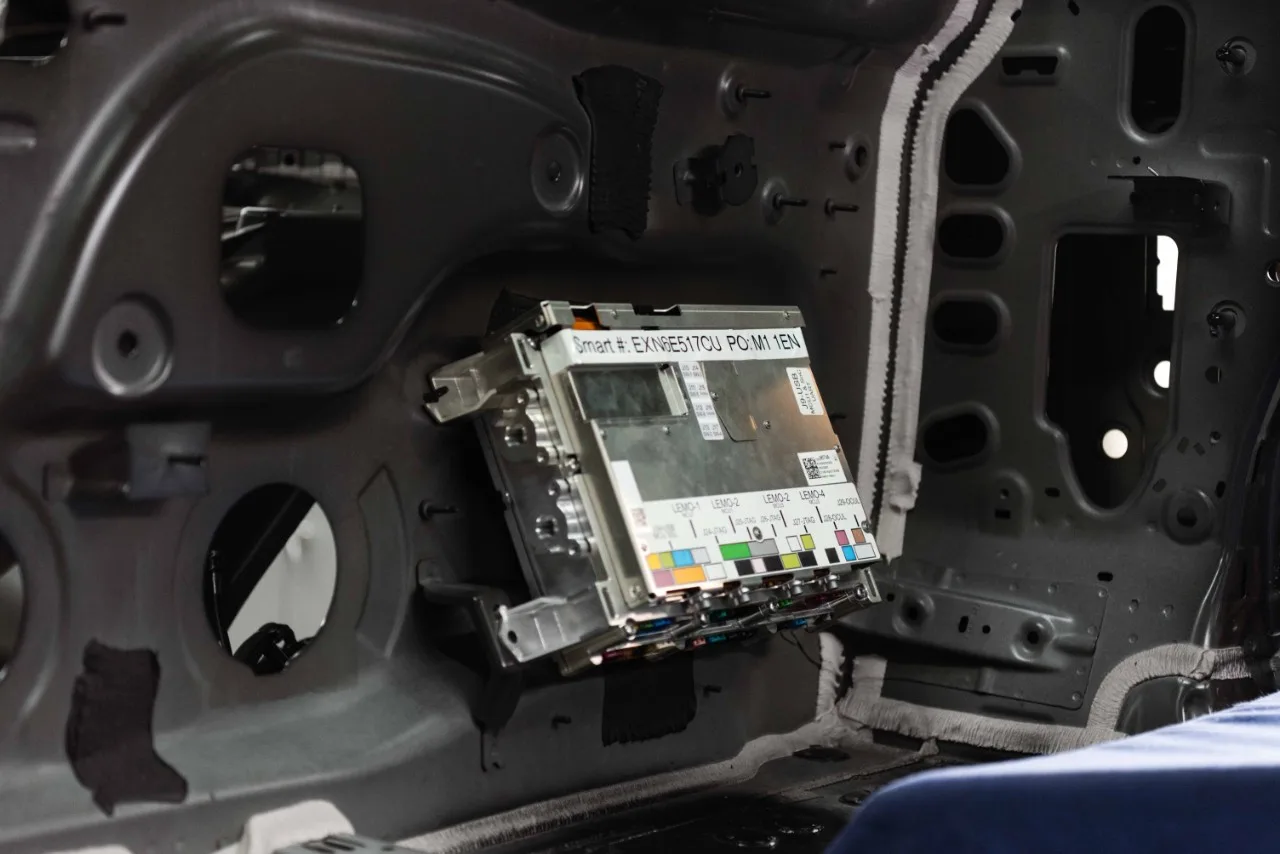
A redesigned electrical architecture will cut wiring by 30% while providing 40 times more processing power for software and AI-related functions.
This will support improvements to GM’s Super Cruise driver assistance system, connected services and over-the-air software updates.
GM is also changing how vehicles are developed, bringing design, engineering and manufacturing teams together earlier in the process.
It expects the approach to halve the conventional five-year development cycle.
On the production side, GM’s digital manufacturing systems have already helped reduce battery-pack assembly time by 30%.
The fourth-generation platform is intended for mainstream electric vehicles, combining longer range with lower manufacturing costs.