







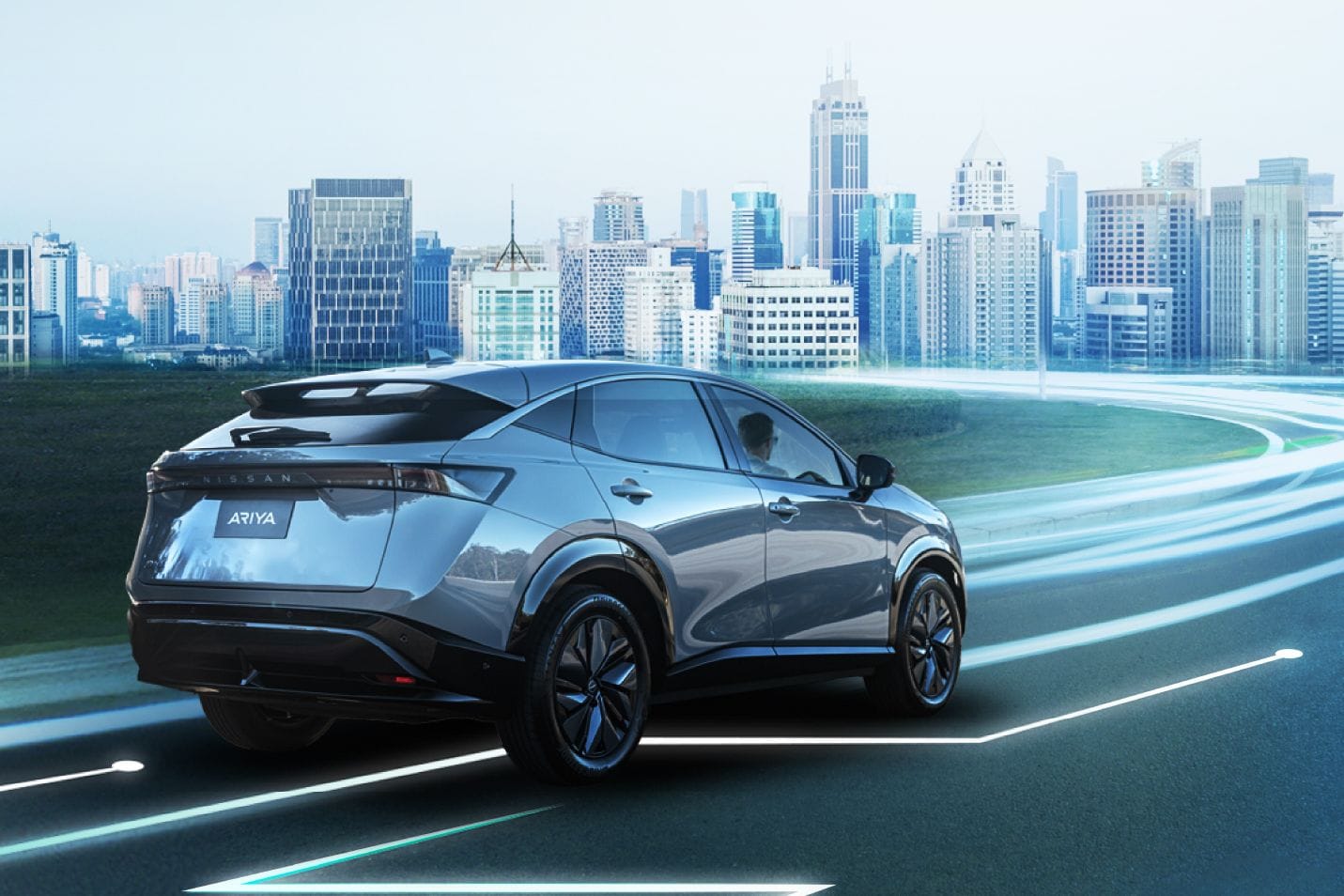
Nissan recently commissioned research by Economist Impact surveying 3,750 urban residents aged 18–30 in 15 global cities to gauge future mobility preferences.
The survey revealed a marked shift towards electric vehicles (EVs), with younger generations ready to transform their travel habits to reduce carbon emissions.
More than half (57%) are willing to adjust their mobility choices for environmental benefits, with those in emerging cities feeling the urgency more keenly.
The study found that EVs are the preferred mobility option, with ownership expected to rise from 23% currently to over 35% within the next decade.
Respondents in emerging cities are particularly optimistic, with 44% expecting to drive an EV in the next five years, compared to 31% in developed cities.
Pollution and congestion in cities such as Shanghai, São Paulo and Mexico City have accelerated interest in sustainable transport, although battery infrastructure and costs remain significant concerns.
While emerging city respondents are primarily focused on battery reliability, those in developed cities cite the higher prices of EVs compared to traditional combustion-engine vehicles.
Furthermore, over 40% of those surveyed expressed strong interest in new EV technologies that go beyond transport.
Many recognised the potential of EVs to store and supply renewable energy, turning them into multifunctional energy assets capable of powering external devices and sharing electricity during emergencies.
Ritu Bhandari of Economist Impact said sustainable mobility must balance environmental goals with commuter needs like affordability and convenience.
Nissan’s corporate vice president, Lavanya Wadgaonkar, said the company is invested in electrification by pouring money into data-driven innovation and smart charging solutions.
Economist Impact, started in 2021, is part of the London-based Economist Group. The Economist, Economist Intelligence and Economist Education are part of the group. Economist Impact provides business intelligence to companies, governments and non-profit bodies.