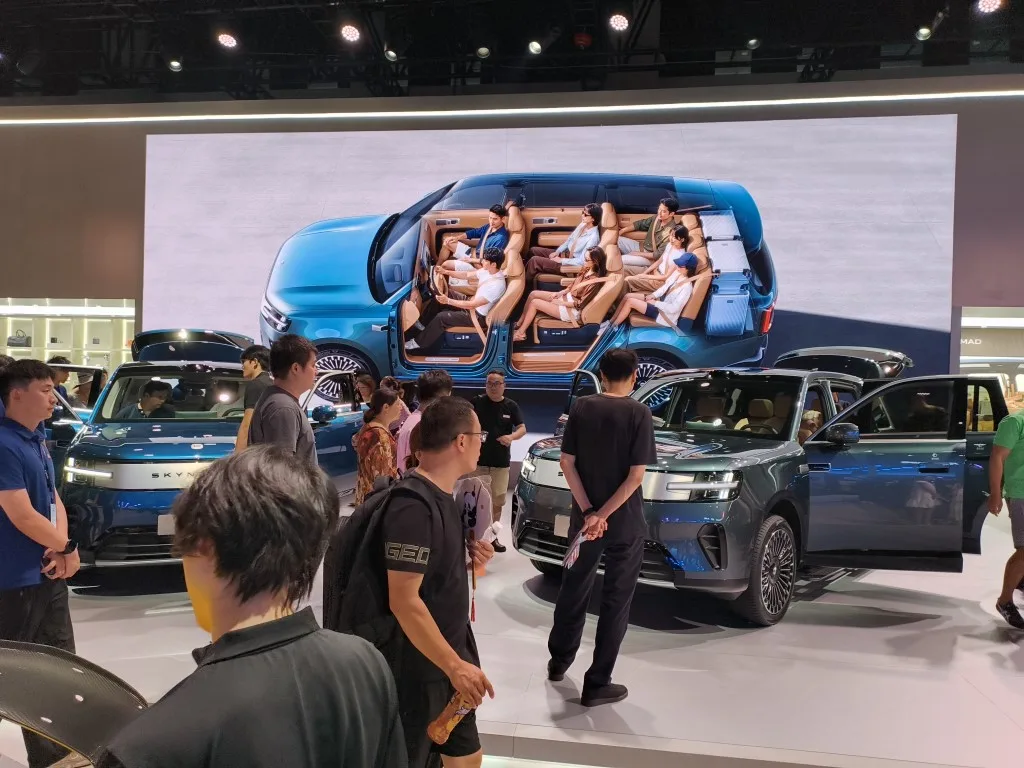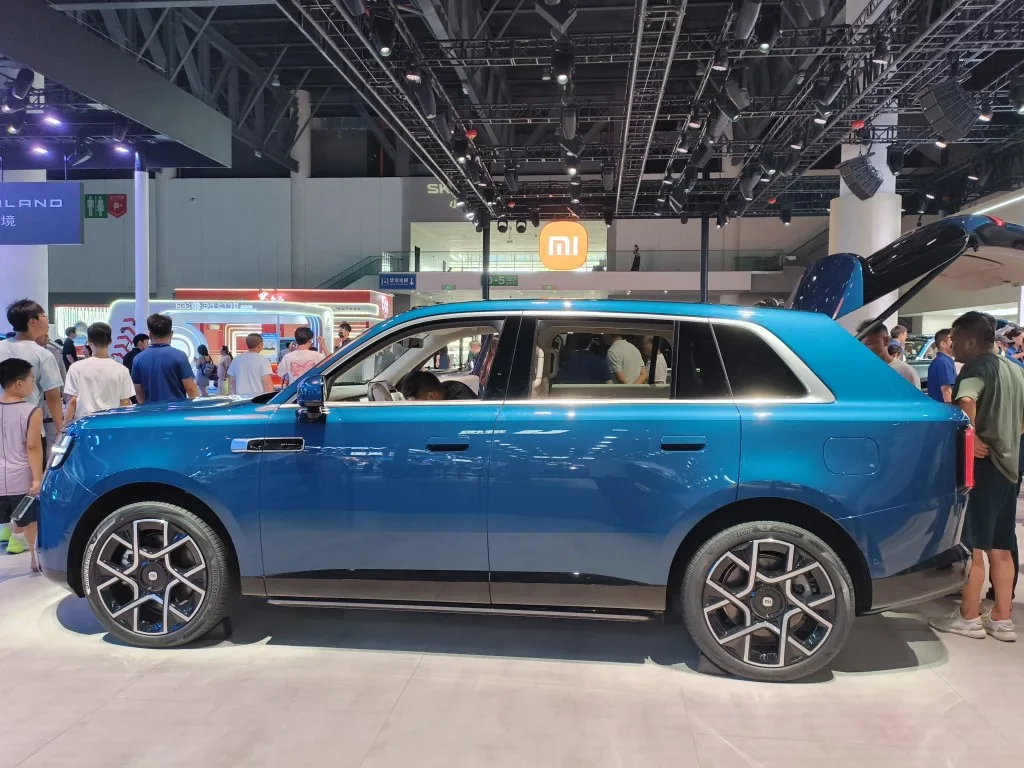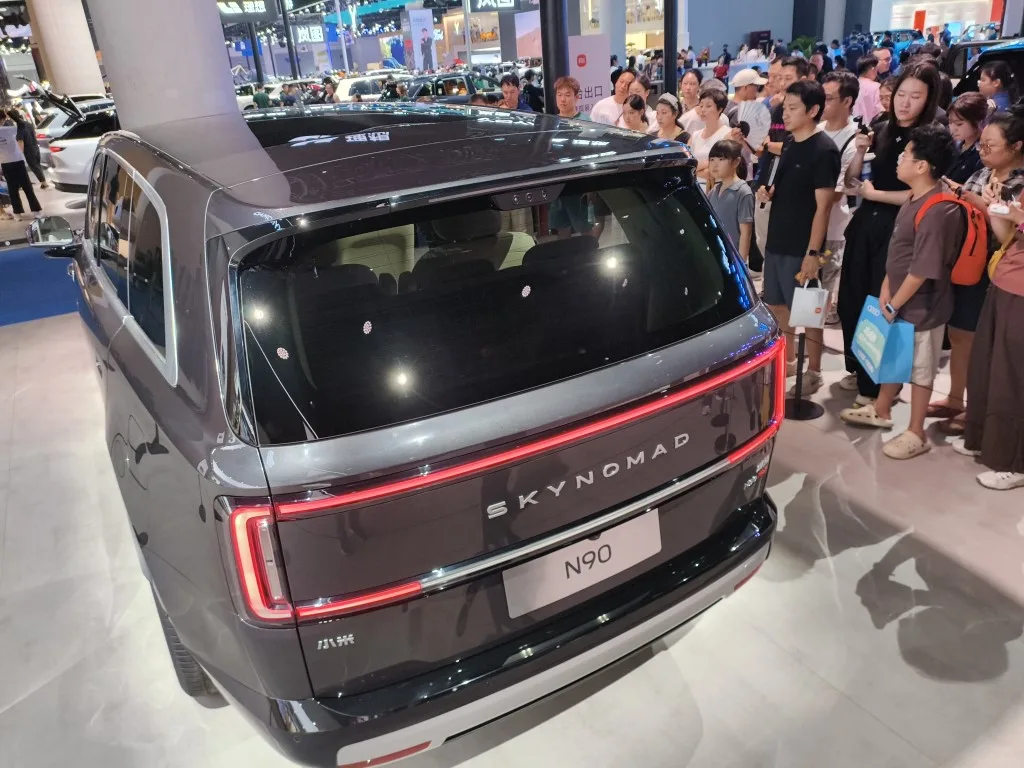
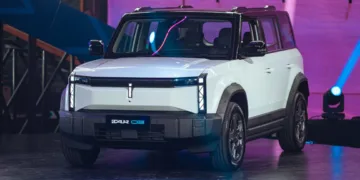




Xiaomi Auto design chief Tianyuan “Sawyer” Li says the Skynomad N70 and N90 were shaped around a more restrained approach to technology, rather than following the increasingly common EV formula of full-width light bars and overtly digital styling.
Speaking to CarNewsChina, Li discussed the thinking behind the two crossovers, the N90’s aerodynamic development and their rotating front seats.
He has worked on Xiaomi’s SU7, YU7 and Skynomad programmes.
Li said Xiaomi’s approach developed partly from an internal workshop held during development of the SU7.
Designers from Xiaomi’s consumer-electronics businesses viewed sophisticated mechanical engineering as high technology, while the automotive designers tended to associate it with screens, head-up displays, lighting and digital interfaces.
That contrast helped shape Xiaomi Auto’s thinking: a car did not necessarily have to advertise its technology visually. Instead, the company wanted the underlying systems to remain unobtrusive until required.
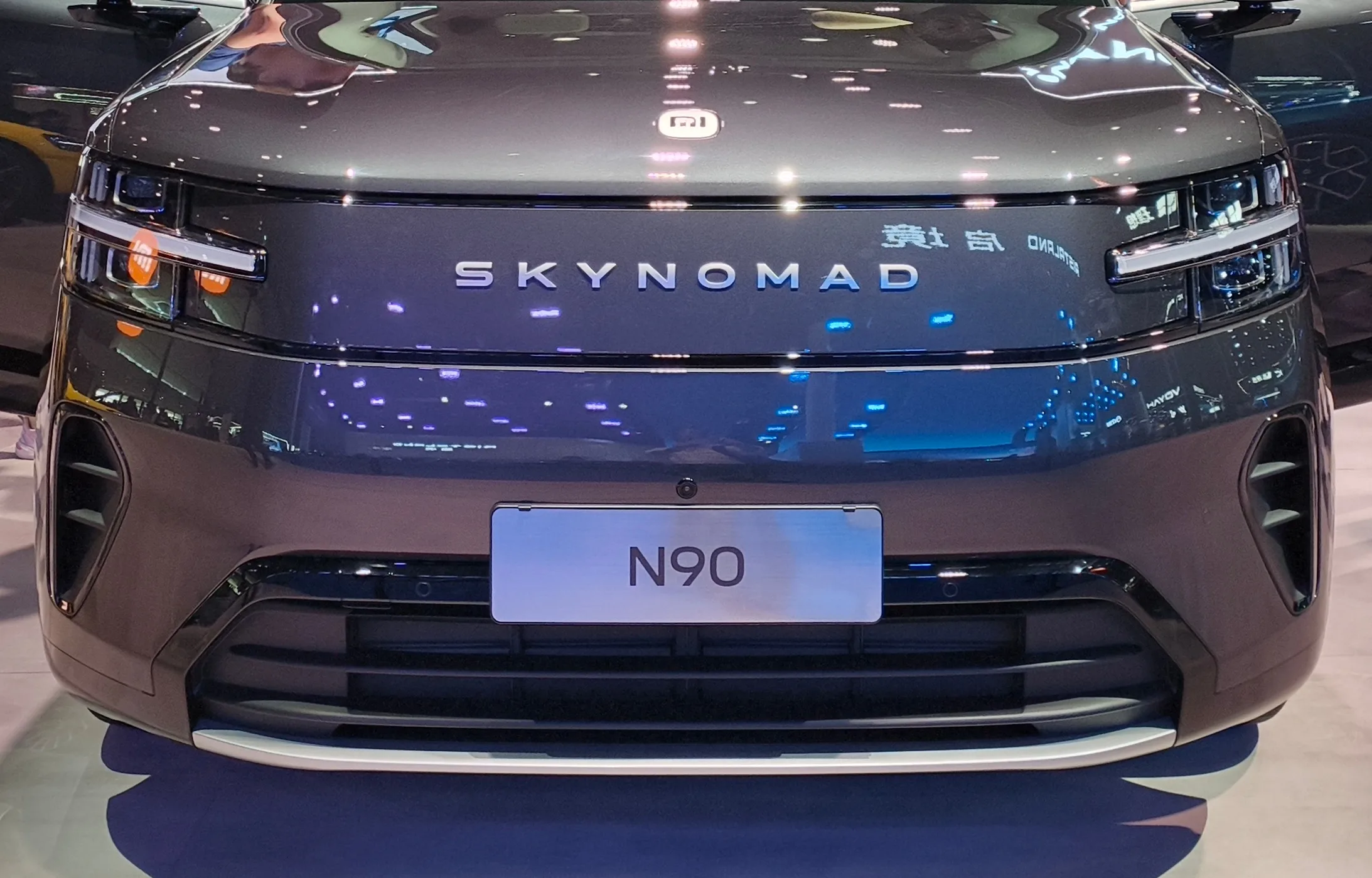
For Skynomad, that translated into separate, eye-like headlamps rather than the full-width lighting signature increasingly seen on electric vehicles.
Li told CarNewsChina the aim was to make the vehicles appear approachable while giving their styling greater longevity.
The digital side remains central. Xiaomi’s HyperOS and XiaoAi artificial-intelligence functions handle vehicle controls, navigation and voice interaction, but Li argued that these capabilities need not dictate the exterior design.
Aerodynamics without an EV silhouette
That restrained appearance did not mean sacrificing aerodynamic efficiency.
Li said the Skynomad N90’s claimed 0.255 Cd drag coefficient presented a different challenge from the low-slung SU7 because the N90 is considerably larger and more upright.
Xiaomi’s design, engineering and aerodynamics teams worked on the bonnet angle, transition radii and airflow over the windscreen and roof, along with the body taper and rear bumper geometry.
Wheelarches, wheel position, lighting and fender surfaces were also refined to manage airflow.
Li said lower drag remained important beyond battery-electric vehicles because it could reduce energy consumption in EVs, range-extenders and hybrids.

Turning the cabin around
Cabin flexibility follows a similar philosophy of making technology serve a practical purpose.
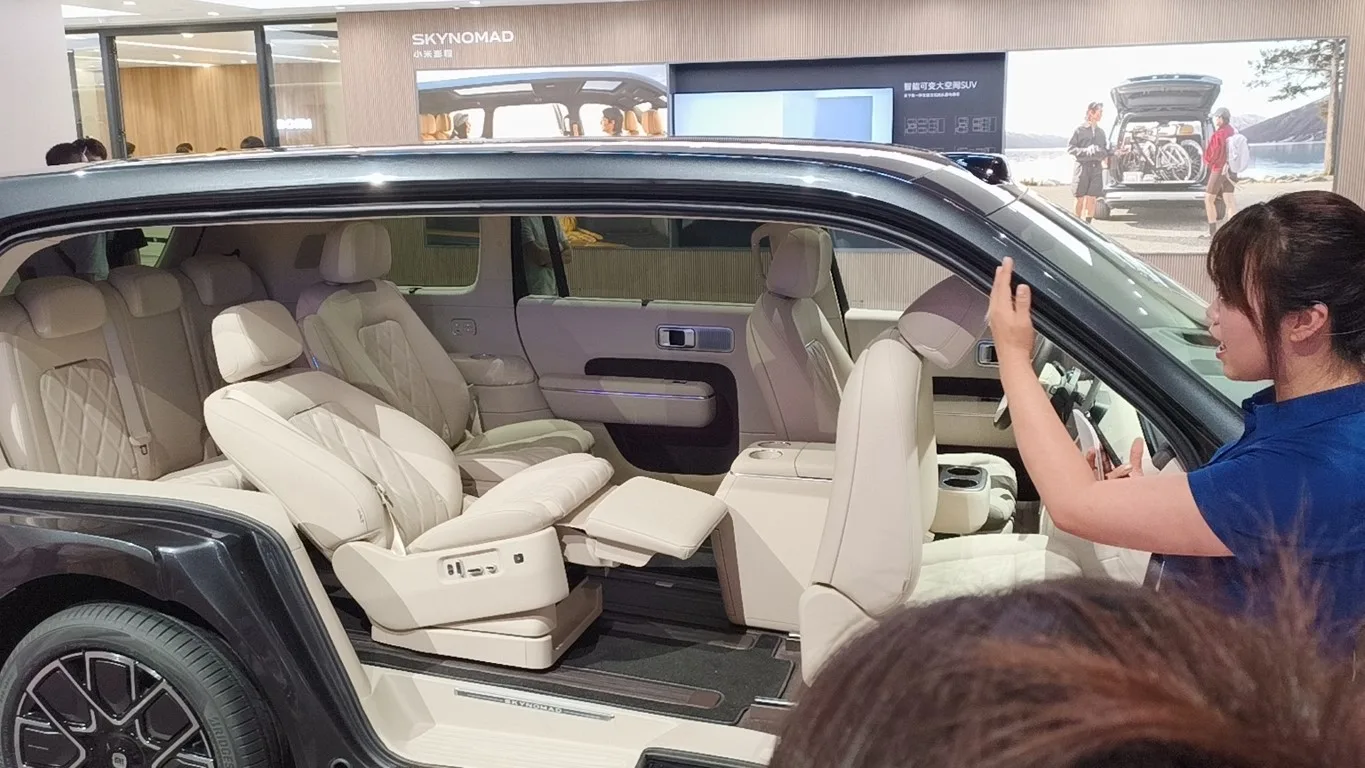
Both the N70 and N90 have rotating front seats, allowing occupants to face those in the rear while the vehicle is stationary.
Turning the seats rearward can create what Xiaomi calls Lounge Mode or Living Room Mode. Li cited possible uses ranging from eating and talking with friends to meetings, interviews and gaming.
Xiaomi deliberately avoided prescribing how owners should use the space. Rotating seats, long seat rails and generous cabin room are instead intended to let occupants configure the interior around different activities.
For Li, the common thread is that advanced technology does not have to dominate how a vehicle looks. With Skynomad, Xiaomi is keeping much of that technology in the background while concentrating the visible design on more familiar automotive forms.