
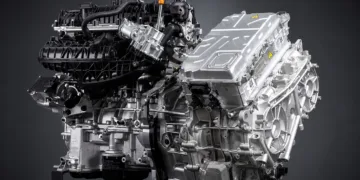





GAC says its latest stator-core technology, used in the Quark Electric Drive 2.0, can extend EV driving range by up to 50km without increasing battery capacity.
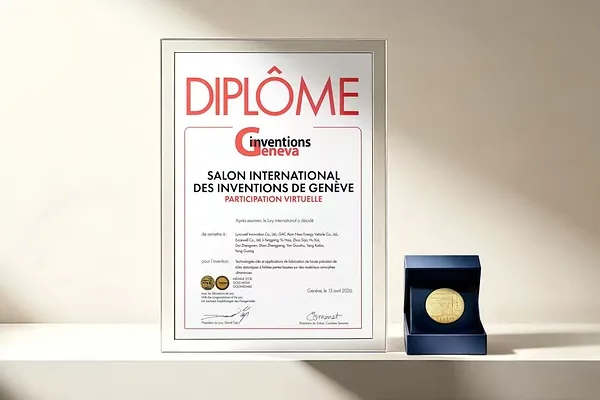
The technology won the top award at the 51st International Exhibition of Inventions Geneva. The project received a Gold Medal with the Congratulations of the Jury, an award selected from Gold Medal winners and requiring unanimous approval from the judging panel.
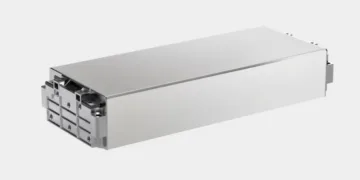
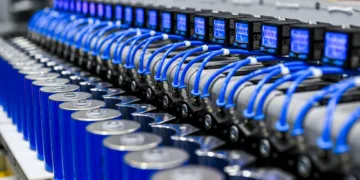
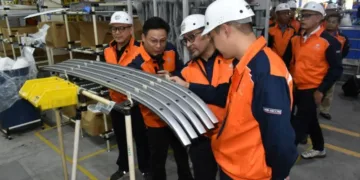
Its main advantage comes from reducing energy losses in the electric motor. GAC uses an ultra-thin amorphous material in the stator core instead of relying solely on conventional electrical steel.
The company quotes peak motor efficiency of 99.03%, while the complete electric-drive system records CLTC operating efficiency of 94.184%. GAC said the improvement can add 30–50km of range with the same battery capacity.
That range gain should be treated as a manufacturer claim. GAC has not published, in the material reviewed here, a direct before-and-after comparison identifying the vehicle, battery capacity and test conditions used to produce the claimed result.
Quark Electric Drive 2.0 itself is not new. An earlier production version announced in 2024 could spin at up to 30,000rpm, with motor efficiency of 98.5% and power density of 13kW/kg.
GAC has since developed the system further. Its 2026 corporate disclosure lists motor power density of 17.29kW/kg on a 1,000V high-voltage platform.
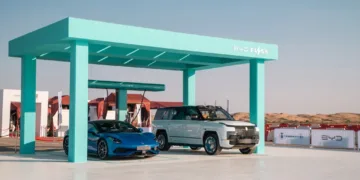
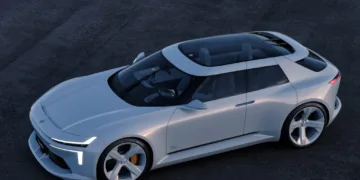
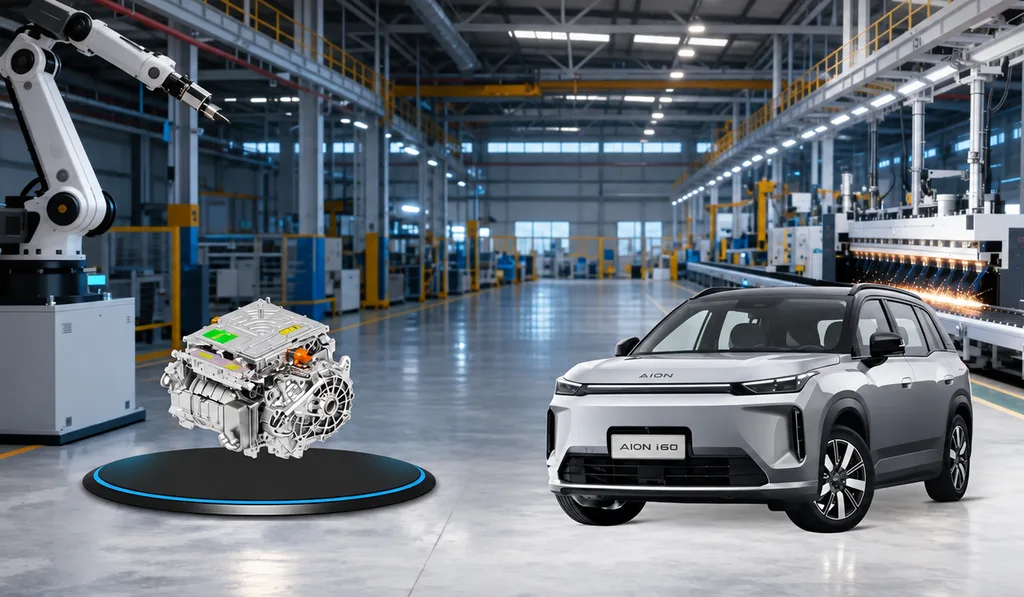
The latest technology is being introduced in China-market models including the Aion N60, 2027 Aion RT and 2027 Aion i60, with wider use planned later.