








Jaguar has revealed the Type 00, a striking concept car that introduces the brand’s new creative philosophy, “Exuberant Modernism.”
The Type 00 represents the first tangible expression of Jaguar’s future direction, combining dramatic design with advanced electric technology.
Built on the new JEA (Jaguar Electric Architecture), the concept aims to redefine electric vehicle (EV) standards and establish a new era for the iconic British brand.
It’s a polarising design, but that’s typically what happens when a brand decides to move to a different beat and make a dramatic change.
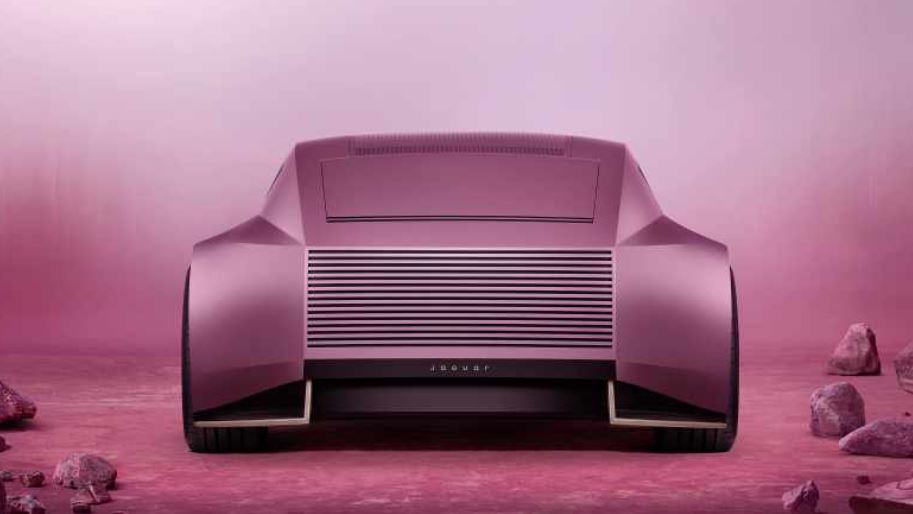
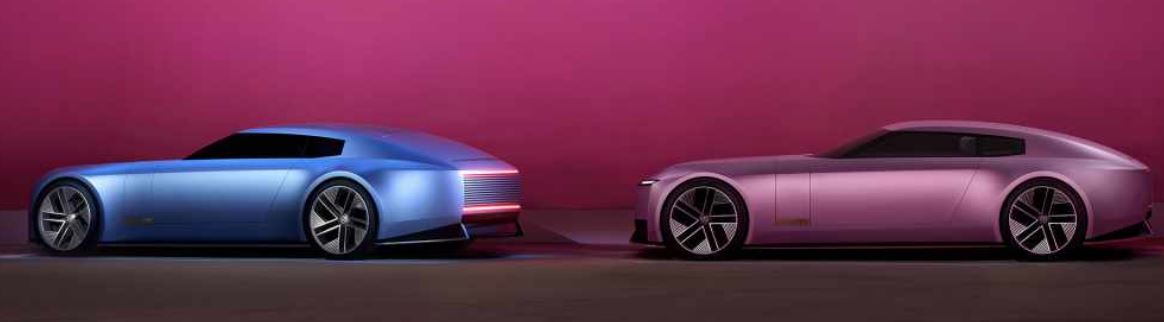
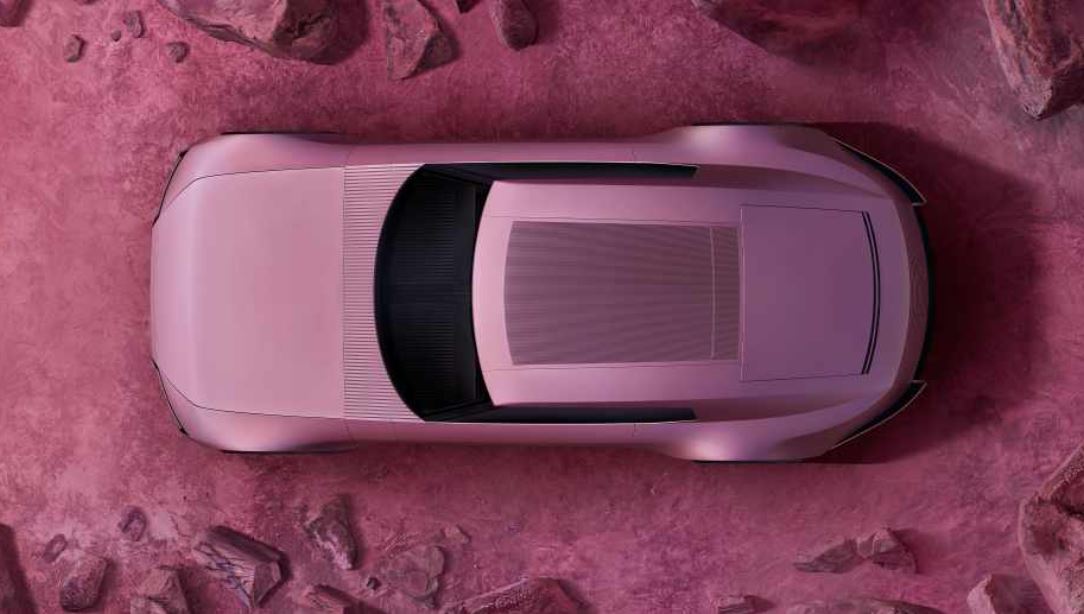
The Type 00 showcases a bold, futuristic design that departs from conventional EV aesthetics. Its long bonnet, sweeping roofline, and dramatic boat-tail create a sleek, fastback profile, while 23-inch alloy wheels and sophisticated surfaces add to its modernist appeal.
The new electric platform has been developed specifically to support the vehicle’s dynamic styling and exceptional driving experience.
Jaguar’s chief creative officer, Professor Gerry McGovern, described the Type 00 as a representation of the brand’s fearless approach to design. “This is our first physical manifestation and the foundation stone for a new family of Jaguars that will look unlike anything you’ve ever seen,” McGovern said.
The vehicle’s dramatic design is underpinned by the company’s new philosophy, which focuses on exuberance, modernism, and compelling experiences for its customers.
Jaguar also revealed that its first production vehicle built on this new architecture will be a four-door GT sedan, set to debut in late 2025.
The production model is expected to offer a driving range of up to 770 km under the WLTP cycle, with the ability to charge up to 321km in just 15 minutes using rapid charging.
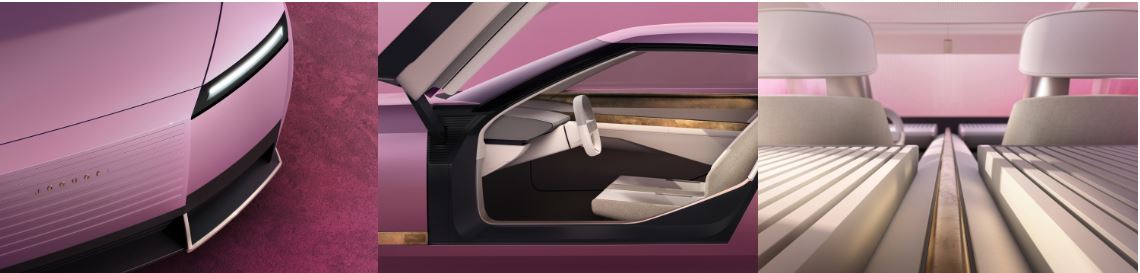
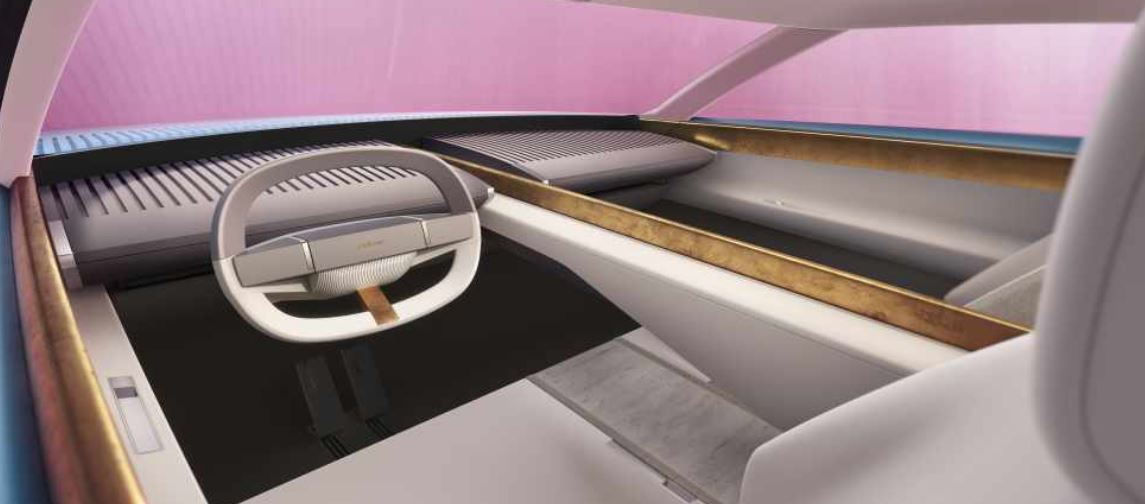
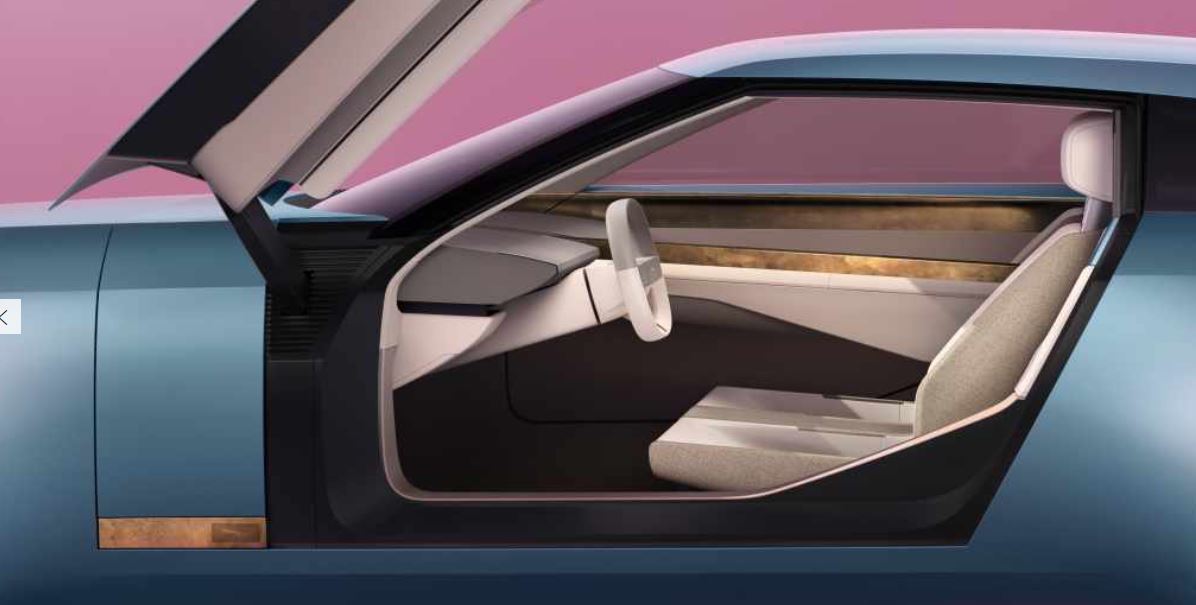
A key element of the Type 00 is its interior, which mirrors the dramatic proportions of the exterior.
The cabin features a central brass spine that runs the length of the interior, dividing the floating instrument panels. Textiles, travertine stone, and brass are used to create a tactile, artistic environment.
Jaguar’s approach to interior design includes deployable technologies, such as screens that glide out silently from the dashboard and hidden storage areas that reveal vibrant colours when opened.
The interior also offers a high level of customisation, with occupants able to adjust the mood of the cabin using natural material totems, which alter the ambient lighting, soundscape, and even scent within the vehicle.
The Type 00’s exterior design continues Jaguar’s tradition of attention-grabbing aesthetics. The front features a new device mark at its centre, which pays homage to the brand’s past while embracing modernism. The vehicle’s side profile includes the iconic Jaguar ‘leaper’ emblem, which now includes rear-facing cameras that deploy when needed.
The rear of the car is characterised by a glassless tailgate and a panoramic body-harmonised roof, with horizontal Strikethrough graphics that emphasise the vehicle’s boldness.
Type 00 was also unveiled at Miami Art Week, marking Jaguar’s involvement in the luxury art scene. At the event, the car was presented as the centrepiece of an immersive art installation, showcasing the brand’s artistic expression and innovation.
 Jaguar heralded the coming of the Type 00 on Nov 19 with a video ad (see bottom clip) that showed a bunch of men and women models prancing around in bright-coloured unconventional apparel but no teaser images of any car. The controversial ad certainly caught the attention of Netizens with many describing it as woke and outdated. Even Tesla’s Elon Musk chimed and wondered: “Do you sell cars?”
Jaguar’s managing director Rawdon Glover came to the defence of the ad, saying that the rebranding aims to distinguish the brand from traditional automotive marketing and to attract a new, affluent customer base as the company transitions to an all-electric lineup by 2026. He spoke of the importance of originality and challenging industry norms.
While some didn’t like the ad for its perceived “woke” principles, Jaguar insisted it was a strategic move to modernise and move up the value chain.
However, Jaguar’s approach seems to be walking a fine line—balancing its aspiration to modernise and appeal to younger, more diverse consumers with the need to maintain its traditional appeal to the ultra-rich. The key challenge will be how the brand can reconcile these two goals without diluting its core identity or alienating its most important customers.