




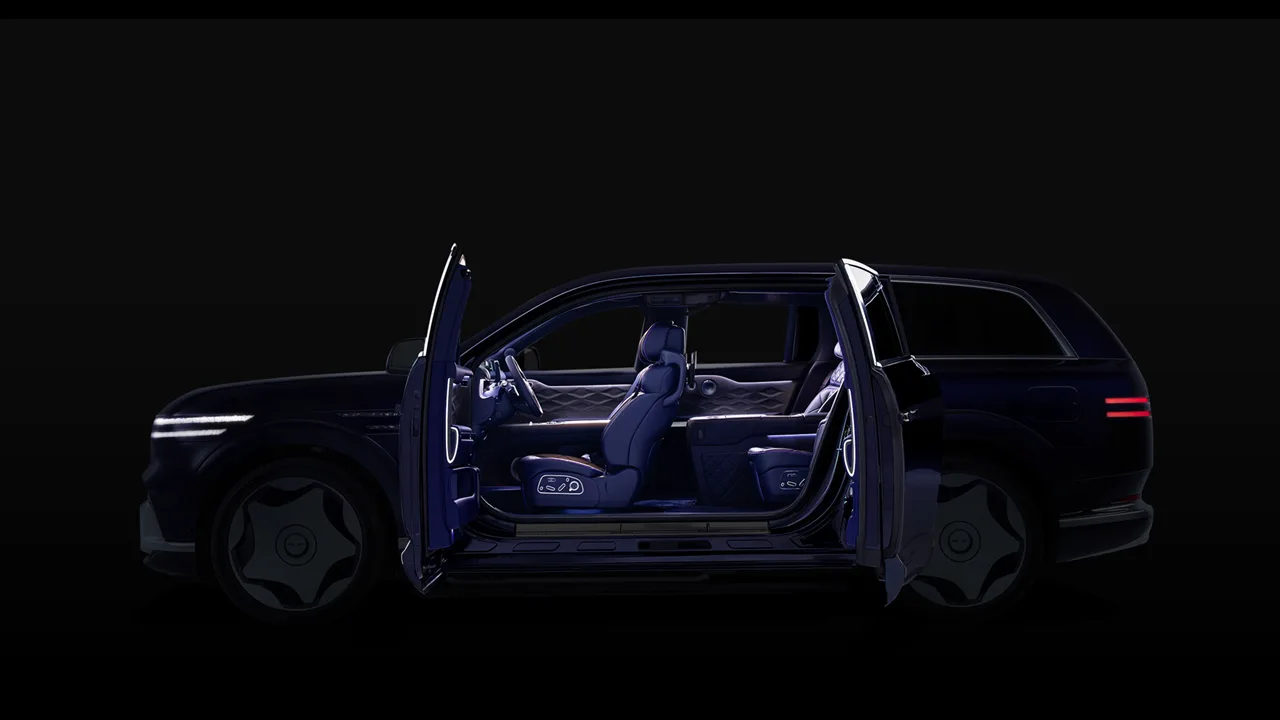
Genesis says its GV90 Neolun electric SUV achieves 12% greater body rigidity than the standard GV90 despite dispensing with conventional B-pillars to accommodate its rear-hinged coach doors.
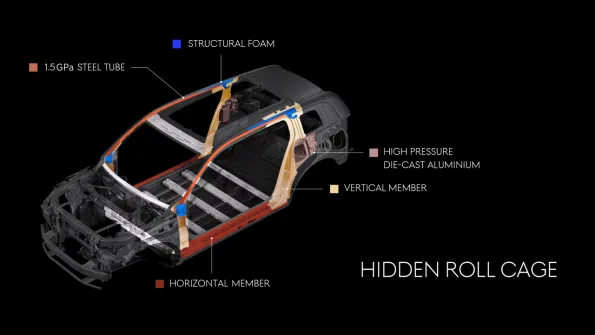
The result comes from a redesigned body structure incorporating high-strength steel reinforcements into the doors and a concealed roll-cage-inspired framework.
According to Genesis, internal testing showed that the Neolun matched the standard model’s crash performance while delivering higher rigidity.
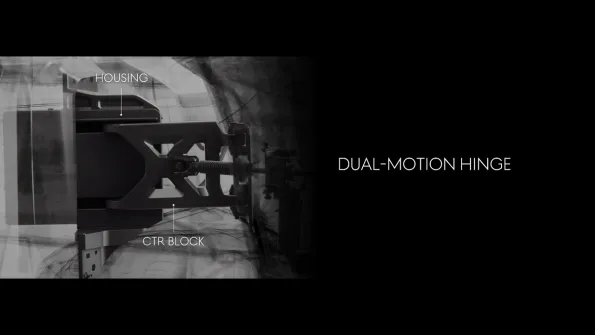
The coach-door arrangement, called Neolun Arch Gate, uses a dual-motion hinge that allows each rear door to move slightly outwards before swinging open independently of the front door.
Each rear door weighs nearly 70kg. Its hinge mechanism incorporates more than 500 ball bearings to distribute the load, while an aluminium housing reduces weight by approximately 20%.

Removing the conventional B-pillar required Genesis to incorporate intersecting steel beams rated at 1.8 GPa into the doors. Four latches secure each door to the body to help manage forces during side impacts.
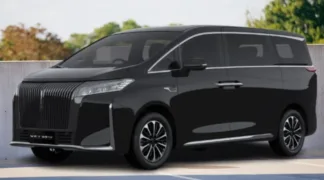
A similar hidden B-pillar principle was adopted by Chinese automaker Zeekr in its MIX electric MPV, launched in October 2024. However, the MIX uses opposing sliding doors rather than Genesis’ sliding-and-rotating coach-door mechanism.
The Zeekr’s concealed pillars use steel rated at 2.0 GPa.

The GV90’s surrounding body structure uses 1.5 GPa steel tubes, structural foam and reinforced aluminium castings to strengthen the passenger compartment.
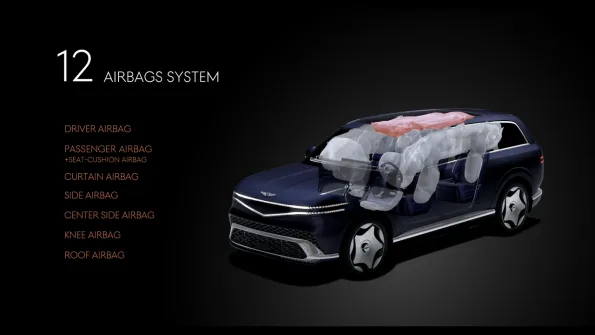
Genesis has also developed a roof airbag that deploys across the panoramic glass roof during a rollover, helping prevent occupant ejection and injuries from glass fragments.
The SUV’s 12-airbag system includes protection for passengers with reclined seats.
Its 123.5kWh battery receives additional protection through underbody structures that redirect collision forces, while barriers between cells help limit heat propagation.