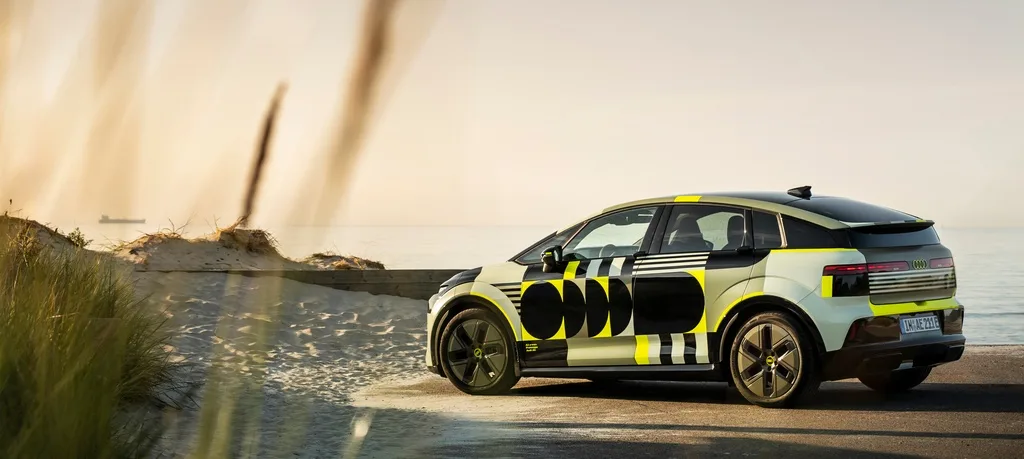








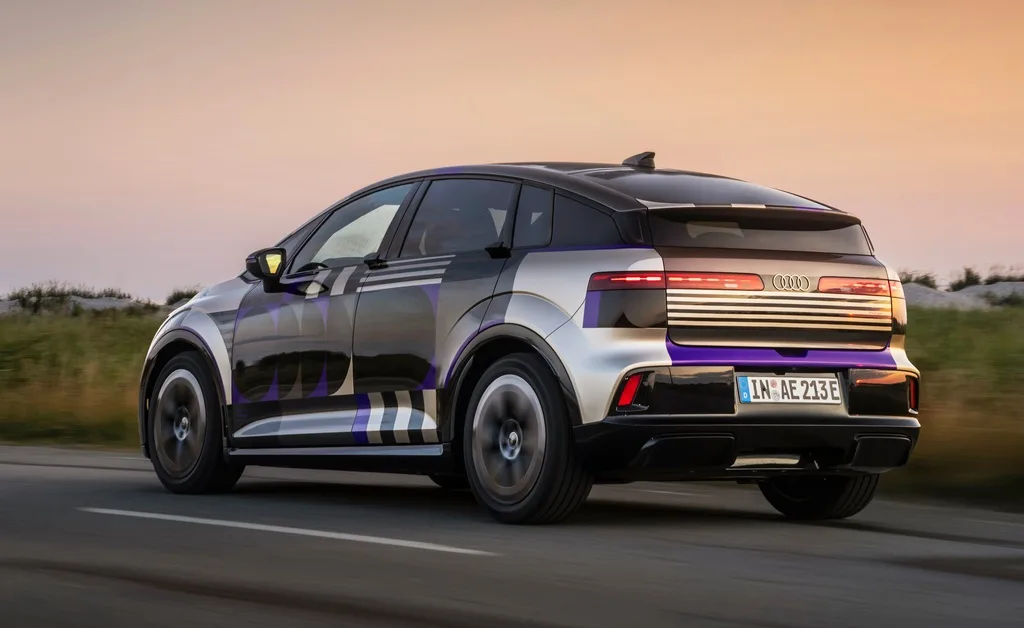
Audi has set a preliminary energy-consumption figure of 12.8 kWh per 100 km for the upcoming A2 e-tron, which the company describes as the most efficient Audi yet.
The figure applies to the 140 kW version fitted with an optional efficiency package and was measured under the Worldwide Harmonised Light Vehicles Test Procedure. Audi plans to unveil the compact electric car in autumn 2026 as its entry-level EV.
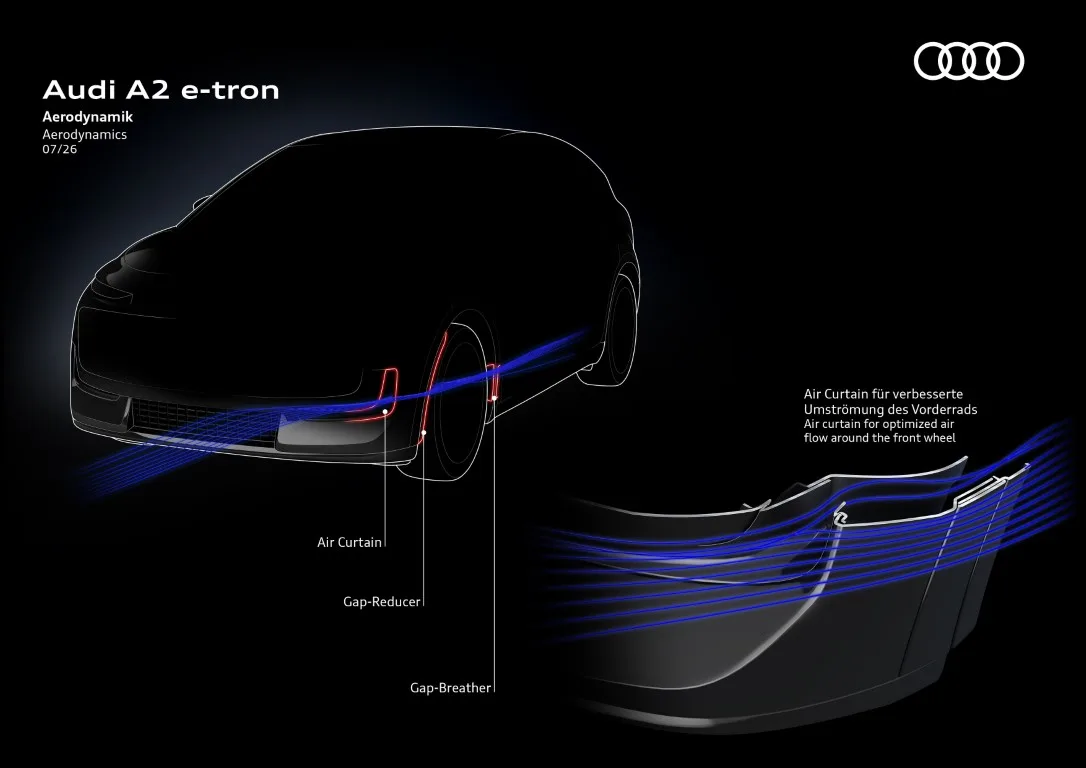
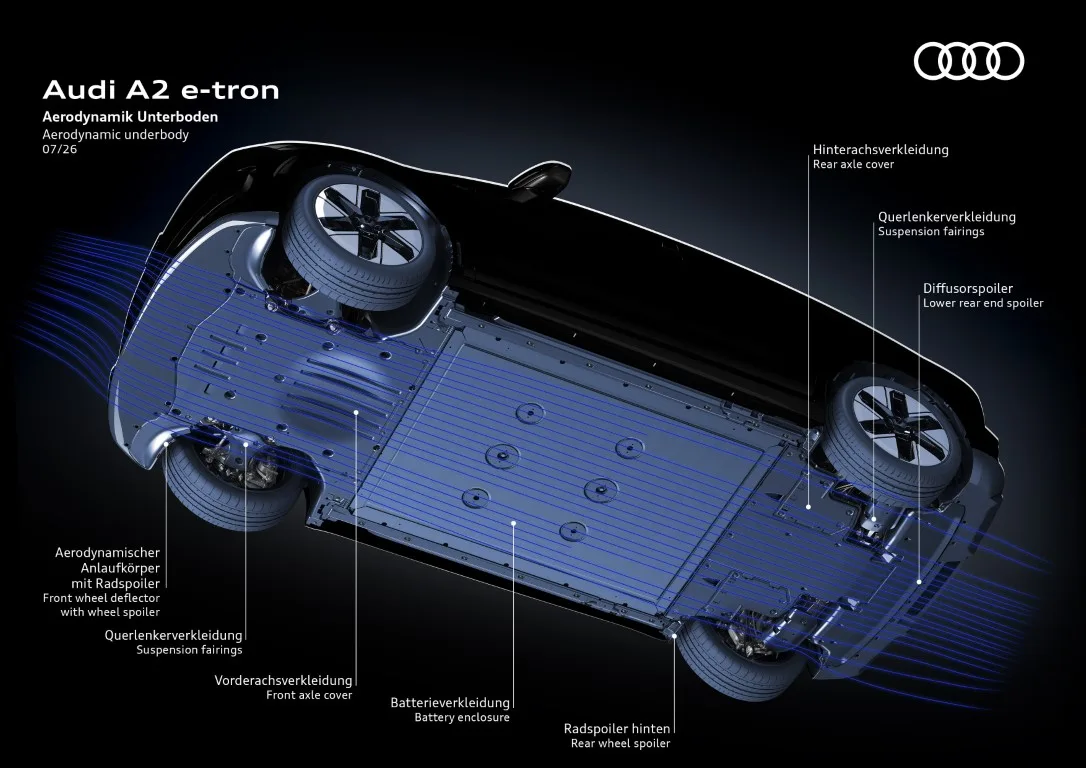
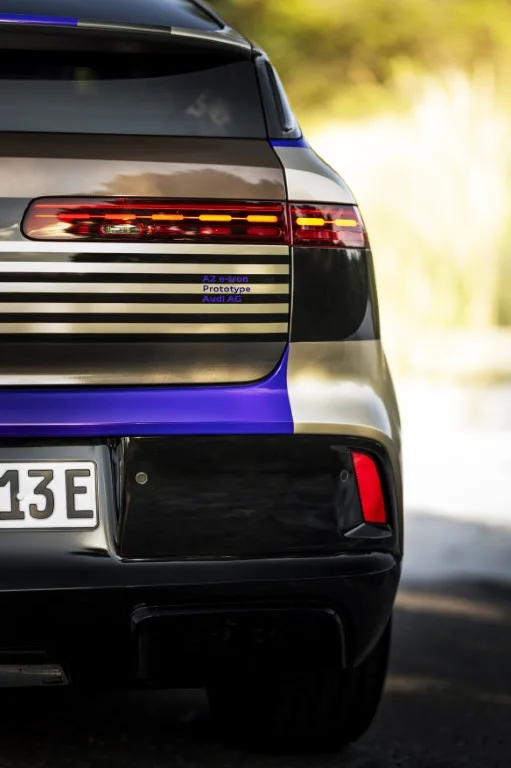
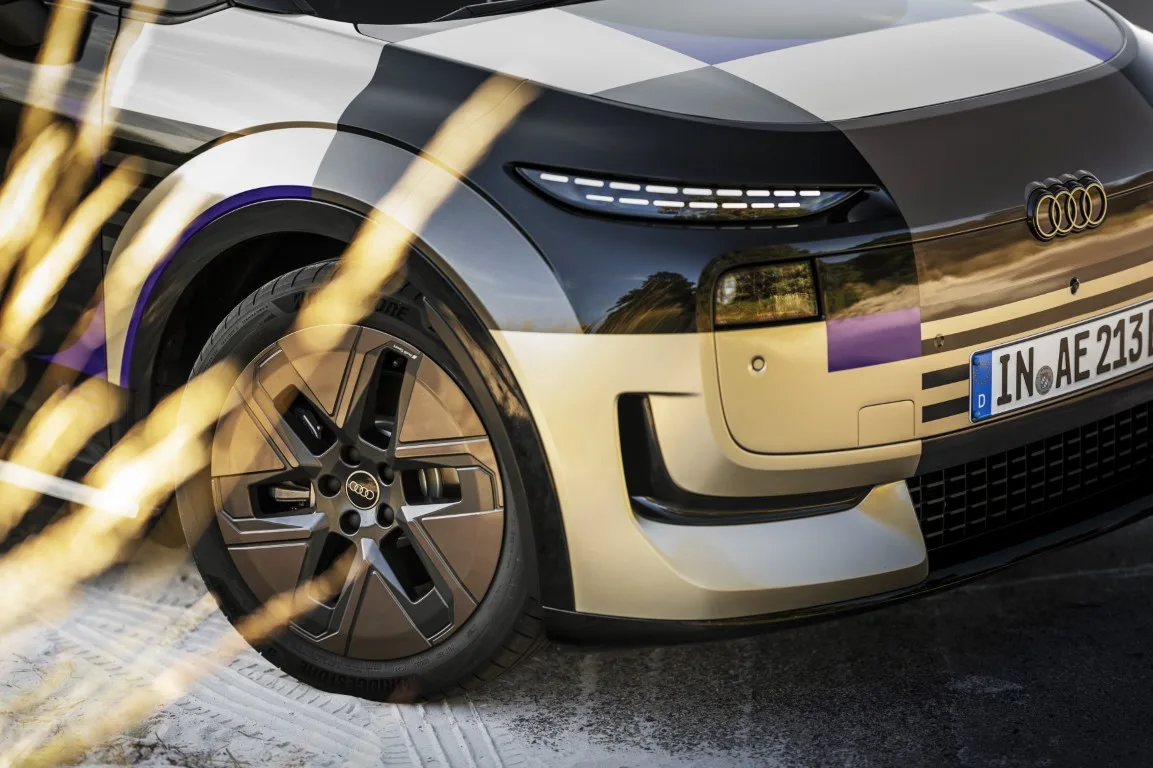
The A2 e-tron records a drag coefficient of 0.24, the lowest among Audi’s compact models. Its rounded nose, flowing roofline and sharply cut rear are joined by air curtains, wheel-arch gap reducers and other details designed to control turbulence around the body.
An active cooling inlet remains closed during normal driving and at higher speeds. It opens when the battery and electronics need more cooling, including during charging, hard acceleration or hot-weather use.
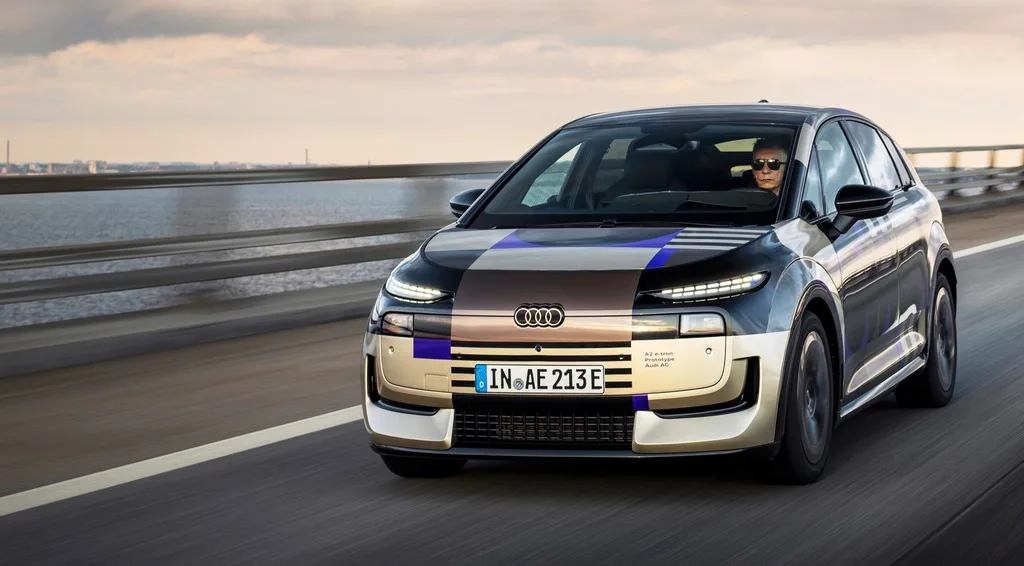
Audi said the aerodynamic package cuts WLTP consumption by as much as 0.9 kWh per 100 km compared with an otherwise identical car without those measures.
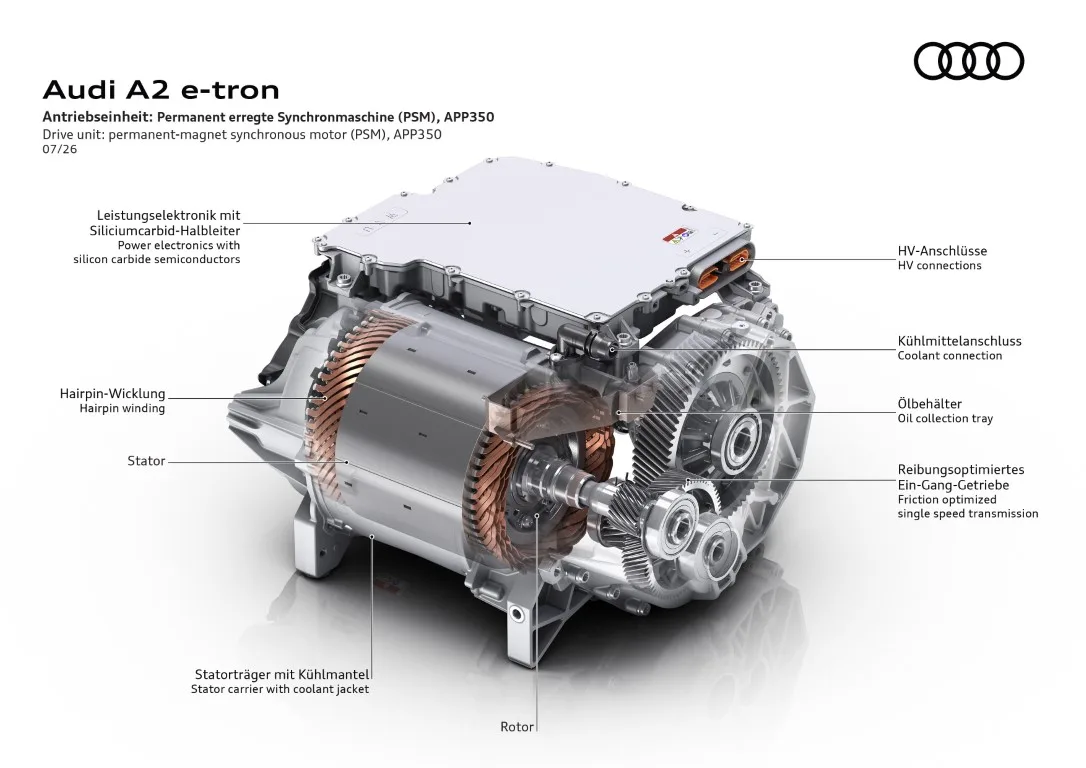
The drive system uses a permanently excited synchronous motor. Silicon-carbide semiconductors replace conventional silicon components in the power electronics, reducing switching losses, particularly under partial load.
Thinner motor laminations and a revised stator-winding arrangement are intended to cut further losses. Audi has also fitted a taller 10.2:1 gear ratio to lower motor speed during faster driving, while low-friction transmission oil reduces resistance.
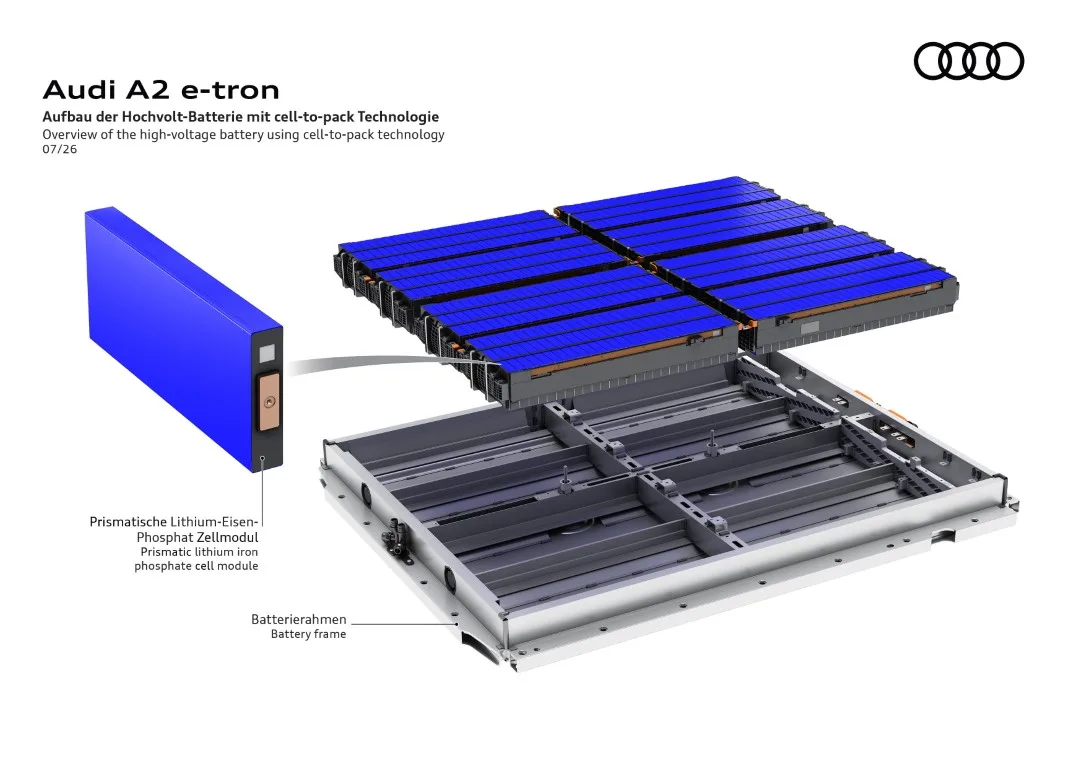
The 140 kW model uses a 61 kWh lithium iron phosphate battery with cell-to-pack construction. Audi said the layout improves packing density by bonding the cells directly into the battery housing.
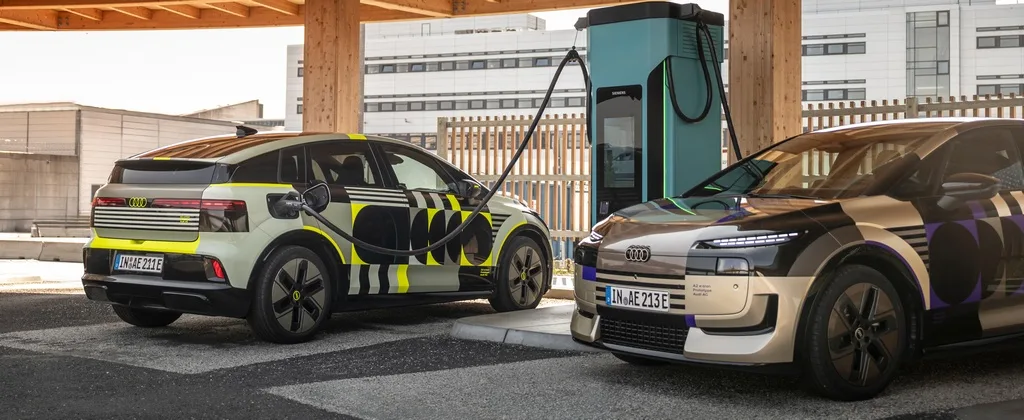
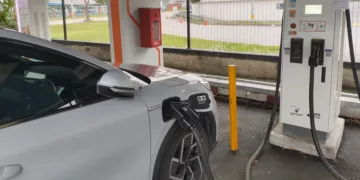
Lithium iron phosphate chemistry allows routine charging to 100 per cent and ages more slowly than many alternative cell chemistries, according to Audi. An adapted cooling strategy gives the A2 e-tron a claimed wallbox charging efficiency of 89.6 per cent.
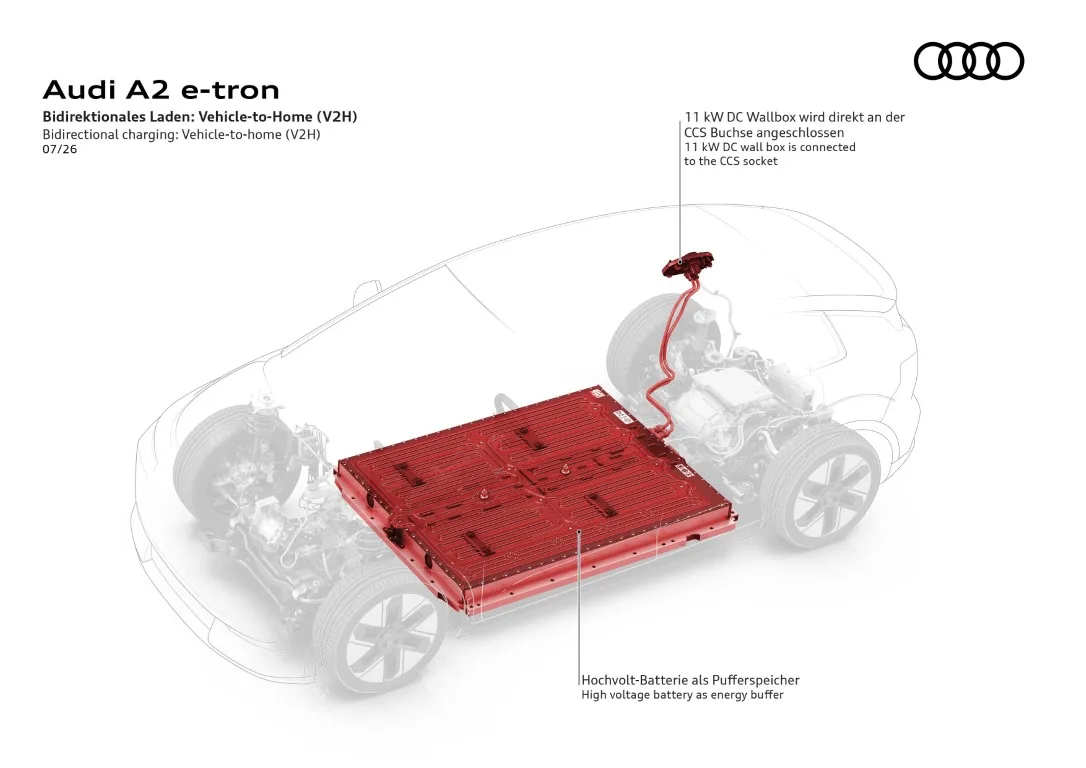
The car will support Vehicle-to-Load, allowing it to power external electrical equipment. Vehicle-to-Home will let owners use the battery as household energy storage, although the function will initially be offered only in Germany, Austria and Switzerland. An Audi-recommended charging box will be required.
Audi chief executive Gernot Döllner linked the model to the original A2 and its economy-focused three-litre version, which made low fuel consumption its defining feature.
Audi has not disclosed the A2 e-tron’s range, charging rate or acceleration figures in its press statement.