









Autoliv has opened a new Innovation Center in Vårgårda, Sweden, where the automotive safety supplier began more than 70 years ago.
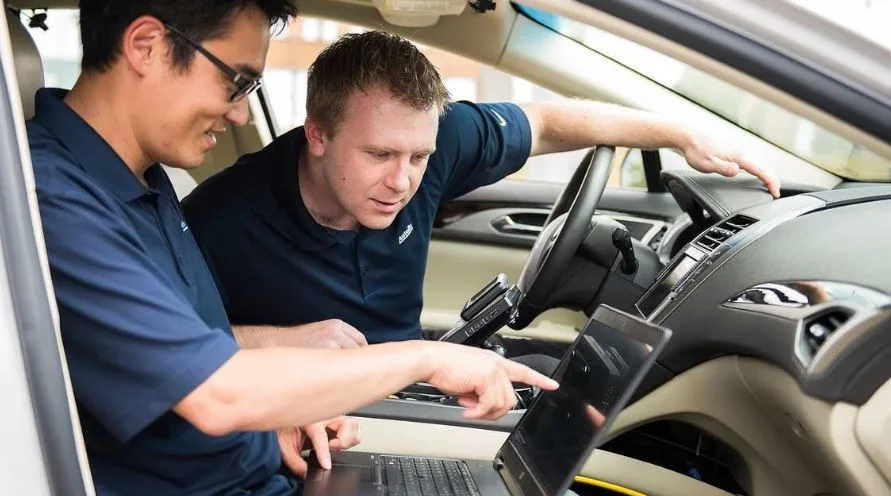
The centre brings research, system architecture, testing, prototyping and pilot production into one site, enabling engineers to test ideas faster, spot weak points earlier and move usable safety technology into production with less delay. The centre was opened today.
This is not just about airbags and seatbelts, although those remain core Autoliv territory. The company said the Vårgårda operation has also worked on motorcycle safety systems, Human Body Models (HBM), Load Limit Management (LLM), Pyrotechnic Safety Switches (PSS) for electrical safety, and safety systems for commercial vehicles. For electric vehicles, the PSS bit is worth noting, as high-voltage safety is now part of the crash-protection research.
Autoliv calls its working model a “triple-helix” approach. That means industry, academia and society are brought into the same safety-development loop. The term sounds academic, but the intent is practical enough: modern crashes involve people, software, batteries, new cabin layouts and heavier vehicles. One company cannot solve all of that in isolation.

Autoliv executive vice-president and chief technology officer Fabien Dumont said the centre would help the company move faster from research insight to technology that can be used globally. He also tied the new centre to Vårgårda’s long role in traffic-safety development.
Autoliv said its safety systems saved about 40,000 lives and reduced around 600,000 injuries in 2025. The company operates in 25 countries, has 13 technical centres and employs about 64,000 people. Sales in 2025 stood at US$10.8 billion (RM50.7 billion).