







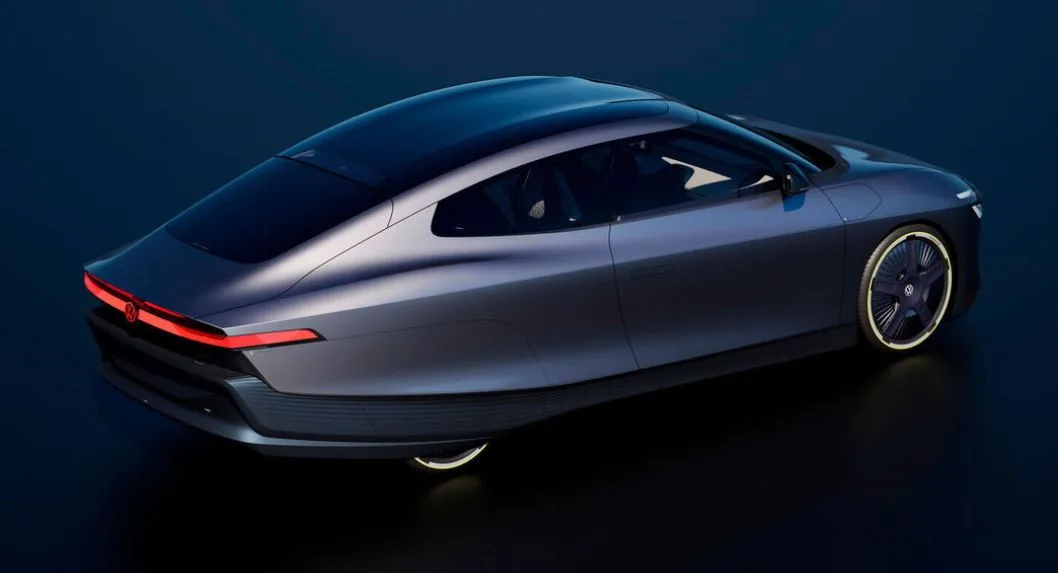
Volkswagen’s Mission Efficiency prototype has set three efficiency records, including a drag coefficient of just 0.158 and average energy consumption of 6.89 kWh/100 km on a 1,278.36 km road trip across Europe.
The low-slung electric coupé is not a production model. Instead, Volkswagen is using it to show what can be achieved by combining extreme aerodynamic work with hardware derived from its next generation of mass-market electric cars.
Its first record is aerodynamic. Volkswagen said the Cd figure of 0.158 is the lowest achieved by a road-approved car. The second came during an “ideal” drive at a constant 68 kph, with no uphill sections and auxiliary systems such as air-conditioning switched off. Energy use fell to 6.48 kWh/100 km.
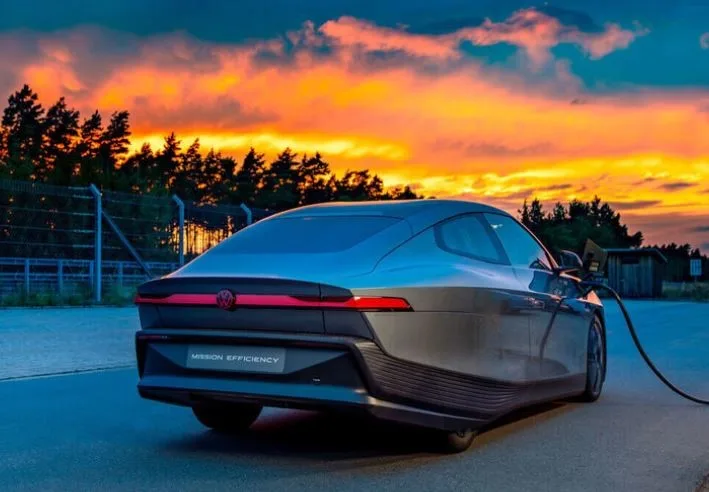
The third record came from an officially documented drive from Volkswagen’s development centre in Wolfsburg, Germany, through Poznan in Poland and Olomouc in the Czech Republic to Vienna, Austria.
Over 1,278.36 km, the Mission Efficiency averaged 6.89 kWh/100 km excluding charging losses, or 7.51 kWh/100 km when those losses were included. Average speed was 67.72 kph and the car reached 138 kph during the journey.
Its 54.9 kWh net battery was charged once en route. When the car reached Vienna, Volkswagen said it still showed 164 km of remaining range. Separate technical data lists a 160 kph top speed and 0–100 kph time of 9.0 seconds.
Much of the drivetrain comes from technology intended for series production. The Mission Efficiency uses the MEB+ architecture with front-wheel drive, together with a 99 kW (135 PS) electric motor and high-voltage battery derived from the upcoming ID. Polo. The same platform family will also underpin the ID. Cross.
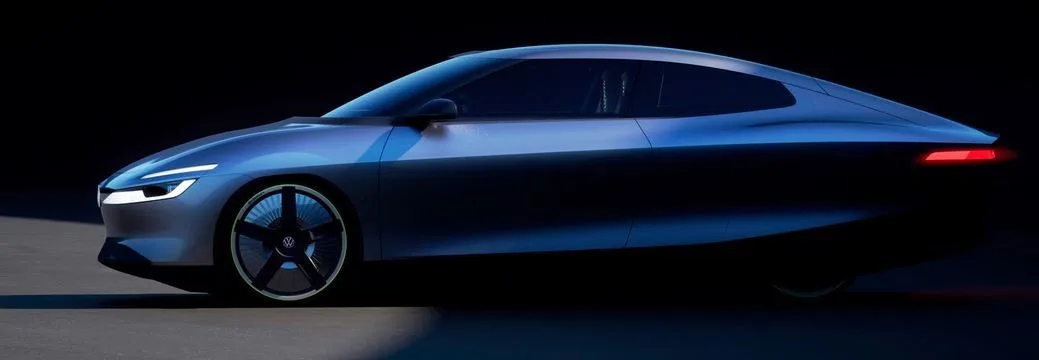
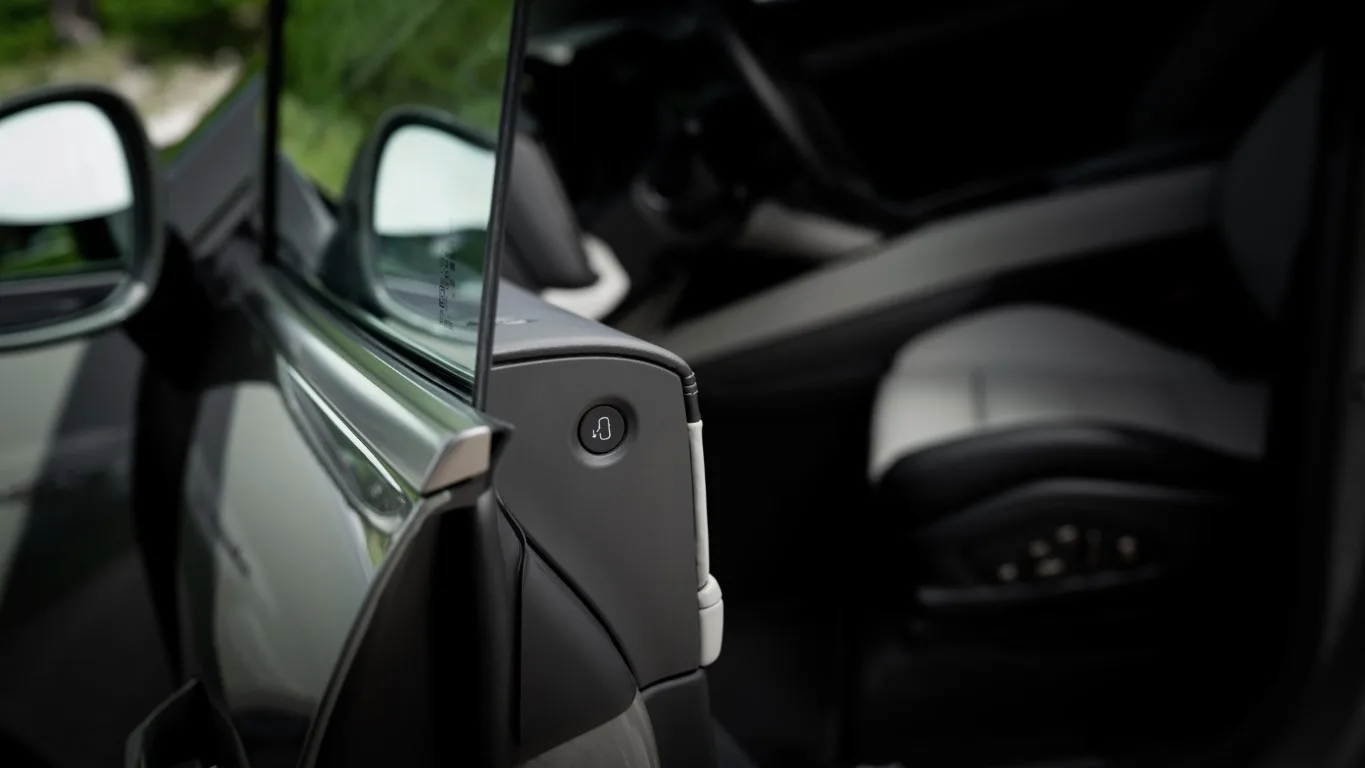
Aerodynamics account for much of the gain. The car has a frontal area of 2.08 sq m, a teardrop profile, active cooling-air flaps, covered rear wheels and a fully enclosed underbody. Frameless windows and door handles integrated into the body further clean up airflow.
Volkswagen said the difference becomes particularly significant as speed rises. Above 80 kph, the prototype uses more than 30% less energy than the standard ID. Polo. At 140 kph, its energy demand is said to be roughly equivalent to the ID. Polo travelling at 100 kph.

The Mission Efficiency measures 4,775 mm long and 1,392 mm tall. Despite its aerodynamic focus, it has a 2+2 seating layout and 481 litres of luggage space. The rear seats are intended for occupants up to about 1.60 m tall.
Its body combines ID. Polo components with a self-supporting aluminium structure and parts made from carbon fibre-reinforced polymer and aramid composite.
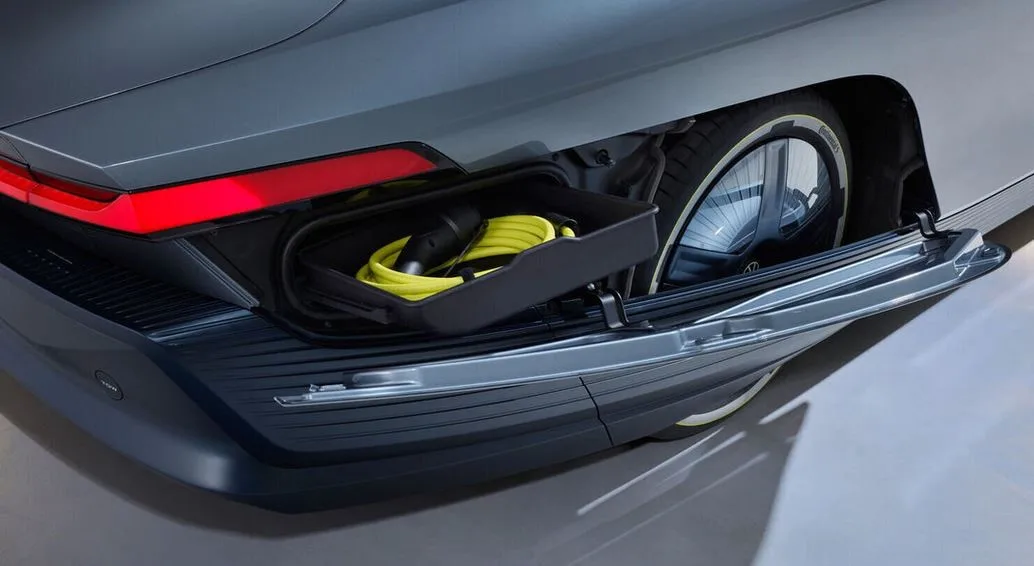
Volkswagen also targeted losses at the wheels. Patented deflectors reduce airflow into the rims, while the front wheelarches sit closely around the tyres.
Continental developed concept tyres based on the EcoContact 7, with rolling resistance of 4.9 kg per tonne — about 25% below the threshold for the European Union’s best tyre-label category, according to Volkswagen.
The braking system mixes production and experimental hardware. Up front are a MacPherson axle and hydraulic brakes derived from the ID. Polo. The rear uses an electromechanical brake developed with AUMOVIO, eliminating some hydraulic components and allowing variable brake-force distribution.
Volkswagen said this reduces friction losses while improving energy recuperation. Despite its specialised construction, the prototype has European Union road approval and meets the corresponding safety, strength and crash requirements.
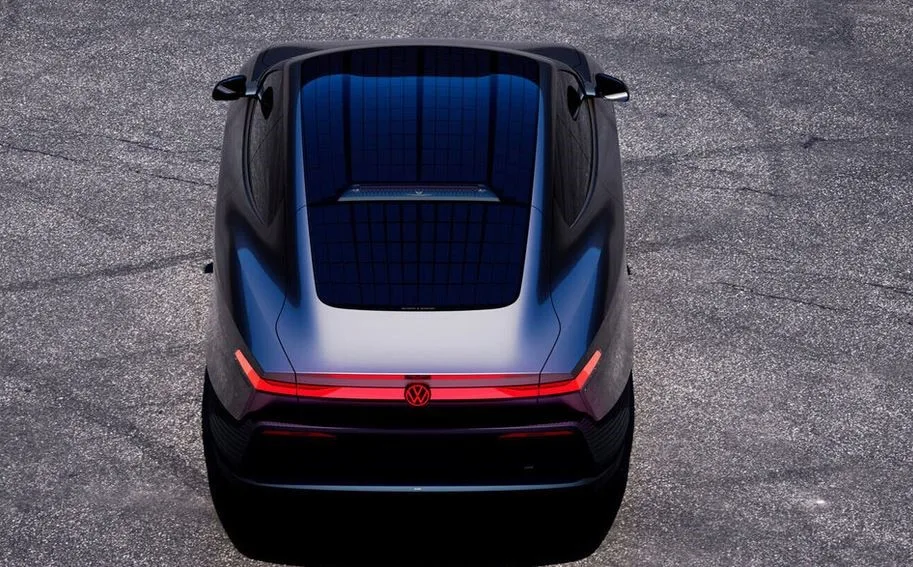
Solar cells are fitted to the glass roof and boot lid. Their combined output is 370 W and feeds the car’s electrical systems. Depending on location, weather and season, Volkswagen estimates the system can contribute up to 30 km of additional range per day.
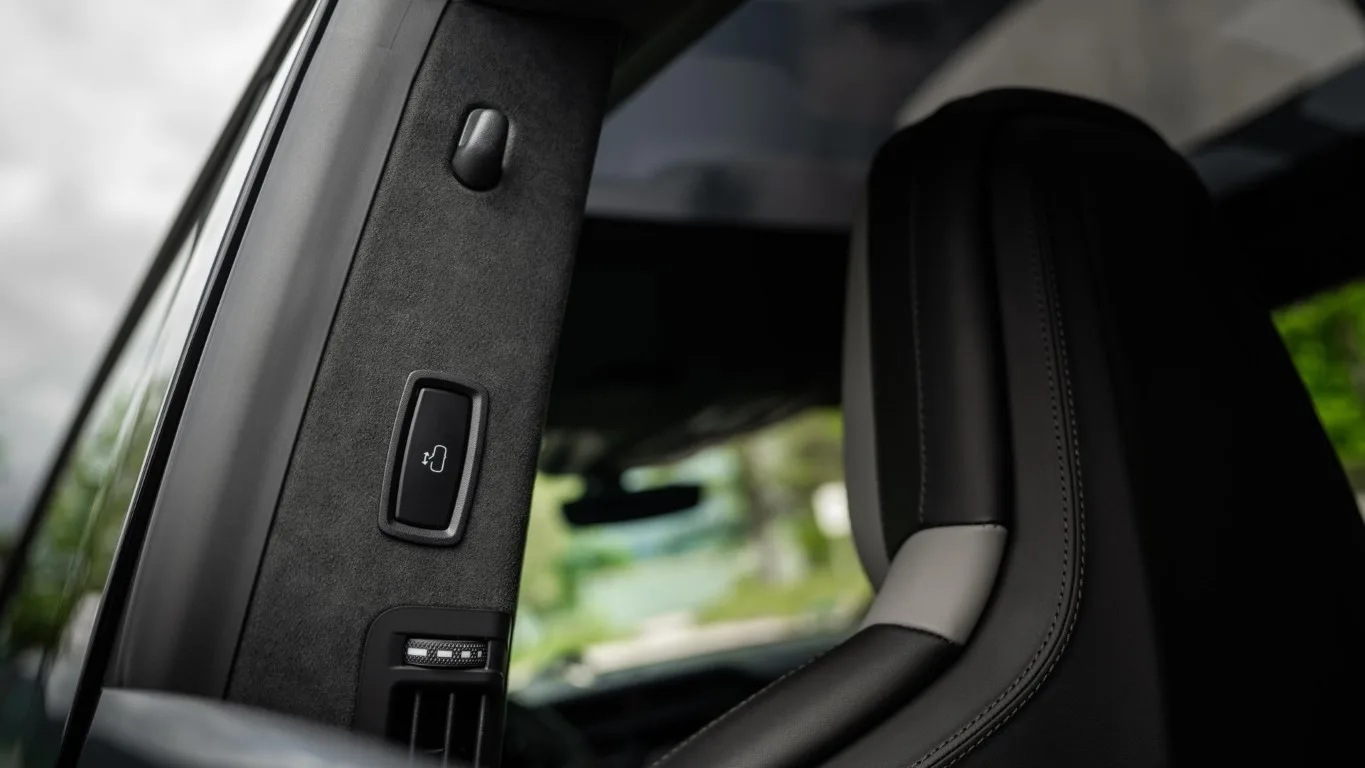
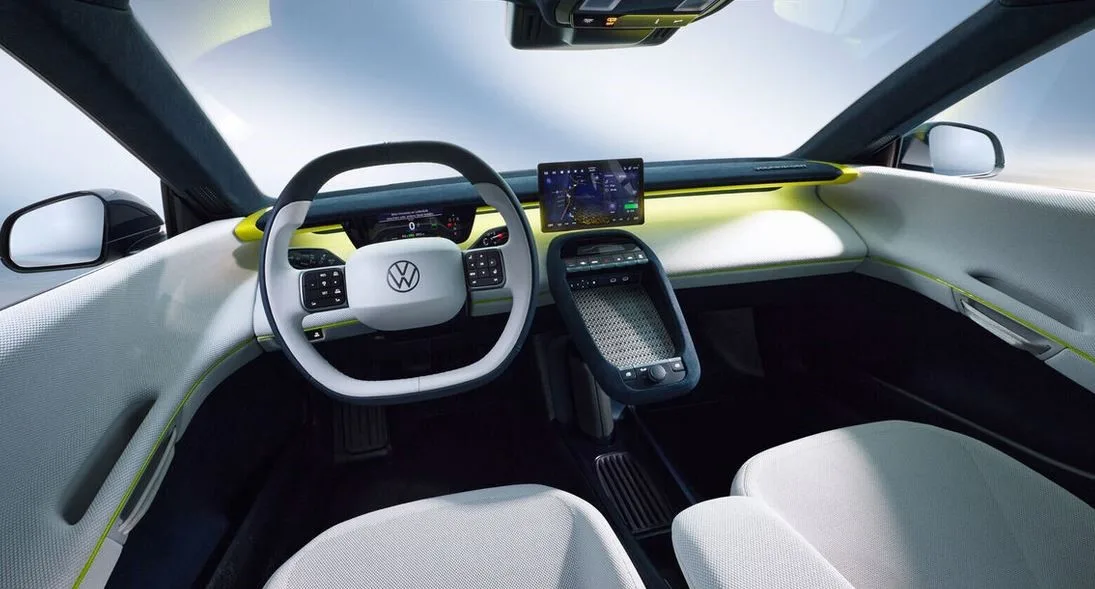
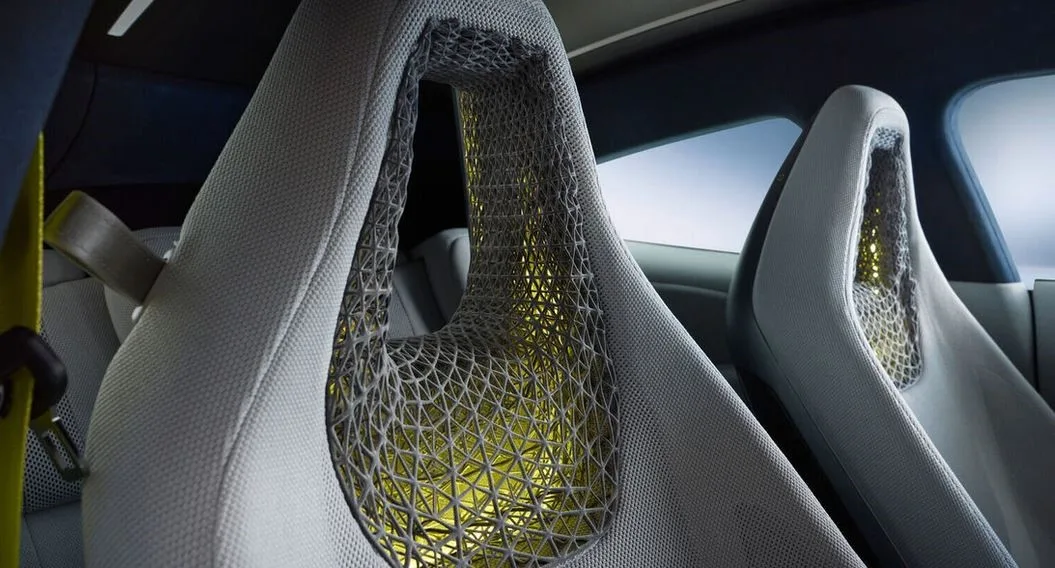
Weight was trimmed inside as well. There is no conventional infotainment display; occupants use their own smartphone or tablet instead. A portable Bluetooth speaker replaces the usual fixed audio system.
The project recalls Volkswagen’s XL1, the ultra-low-consumption plug-in hybrid introduced in 2013. Mission Efficiency applies the same focus on low drag and energy use to Volkswagen’s coming generation of battery-electric hardware.
Volkswagen said the Mission Efficiency will not be sold. Its main role is to test which efficiency measures can eventually be transferred to MEB+ production cars such as the ID. Polo and ID. Cross.