





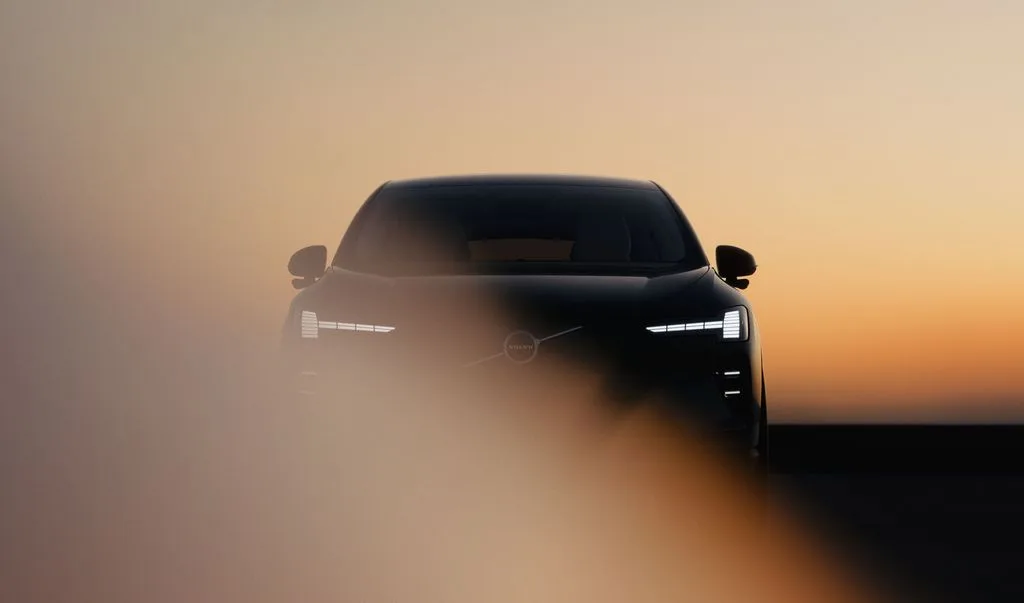
Volvo Cars is putting range and charging speed front and centre ahead of the upcoming EX60, its next mid-size electric SUV, which is set for a full reveal on Jan 21.
The carmaker is pitching the model as a confidence-builder for drivers who still worry about long-distance EV use, especially in colder weather or when charging stops are unpredictable.
Volvo is talking about up to 810km on a single charge in an all-wheel-drive configuration, using the WLTP test cycle and described as a preliminary figure.
In real life, Volvo notes that range can move around with variables such as temperature, speed, topography and driving style.
Still, on paper, that sort of figure starts to look like “drive first, think later” territory, and in a Malaysian context could cover a Perlis-to-Johor run easily.
Charging is the other highlight. Volvo said the EX60 can add up to 340km of range in 10 minutes when plugged into a 400kW DC fast charger, with charging performance also dependent on conditions.
The company pairs that with a 10-year battery warranty, a move aimed at long-term reassurance.
“The EX60 is designed to be a game changer,” said Volvo Cars chief technology officer Anders Bell.
“With our new electric vehicle architecture, we directly address the main worries that customers have when considering a switch to a fully electric car. The result is segment-leading range and fast charging speeds, marking the end of range anxiety.”
Underneath, Volvo ties the numbers to its new SPA3 electric architecture.
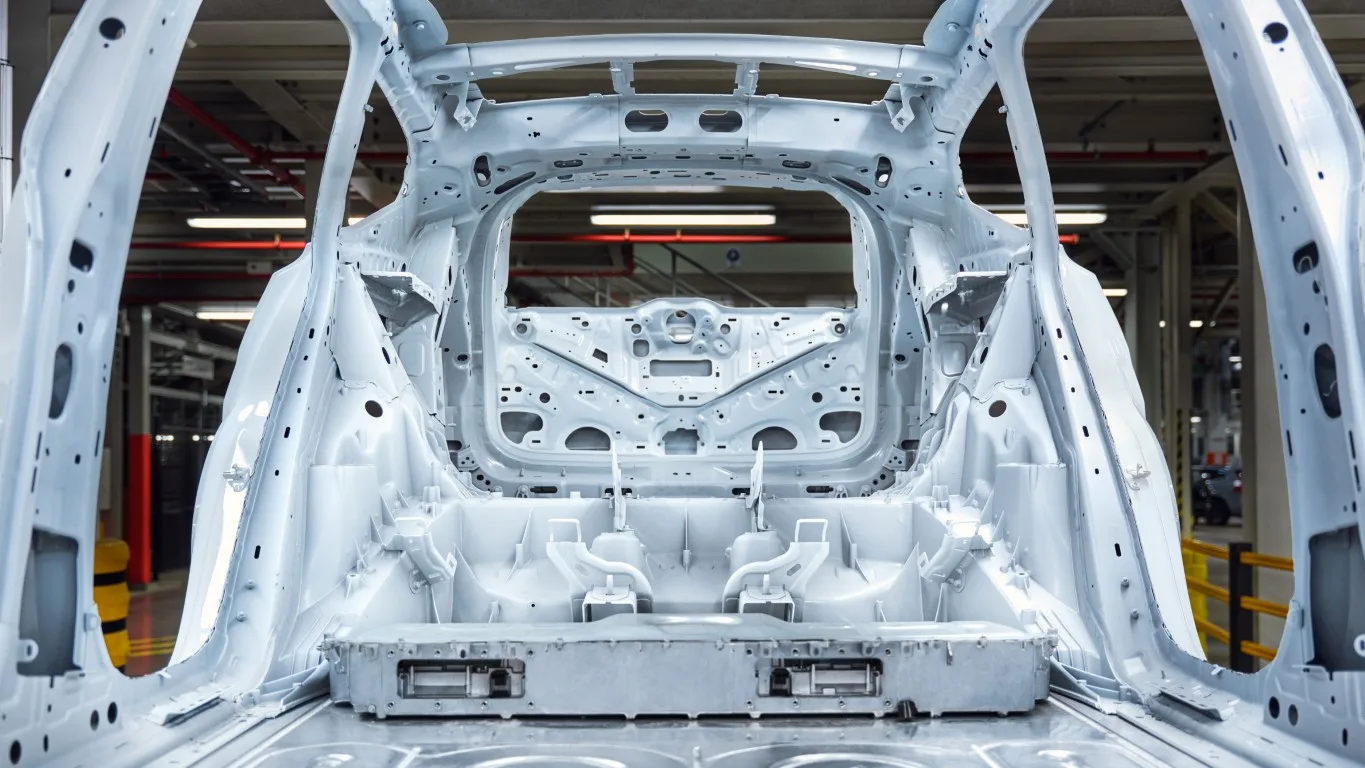
It said the EX60 integrates the battery into the car’s structure using cell-to-body technology, develops e-motors in-house, and uses a revised cell design aimed at improving both energy density and power delivery.
Manufacturing also gets a mention.
Volvo said the EX60 is its first car built with mega casting, replacing many smaller parts with a single high-precision casting to reduce weight.
On the charging side, it pointed to a new 800-volt electrical system and software work, including algorithms from portfolio company Breathe Battery Technologies, to manage how the battery accepts power across different conditions.