





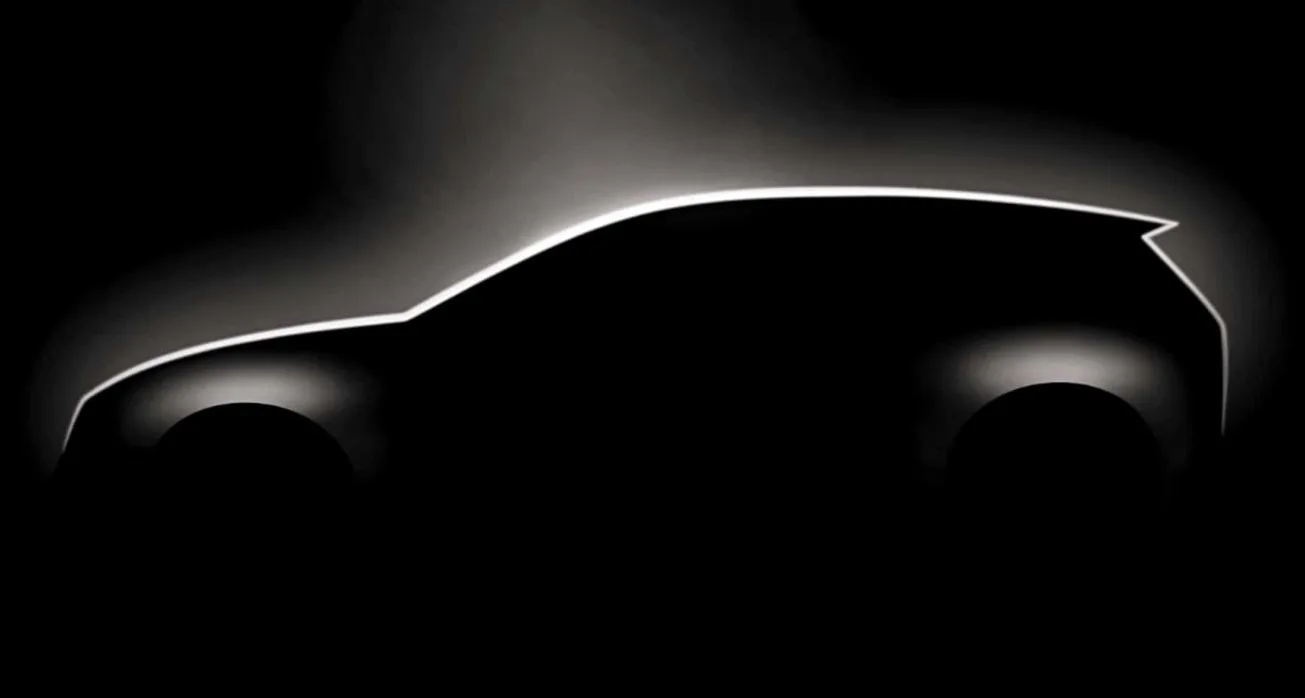
Volkswagen has suspended development of its electric ID. Golf as mounting financial pressure forces the German carmaker to tighten spending on future models.
The decision affects work at its Wolfsburg headquarters, where the company is struggling to meet cost-reduction targets.
Volkswagen brand and Brand Group Core chief financial officer David Powels confirmed the suspension today, saying development would resume once the necessary investment could be secured.
The decision highlights the financial challenges facing Volkswagen as it shifts towards electrification.
The announcement accompanied Volkswagen’s financial results for the first nine months of 2026, which showed operating profit at its Brand Group Core falling to €4.33 billion from €4.72 billion a year earlier.
Operating margin declined from 4.4% to 4.1%, while the Volkswagen Passenger Cars brand recorded a margin of just 1.3%.
The results were affected by restructuring expenses, higher sales incentives and tougher competition, particularly in China.
Volkswagen also acknowledged that growing demand for battery-electric vehicles was putting pressure on earnings because they remain less profitable than comparable combustion-engine models.
According to Reuters, an internal memorandum from Volkswagen brand chief executive officer Thomas Schäfer revealed that the Wolfsburg plant was €300 million behind its cost-cutting target.
Schäfer described the suspension as a difficult decision, given the Golf’s importance to Volkswagen and its main manufacturing plant.
The company’s works council told Reuters that the development pause was not expected to delay the ID. Golf’s launch, as lost time could be recovered.
The electric Golf is intended to use Volkswagen’s next-generation Scalable Systems Platform (SSP), an architecture designed to reduce vehicle complexity and production costs.
The platform has already experienced delays, making the project an important part of Volkswagen’s longer-term EV strategy.
Across the wider Volkswagen Group, financial pressure is also mounting. Its operating result for the first nine months plunged to €100 million from €5.4 billion, largely because of exceptional charges including a substantial impairment of Porsche goodwill.