





Kia has put three new electric GT models on sale in Europe, expanding its performance range beyond the EV6 GT and EV9 GT.
The EV3 GT, EV4 GT and EV5 GT were first shown at the 2026 Brussels Motor Show. All three use dual-motor all-wheel drive and add GT-specific chassis tuning, electronic suspension, Launch Control, torque vectoring and simulated gear changes through Kia’s Virtual Gear Shift system.
The EV3 GT is the smallest of the trio. Its two motors produce a combined 215kW and 468Nm, enough for 0-100kph in 5.7 seconds. Kia quotes up to 501km of WLTP range, while a 10-80% DC charge takes 31 minutes.
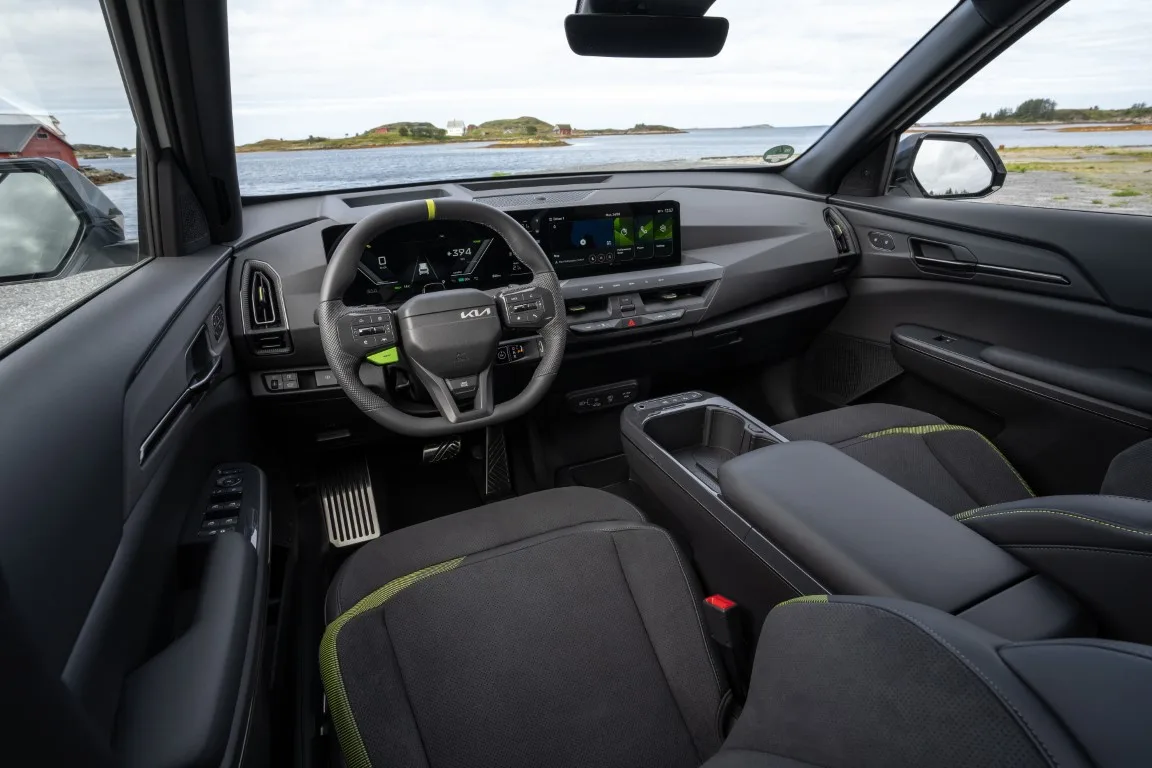
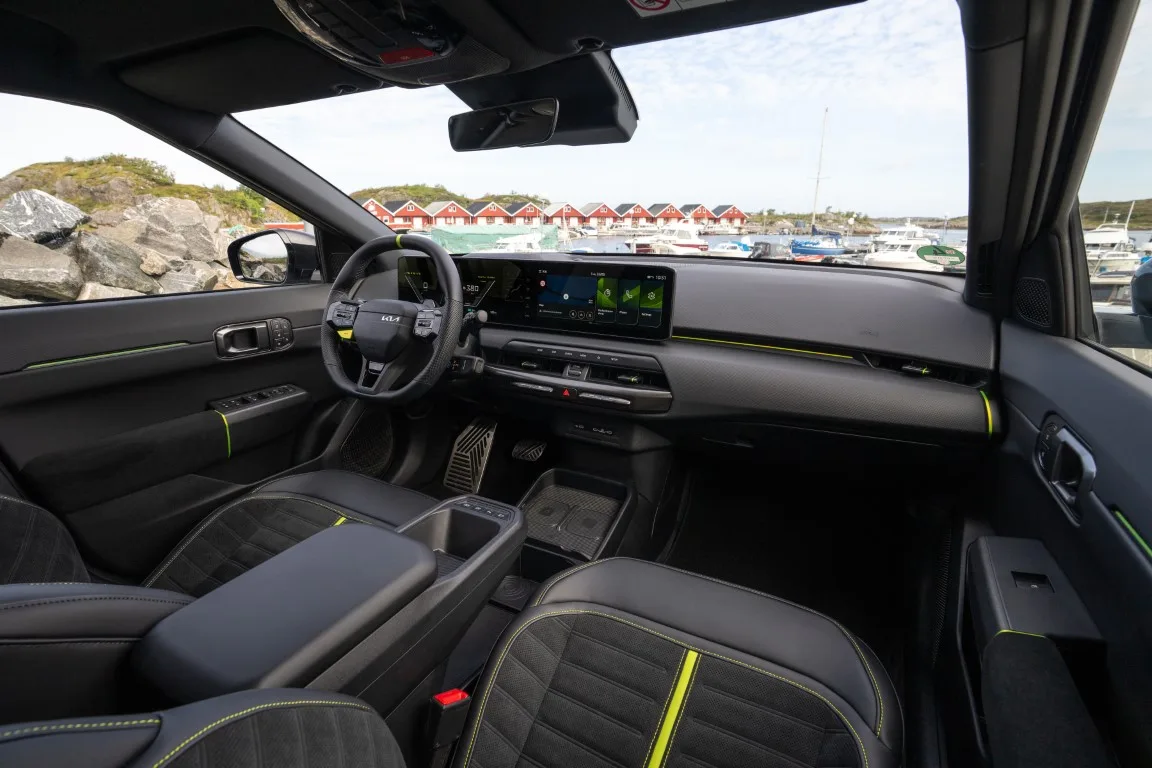
It also gets GT Mode, Electric Dynamic Torque Vectoring Control and Preview Electronic Controlled Suspension, which uses a forward-facing camera to read the road ahead and adjust damping. Semi-bucket sports seats, neon-green accents and a Harman Kardon audio system distinguish the cabin from the regular EV3.
Kia’s EV4 GT uses the same 215kW and 468Nm output but is marginally quicker, completing 0-100kph in 5.6 seconds. It is offered as either a hatchback or fastback.
Range reaches 505km WLTP for the hatchback and 537km for the fastback. Kia has also altered the accelerator mapping, with different responses across low, middle and high pedal travel to give the driver finer control over power delivery.

The EV5 GT sits at the other end of the new trio. The C-segment SUV produces 225kW and 480Nm from its dual-motor system, reaches 100kph in 6.2 seconds and uses an 81.4kWh battery. Kia quotes up to 476km of WLTP range and a 30-minute 10-80% DC charging time.
It also gains a Pet Mode that maintains the cabin temperature when an animal is briefly left inside. The system locks the doors, disables selected interior switches and alarms, and displays a message on the screen for passers-by.
Despite their different sizes, the three GTs share much of their hardware and software.
Electronically controlled suspension is fitted across the range, with Normal, Sport and GT settings altering damping and body control. Kia says firmer springs and revised anti-roll bars reduce roll, while the steering has also been retuned.

Virtual Gear Shift simulates stepped gear changes under acceleration and deceleration. Active Sound Design adds synthetic sound linked to speed, accelerator input and torque. Drivers who leave Virtual Gear Shift switched off still get a separate soundtrack, including a coasting sound when lifting off above 100kph.
There is also Launch Control, a Performance Timer and dedicated GT displays. Stability control offers three settings, while torque vectoring can distribute power to help the cars hold a controlled slip angle within the system’s safety limits.
The visual changes include 20-inch alloy wheels, neon-green brake callipers and accents, sports seats, a dedicated steering wheel and model-specific graphics.
Connected functions include in-car payment for services such as parking, an onboard Wi-Fi hotspot and over-the-air updates. Depending on market and subscription availability, occupants can also access services including Netflix, YouTube and Disney+.

The GT badge predates Kia’s EV push. Earlier applications included the Ceed GT, ProCeed GT and Stinger GT before the badge moved into the electric range with the EV6 GT and later the EV9 GT. The latest trio brings it into smaller, higher-volume EV segments.
Kia says the chassis development programme covered roads in Britain, Germany, Italy, Spain and Sweden, as well as hot- and cold-weather testing.
The three newcomers take Kia’s electric GT family to five models alongside the EV6 GT and EV9 GT. European pricing varies by country and was not included in Kia’s Europe-wide announcement.