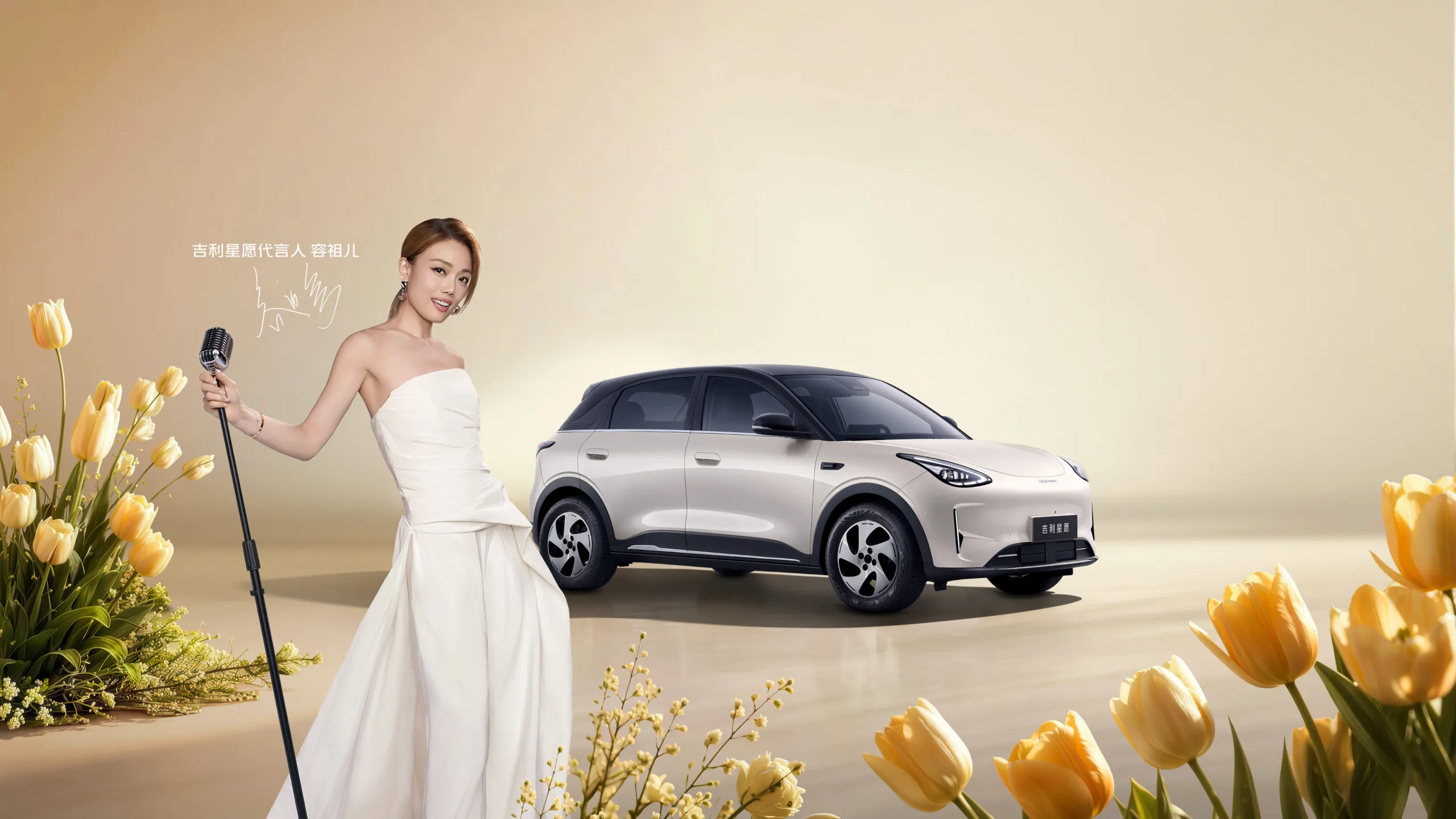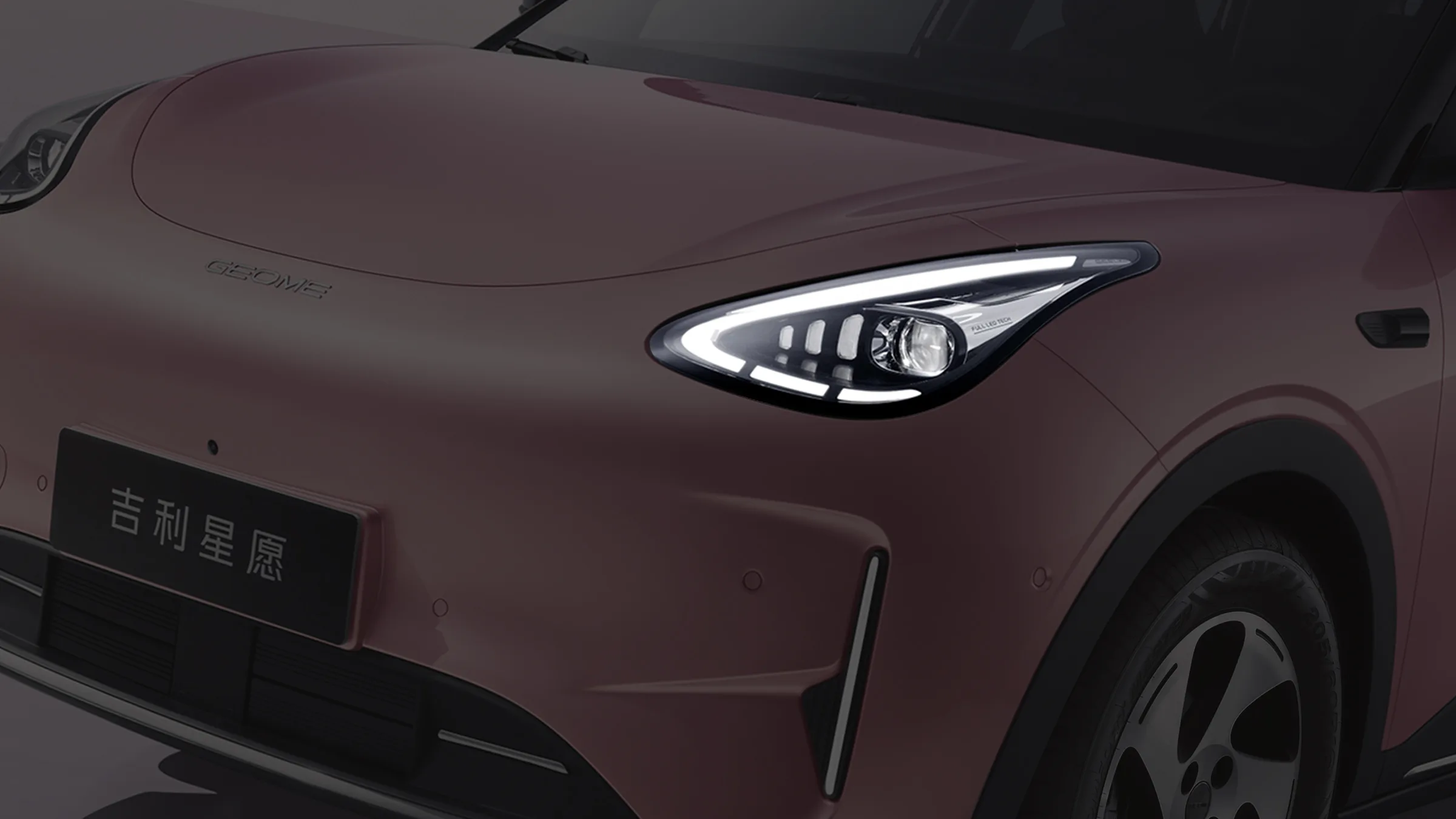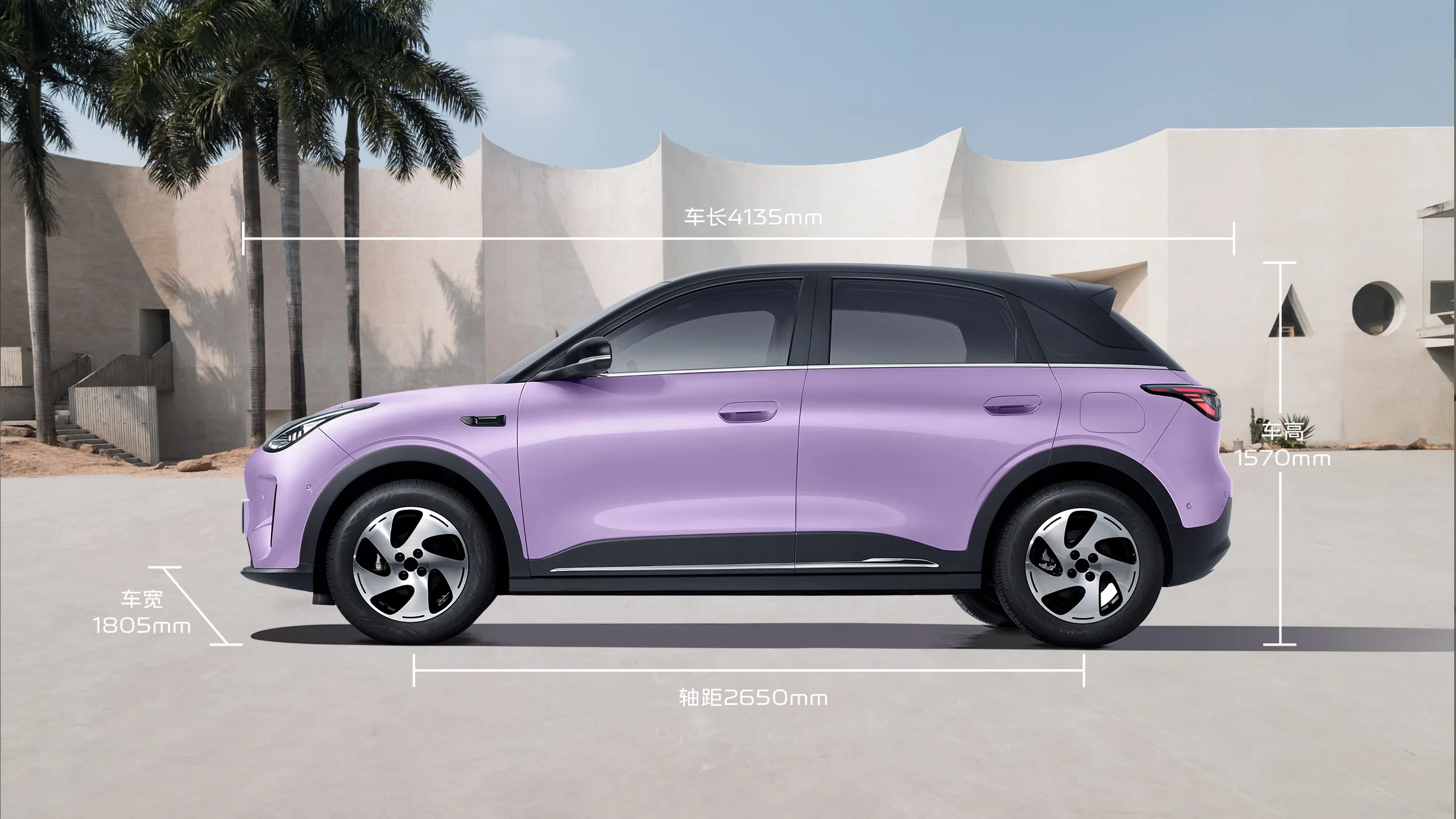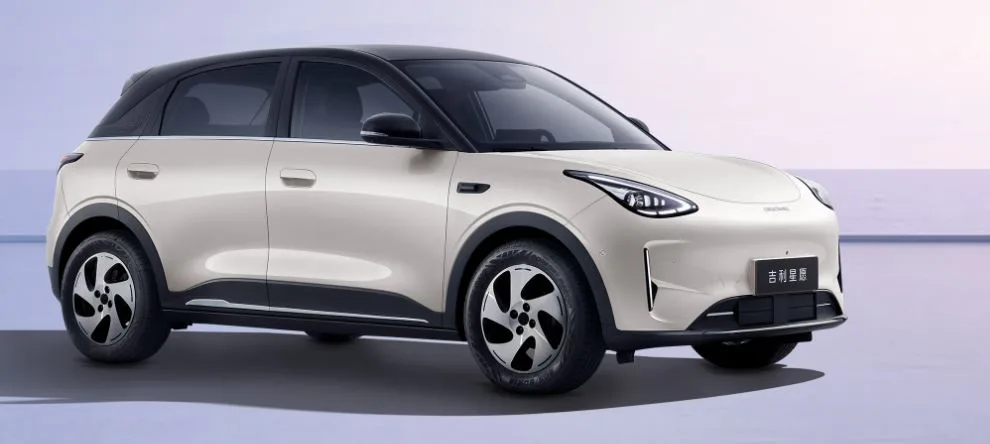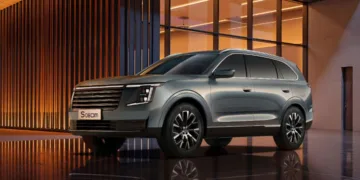






Geely has refreshed the Xingyuan in China, giving its best-selling small EV more range, more cabin storage and a stronger assisted-driving package.
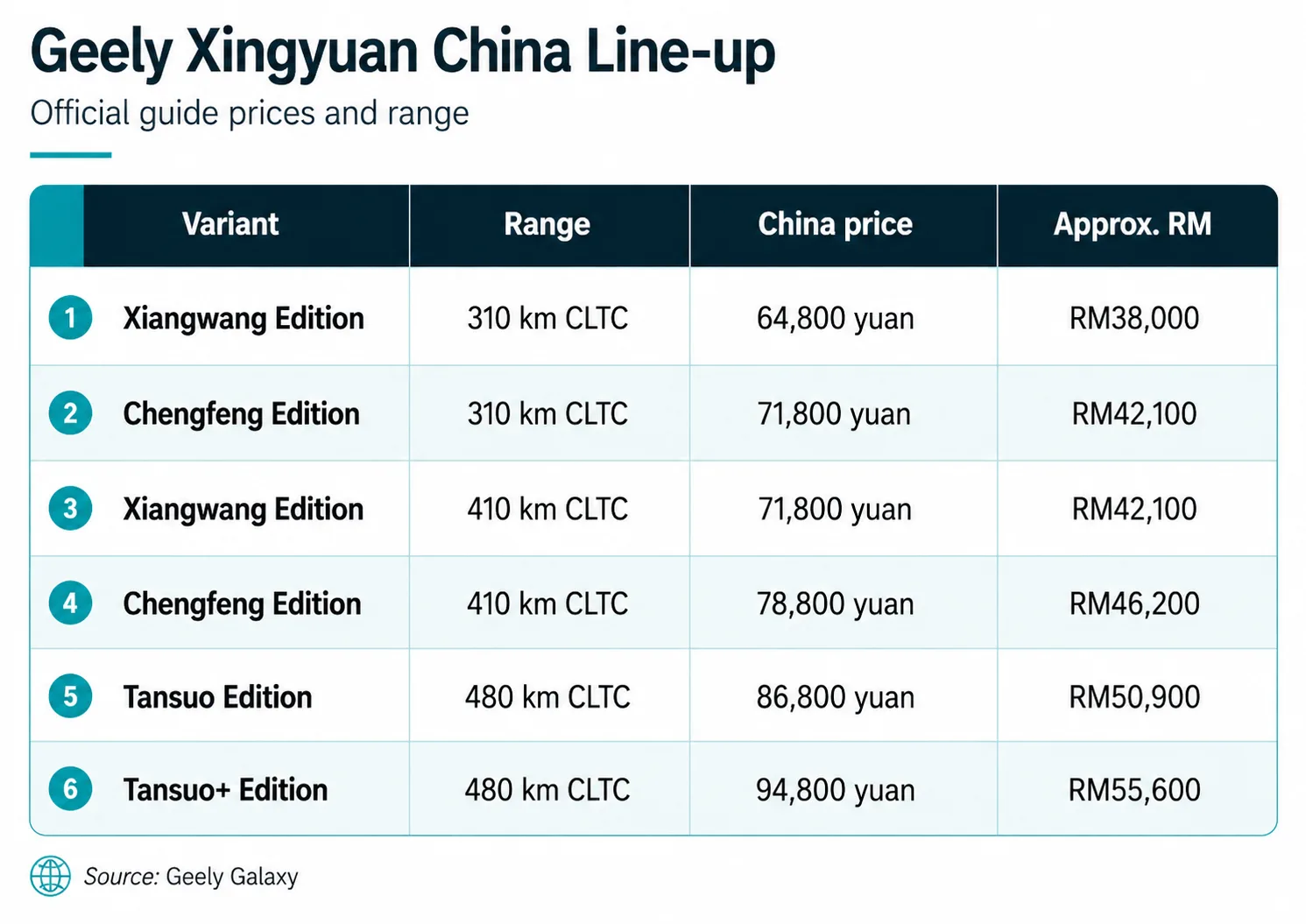
Launched today, the updated Xingyuan is still sold with 310km CLTC versions at the bottom of the range. The difference is that the line-up now stretches further, with 410km and 480km CLTC versions above them. That works out to about 248km, 328km and 384km on a WLTP-style estimate.
The car is sold in China as the Geely Xingyuan and is known in export markets as the Geely EX2.
Official China guide prices run from 64,800 yuan (RM38,000) to 94,800 yuan (RM55,600). The limited-time launch price is lower, from 61,800 yuan (RM36,300) to 91,800 yuan (RM53,900).
The retained 310km variants are important because Geely has not simply pushed the Xingyuan upmarket. It still starts as a budget electric hatchback, but the refreshed range now gives buyers who need more distance a higher ceiling.
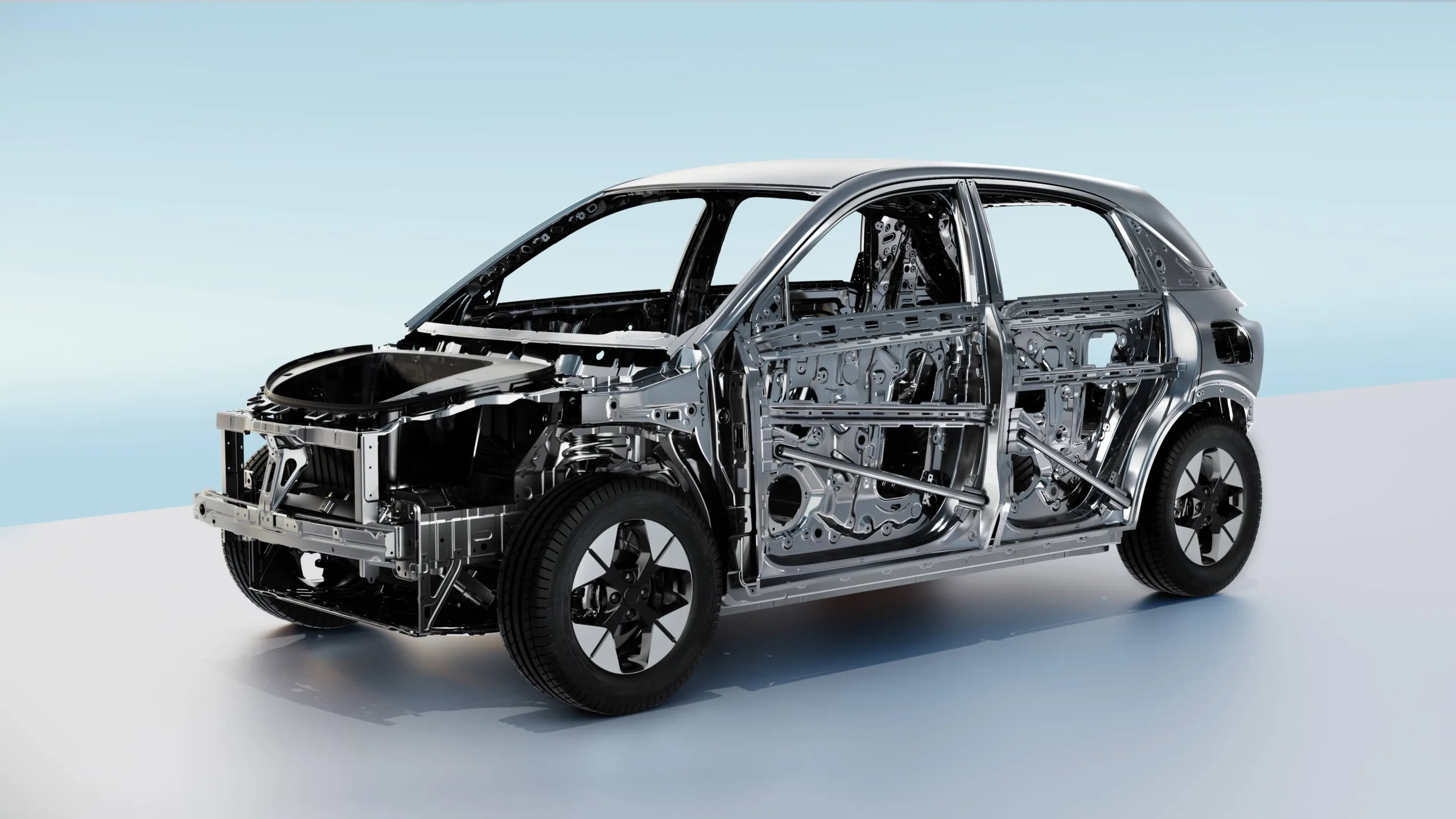
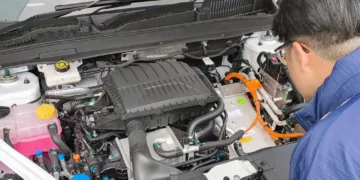
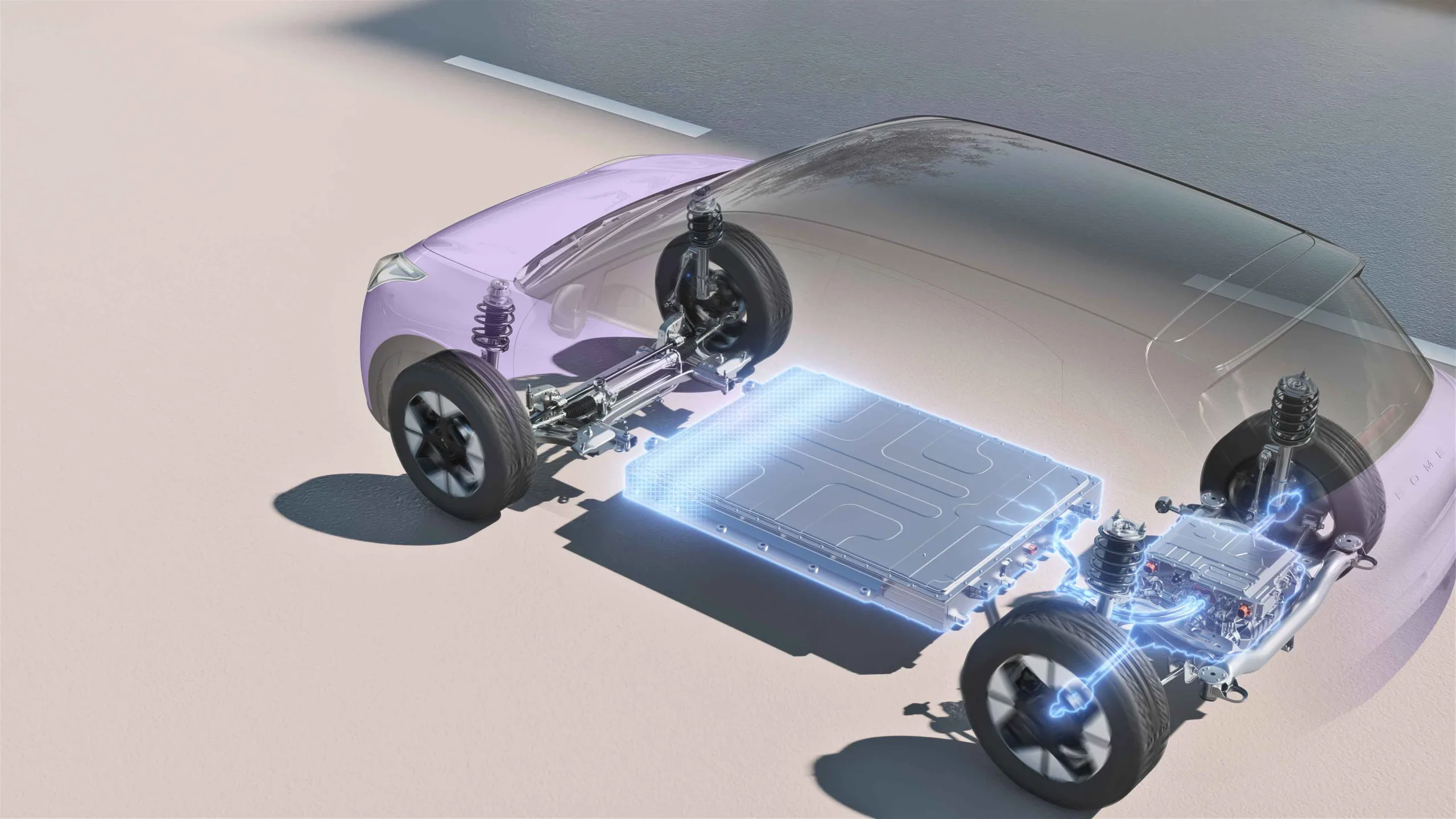
The mechanical base remains one of the car’s stronger points. The Xingyuan is still rear-wheel drive, with independent rear suspension, CATL cells, liquid-cooled battery packs and Geely’s 11-in-1 electric drive. Launch coverage lists 58 kW (79 PS) and 85 kW (116 PS) rear motor options, paired with 30.12 kWh, 40.16 kWh and 47.14 kWh battery packs.
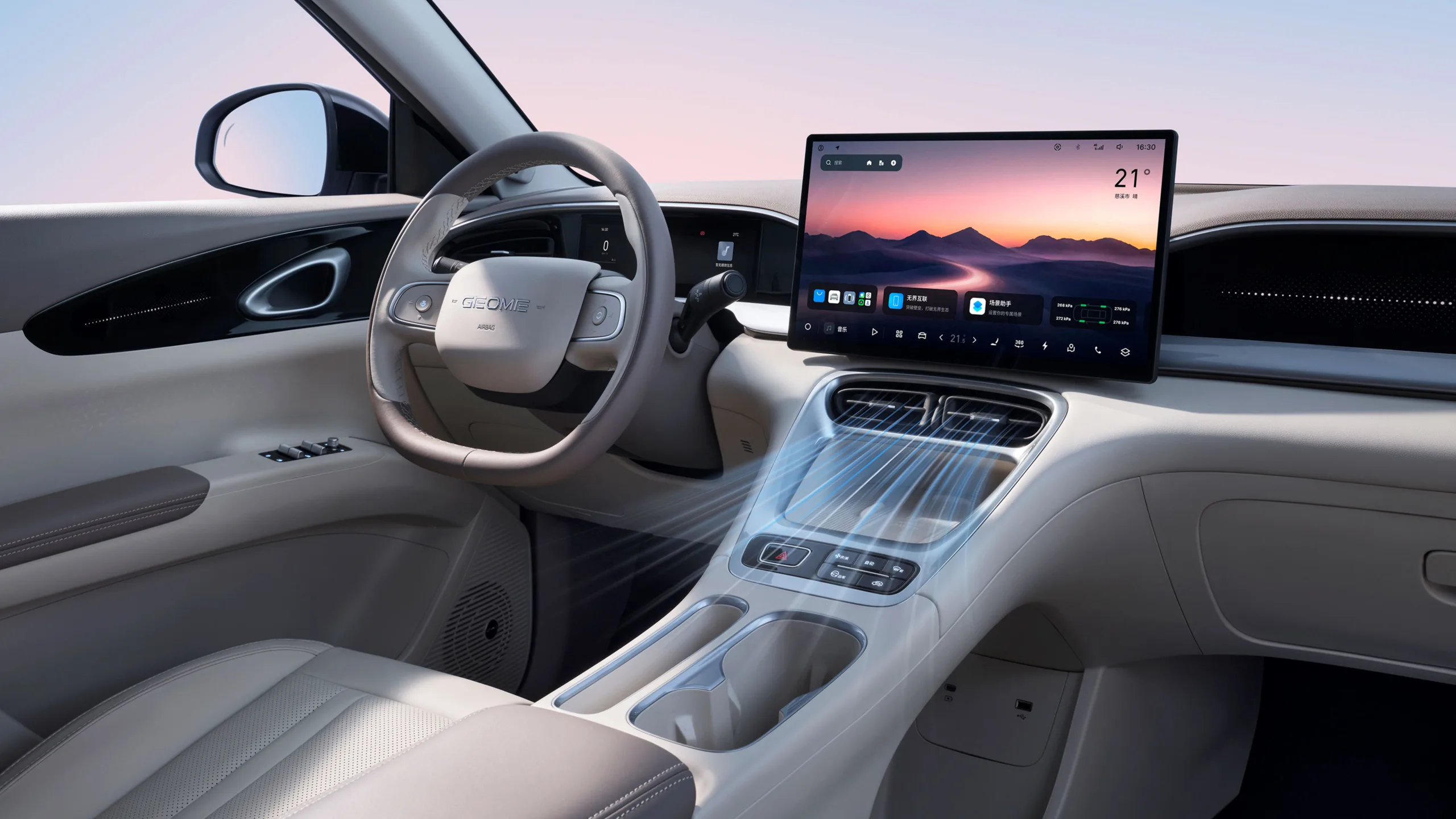
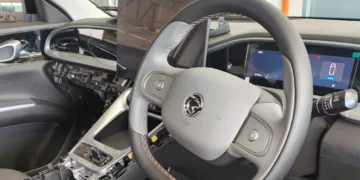
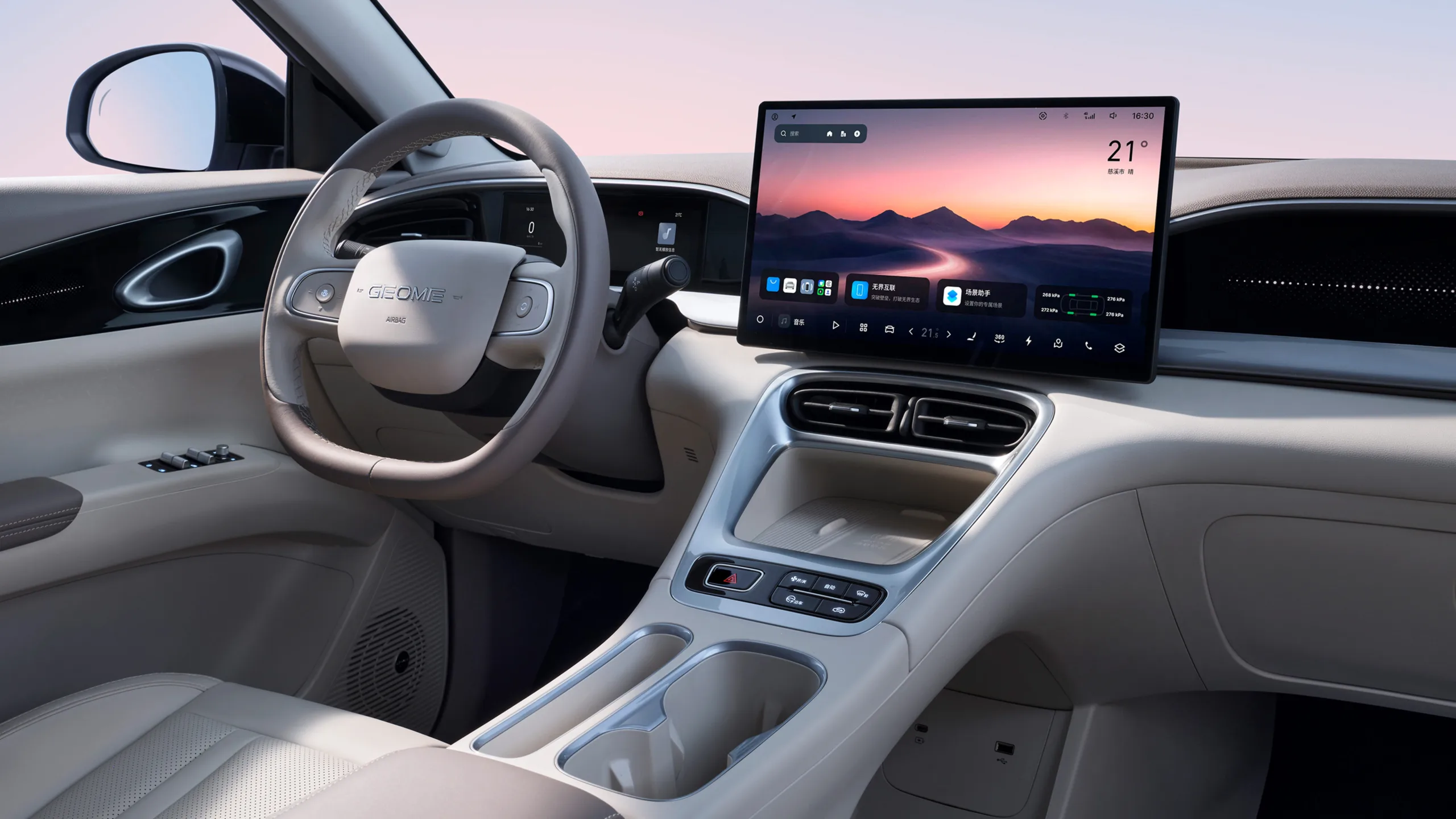
Geely has also changed the cabin layout. The gear shifter has moved from the centre console to a stalk behind the steering wheel, freeing up storage space around the lower console. That is a useful change in a small car, not just a styling tweak.
The assisted-driving hardware has moved up as well. Higher variants get Geely’s Qianli Haohan H3 package, with functions such as highway and elevated-road NOA, automatic parking, memory parking and remote parking. Chinese launch coverage also points to new side cameras on the front fenders, revised camera and radar placement on higher variants, 540-degree camera view and sentry mode.
Fast charging has also improved slightly, with a 30% to 80% top-up in 19 minutes, compared with about 21 minutes for the previous Xingyuan.
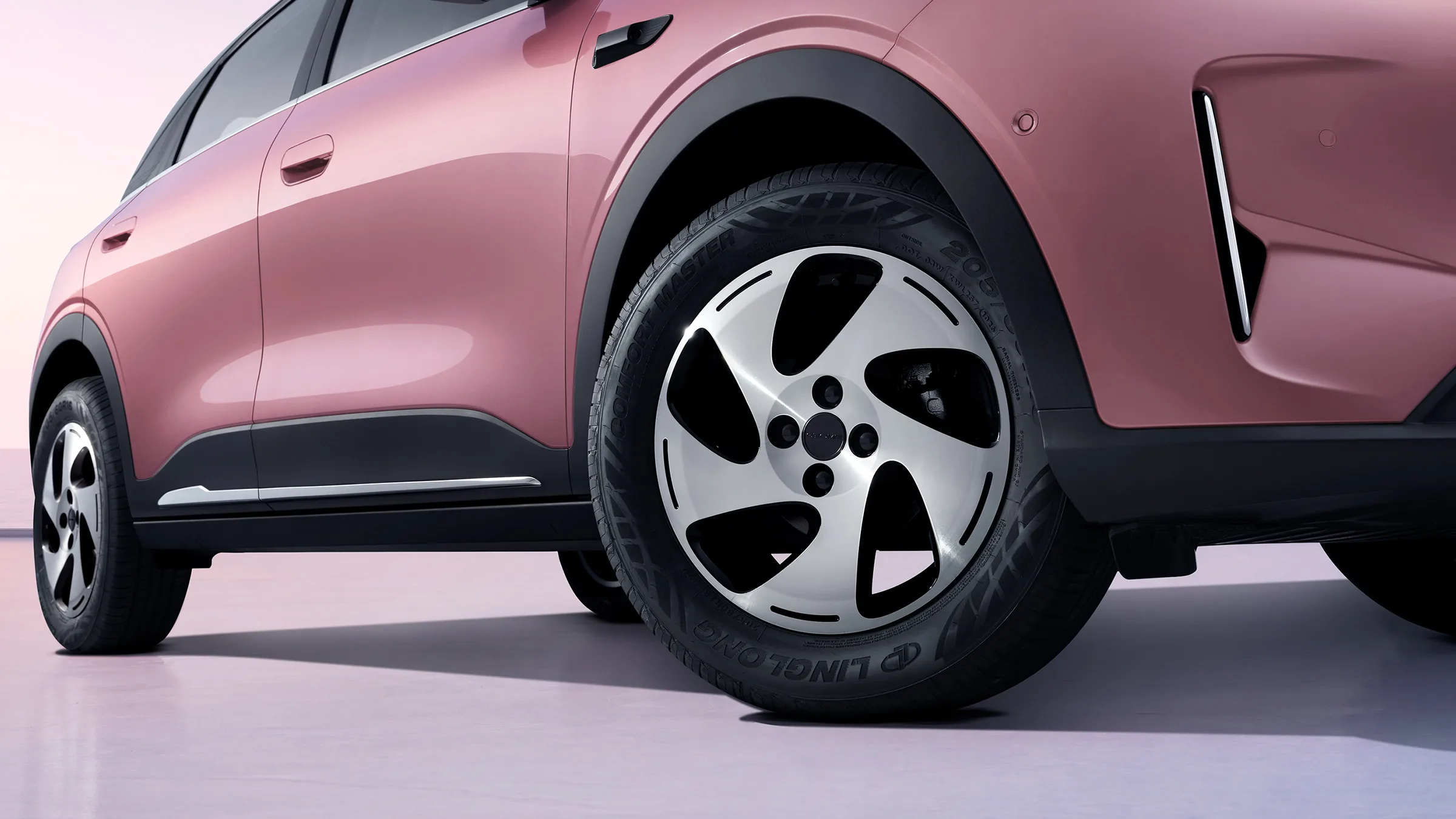
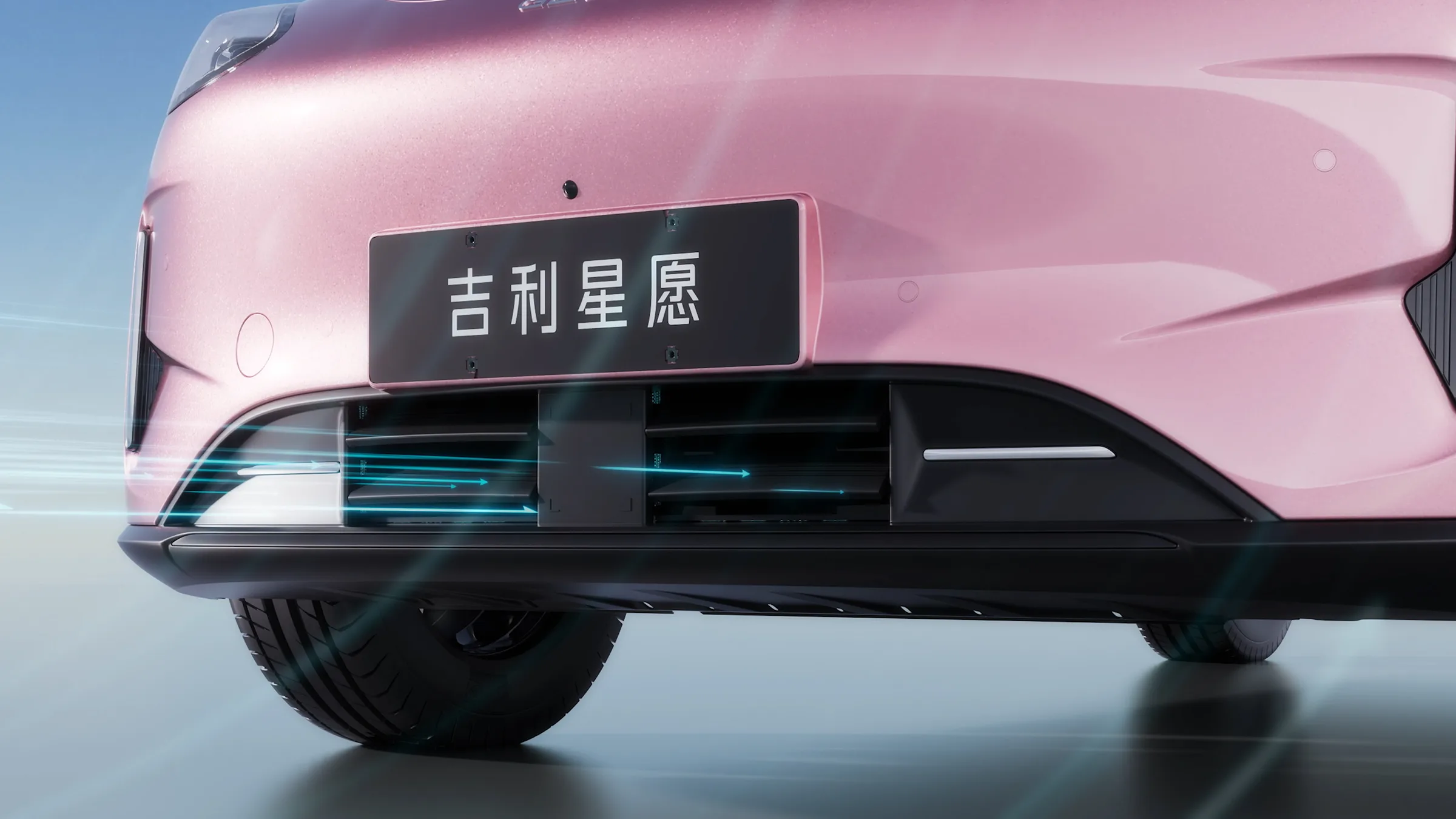
Other updates include Flyme Auto 2, a 14.6-inch centre screen, 50W wireless phone charging, automatic climate control, active grille shutters, new 16-inch low-drag wheels, ventilated front seats, ambient lighting and side curtain airbags, depending on version.
This is not a minor update to a low-volume EV. The Xingyuan was China’s best-selling car in 2025, so the range upgrade is important.
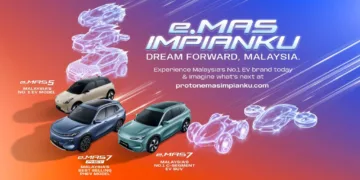
For Malaysia, the question is when, and in what specification, the refreshed Xingyuan hardware would reach the Proton e.MAS 5, whIch is based on the Geely model. Proton has yet to announce timing, and Geely itself notes that export-market models can differ by region.