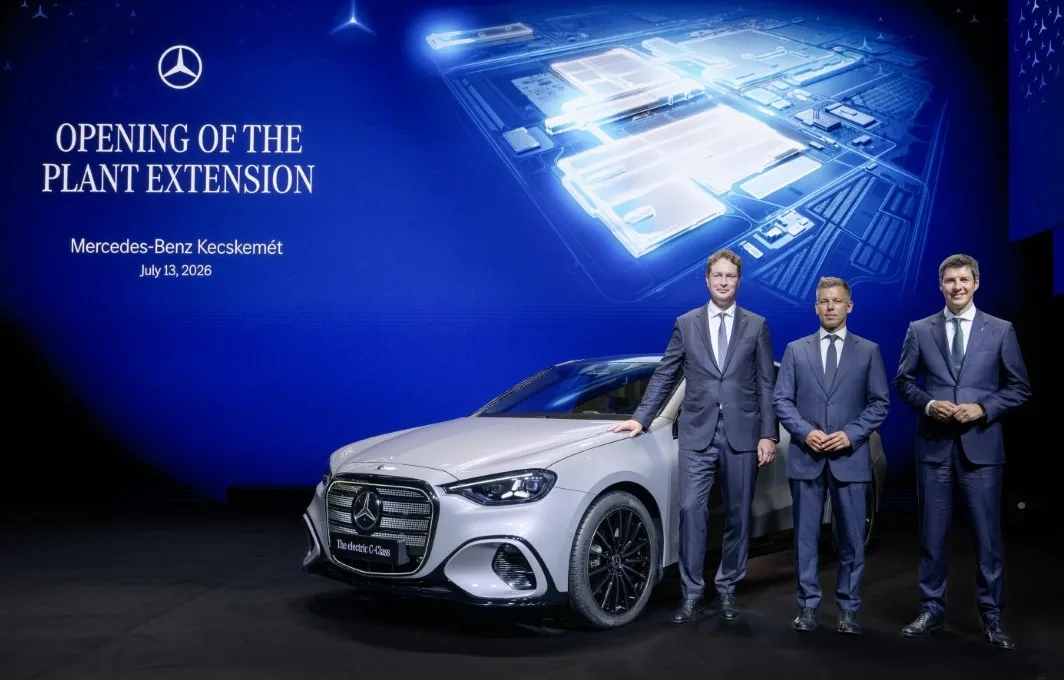







Mercedes-Benz has opened a major extension of its Kecskemét plant in Hungary, giving the site a bigger role in the company’s electric-car production network.
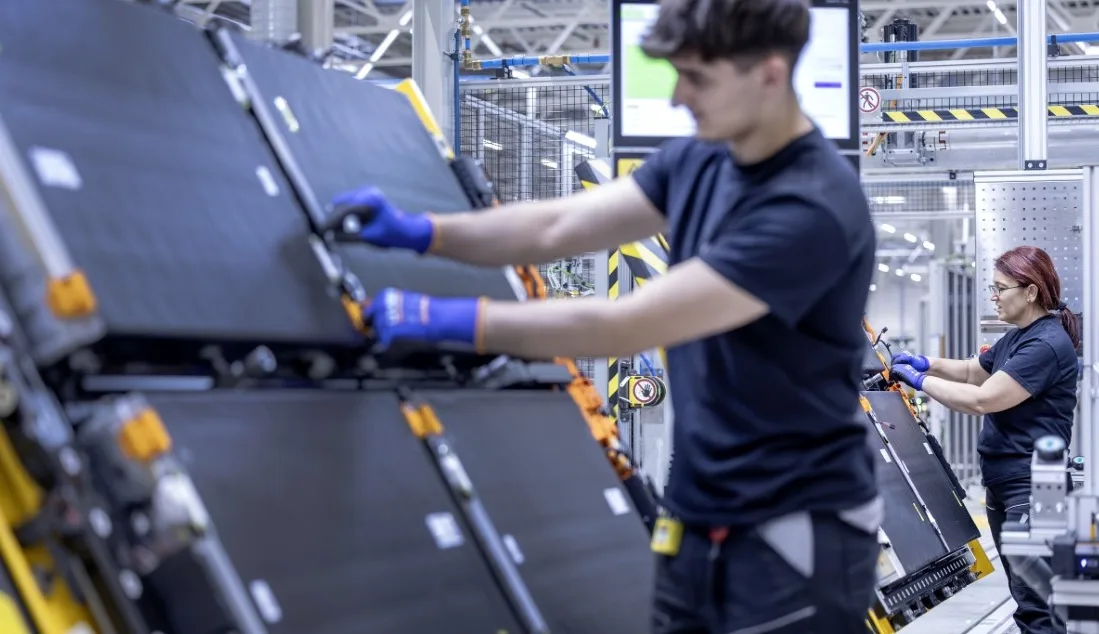
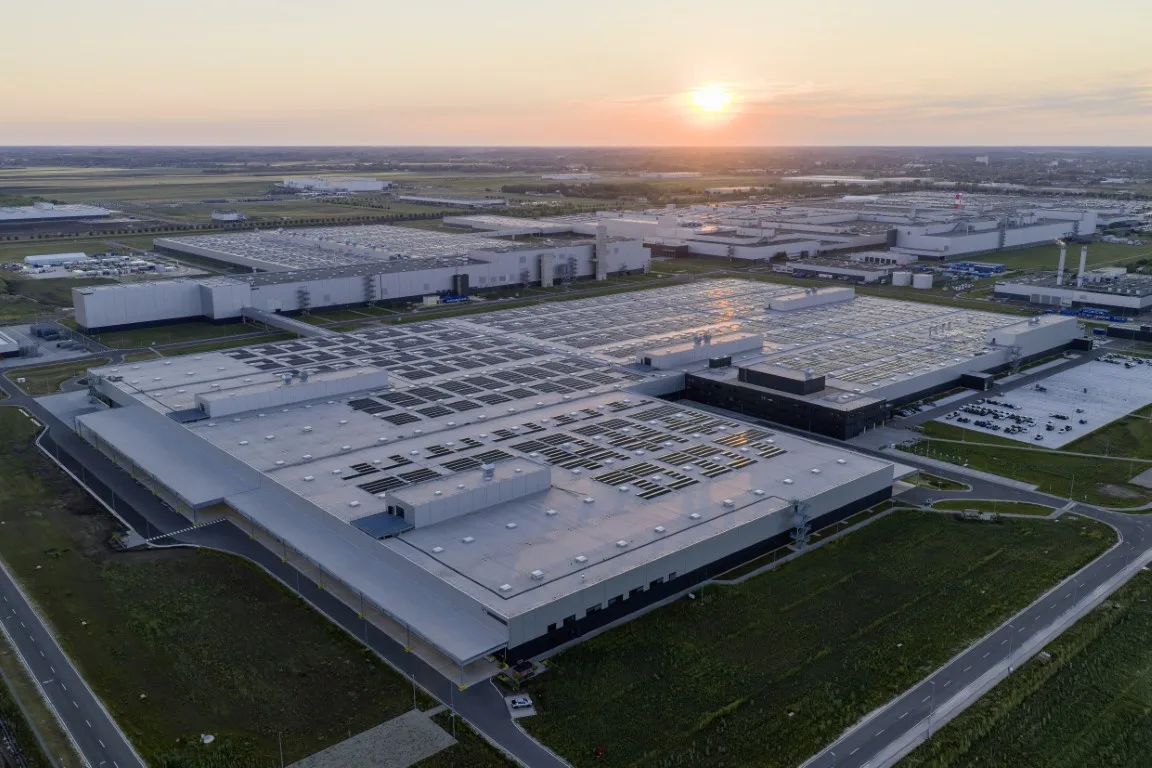
The expansion adds two new halls for bodywork and assembly, along with a second press shop, a new paint shop and a battery assembly facility. Mercedes-Benz said the plant’s footprint has grown from 200 hectares to 440 hectares, making Kecskemét the largest automotive production site in Hungary and one of the biggest in its global network.
The investment totals about €1 billion (RM4.66 billion) under the Mercedes-Benz Business Plan 2022-2026.
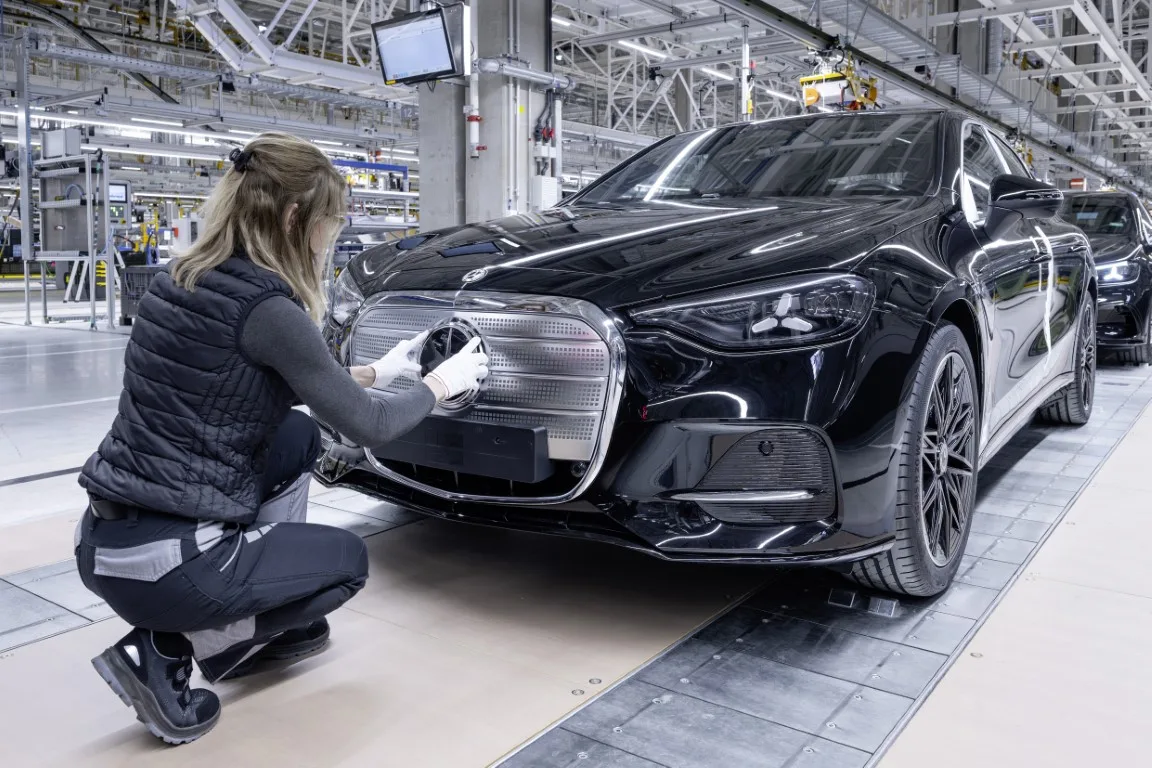
Kecskemét has also started production of the new all-electric C-Class. It is the first time the Hungarian plant is building a battery-electric core model, marking a larger step beyond compact cars.
The site will follow a mixed production strategy. In the existing hall, combustion-engined and battery-electric models can be built flexibly on one line. The new hall is geared towards fully electric vehicles. That gives Mercedes-Benz more room to adjust output as demand shifts.
The company is also pushing a “local-for-local” approach. Key parts, including body components and batteries for the electric GLB and electric C-Class, are produced on site. Shorter supply chains should help the plant react faster when the market moves.
Kecskemét will also be linked more closely with Mercedes-Benz’s German production network. The electric GLC, for example, will be able to be built in Bremen or Kecskemét depending on demand. The upcoming smaller G-Class will be made exclusively at Kecskemét, giving the Hungarian site another high-profile model.
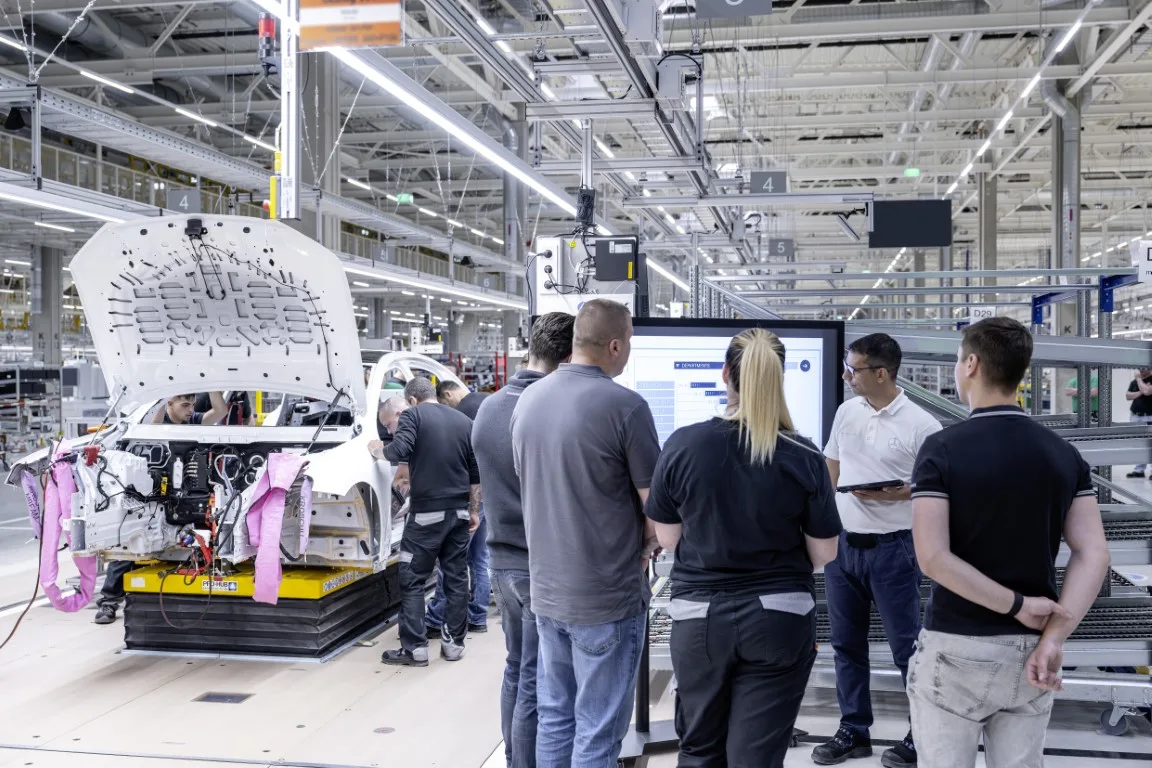
Mercedes-Benz is also using the plant as a showcase for digital production. Its MO360 production system links manufacturing, quality and supply chain data across sites. At Kecskemét, the company has also created a complete digital replica of an assembly hall using NVIDIA Omniverse.
That digital factory twin allows production steps to be simulated and tested before they reach the real line. Mercedes-Benz said the system helps reduce start-up risk and makes it easier to add new models and technologies.
Artificial intelligence is also being used in quality control. The MO360 Vision System uses camera-based checks to detect vehicle defects in real time, while AI-supported tools help staff analyse production data.
Sustainability is another part of the expansion. A 240,000-square-metre solar park with 27.4MWp capacity has been added west of the plant. Together with rooftop photovoltaic systems, total solar capacity reaches 42.3MWp, covering about a quarter of the site’s annual energy needs.
The new paint shop is also designed to use around 20% less energy than the existing facility and cut CO2 emissions by around 80%.
Kecskemét currently employs more than 5,000 people. Mercedes-Benz said it is investing in training, education links and childcare facilities to strengthen the site’s local base.