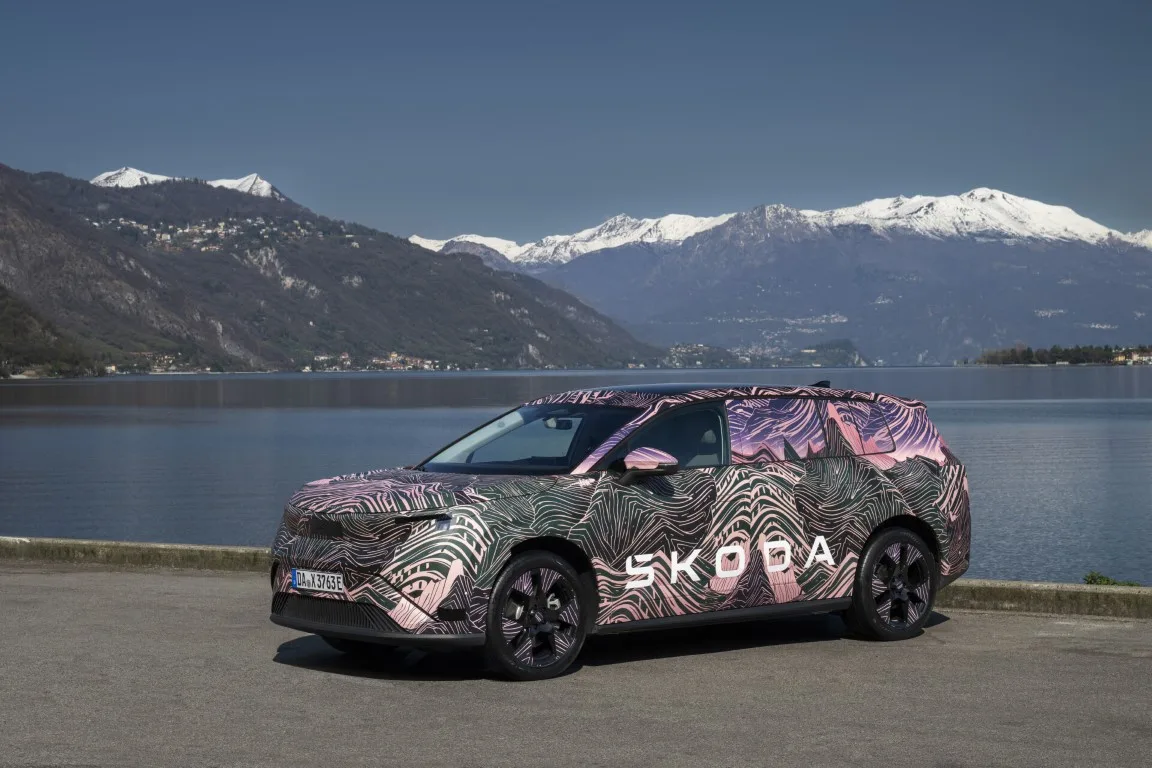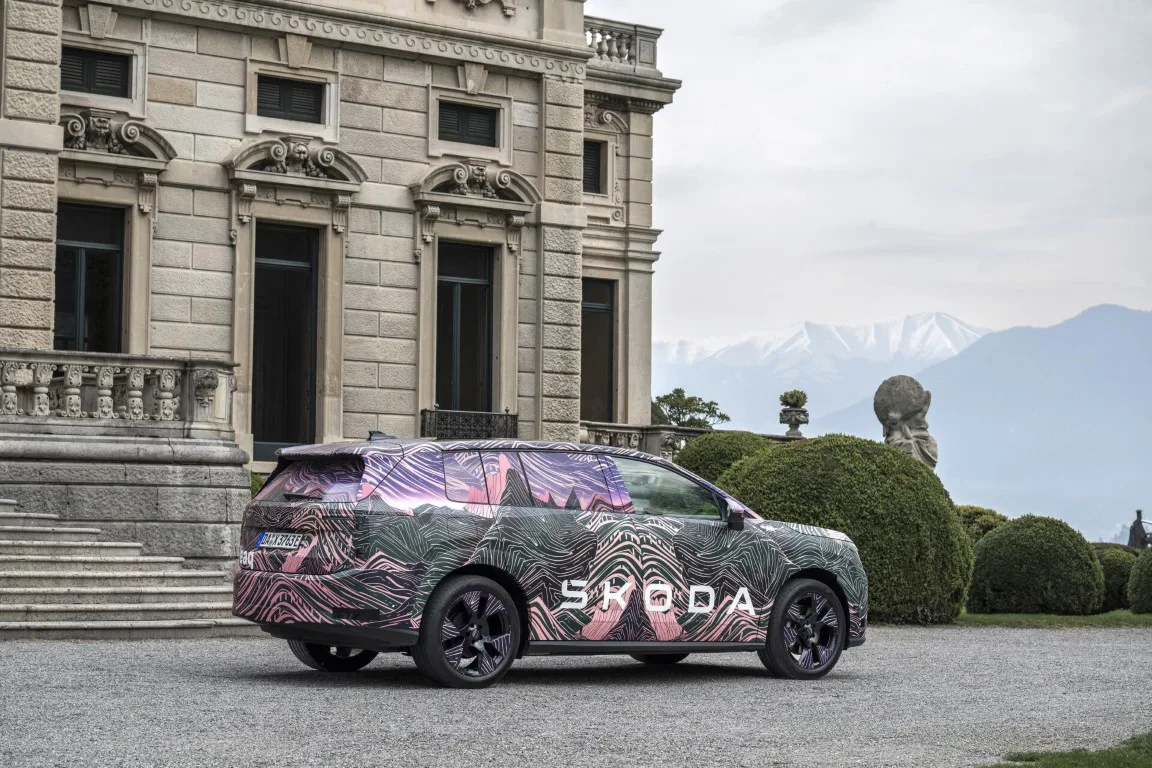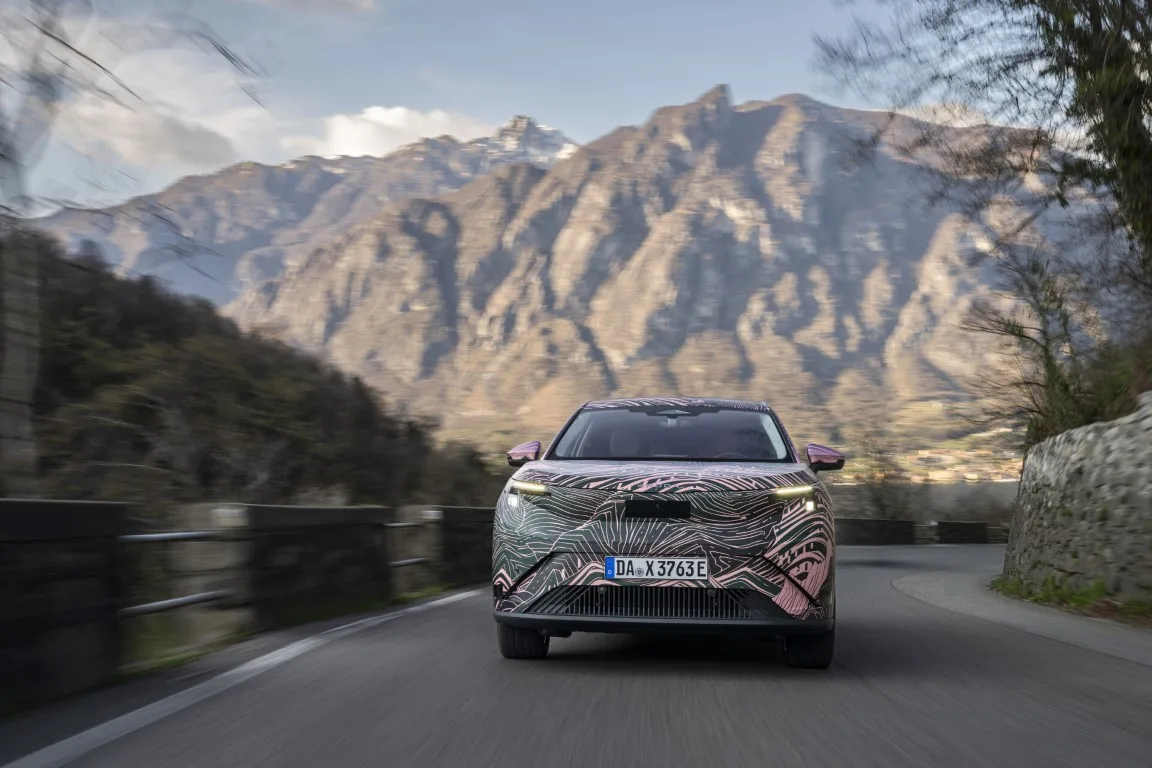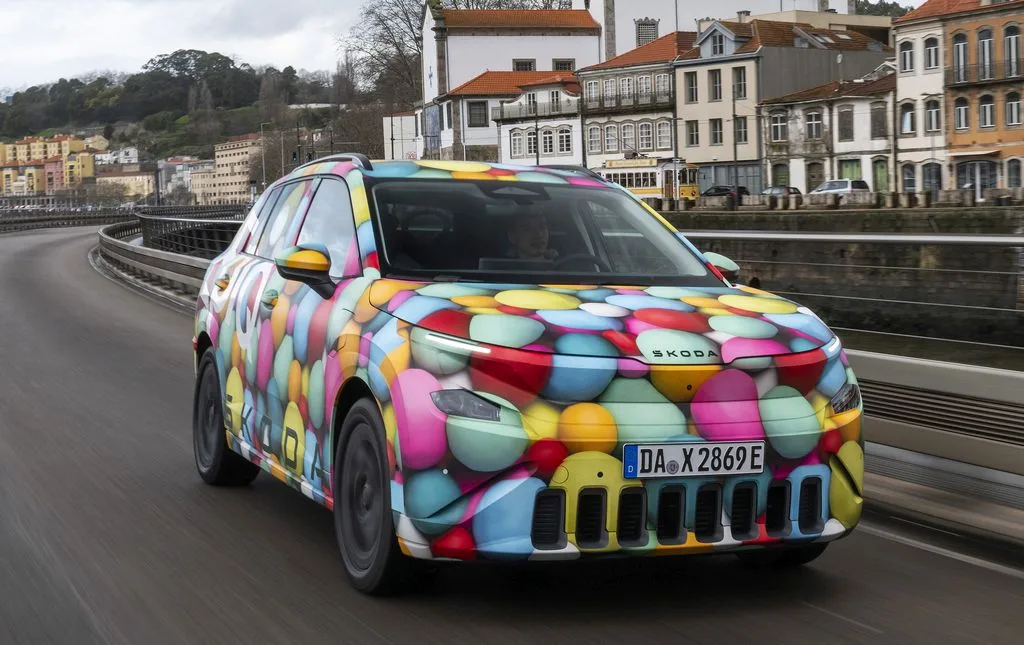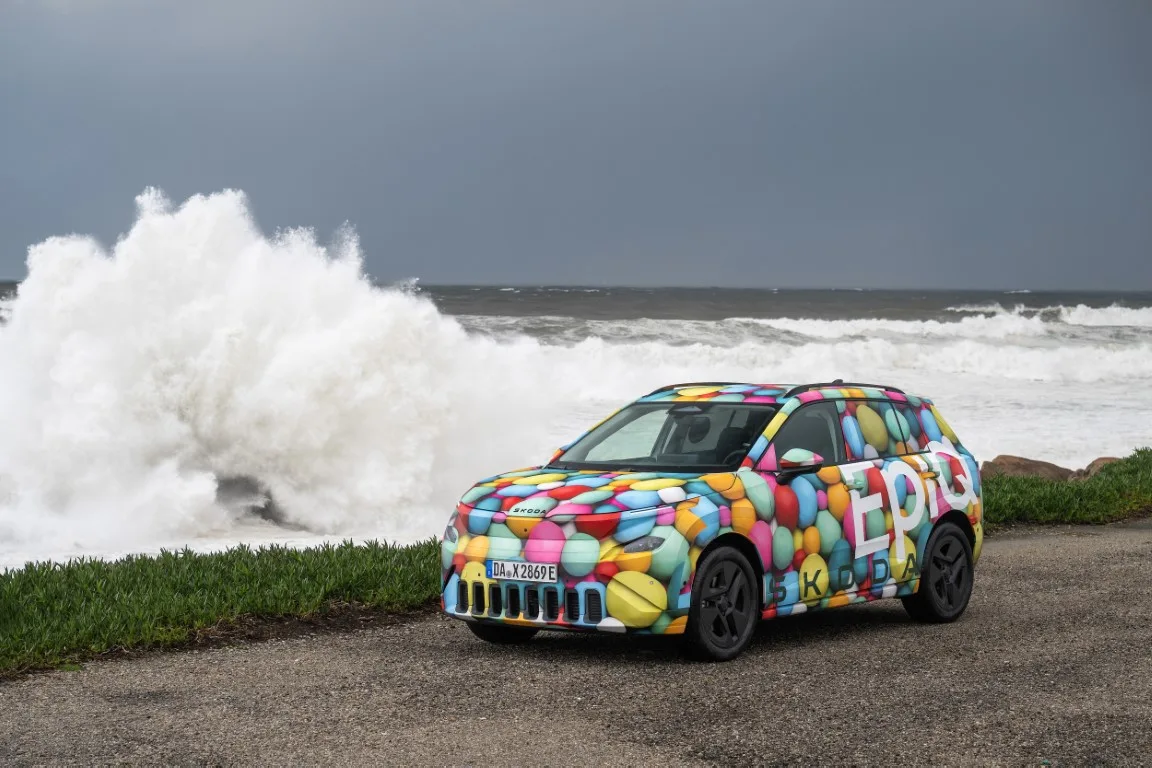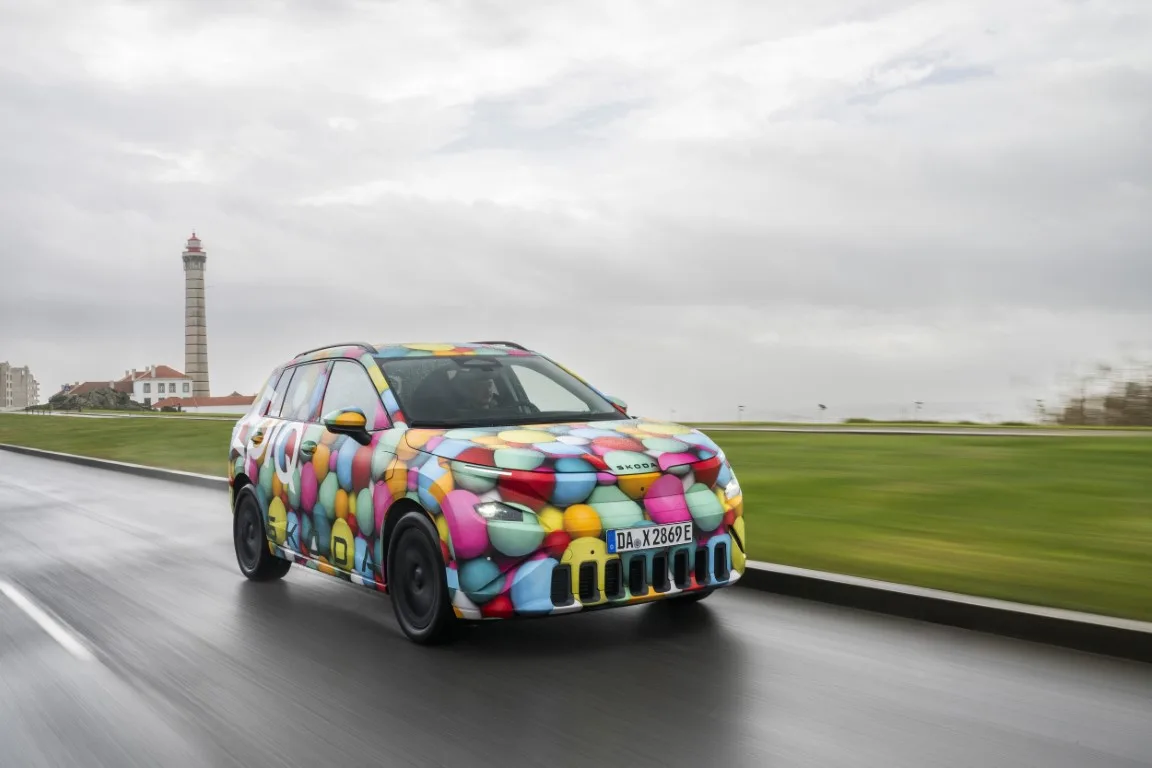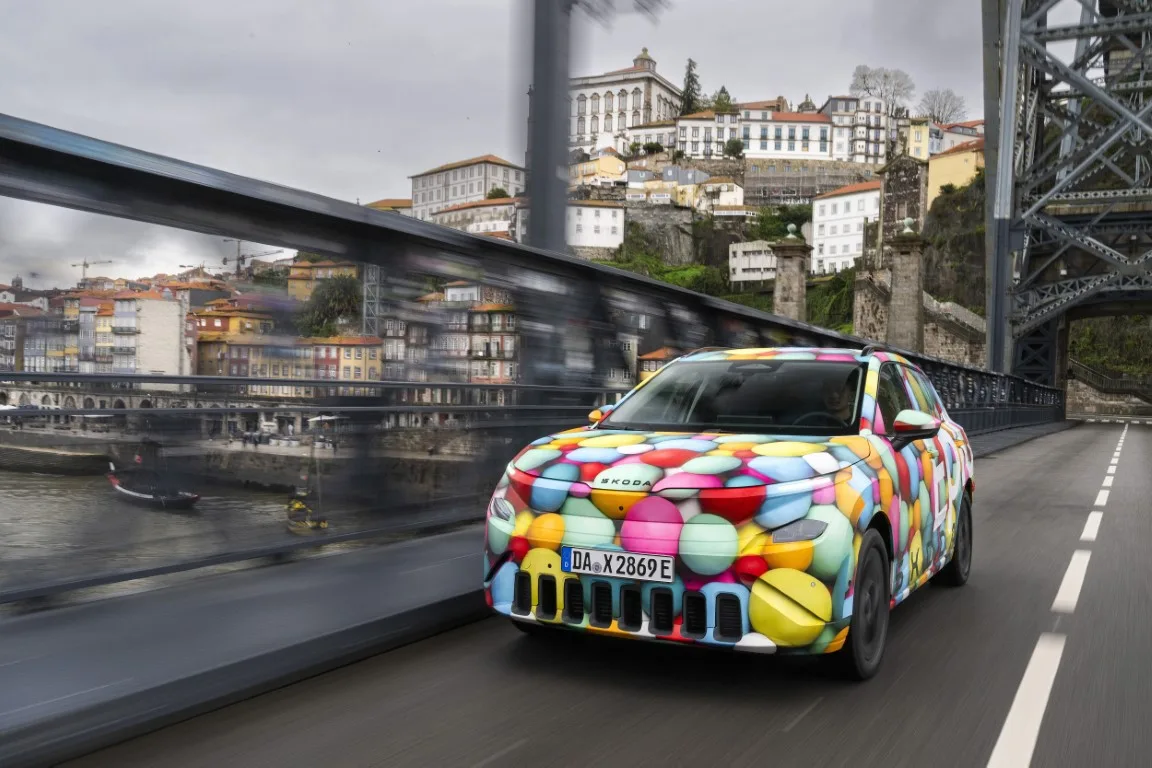


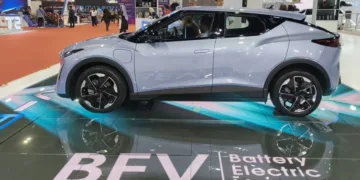
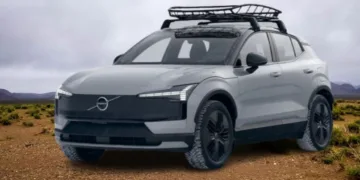






Škoda is preparing a two-pronged expansion of its electric range in 2026, led by the new Peaq at the top end and followed by the smaller Epiq lower down the ladder.
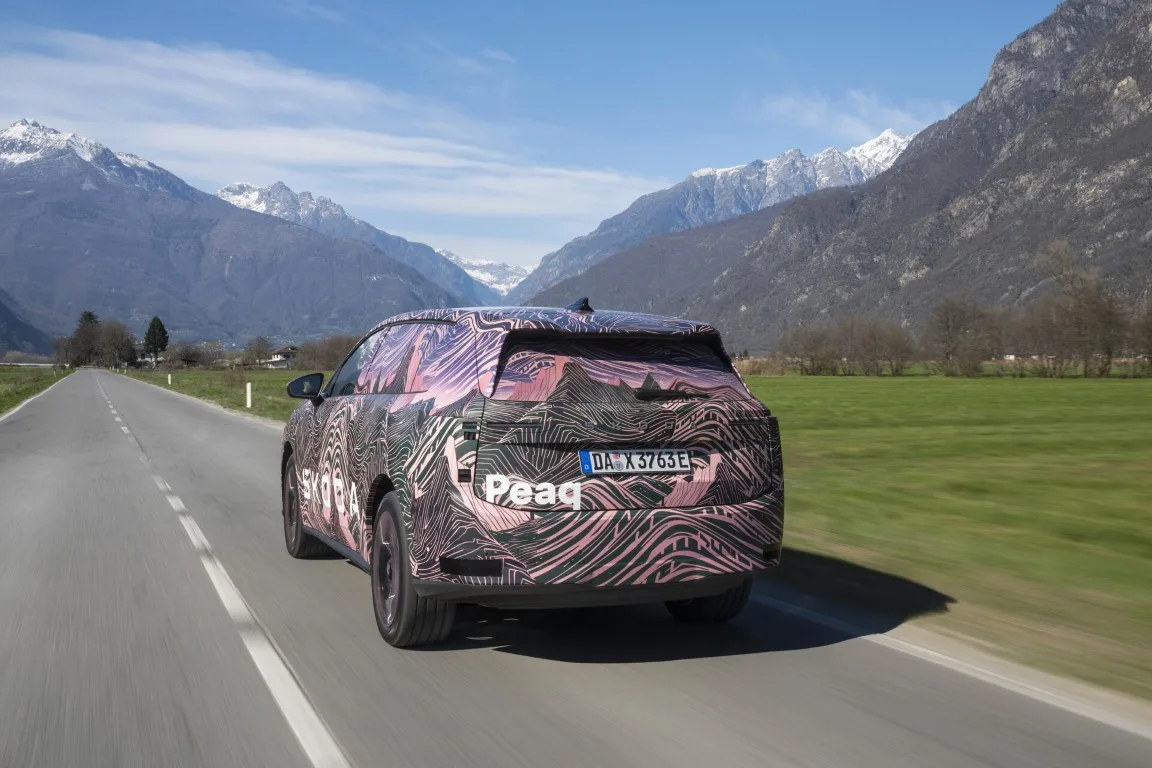
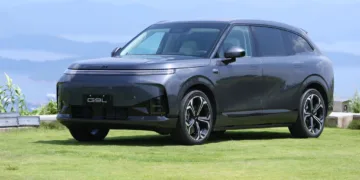
The Peaq is the bigger headline here. It is due in mid-2026 as Škoda’s new electric flagship, and it looks set to become the Czech brand’s largest and roomiest production model yet.
Based on the Vision 7S concept and built on Volkswagen Group’s MEB architecture in Mladá Boleslav, the seven-seat SUV is aimed squarely at buyers who want family-sized practicality without stepping away from the EV brief.
Škoda said the Peaq measures nearly 4.9 metres long, offers space for seven adults, and delivers more than 600km of range in its higher-spec versions.
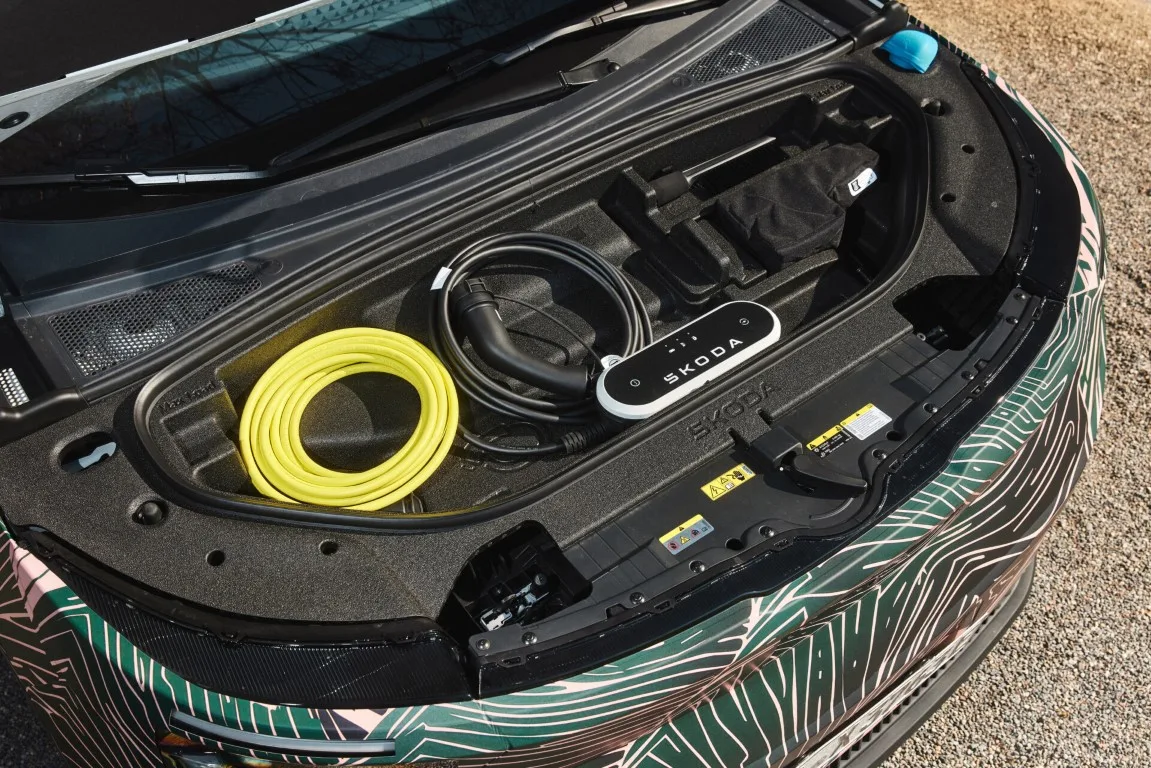
The Peaq is not just another electric SUV. It is meant to stretch the brand upward. Boot space reaches 890 litres with the third row folded, and there is also a 37-litre frunk.
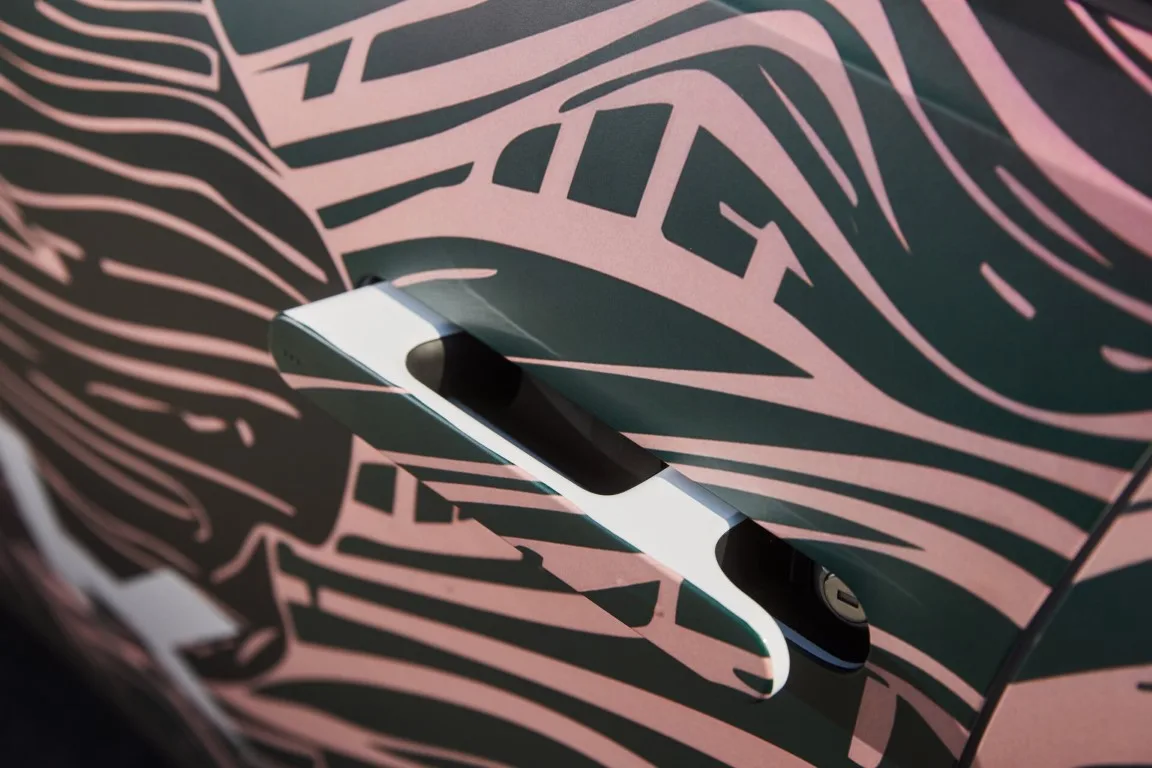
Škoda is also loading it with a few firsts for the marque, including flush door handles, an electrochromic panoramic roof, a new Android-based infotainment system and a Sonos-developed premium audio setup.
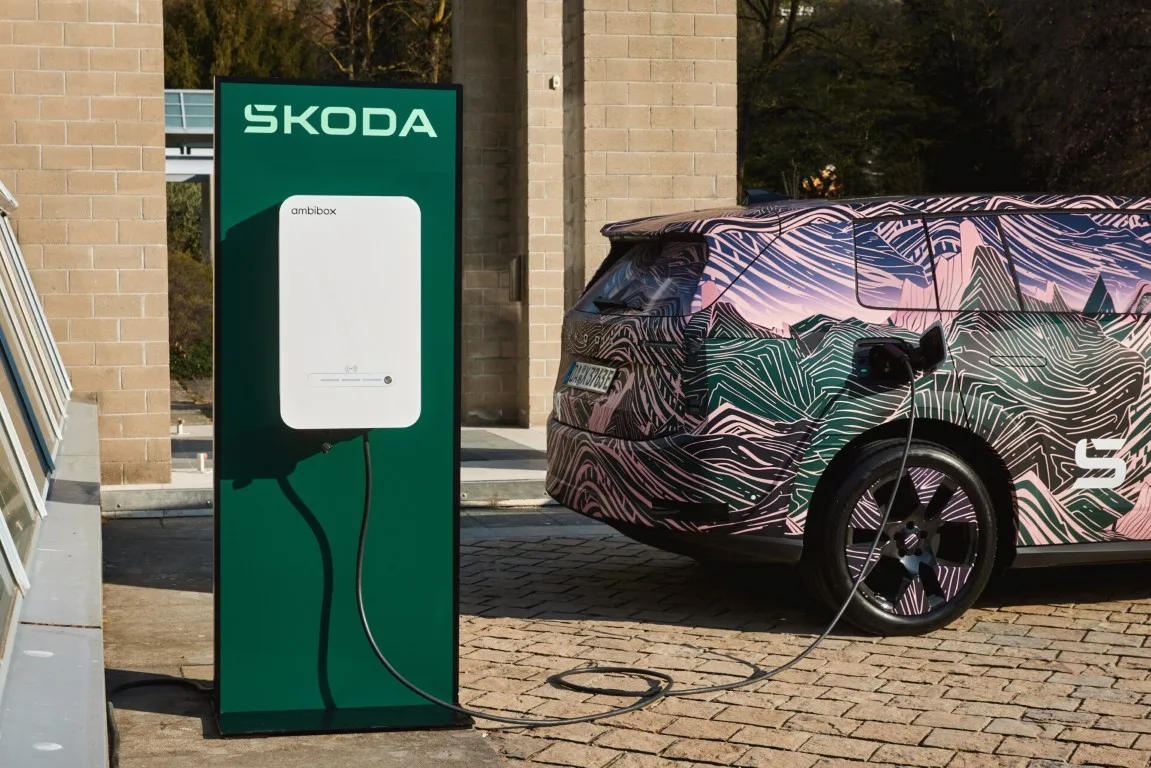
Powertrain choices run from 150kW to 220kW, with the all-wheel-drive 90x claimed to do 0-100kph in 6.7 seconds. DC charging from 10 to 80 per cent is quoted at 27 to 28 minutes depending on variant.
Then comes the Epiq, which serves a rather different job.
If the Peaq is the family flagship, the Epiq is the accessible entry point.
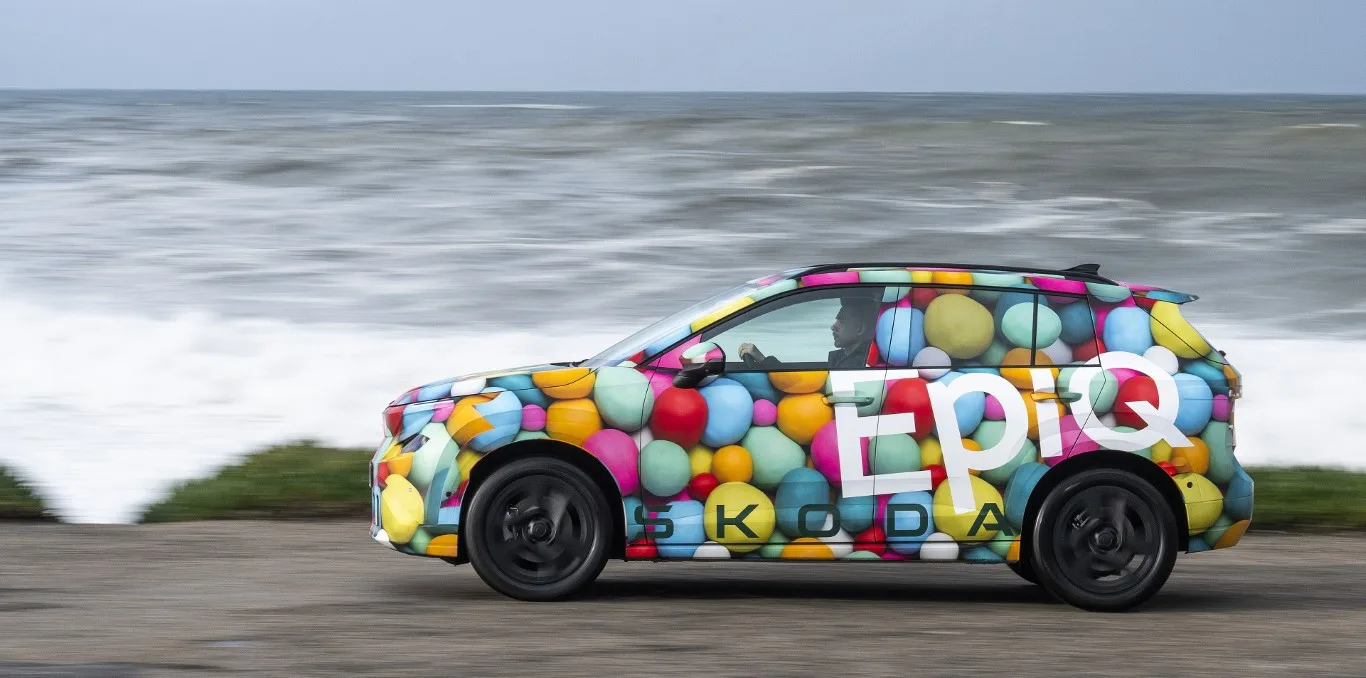
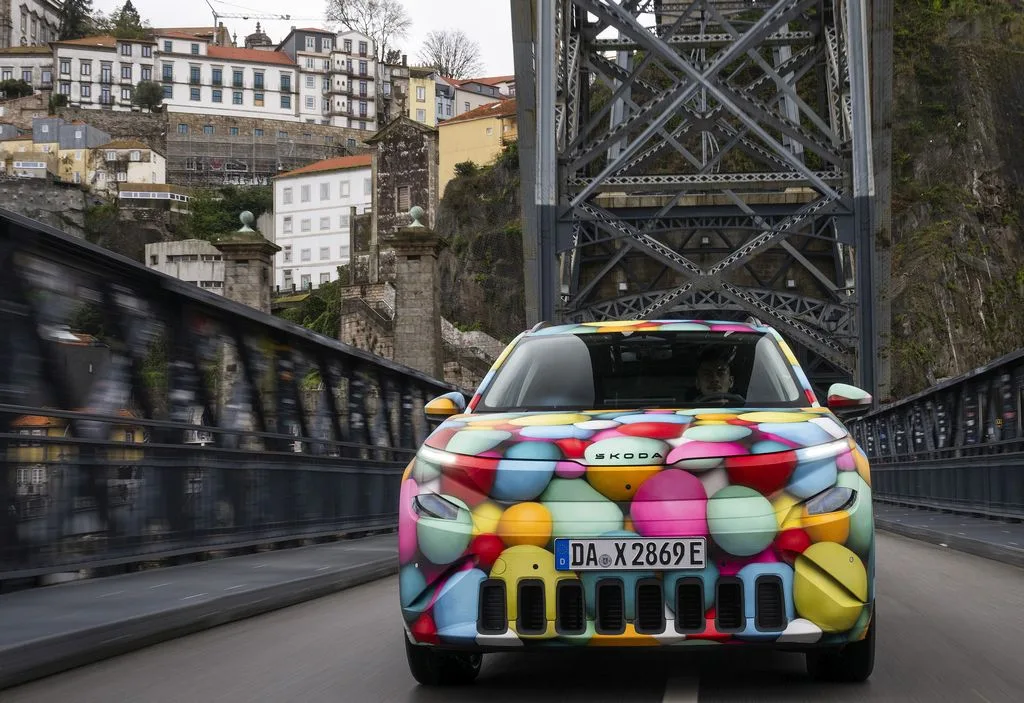
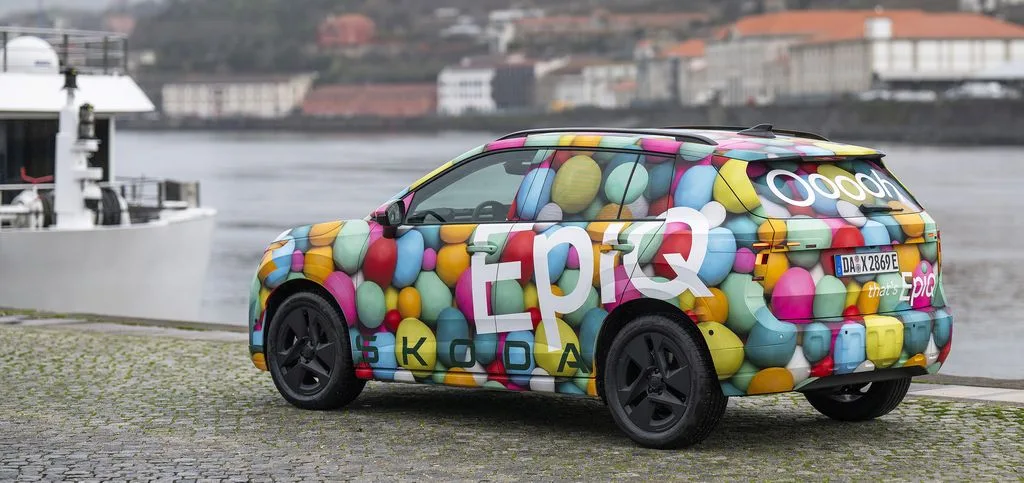
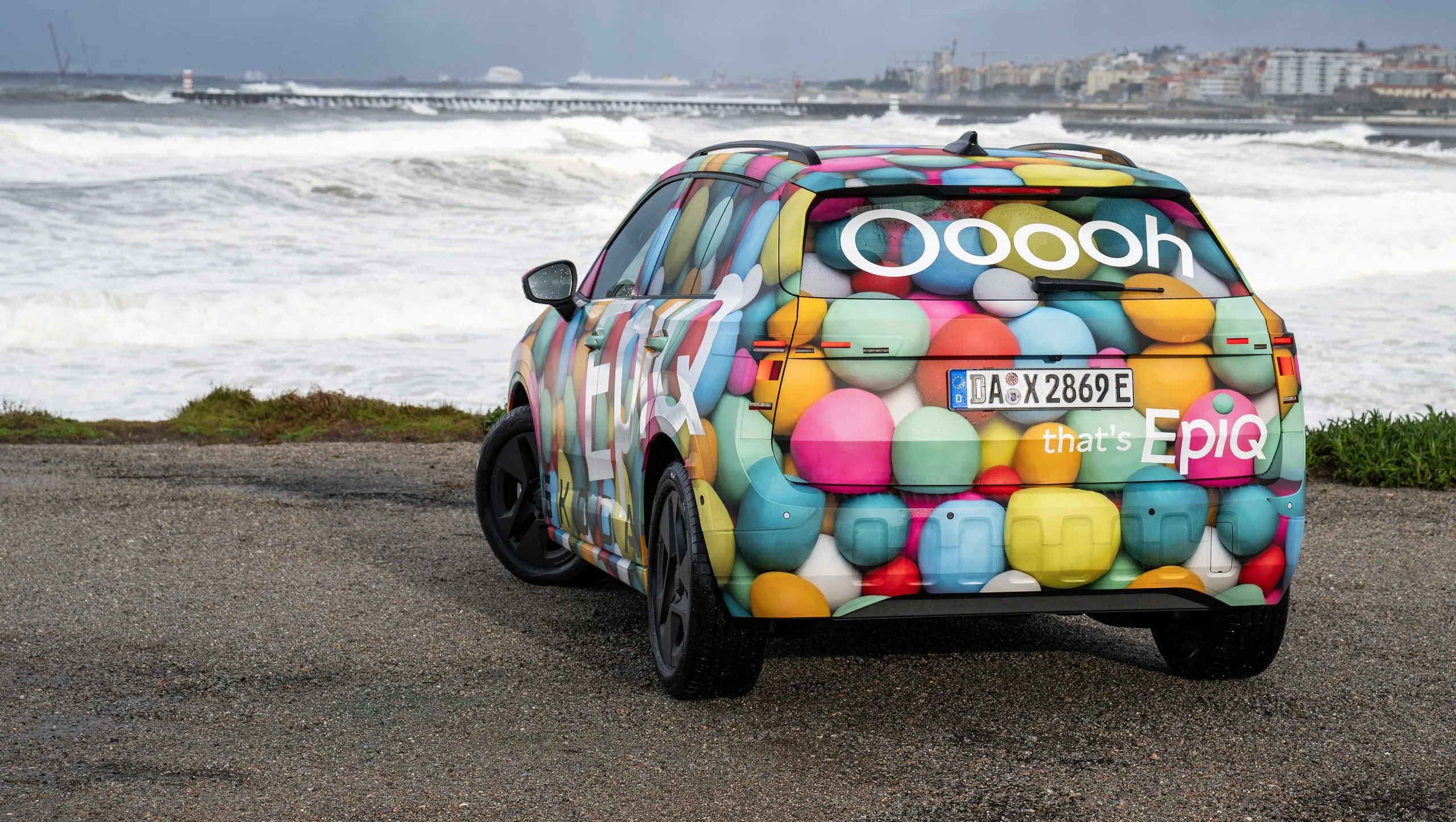
Škoda positions it as a compact city SUV crossover and said it will be its smallest battery-electric model, aimed at making EV ownership less intimidating on price and size.
The production version is due for its global unveiling in mid-2026. It sits on the front-wheel-drive MEB+ platform, offers up to 430km of range, and in top Epiq 55 form supports DC charging of up to 133kW depending, with a 10 to 80 per cent charge time of 23 minutes.
Škoda said the Epiq is around 4.1 metres long, yet still manages a 475-litre boot, which is large for this class. Outputs span 85kW, 99kW and 155kW, while battery choices include a 38.5kWh LFP pack and a larger 55kWh NMC unit.
Like the Peaq, it introduces the brand’s newer Modern Solid design language, though here it is wrapped in a more urban, simpler package.
The two electric models show what Škoda is trying to do next.
The Peaq widens the brand’s reach at the upper end with a large, seven-seat electric SUV, while the Epiq goes after buyers who want something smaller and more attainable.
In other words, one stretches the range upward, the other fills in the bottom rung.