





Alfa Romeo has become the latest carmaker to push back against oversized dashboard screens, joining a growing industry movement towards simpler interiors and physical controls.
But its criticism goes beyond the usability of touchscreens. The Italian brand is questioning why increasingly large displays should dictate the design of a car’s entire dashboard.
In an interview with British publication Autocar, Alfa Romeo design chief Alejandro Mesonero-Romanos criticised the industry’s race to install ever-larger displays.
He described the competition as a “war of centimetres”, arguing that screens were increasingly restricting designers’ freedom to create distinctive interiors.
His comments follow moves by Volkswagen and Hyundai to restore physical buttons and switches for frequently used functions after criticism of touchscreen-heavy interiors.
Mercedes-Benz has also committed to bringing back physical controls, although it continues to favour large displays.
The shift towards physical controls has gained support from Euro NCAP, whose 2026 safety assessment rewards vehicles with accessible physical controls for essential driving functions.
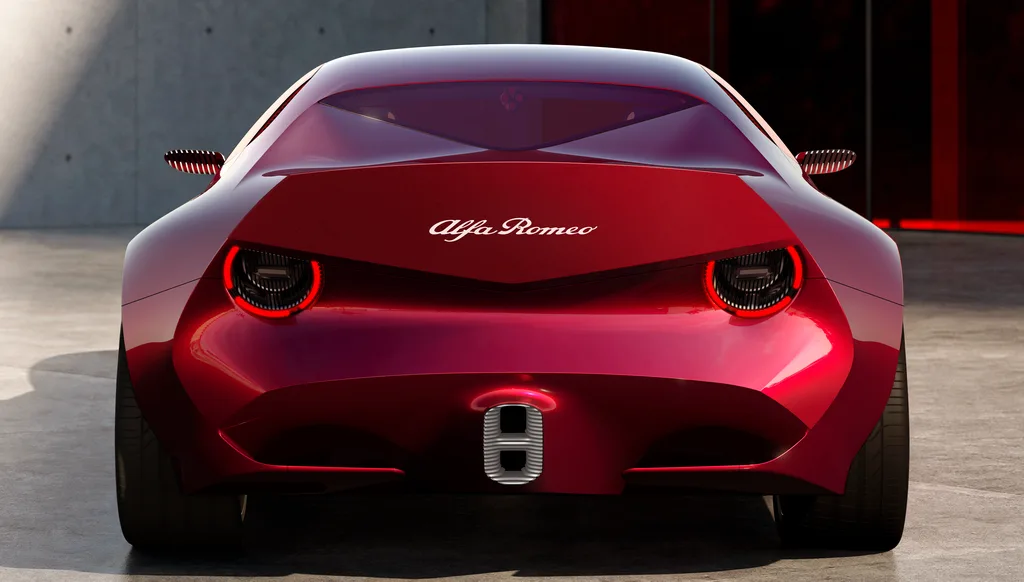
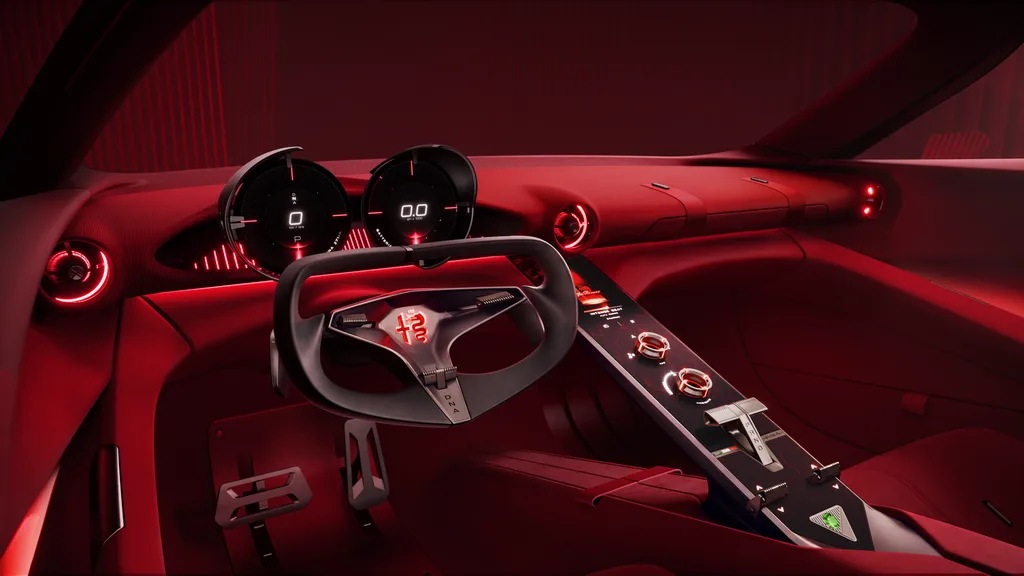
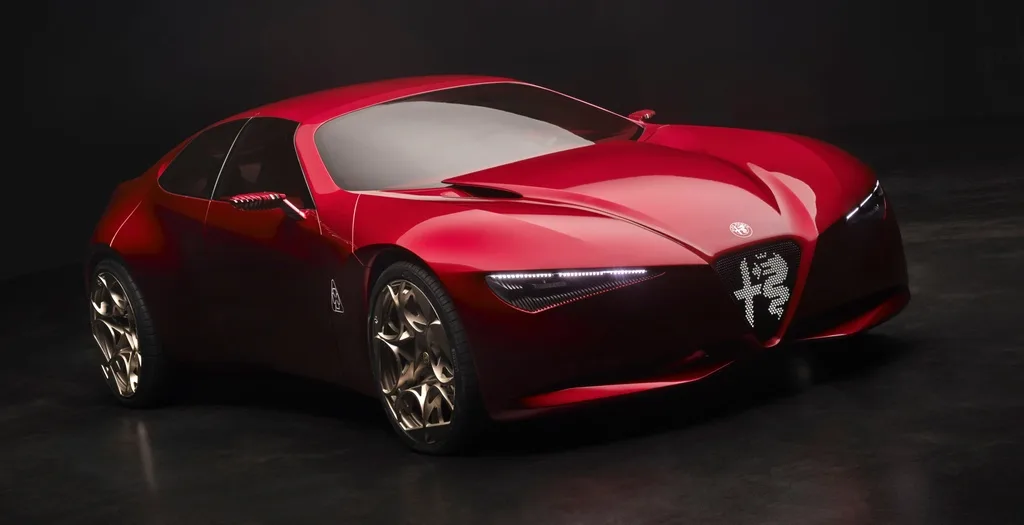
Alfa Romeo’s alternative is previewed by the Cuorerosso concept, unveiled at the recent Paris Motor Show.
Its minimalist cabin reinterprets the brand’s traditional *cannocchiale* instrument cluster with two circular displays that can merge into one.
Navigation and driving information can be shown separately, potentially eliminating the need for a conventional central touchscreen.
The concept also retains physical buttons, switches and rotary controls for functions such as cabin temperature and fan speed.
Mesonero-Romanos acknowledged that many buyers still prefer large screens but believes Alfa Romeo can offer something different.
His aim is not to eliminate digital displays, but to prevent them from dominating interior design.