




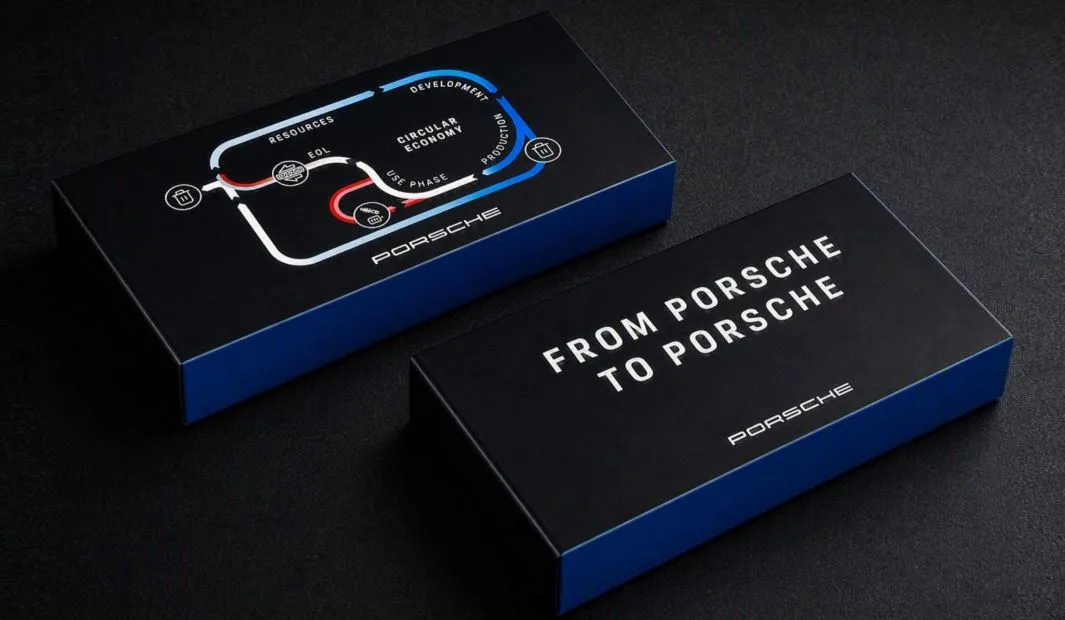
Porsche has built test battery cells using cathode material derived entirely from recycled lithium, nickel, cobalt and manganese recovered from its own high-voltage batteries.
The pilot programme is being run with German battery recycler cylib. For this batch of cells, Porsche said no primary raw materials were used in the cathode active material.
The 100% figure applies specifically to that cathode material, rather than every component in the finished battery cell.
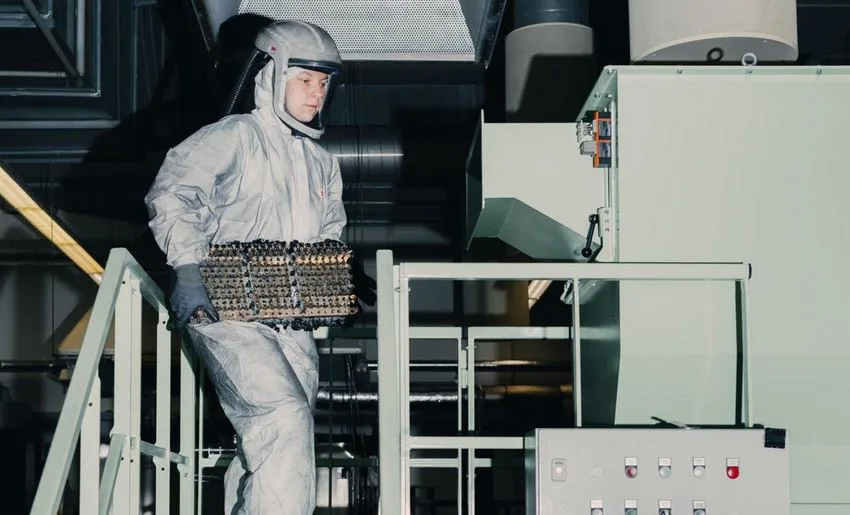
The cells are now being tested in use. Early results indicate the recycling method is technically workable, Porsche said, with further findings expected in the second half of 2026. These will help determine whether the recovered materials could later go into battery cells intended for production vehicles.
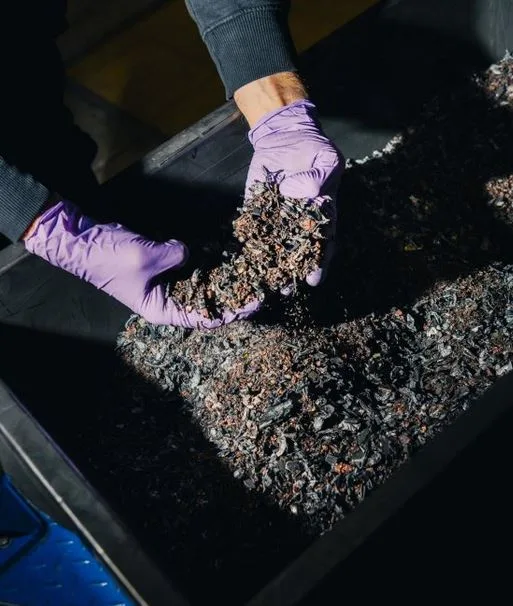
The process begins with end-of-life Porsche high-voltage batteries. They are discharged, dismantled and mechanically processed before useful materials are extracted and prepared for another cycle. Lithium, nickel, cobalt and manganese can therefore be fed back into new cathodes instead of being replaced entirely with primary material.
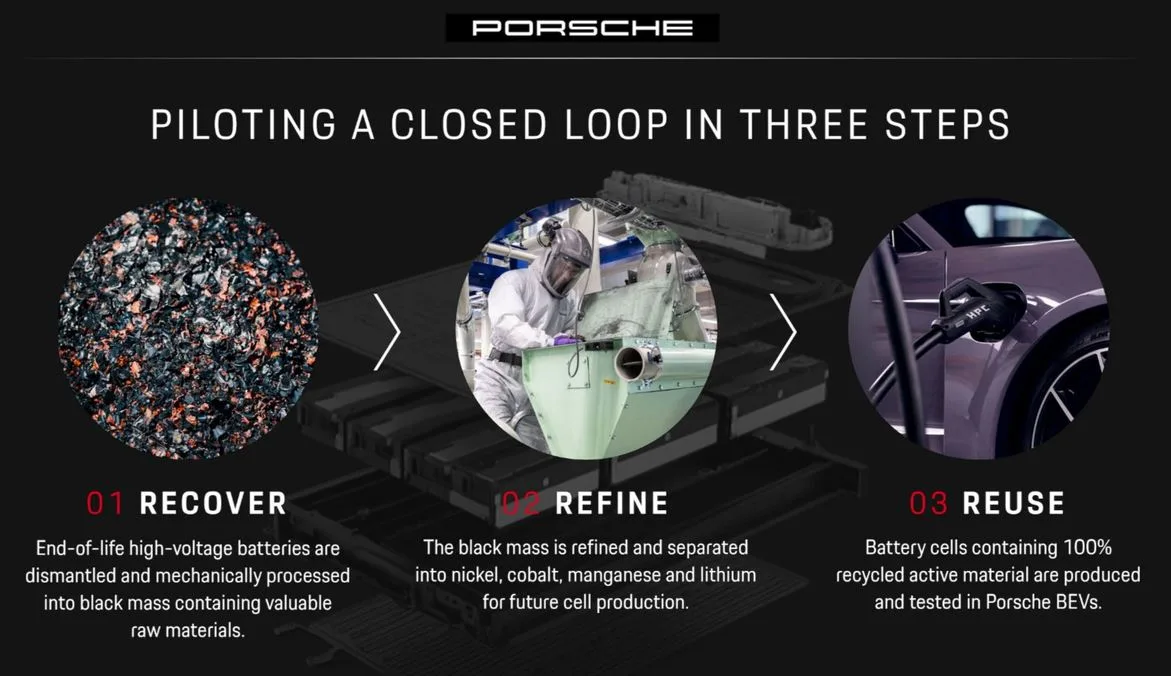
Porsche has already brought part of the programme into its normal battery disposal operation. Since May 2026, used high-voltage batteries collected from Porsche Centres across Germany have been processed with cylib using a water-based recycling method.
Porsche keeps a separate accounting record of the recovered material. It expects these materials to become available to Porsche and selected partners for battery-cell production from 2028, reducing its need for newly sourced battery raw materials.
cylib was founded in Aachen in 2022 and emerged from research at RWTH Aachen University.
Porsche has not confirmed that production cars will start using these recycled cathode materials in 2028. Their use in series-production batteries remains under evaluation.