





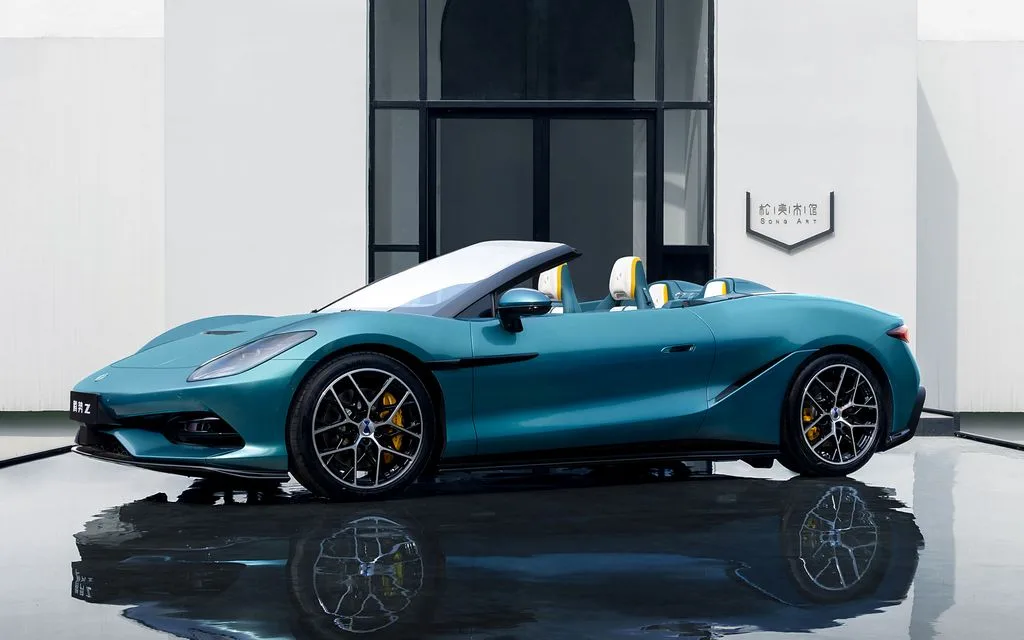
BYD has used the Beijing auto show to make a louder play for the top end of the car market, with the Denza Z electric supercar taking the lead role in a packed showcase that also included new BYD, Fangchengbao and Yangwang models.
The Denza Z is the headline car because it pushes BYD’s premium brand into territory usually owned by Europe’s old-money supercar makers.
Shown in Beijing in production convertible form with a retractable soft-top roof, the Z is described by Denza as an intelligent electric supercar with more than 1,000PS and a claimed 0-100kph time of under two seconds. It’s meant to go up against the Porsche 911 Cabriolet.
The car is a four-seat electric super-GT, which suggests Denza is pitching it as a very fast flagship with some grand-touring intent.
The car’s design is led by BYD global design director Wolfgang Egger, whose previous work included European premium brands.
Denza said the Z follows a “Pure Emotion” design theme, with carbon fibre and active aerodynamic thinking built into the shape. The bonnet ducts are not there for decoration; they channel air to help generate downforce at high speeds.
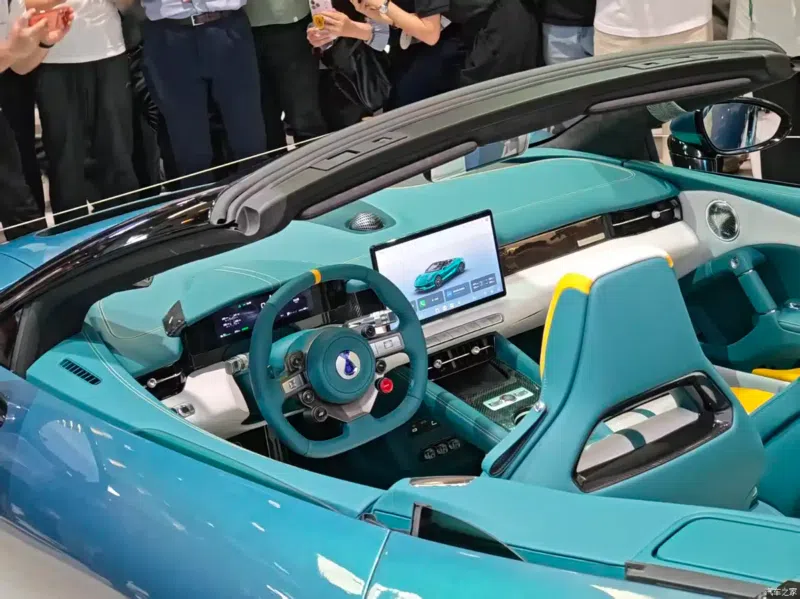
Underneath, the Z uses Denza’s DiSus-M magnetorheological body-control system, a chassis technology aimed at keeping the car composed despite the huge output.
BYD is also tying the Z to its second-generation Blade Battery and Flash Charging technology, although full battery, range and charging figures have not yet been released.
Denza has also said the Z has already begun testing and lap-record work at the Nürburgring Nordschleife.
The full global launch is planned for this summer at the Goodwood Festival of Speed in the UK, a fitting stage if Denza wants the car noticed by European performance-car buyers.
A public naming contest has also been opened for the three customer versions: Standard, Convertible and Track.
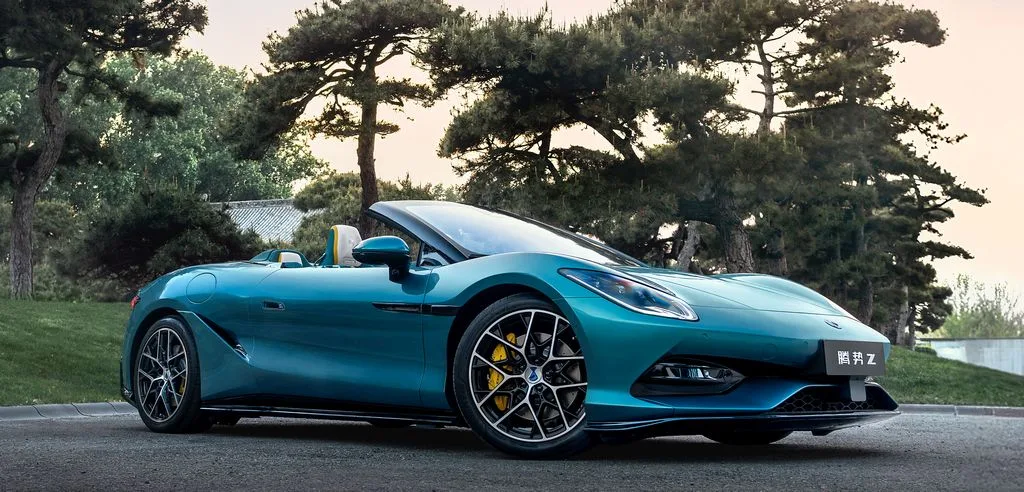
Denza started life as a BYD-Mercedes-Benz joint venture and now sits inside BYD’s higher-end push.
With the Z, the brand is no longer only trying to sell premium MPVs and GTs. It wants a halo car.
Whether that turns into meaningful supercar sales is another question, but it looks like BYD wants its technology recognised beyond mainstream EVs.
The timing also works in BYD’s favour. The Beijing show has become a stage for Chinese carmakers to show how quickly they are advancing in ultrafast charging, intelligent driving and electric performance.
At the 2026 Auto China show in Beijing, over 1,450 vehicles and 181 global debuts are showcased, with Chinese brands pushing EV technology, smart cockpits and automated-driving systems hard.
Other BYD group models
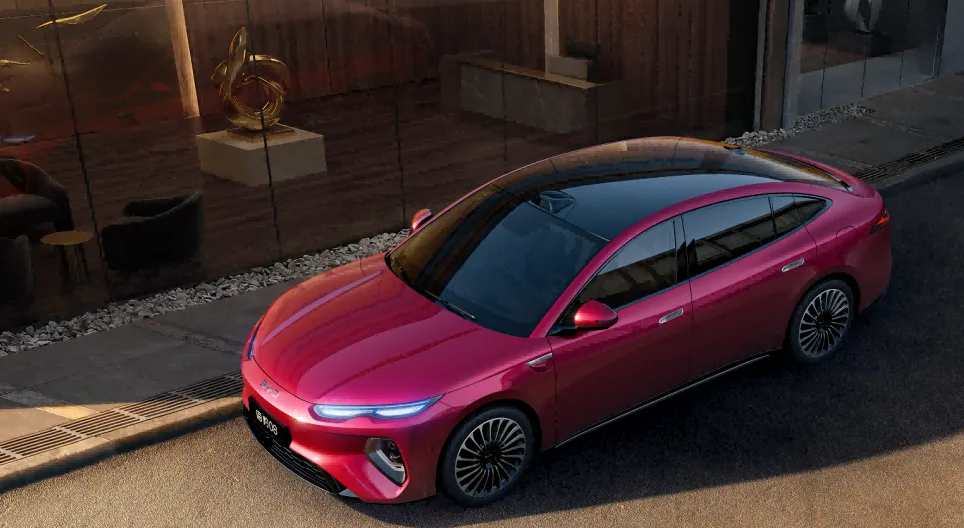
Away from Denza, BYD also showed the Seal 08 sedan and Sealion 08 SUV as new flagships for its Ocean series.
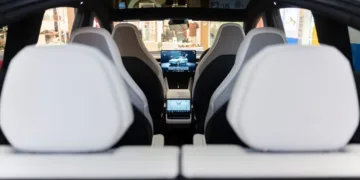
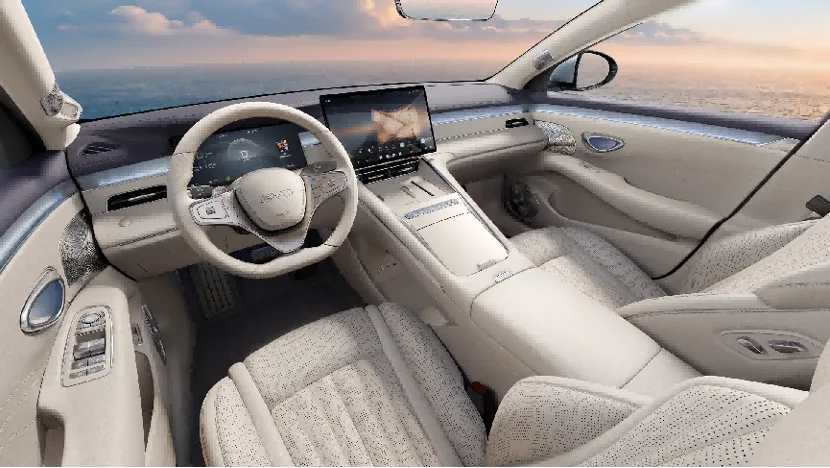
The Seal 08 focuses on a more premium cabin, with zero-gravity front seats, rear comfort features, a centre-armrest touchscreen and details such as mother-of-pearl inlays.
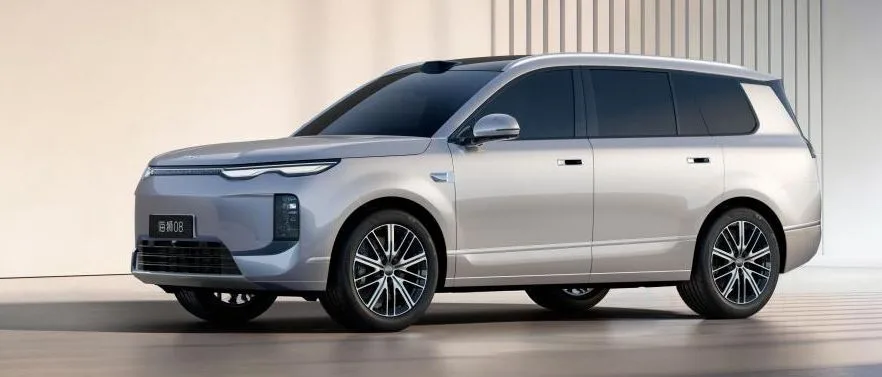
The Sealion 08 is the bigger family play, measuring 5,115mm long, 1,999mm wide and 1,800mm tall, with a 3,003mm wheelbase and six independent seats across three rows. Both are said to use BYD’s second-generation Blade Battery, Flash Charging and DiSus-A dual-chamber air suspension.
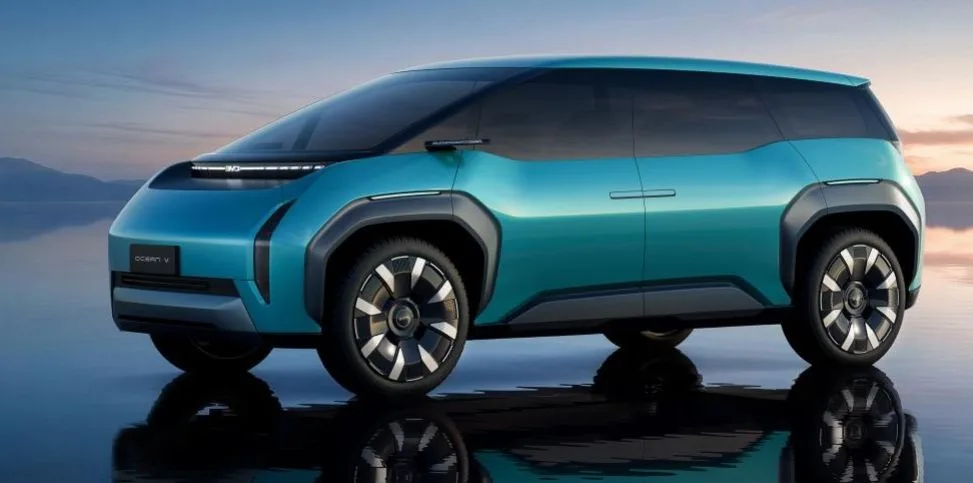
The Ocean-V concept takes a more experimental route. BYD calls it a family mobility cube rather than a conventional sedan, SUV or MPV.
Its cabin can shift between driving, cinema and camping layouts, with seats that fold or rotate, a retracting steering wheel and a rising screen. Some of that sounds like show-car theatre, but BYD said parts of the idea will filter into future production models.
BYD’s other show cars covered the extreme ends of the range.
The Yangwang U9 Xtreme “The Dawn” is the production-ready version of the U9X, the car BYD says recorded 496.22kph and a Nürburgring Nordschleife lap of 6min 59sec.
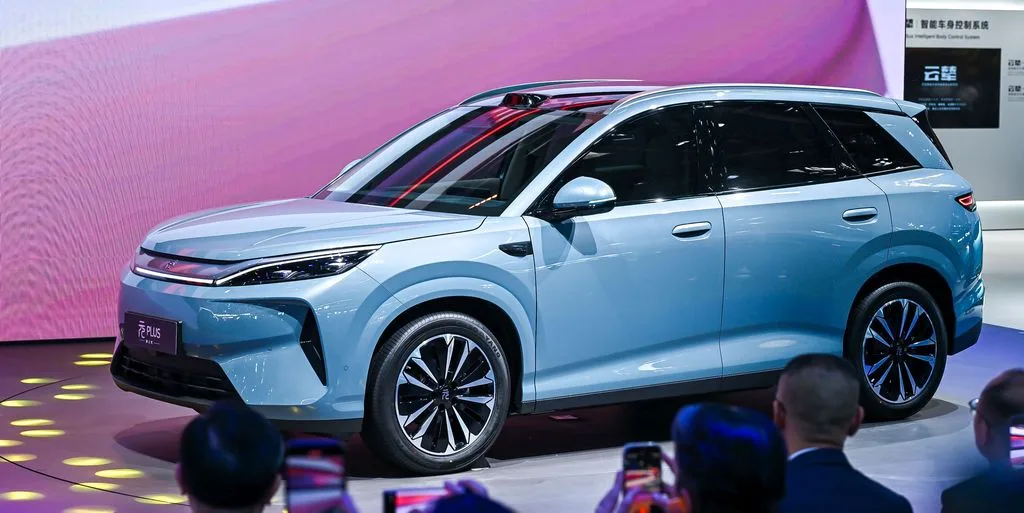
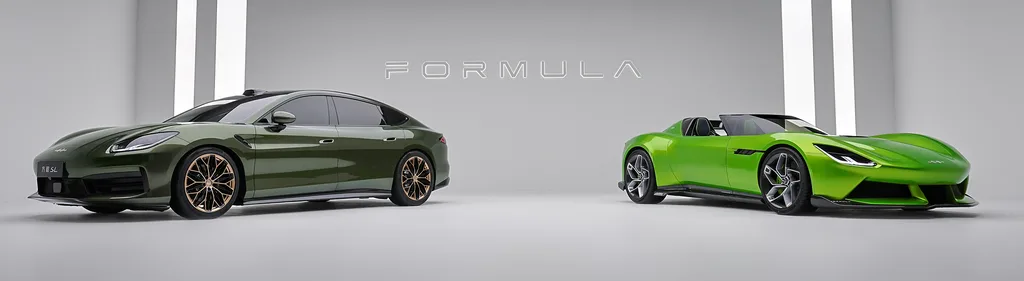
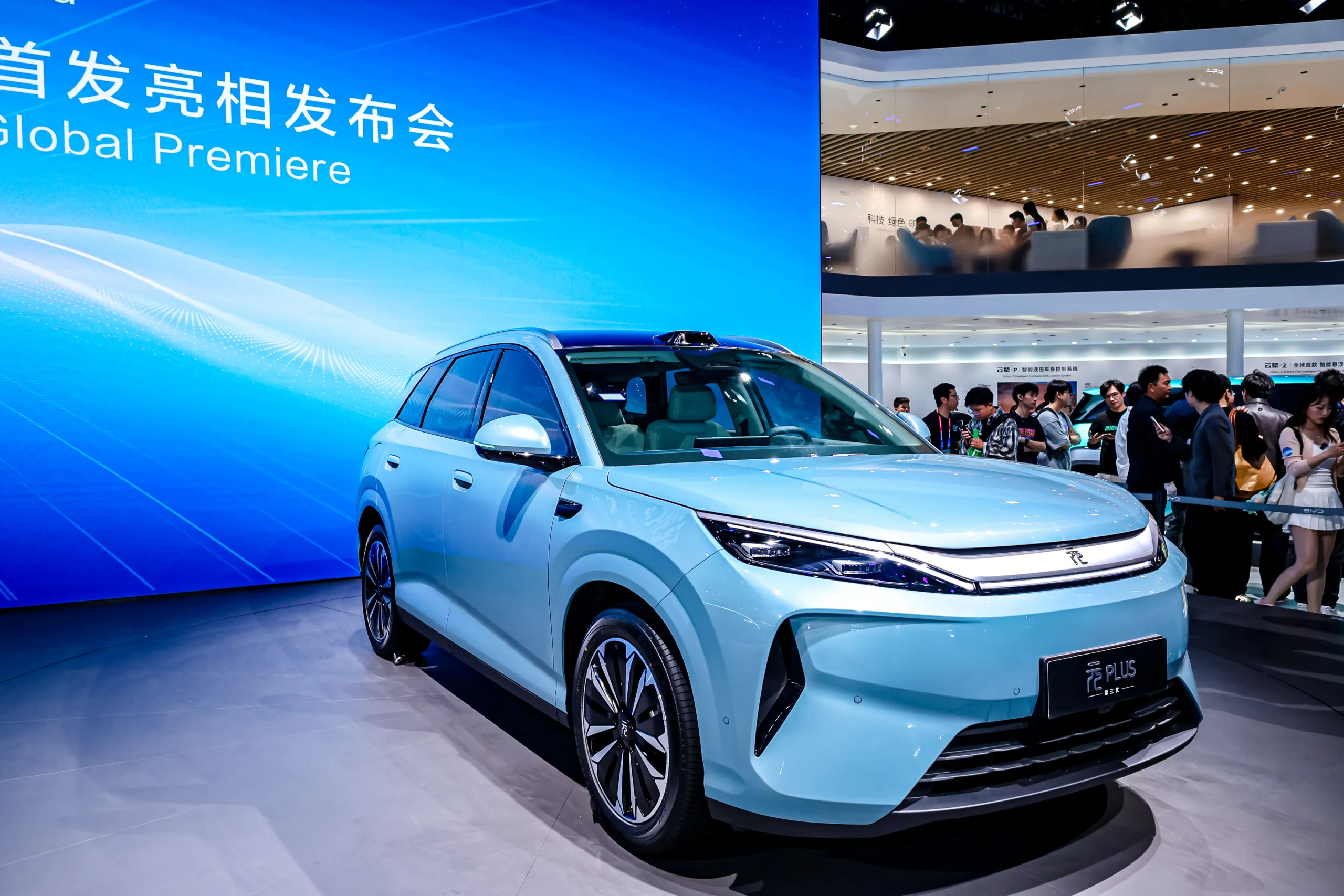
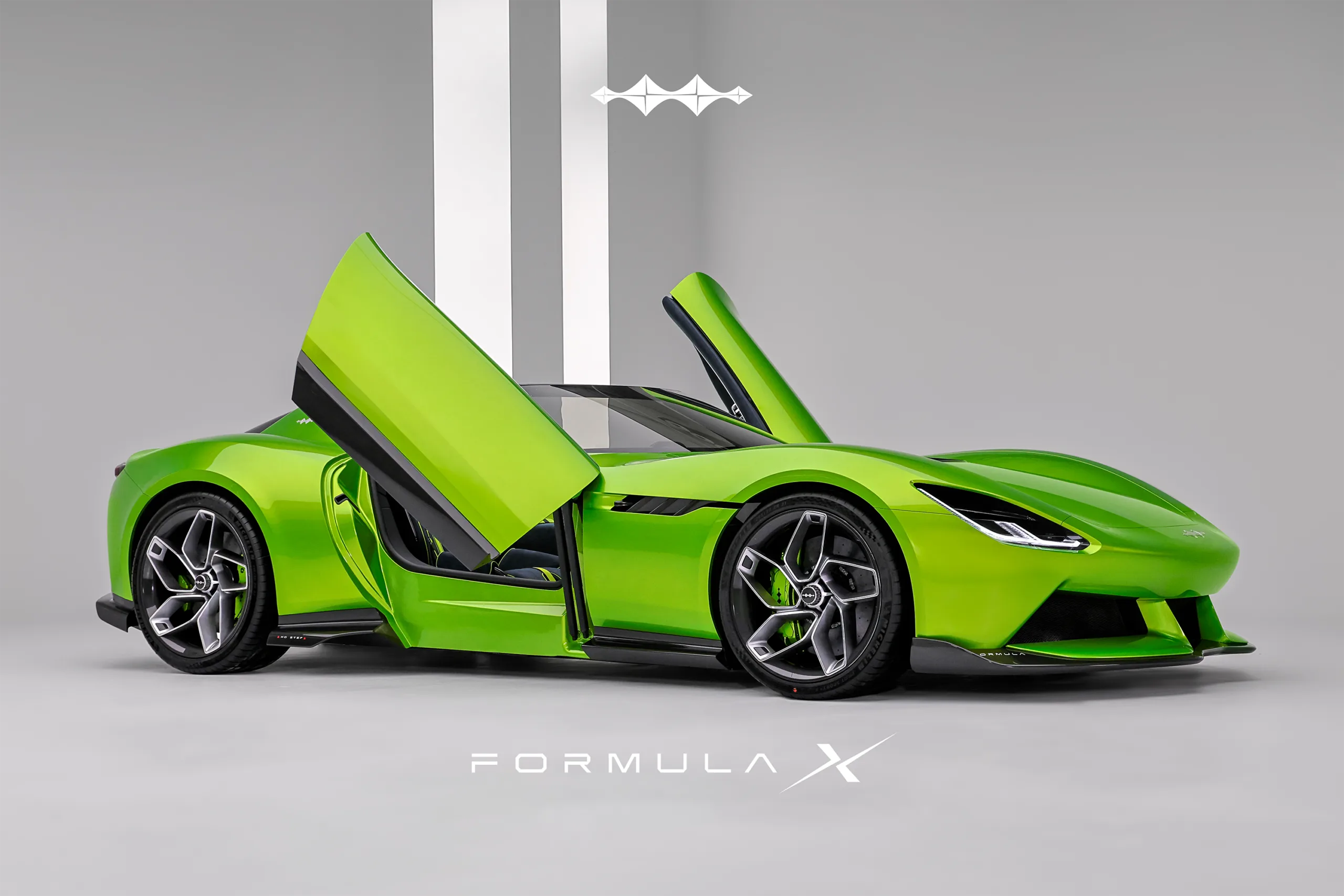
Fangchengbao, meanwhile, showed its Formula S sedan family and Formula X sports concept, while the third-generation Yuan Plus, known overseas as the Atto 3, brought Flash Charging, God’s Eye B and LiDAR-assisted driver systems to one of BYD’s most important global nameplates.
According to CnEVPost, the Yuan Plus has passed 1.1 million units across 116 markets, underlining why BYD is giving that model such a major technology update.