










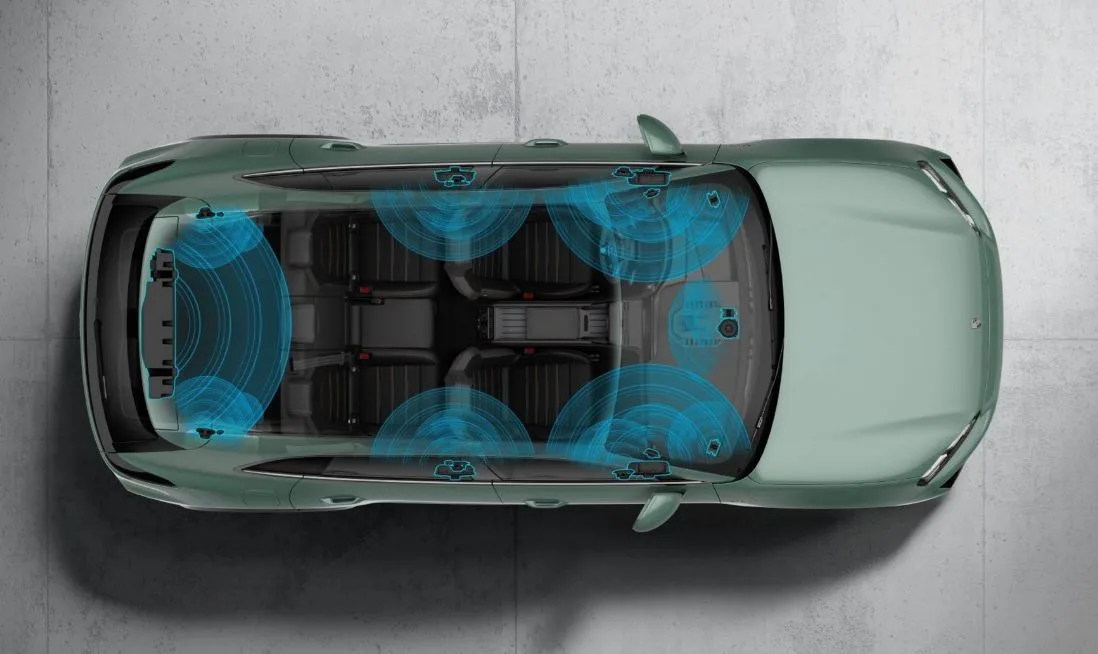
Porsche will put gallium nitride (GaN) semiconductor technology into a production car in 2027, using it first in a Burmester audio system while studying wider applications in the high-voltage systems of electric sports cars.
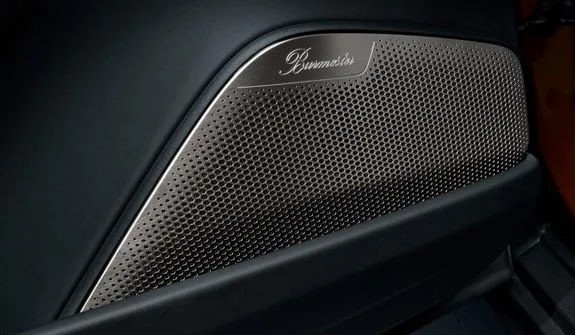
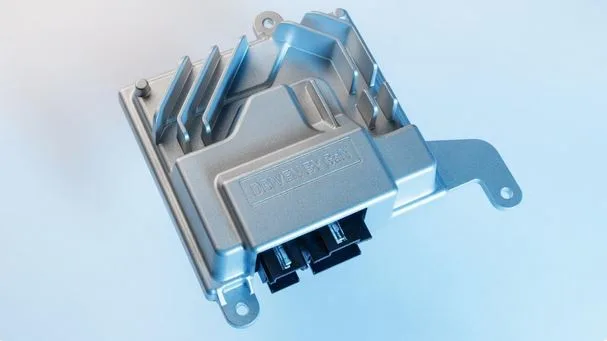
The first job is relatively modest. A GaN-based chip will handle voltage conversion for the 400-watt subwoofer amplifier in Porsche’s Burmester 3D High-End Surround Sound System.
Compared with conventional silicon transistors, GaN switches can operate at higher switching frequencies while losing less energy. That means less heat, which in turn reduces the amount of cooling hardware needed around the amplifier.
Porsche said the heat sink can be made about 20% lighter. The aim is to cut losses without reducing the subwoofer amplifier’s available power or changing its basic role. Capacitors and inductors can also be smaller, cutting the amplifier’s overall size and weight. Using less aluminium for the heat sink should also reduce emissions associated with producing the amplifier.
The bigger question is where Porsche takes GaN next.
The carmaker is studying the semiconductor for other areas where electrical power has to be converted, including high-voltage systems in electric sports cars. No production EV application has been announced, so for now the 2027 Burmester system is the only confirmed use.
Porsche described it as the world’s first production-ready high-end automotive audio system to use GaN semiconductors.
The project dates back to mid-2023, when Porsche began looking at how GaN could work under the demanding conditions of a sports car. From spring 2024, its audio, semiconductor and sustainability specialists worked with the University of Stuttgart’s Institute for Robust Power Semiconductor Systems on a prototype subwoofer amplifier.
An international chip manufacturer and an audio development partner later joined the work, bringing the amplifier to production readiness. Porsche has also filed several patent applications covering developments from the programme.
GaN itself is not new. The semiconductor material gained wider use in blue light-emitting diodes in the 1990s and is now found in products ranging from compact USB chargers to satellites.
Its attraction to carmakers is efficiency and power density. Higher switching frequencies and lower losses can allow power-conversion hardware to become smaller and lighter.
That is particularly relevant to EVs, where power electronics, cooling and weight all affect overall efficiency. Porsche has stopped short of confirming GaN for an electric drivetrain, however.
It also has not named the Porsche model that will introduce the GaN-equipped Burmester system in 2027.