











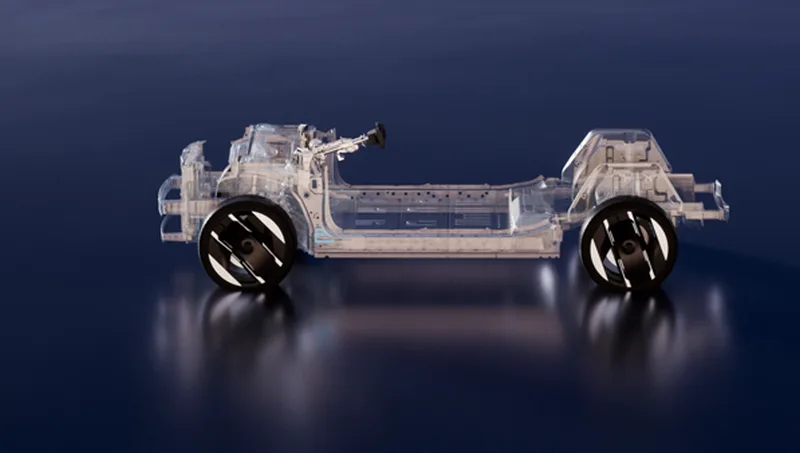
Stellantis will put the next-generation Jeep Cherokee on its new STLA One architecture, making it the first US-assembled model to use the multi-energy platform. STLA One supports several powertrain types and, for battery-electric vehicles, has 800-volt capability.
Its EV hardware strategy also includes greater use of lithium iron phosphate batteries and cell-to-body battery integration.
Stellantis has not disclosed the future Cherokee’s powertrain line-up, however, so a battery-electric Cherokee is not yet confirmed.
The model will be built at the Belvidere Assembly Plant in Illinois, about 97km west of Chicago. Stellantis said investment in the site will rise to more than US$800 million (RM3.27 billion), up from US$600 million (RM2.45 billion) announced in October 2025.
Belvidere is being prepared to assemble at least two STLA One vehicles and accommodate different powertrain variants across two shifts.
More than US$60 million (RM245 million) had been spent by July 2026 on stamping, body, paint and general assembly work ahead of the factory’s restart. The company has not identified the second Belvidere model.

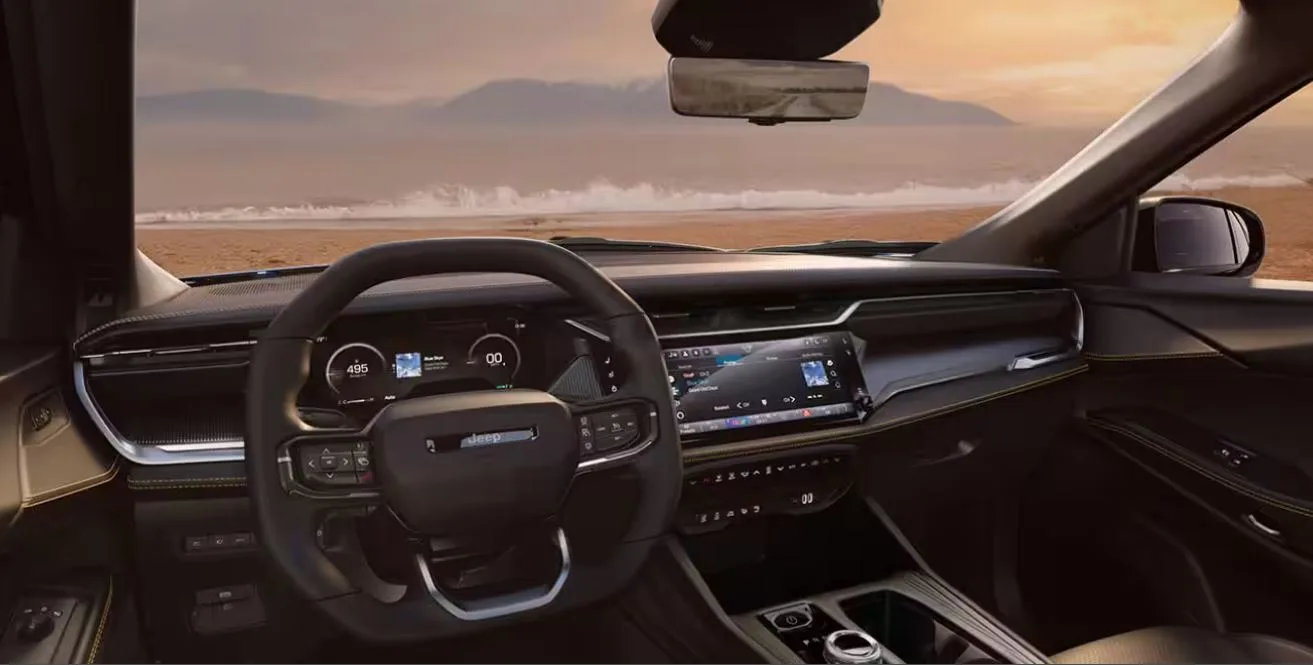
Pilot production of the next Cherokee is scheduled for the first half of 2028. Retail production is targeted for the second half of 2029.
Stellantis CEO Antonio Filosa said putting the Cherokee on STLA One would help improve its competitiveness while making use of the group’s US manufacturing operations.
STLA One forms part of Stellantis’ FaSTLAne 2030 plan. The modular architecture is intended to cut platform complexity, shorten vehicle development and spread common engineering across more than 30 models globally by 2035.
The Belvidere spending sits within a much larger US investment programme. Stellantis announced in October 2025 that it planned to invest more than US$13 billion (RM53.12 billion) over four years in facilities across Illinois, Ohio, Michigan and Indiana.
North America is also due to receive 11 all-new and 12 refreshed vehicles over the next four years, lifting Stellantis’ market coverage to 90% by 2030.