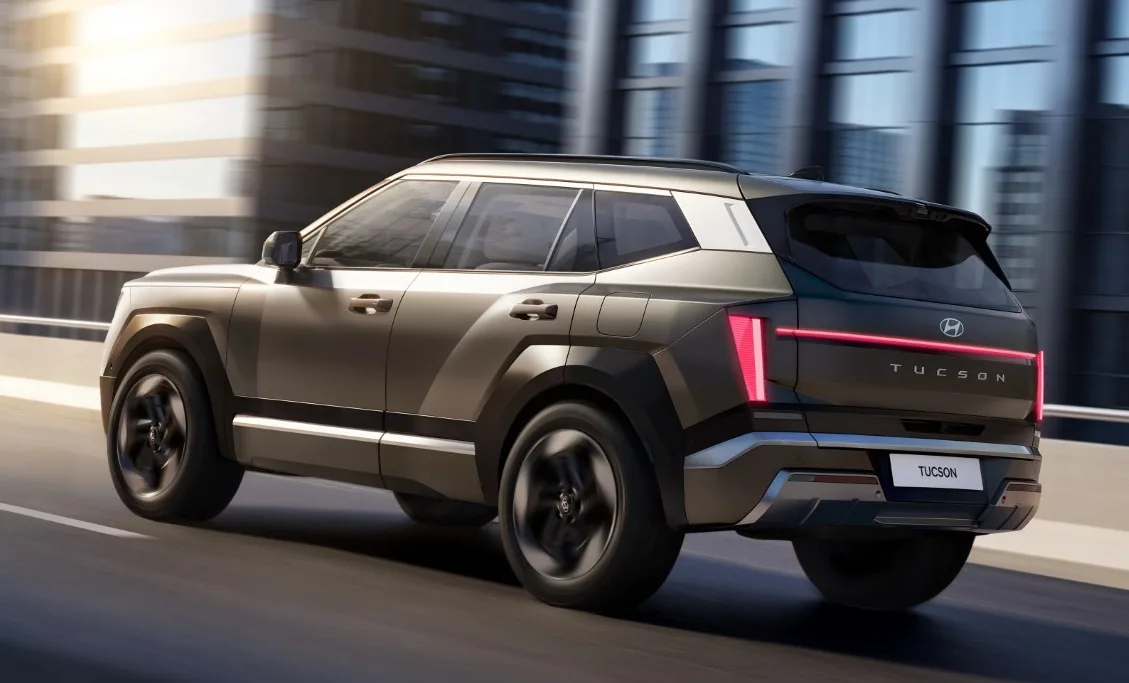







Hyundai has unveiled the all-new Tucson with an upgraded hybrid line-up, including a plug-in hybrid capable of up to 81km of electric driving, as the SUV enters a new generation with larger dimensions and a heavily revised cabin.
The Tucson PHEV combines a 1.6-litre turbocharged petrol engine with an electric motor for a combined 292PS and 380Nm.
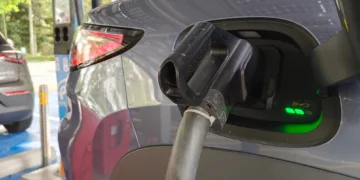
A 17.1kWh battery provides an estimated electric-only range of up to 81km on 17-inch wheels, subject to final homologation, while a 7.2kW onboard charger handles AC charging.
The regular hybrid pairs the same 1.6-litre turbo engine with Hyundai’s next-generation hybrid system.
Depending on market, output reaches 245PS and 380Nm, while Hyundai is targeting fuel economy of up to 42mpg for the North American front-wheel-drive version.
A new HEV Stay Mode allows the climate control, audio system and device charging to operate with the petrol engine switched off while the vehicle is stationary.
Hyundai has also added E-Traction to hybrid variants. The system adjusts motor torque during cornering to reduce wheel slip and improve stability.
Alongside the full hybrid and plug-in hybrid, Hyundai will continue to offer conventional petrol and 48V mild-hybrid versions.
In Europe, the 1.6-litre turbocharged petrol engine produces 150PS, paired either with a six-speed manual transmission or, in 48V mild-hybrid form, a seven-speed dual-clutch transmission.
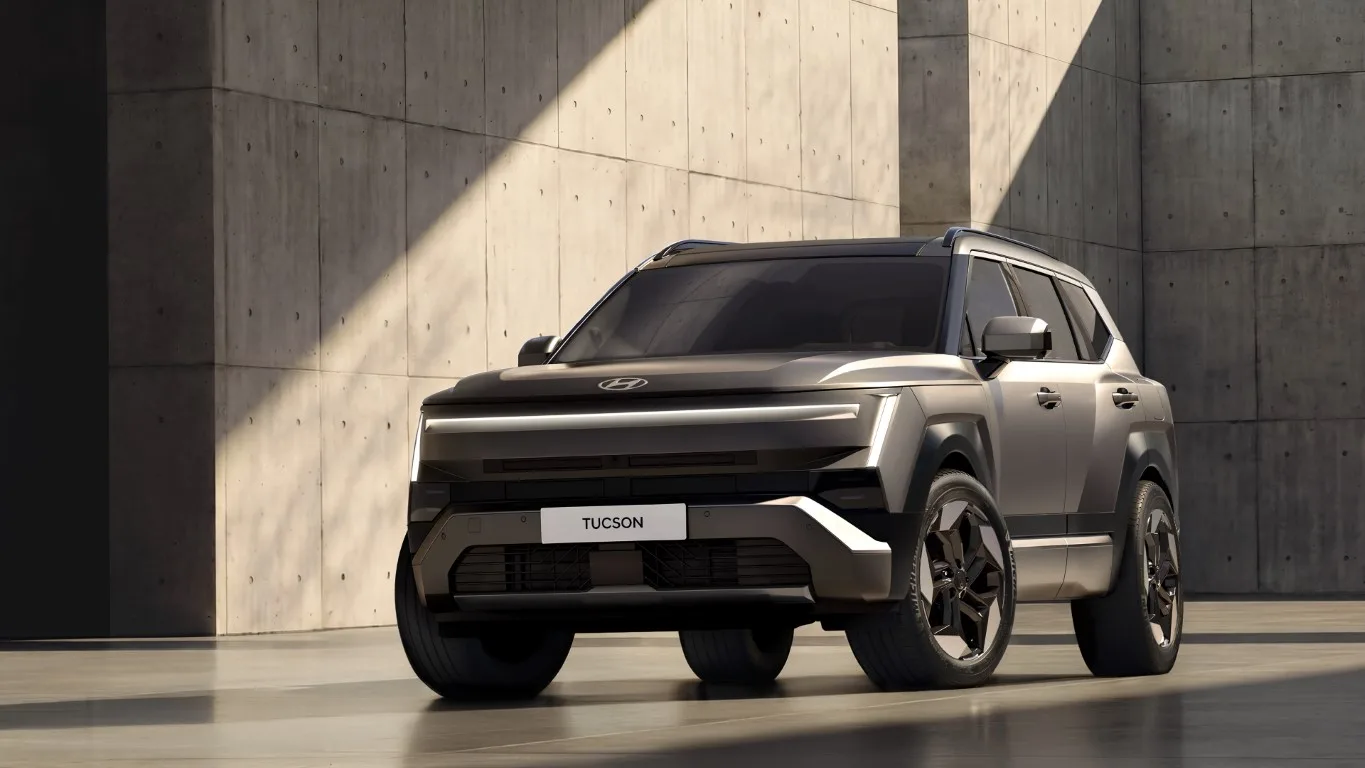
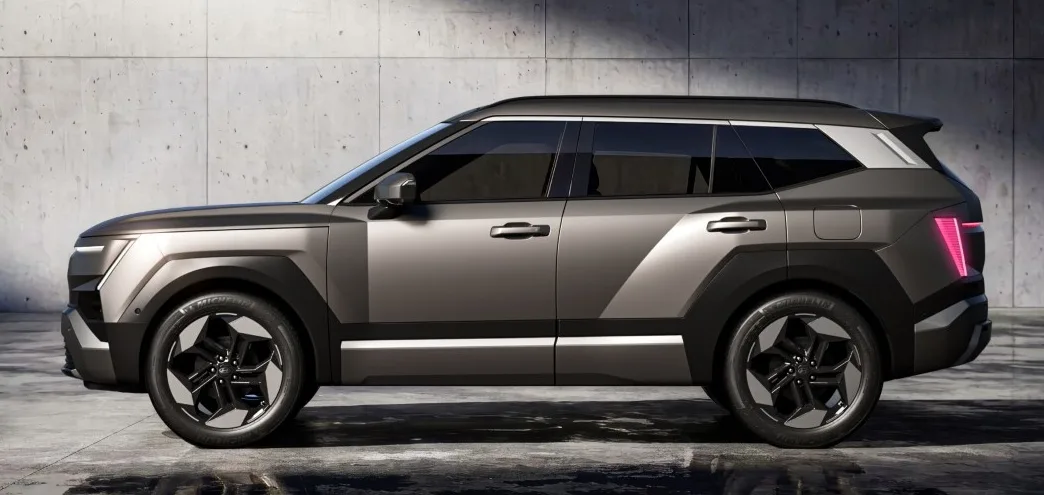
The all-new Tucson is also bigger. The long-wheelbase version measures 4,700mm long, 1,905mm wide and 1,685mm tall, increases of 60mm, 40mm and 20mm respectively over its predecessor.
Hyundai has moved away from the previous Tucson’s heavily segmented styling for a more substantial SUV shape.
Large wheelarches and cleaner door surfaces form part of its latest “Art of Steel” design language, while new H-Edge front lighting and prism-style rear lamps provide the main lighting signatures.
Available Micro Pixel Lighting uses 25,600 LED pixels and can produce different beam patterns, along with welcome and farewell animations.
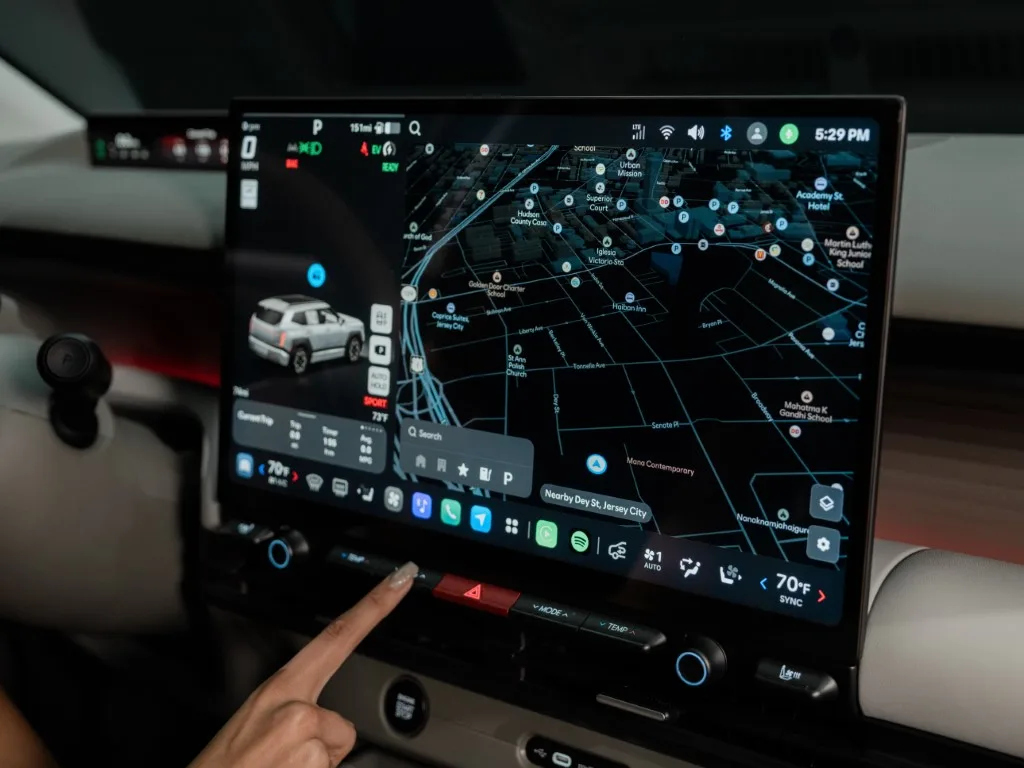
Inside, the dashboard has been reorganised around a horizontal upper section and a large open storage area below.
Hyundai has retained physical buttons for frequently used climate-control and audio functions rather than moving everything into the touchscreen.
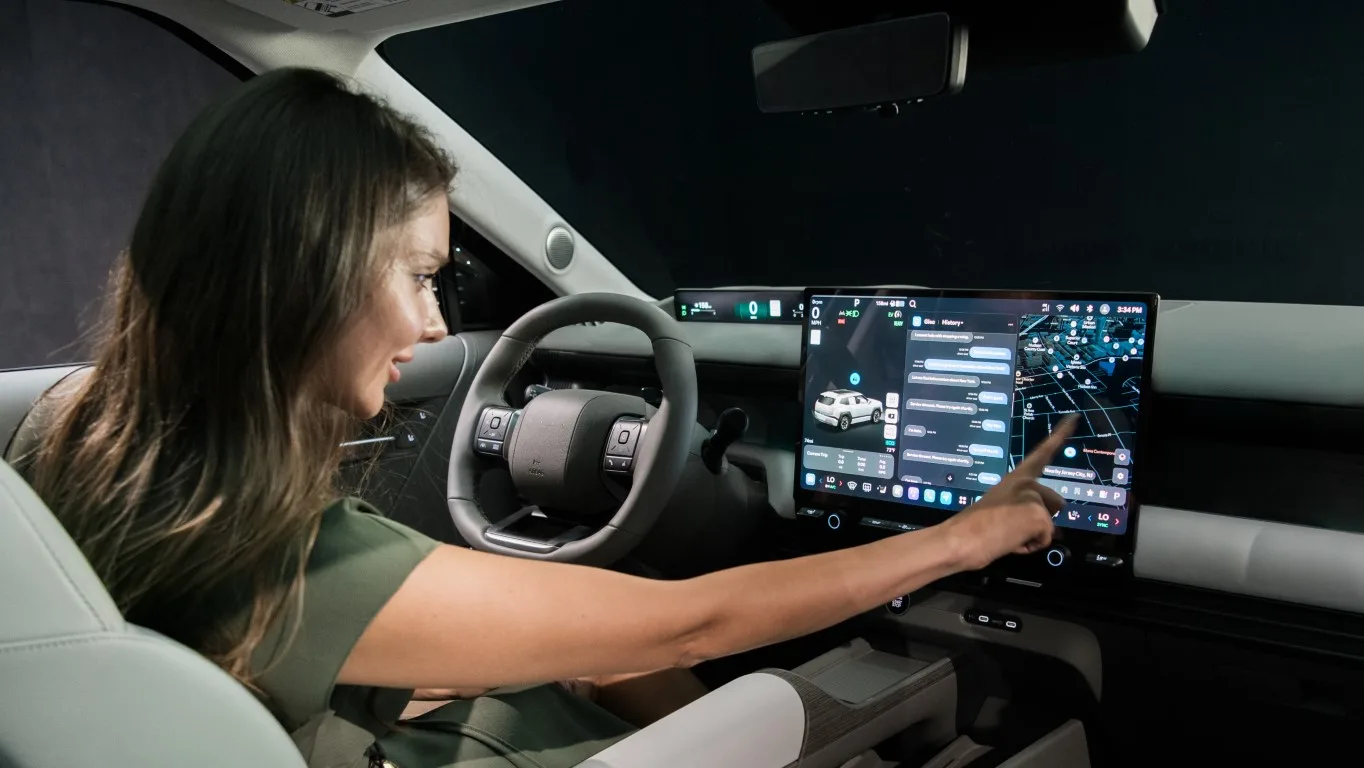
Pleos Connect, Hyundai’s Android Automotive OS-based infotainment system, uses either a 17-inch or 12.9-inch central display together with a separate 9.9-inch driver display.
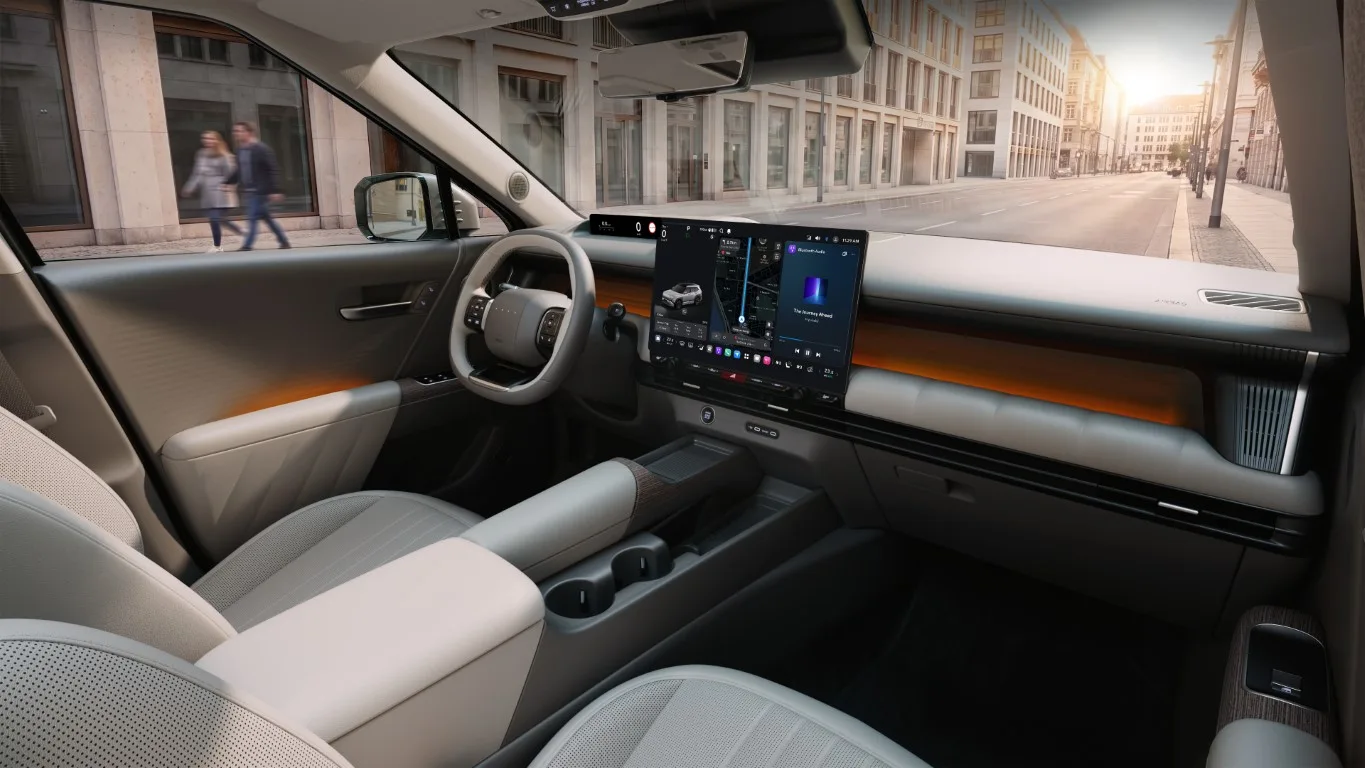
It also introduces Gleo AI, an in-car voice assistant designed to handle conversational requests.
The new Tucson adds Hyundai’s first Smart Terrain Assist, which assesses traction conditions and displays a colour-coded indication of how difficult the terrain is becoming.
Target Speed Control can maintain a selected speed between 2kph and 25kph off-road, leaving the driver to concentrate on steering. Memory Reversing Assist can retrace a previously driven path while controlling the steering in reverse.
Hyundai has also introduced the more off-road-focused Tucson XRT Pro. It gets all-wheel drive, all-terrain tyres, recovery hooks and 210mm of ground clearance, 30mm more than the standard model.
The Tucson has been Hyundai’s best-selling SUV globally since its introduction in 2004, with cumulative sales now exceeding 11.1 million units. Hybrids accounted for 31% of Tucson sales in the US during 2025.
The new model will go on sale in South Korea later this year, followed by North America, Europe and other markets in 2027.