


BMW has made its Landshut plant responsible for key software work supporting AI-powered humanoid robots in component manufacturing.
The work forms part of its broader physical AI development programme.
The German factory will develop open software platforms, prepare robot training data and work on simulation and motion planning.
Engineers will also study which production jobs suit humanoid machines, especially work requiring flexibility, precise hand movements and an understanding of nearby objects.
The project complements BMW’s existing humanoid-robot trials at Leipzig and Spartanburg. New processes will be tested virtually and in areas outside active production before selected uses move into staged pilot programmes.
BMW intends to combine conventional robot programming with vision-language-action AI models. These systems connect camera input, language instructions and physical movement, helping a robot assess its surroundings and decide what to do next.
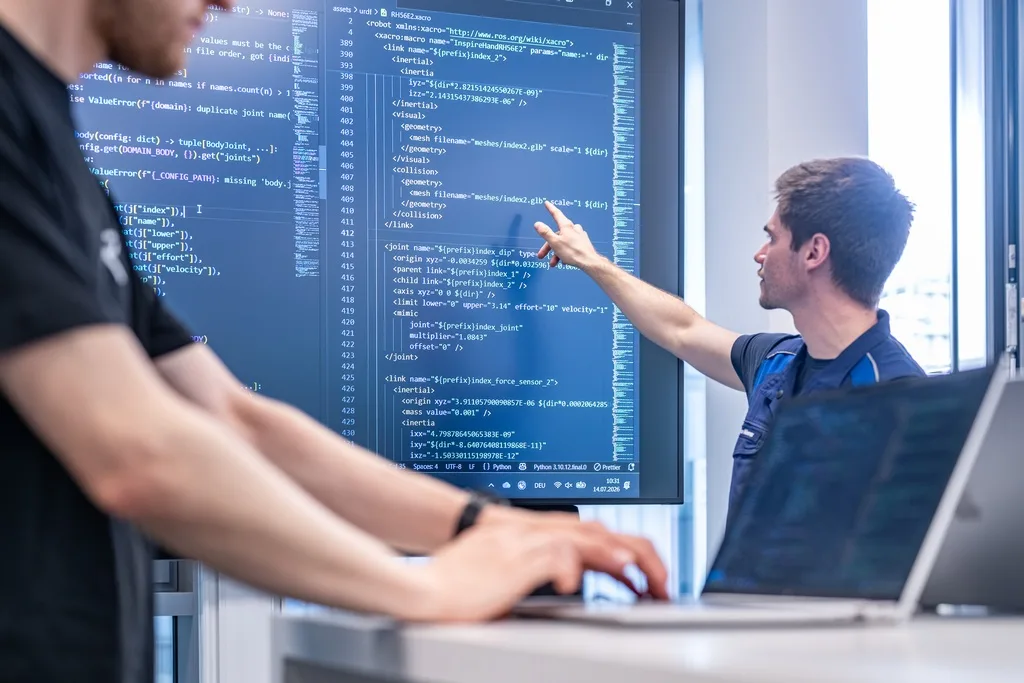
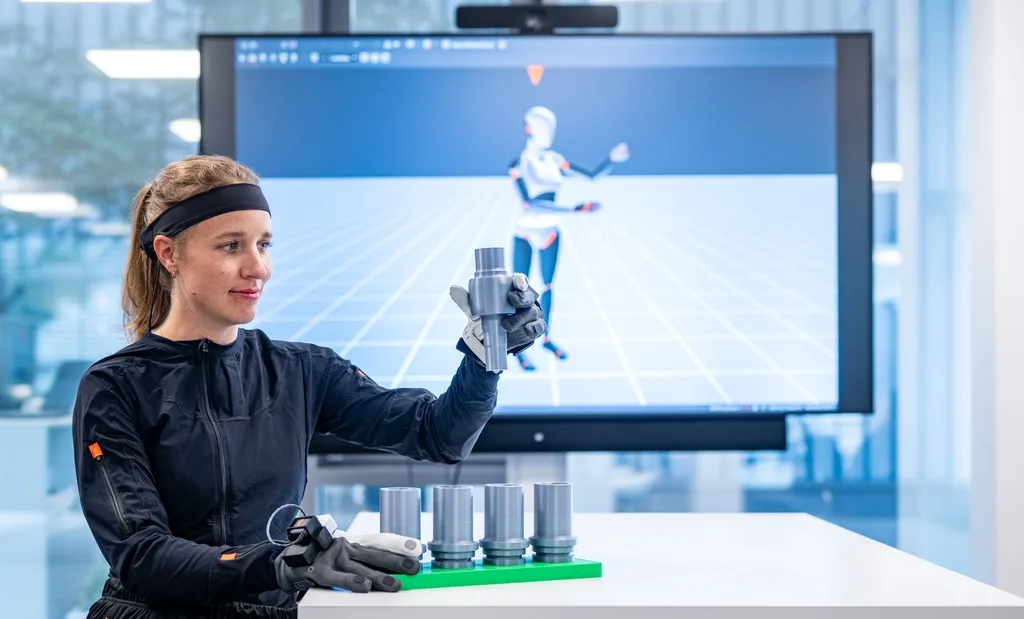
Training data will come from real factory settings and test rigs. Cameras, motion-capture suits and sensor-equipped gloves will record movements demonstrated by workers. Those sequences can then be converted into reusable behavioural models for different robots and jobs.
Possible uses include identifying components, checking their position or condition, planning efficient movements and gripping or moving parts accurately.
BMW is working with Athenyx Robotics, a specialist startup originating from RWTH Aachen University’s Laboratory for Machine Tools and Production Engineering. The partners are developing an “intelligence stack” covering perception, learning, simulation and decision-making so skills can eventually be transferred between robot platforms.
The Landshut plant is also collaborating with the University of Applied Sciences Landshut on data generation, simulations and factory trials.
Christoph Jagoda, BMW’s physical AI project manager at the site, said the company was testing where humanoid robots could provide dependable production benefits, not simply what the technology could do.
BMW has not named specific components for the robots or announced a timetable for production deployment.