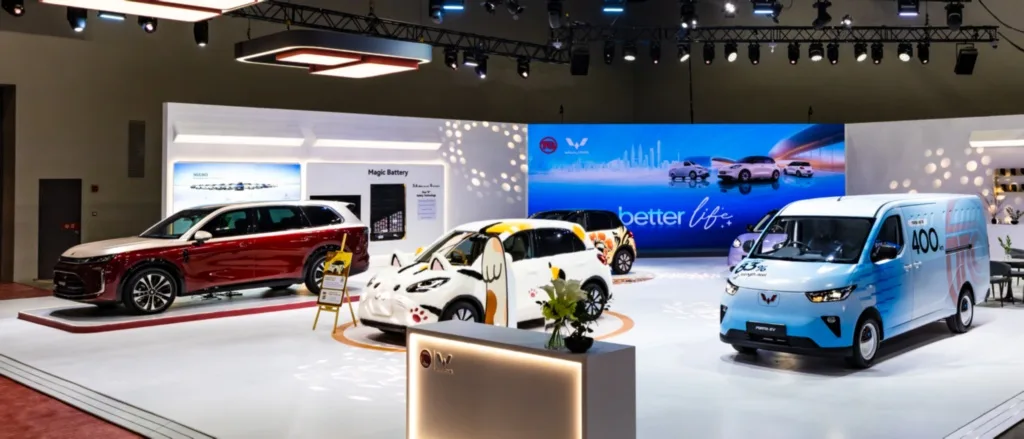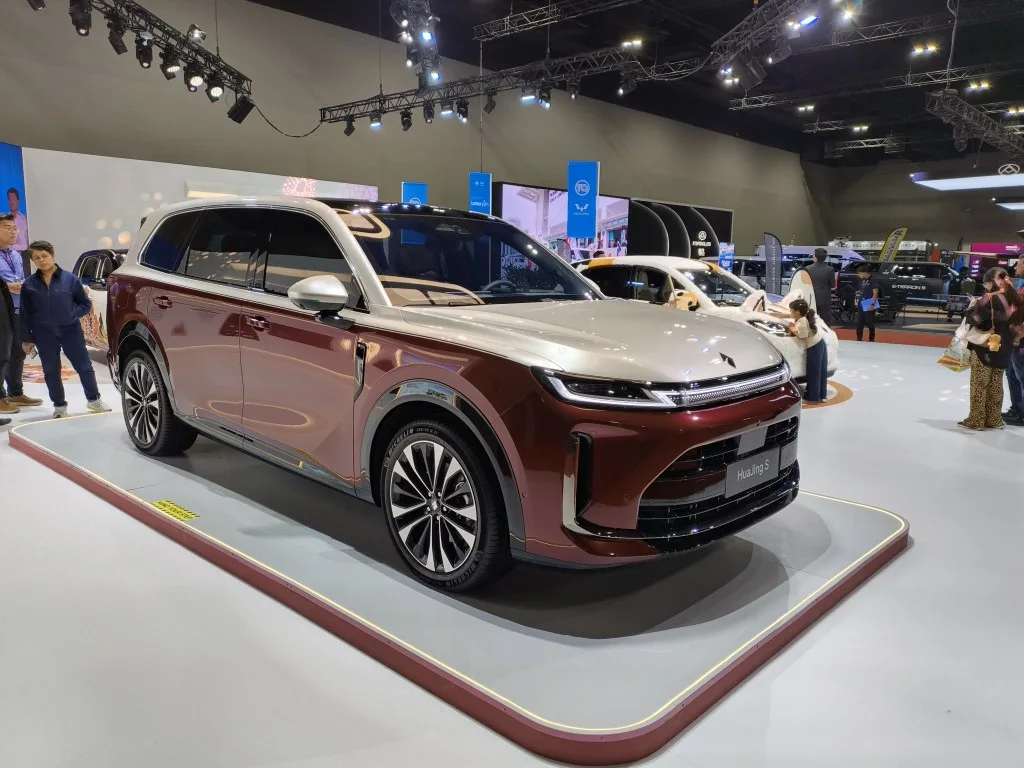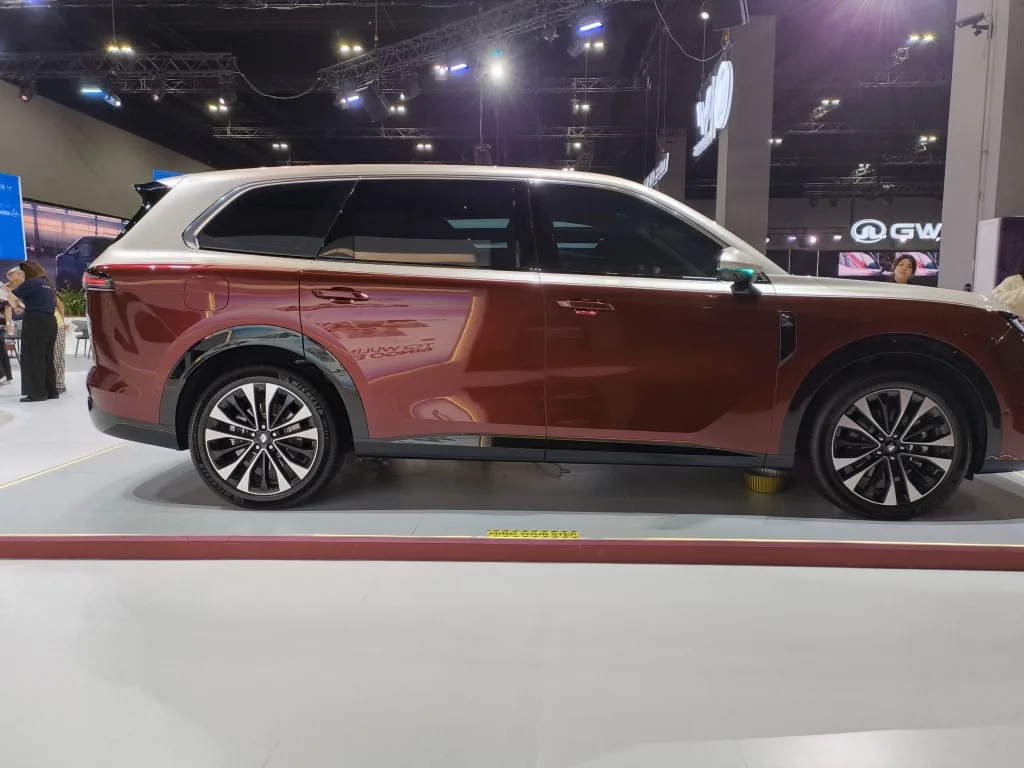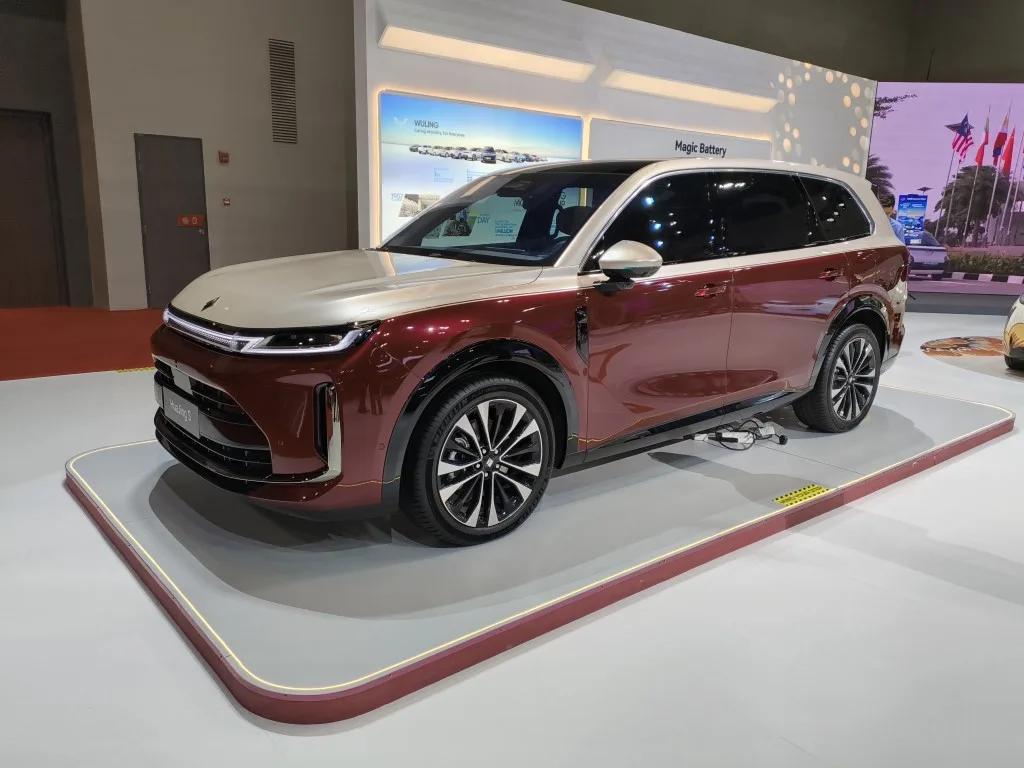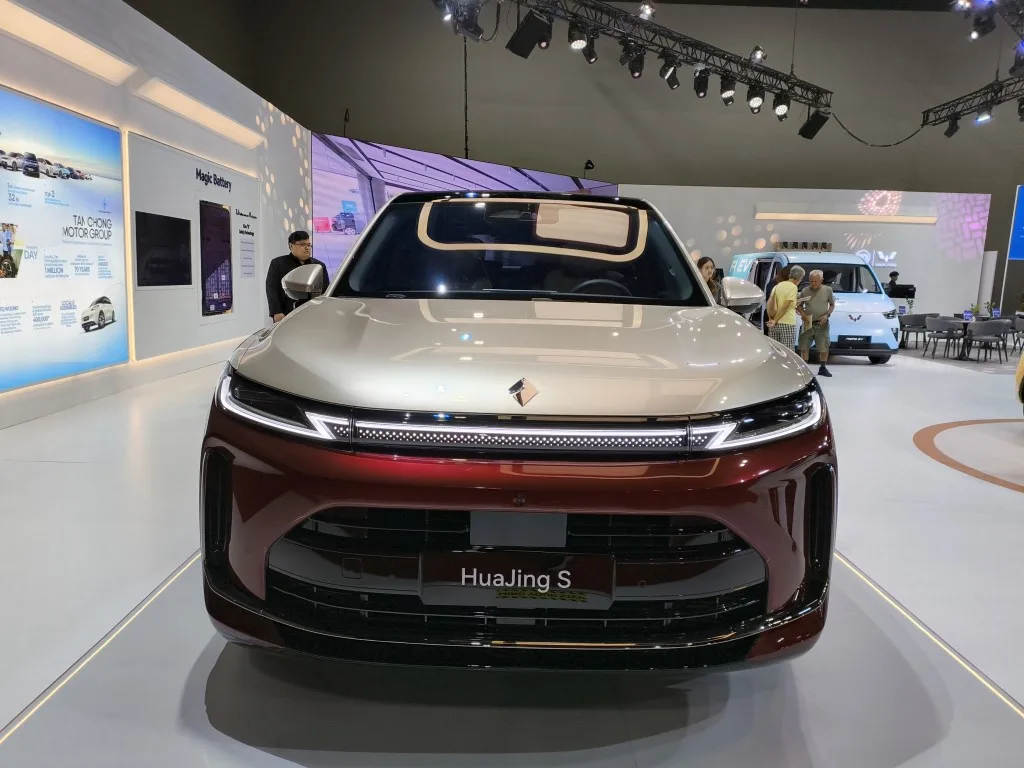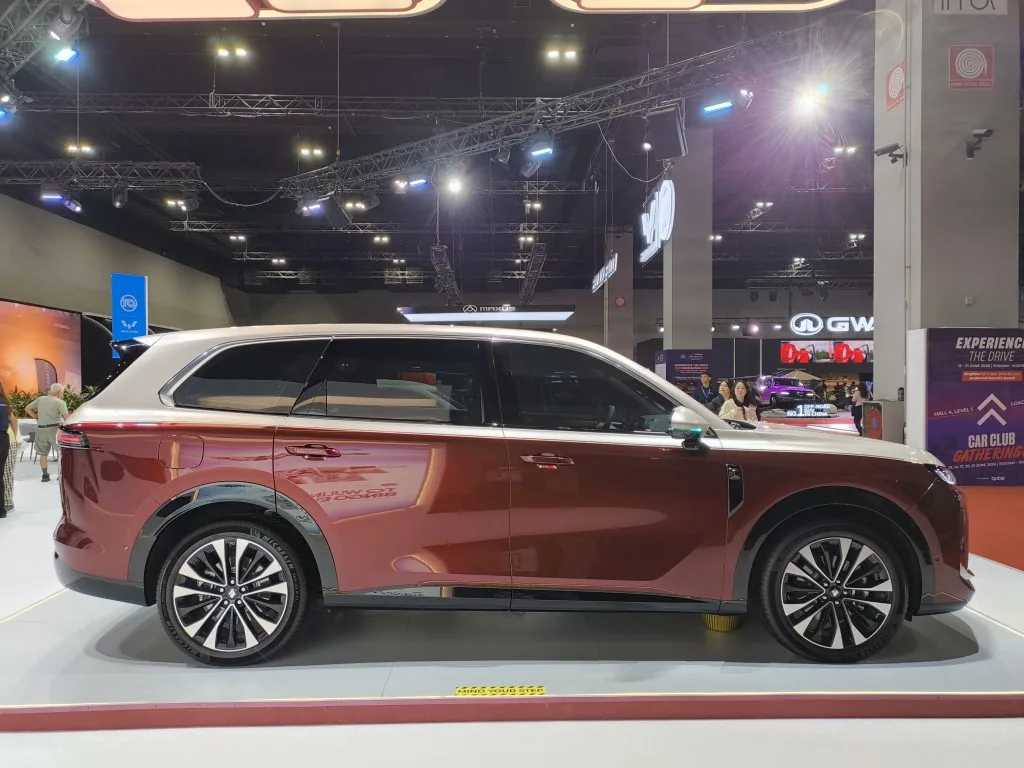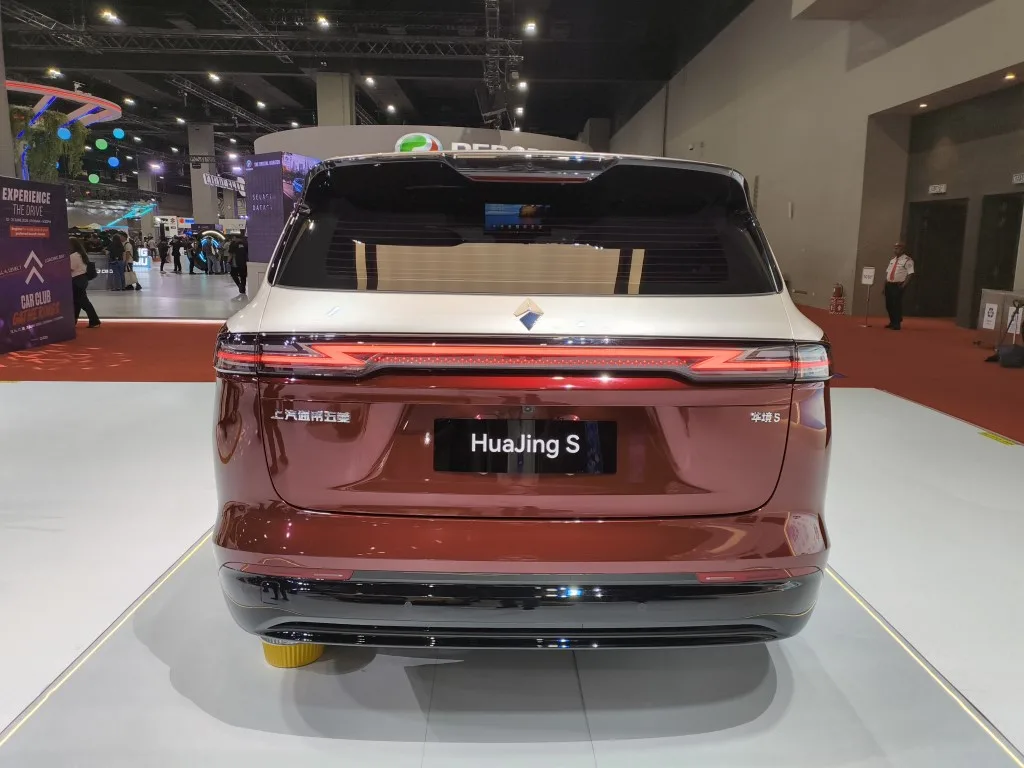
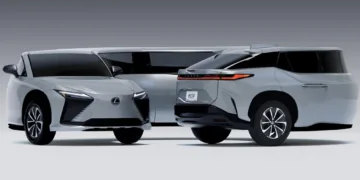

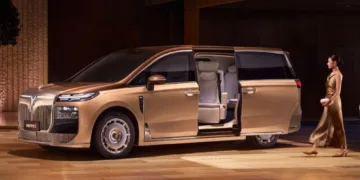




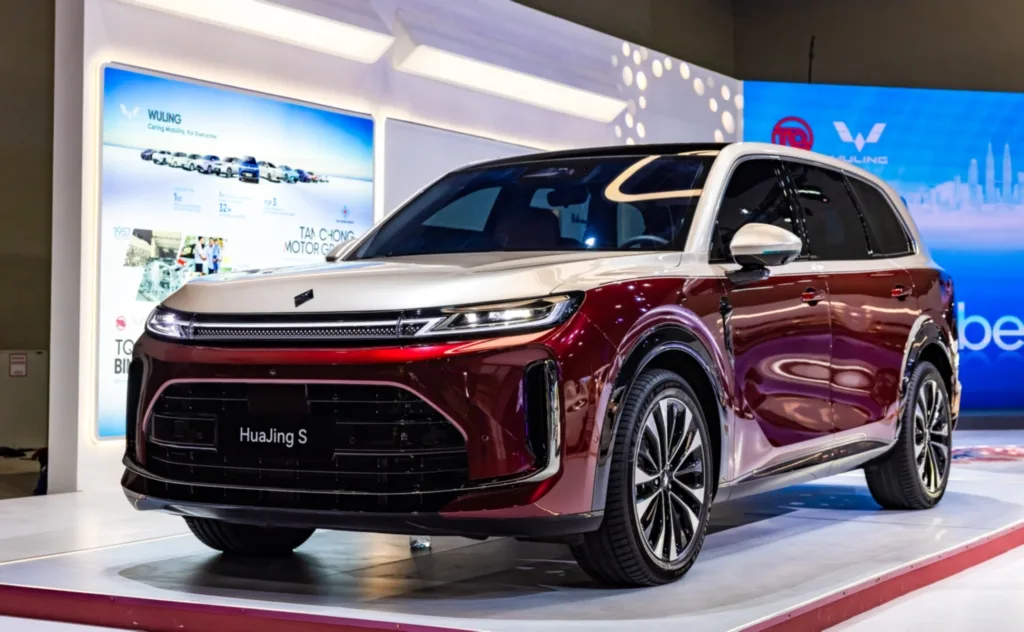
TQ Wuling has used KLIMS 2026 to give Malaysians an early look at the Huajing S, a large six-seat electrified SUV that pushes the brand well beyond the affordable-city-EV space occupied by the Bingo.
The Huajing S is the main talking point at the TQ Wuling stand because this is its first appearance outside China.
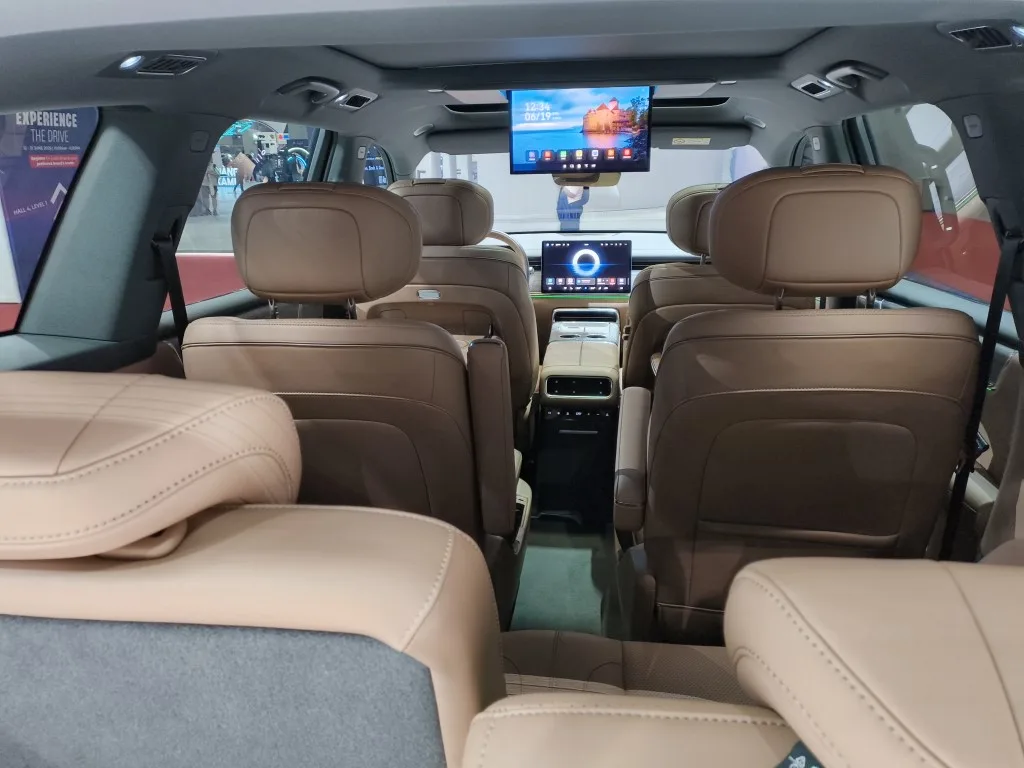
It is also a very different kind of Wuling. Instead of a compact runabout pitched at first-time EV buyers, the Huajing S is a premium three-row SUV with a 2+2+2 seating layout, Huawei technology and a plug-in hybrid powertrain.
In China, it uses a 1.5-litre turbo plug-in hybrid system, with the higher-output all-wheel-drive version producing 386 kW and 620 Nm. Wuling claims a 0–100kph time of about five seconds and a combined driving range of more than 1,100 km.
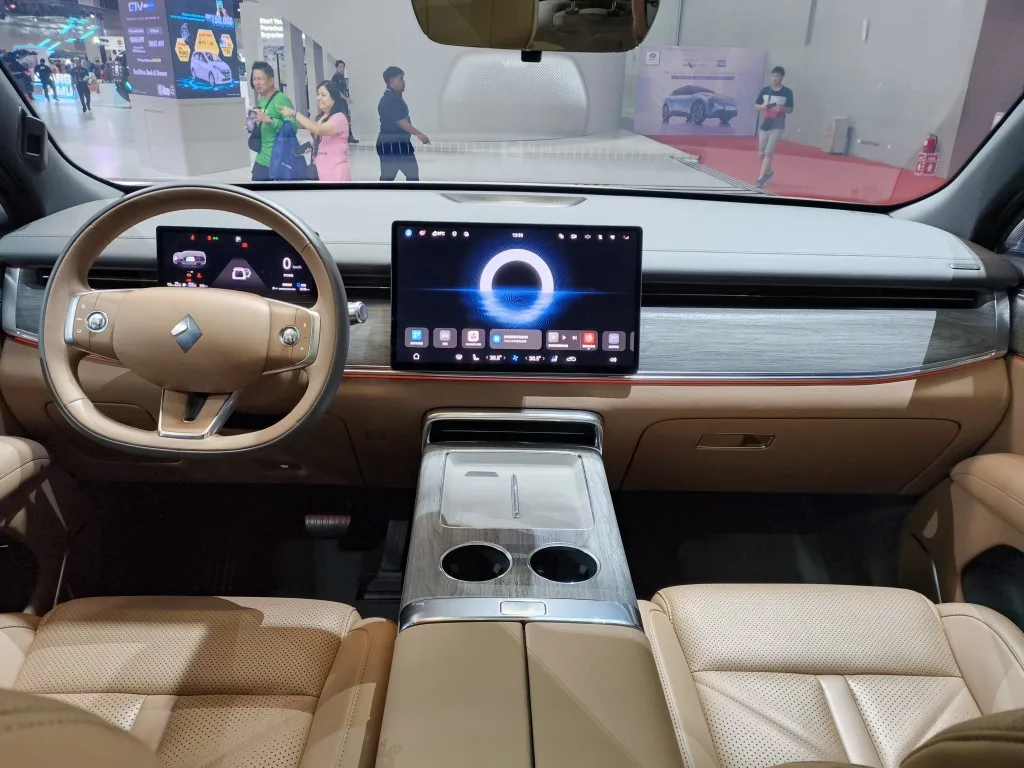
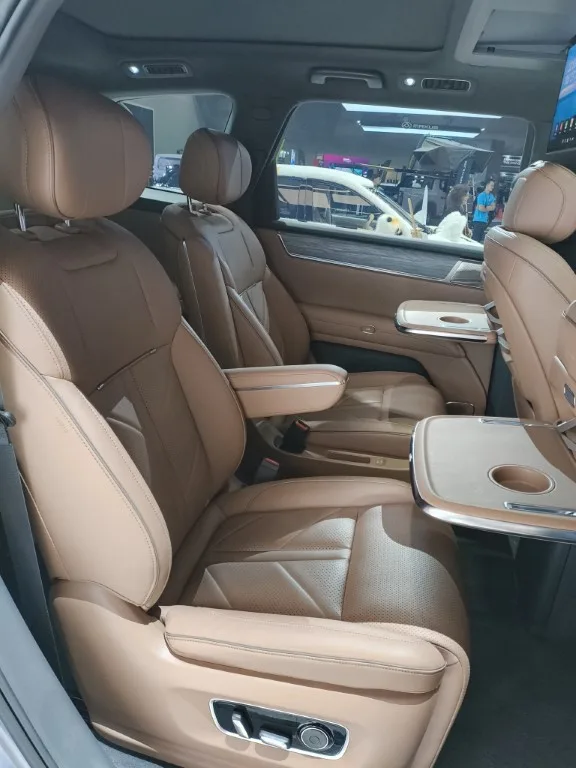
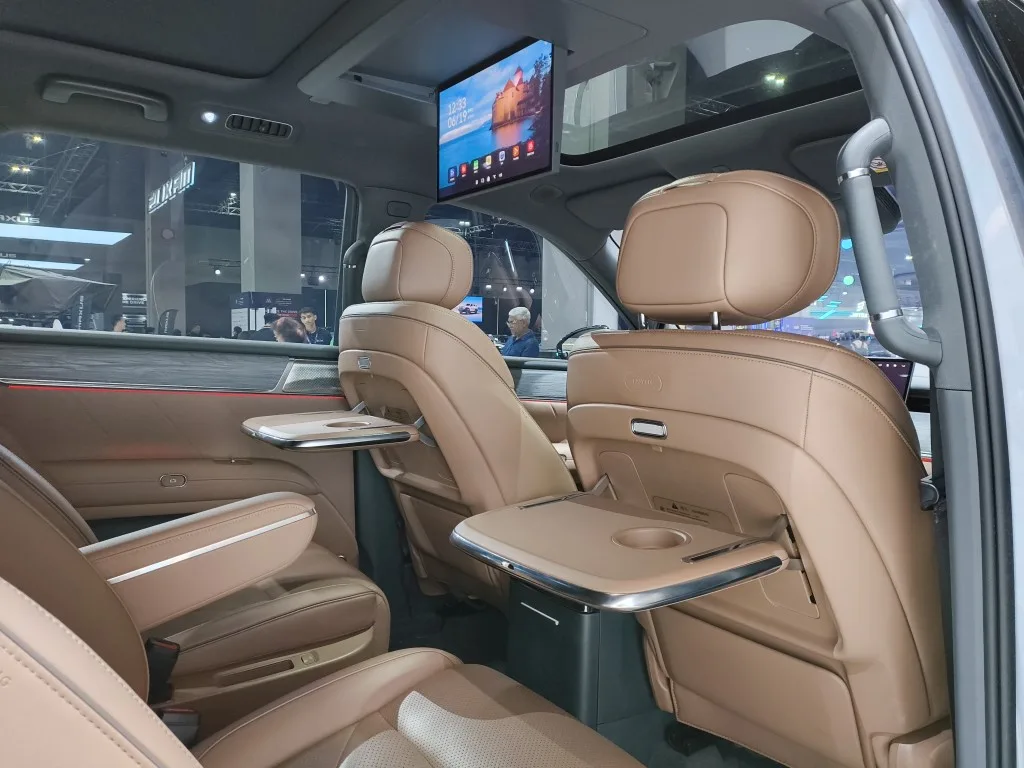
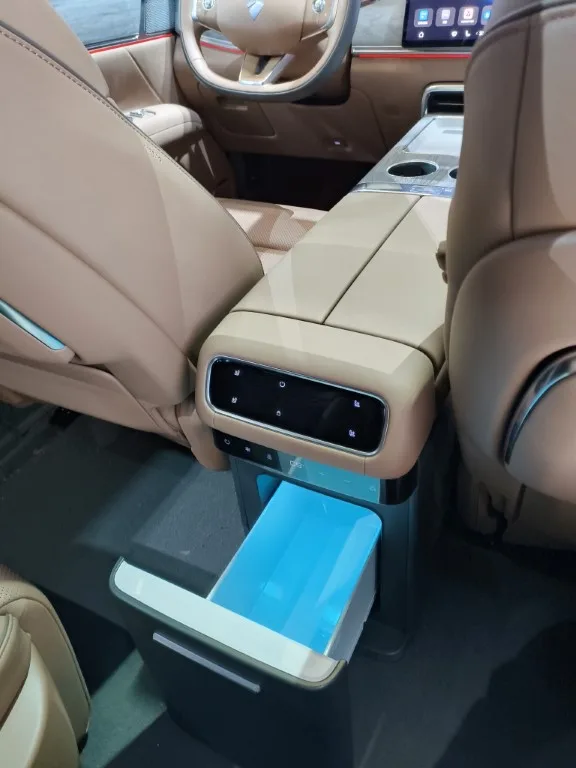
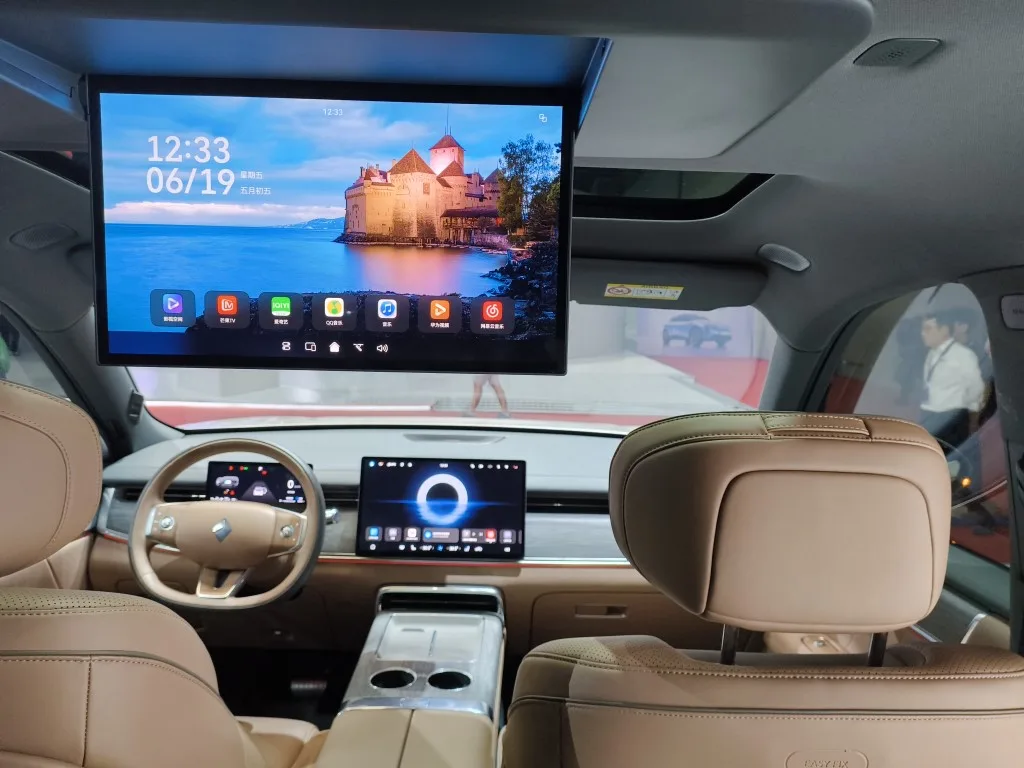
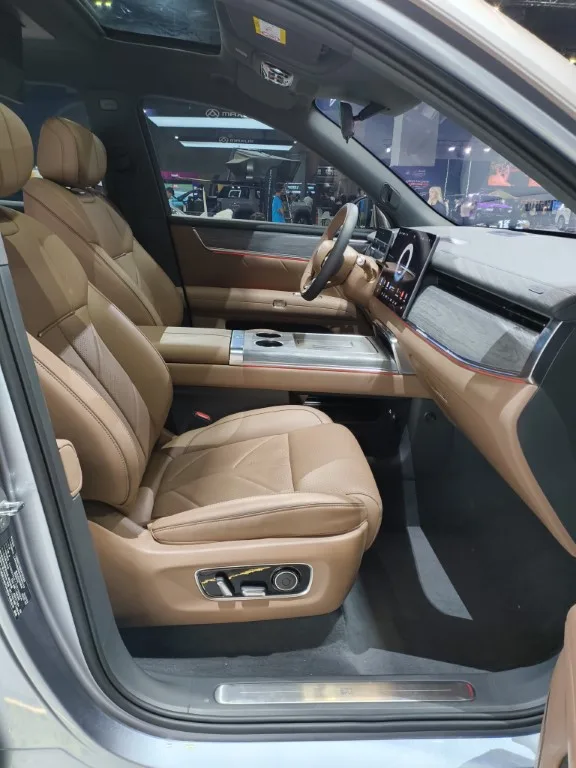
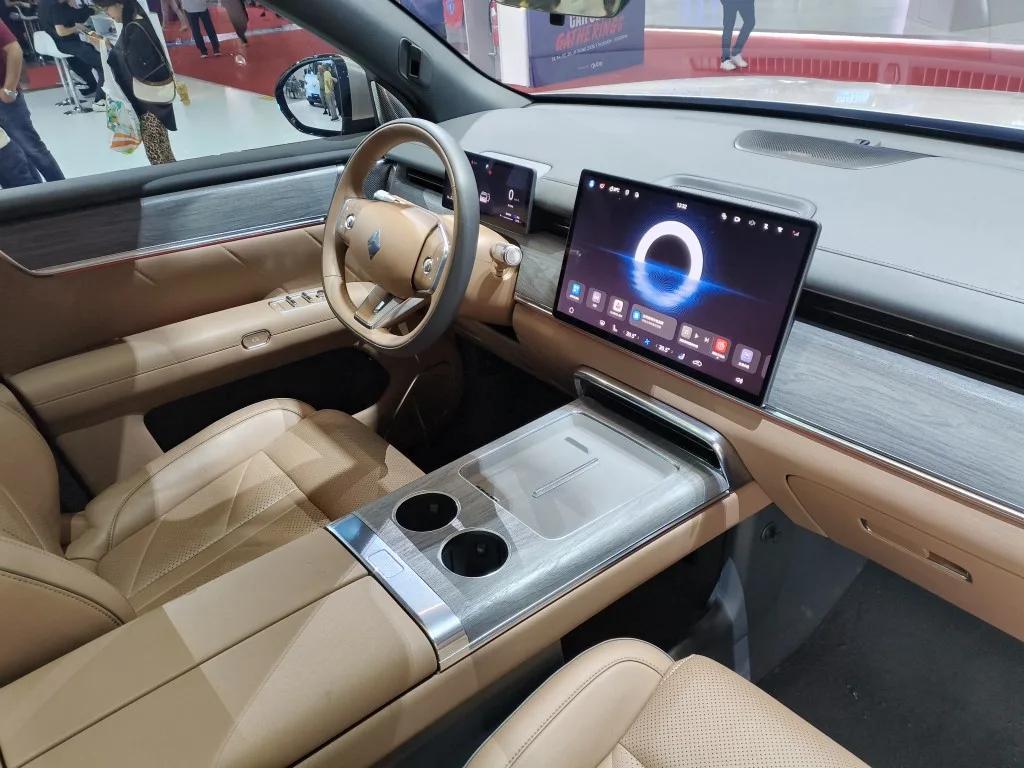
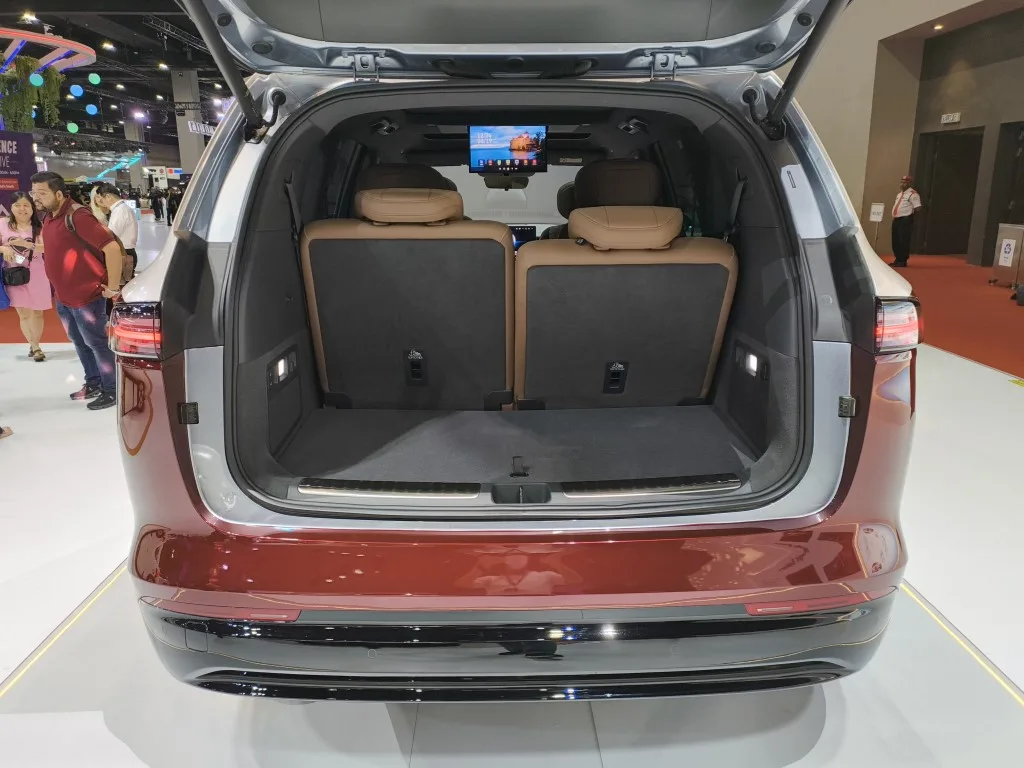
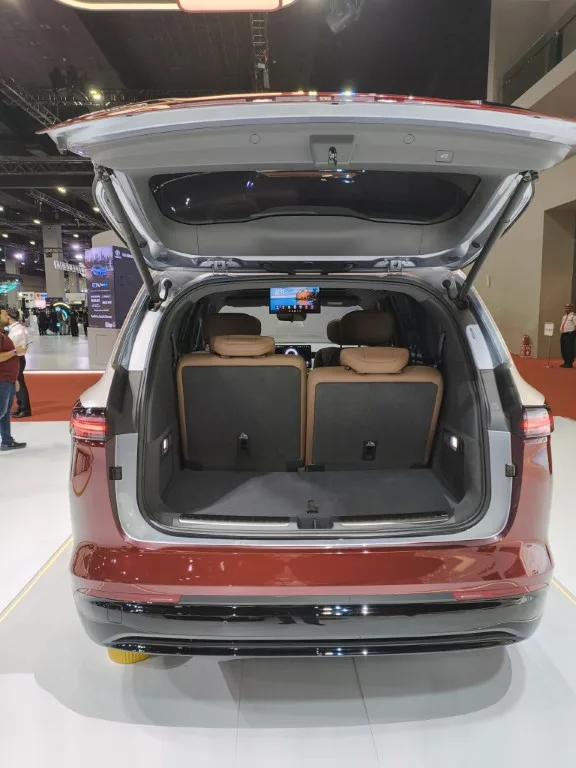
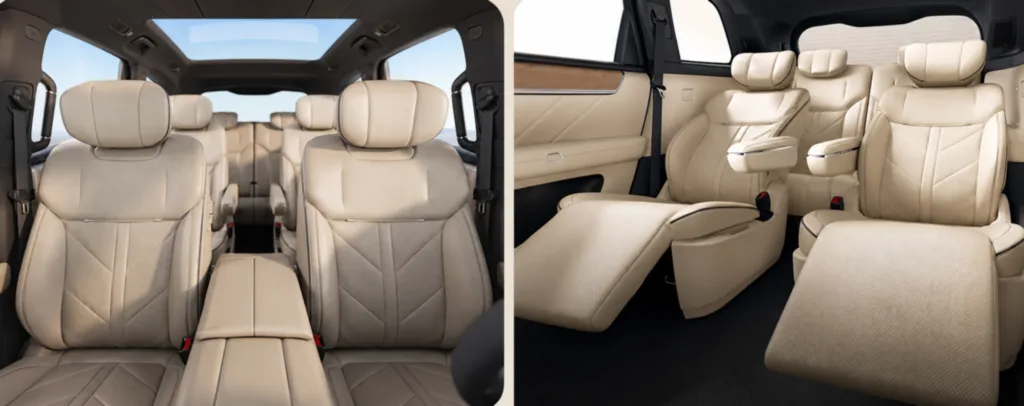
The cabin is where the Huajing S starts to feel like a deliberate image reset for Wuling. The six-seat layout gives it captain-style middle-row appeal, while the cargo area is unusually practical for a three-row SUV. Wuling’s China material claims a 423-litre dual-layer sunken luggage compartment, with space for seven suitcases even when all six seats are occupied.
Huawei’s role is also central to the car. The Huajing S is offered in China with Huawei Qiankun ADS Pro, HarmonySpace 5 smart cockpit technology and Huawei’s vehicle cloud platform. It also uses Huawei’s Limera in-cabin laser vision technology, with assistance features such as urban navigation assist, highway navigation assist and advanced parking functions listed for the China-market model.
Safety is another area where Wuling is trying to sound more upmarket. The Huajing S is designed around the latest C-NCAP five-star safety standards and uses Huawei Qiankun CAS 4.0 collision avoidance technology.
The body structure includes 2,000 MPa ultra-high-strength steel developed with Baosteel, a six-ring safety cage and a dual door-ring design. The cabin is listed with nine airbags and 14 airbag chambers.
The Shenlian Battery 3.0 uses CATL hybrid battery cells and what Wuling calls a “Five-Zero” safety architecture. The brand claims the platform has clocked 76.6 billion km of real-world use without spontaneous combustion.
Porta EV
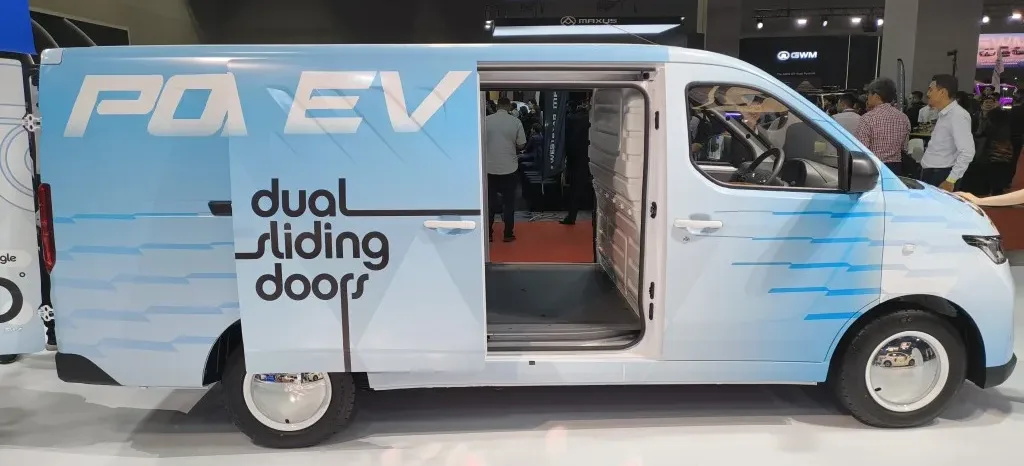
Next in the KLIMS line-up is the TQ Wuling Porta EV, an upcoming electric commercial vehicle aimed at urban logistics, fleets, small businesses and last-mile delivery operators.
TQ Wuling lists a claimed range of up to 400 km on the CLTC cycle, which would be about 320 km on a conservative TienCars WLTP-equivalent estimate. No Malaysian price has been announced, but visitors can register interest at KLIMS ahead of its official launch.
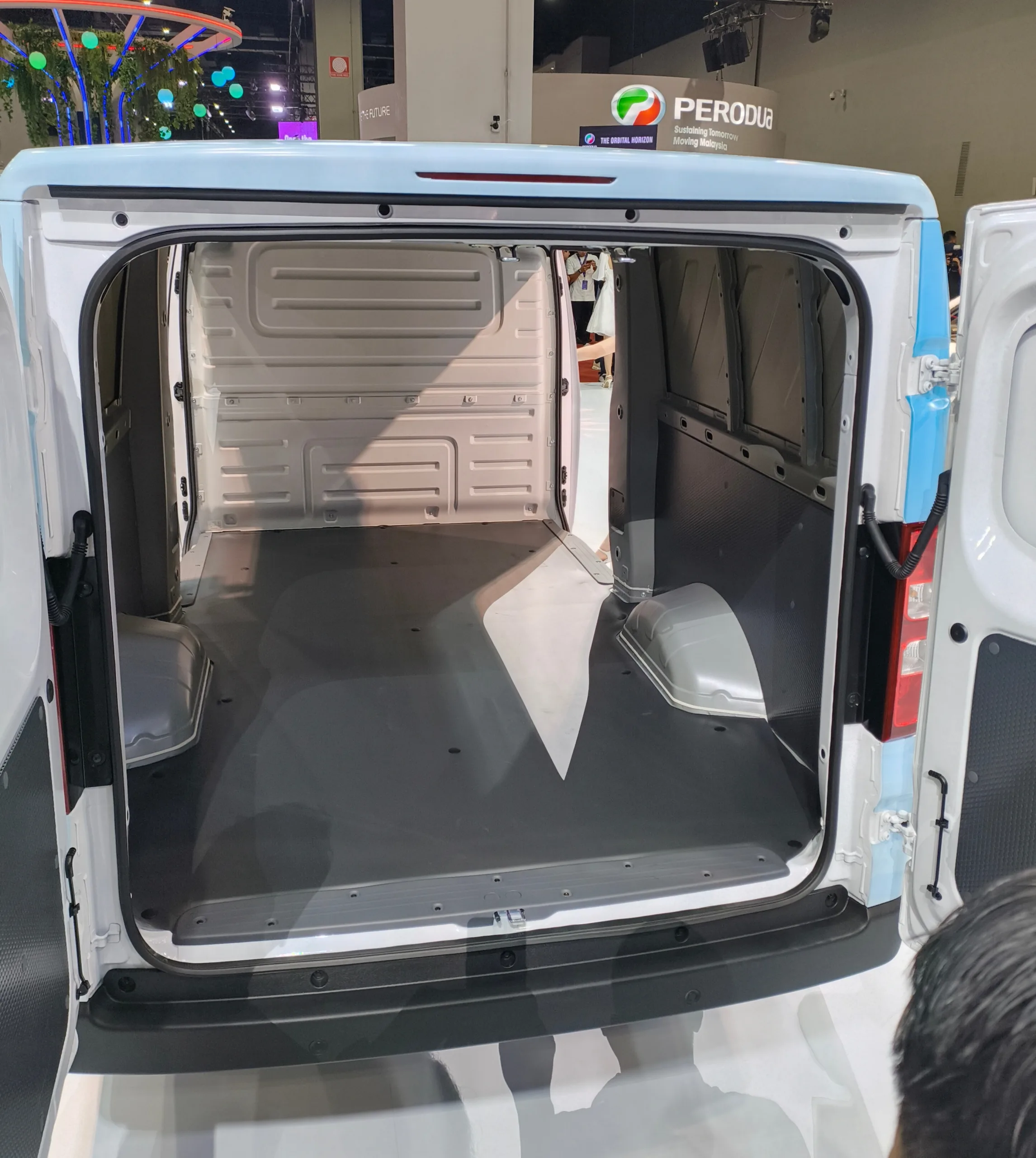
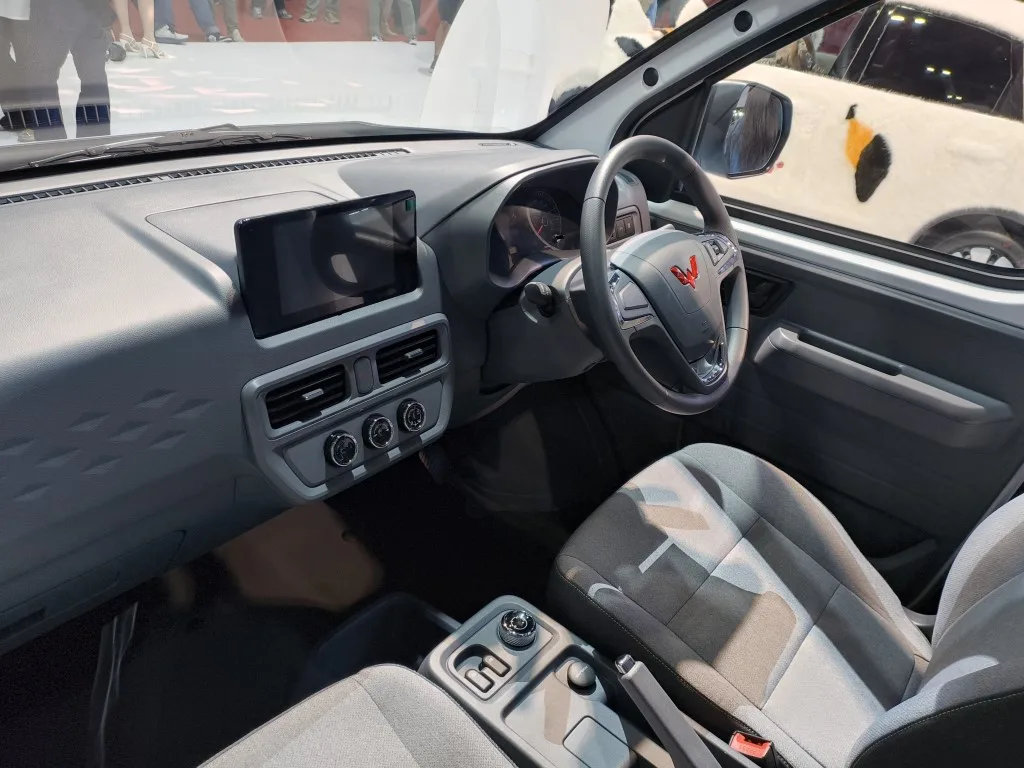
The Porta EV also broadens TQ Wuling’s reach because it gives the brand a foothold in the commercial vehicle space.
The brand is no longer focused only on private buyers looking for an affordable EV. With the Porta EV, it is also targeting fleet operators, delivery services and small businesses, where fixed routes and overnight charging can make an electric van a practical option.
Bingo EV
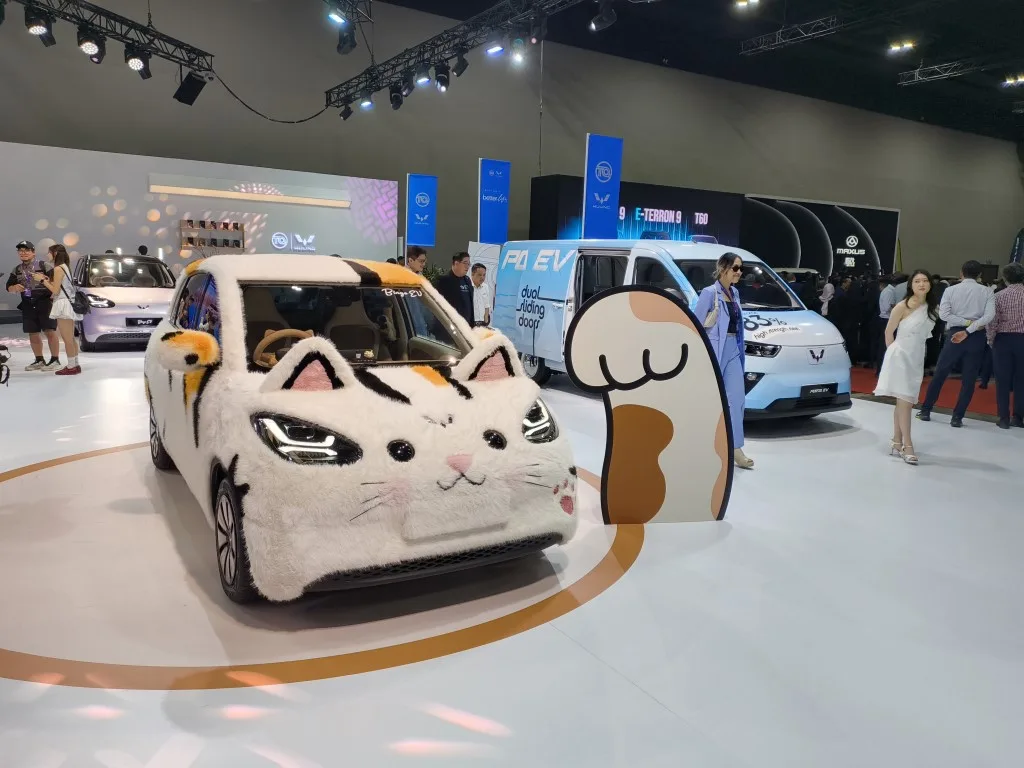
The Bingo EV remains the model Malaysians can actually buy today. Locally assembled at Tan Chong’s Segambut facility, it is displayed at KLIMS in standard form, alongside the “Bingo Meow” and a “Bingo Batik” version with a Malaysia-themed design.
Prices start from RM62,800 for the Pro and RM67,800 for the Max, based on Peninsular Malaysia individual registration, inclusive of rebates and without insurance.
The Pro and Max offer claimed CLTC ranges of 333 km and 410 km respectively, or about 266 km and 328 km on a conservative WLTP-equivalent estimate.
The Bingo EV also gets dual 10.25-inch screens, wireless Apple CarPlay and Android Auto, six airbags, selected driver assistance features and Wuling’s Magic Battery system.