






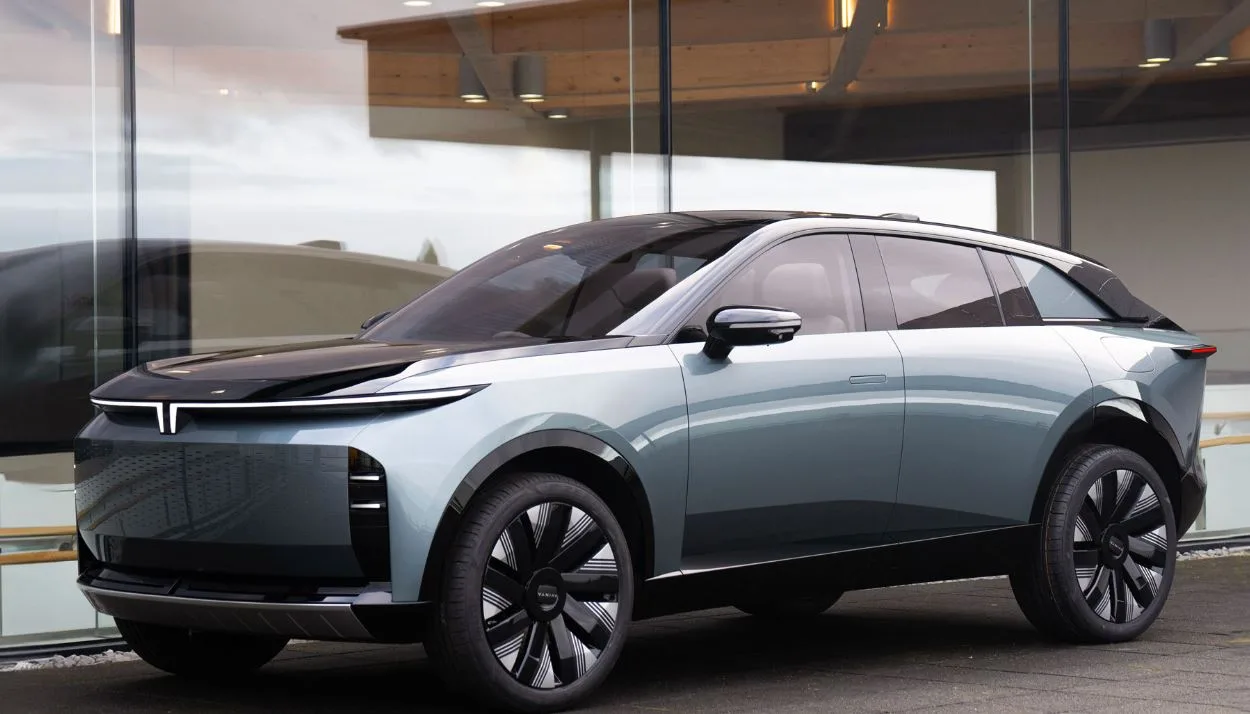
Tata Motors has turned to Chinese EV technology for its long-delayed Avinya programme, with Reuters reporting that the Indian carmaker will adopt a platform from the Chery-JLR joint venture to build the new premium range at home.
Reuters reported that Tata will use the Freelander platform — developed through the Chery Jaguar Land Rover (CJLR) partnership in China.
The decision came after Tata’s earlier plan to build Avinya models on JLR’s Electrified Modular Architecture (EMA) fell apart, following JLR’s decision to shelve EMA-based EV production in India.
The first Avinya on the Chery platform is due in 2027. That car will arrive from China in kit form for local assembly, and domestic component sourcing is already in progress.
Tata confirmed production will take place at its new factory in Tamil Nadu. A second model follows in 2029.
Autocar India filled in the product detail: the first car off the revised programme will be the Avinya X, internally codenamed P2.
The earlier P1 model — a low-slung sportback based on the 2022 Avinya concept — has been deprioritised, and engineering prototypes of the P2 are expected before the year is out.
Tata is not adopting the CJLR hardware as-is. The company is reworking electronics, software and vehicle systems for Indian requirements, with Tata Technologies managing the adaptation across offices in India, China and the UK.
The deal reflects the pace at which Chinese EV platforms have become commercially viable for third-party use — and for Tata, it is a pragmatic course correction.
Avinya was conceived as the brand’s move into premium EV territory, but a sequence of delays and cost constraints made an independent platform untenable on the original schedule.
Chery, for its part, confirmed it will supply Tata Motors Passenger Vehicles on a project-by-project basis, each under its own commercial agreement.
Reuters noted that Tata still intends to develop a proprietary dedicated EV platform in the longer term.