




Renault has turned the new Twingo E-Tech electric into a rolling city-data collector, and it is a neat reminder that the next phase of urban mobility may not be about moving people alone.
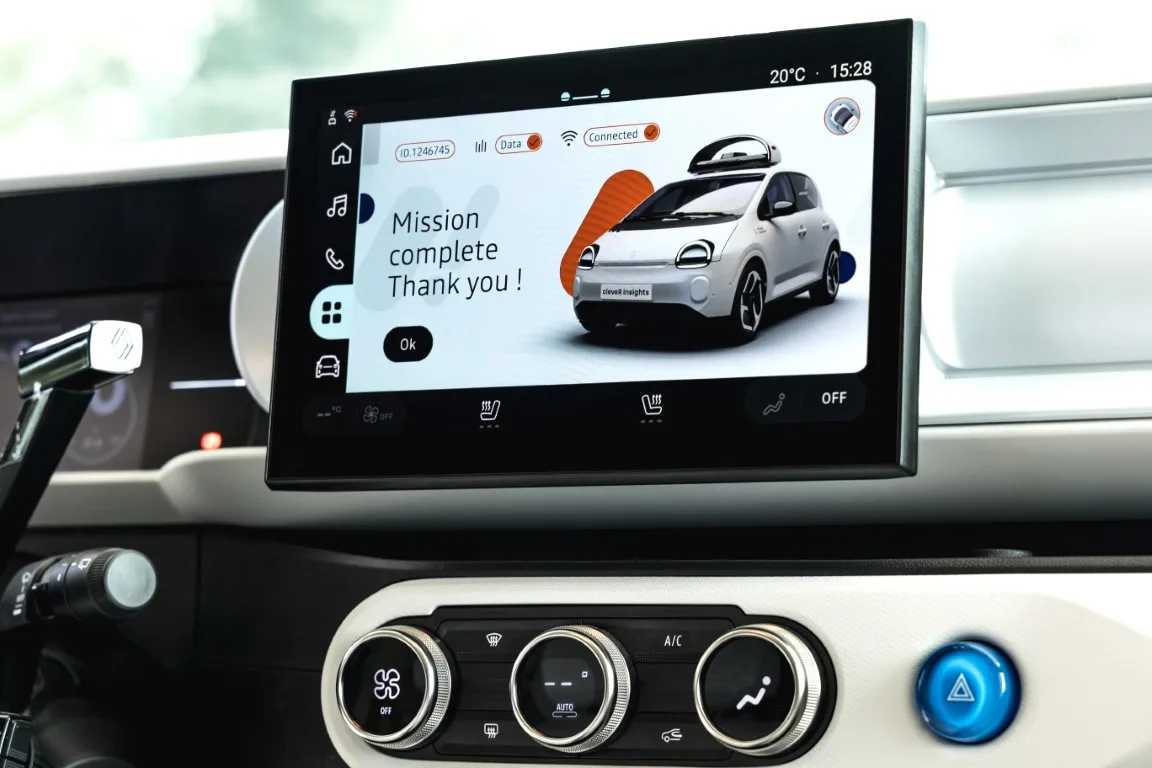
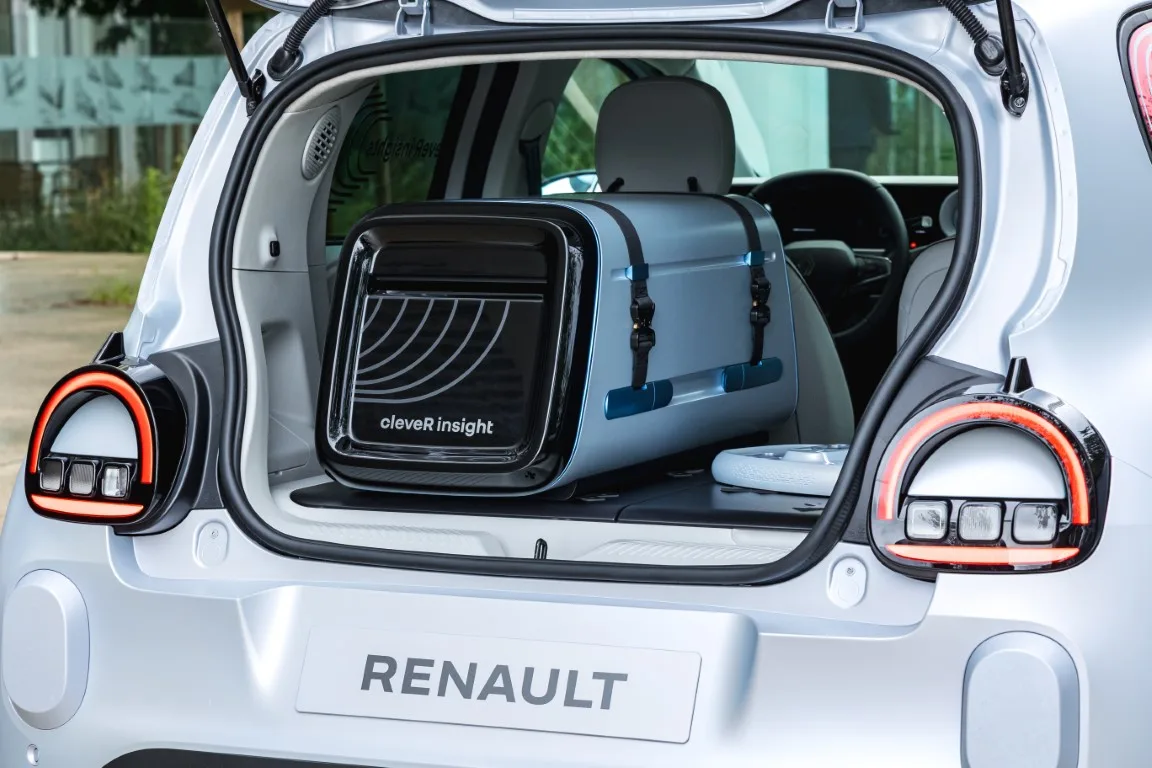
The project is called cleveR insights.
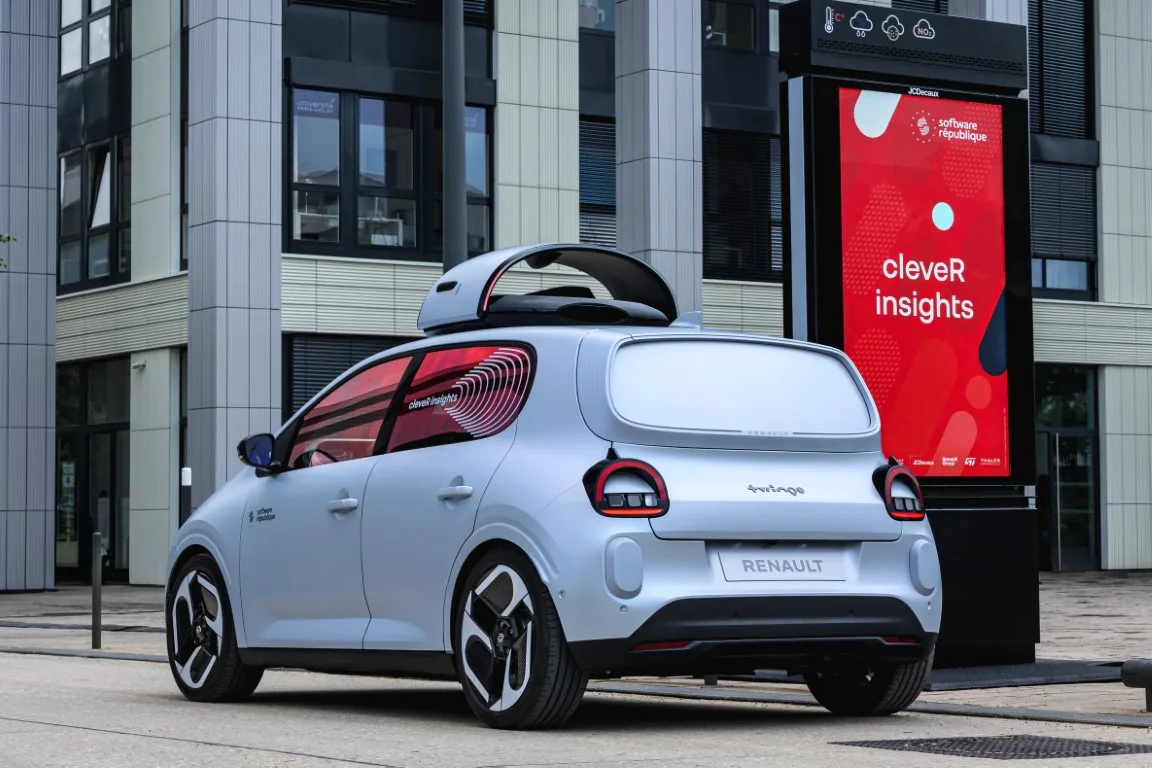
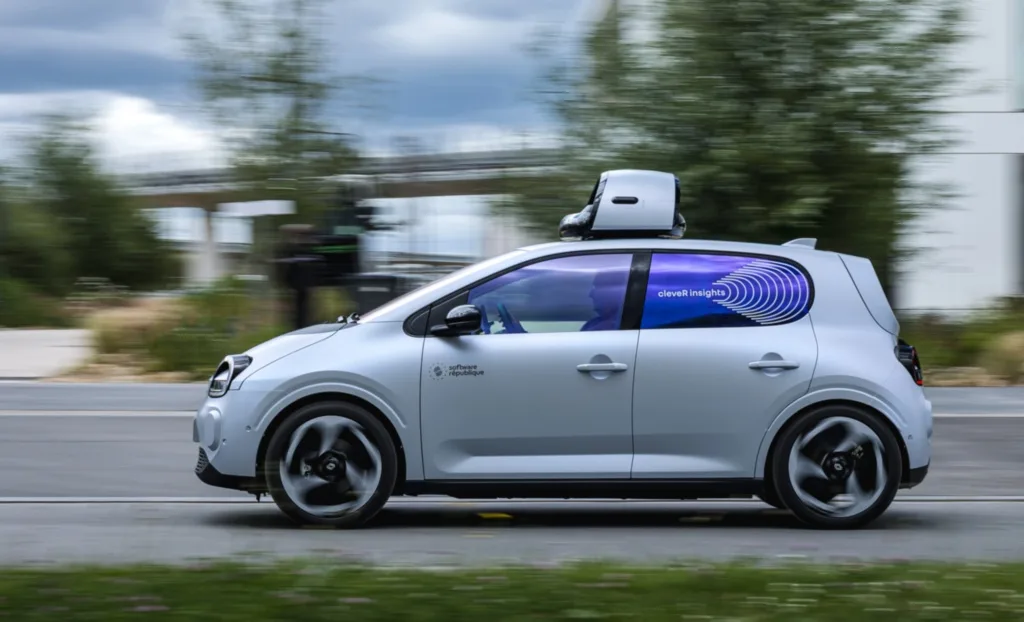
Developed with Software République, it uses the compact electric Twingo as a mobile observation vehicle for councils, public agencies and fleet operators that need better information on what is happening on the ground.
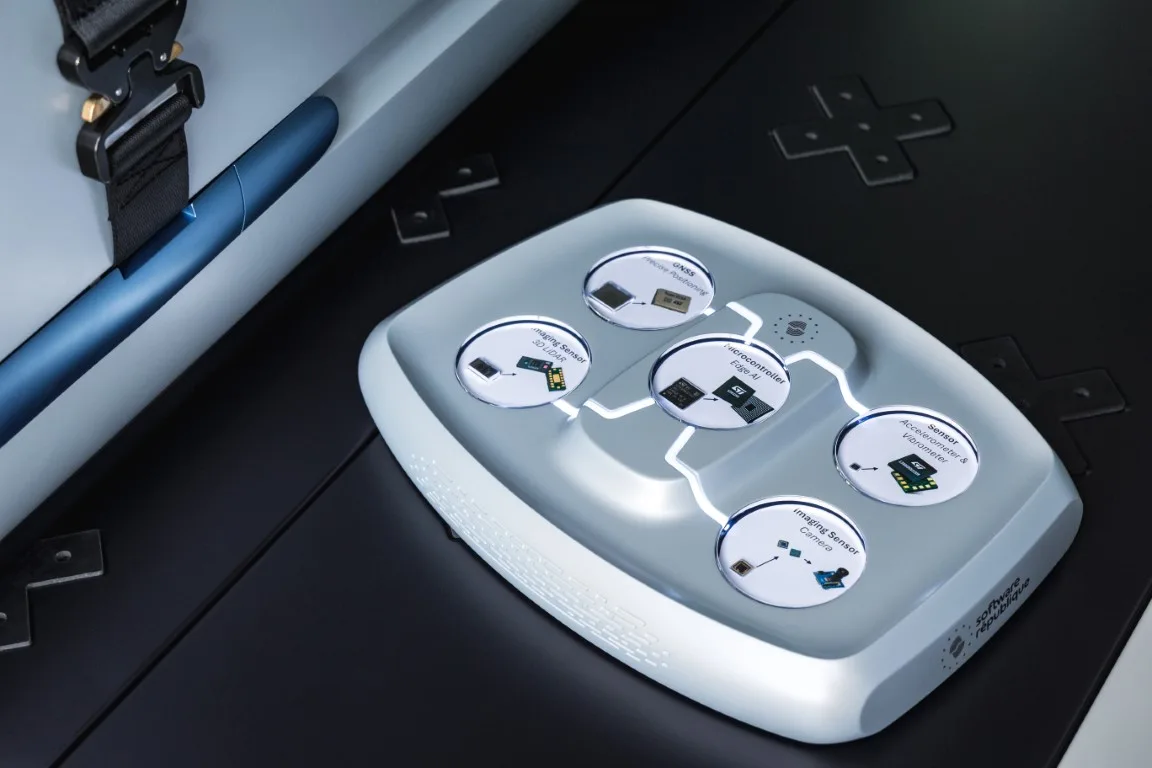
It is a small electric car fitted with cameras and sensors. As it moves through a city, it can collect information on pollution, noise, road damage, dry zones and other local conditions.
The data can then be analysed and mapped, giving public authorities a fresher view of streets, neighbourhoods and problem areas.
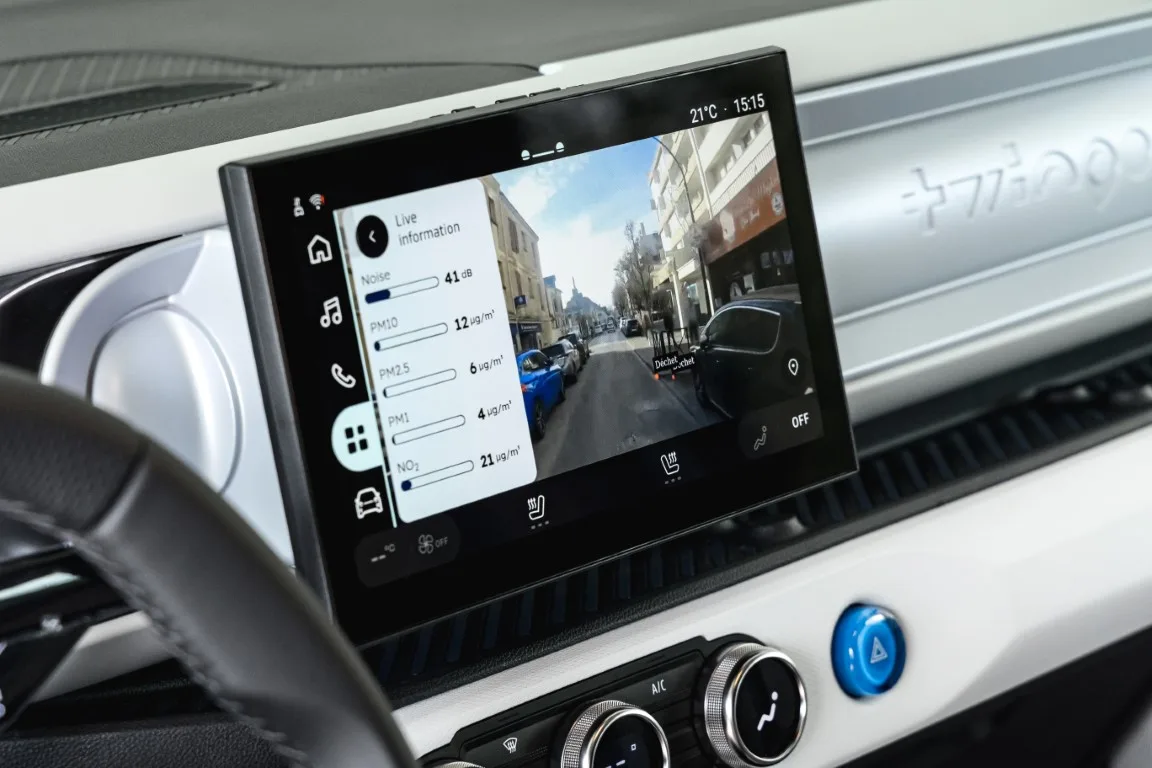
The choice of car is sensible. The Twingo E-Tech electric is only 3.79 metres long, so it can work in tight urban spaces without needing a van-sized footprint. It is also electric, which allows quiet running and zero tailpipe emissions while carrying out measurement work.
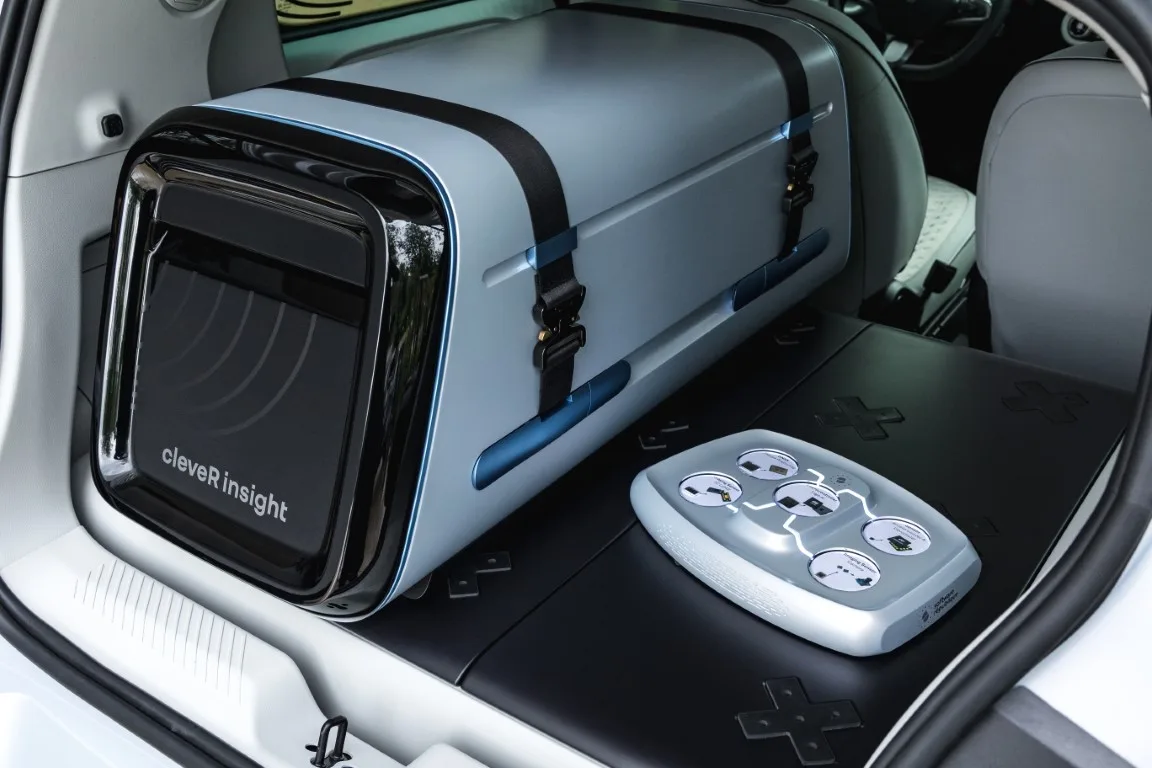
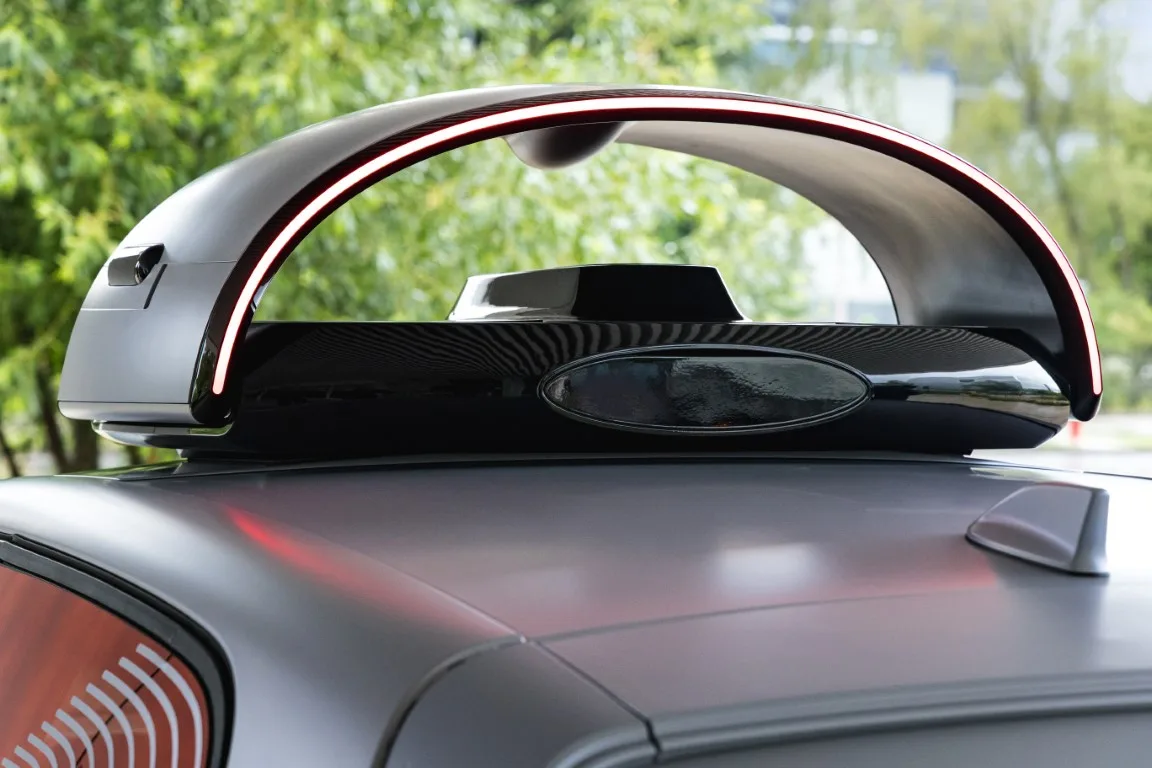
The most obvious change is the sensor arch on the roof. Renault has given it a clean, almost sci-fi look, but the hardware has a practical job: housing cameras and sensors for real-time data capture.
The system can also be paired with Apache, a technical unit co-developed with Bruitparif, to analyse tyre and road noise and map the acoustic condition of road surfaces.
Renault is pitching cleveR insights as more than a motor-show prop. The setup is based on a homologated production vehicle, with a modular load area that can carry equipment for different jobs.
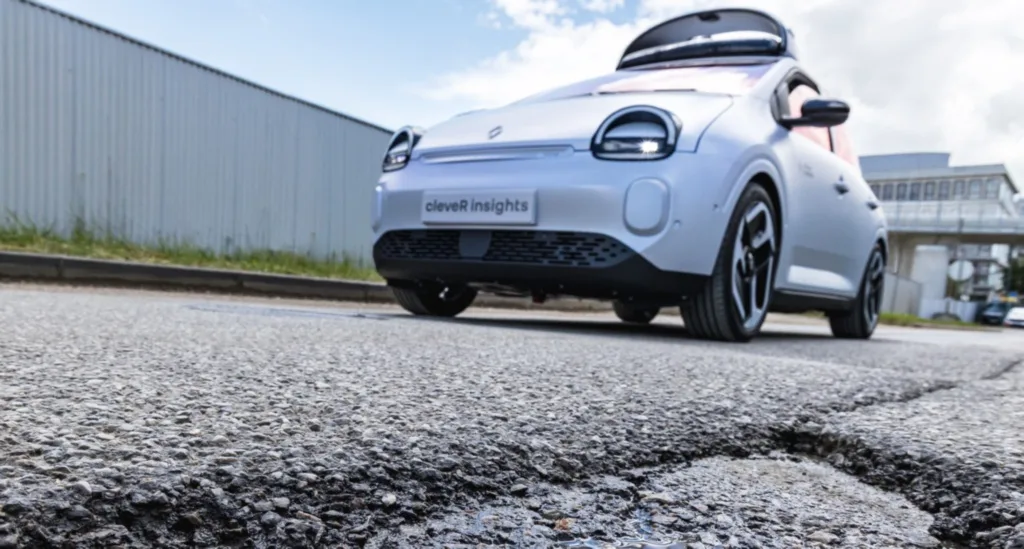
That opens the door to use by municipalities, maintenance teams, operators or companies that already run urban fleets.
There is an obvious privacy question whenever cars start collecting street-level data. Renault said it focuses on urban management and environmental monitoring, not surveillance, but public agencies will still need clear rules on how such data is collected, stored and used.
Cities already use fixed sensors, cameras and field inspections. Renault’s proposal adds moving sensors to the mix, using an affordable electric city car instead of a specialised survey vehicle.
It is not the sort of EV story that sells cars on range or acceleration. But it does show how carmakers are looking beyond private ownership. In Renault’s case, the humble Twingo is being recast as a tool for reading the city, one street at a time.