







General Motors (GM) has activated a feature already built into more than 250,000 American electric cars: the ability to sell power back to the electricity grid.
A software update now goes further than the existing home-backup function.
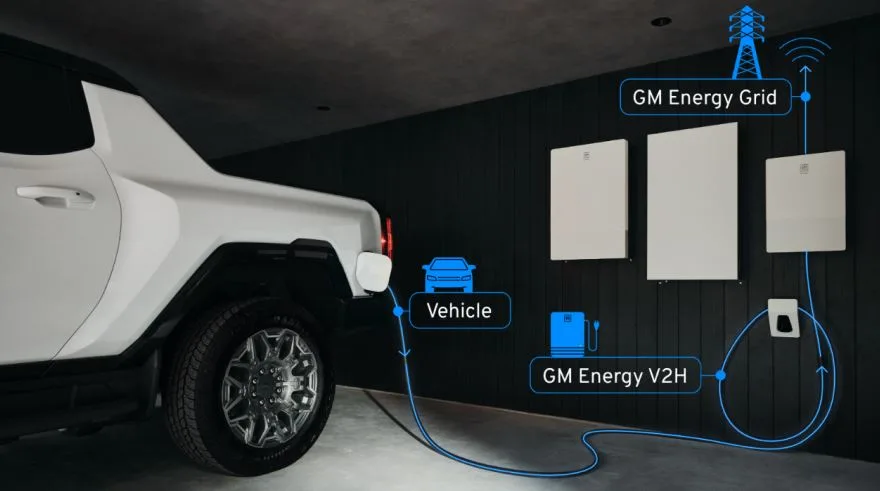
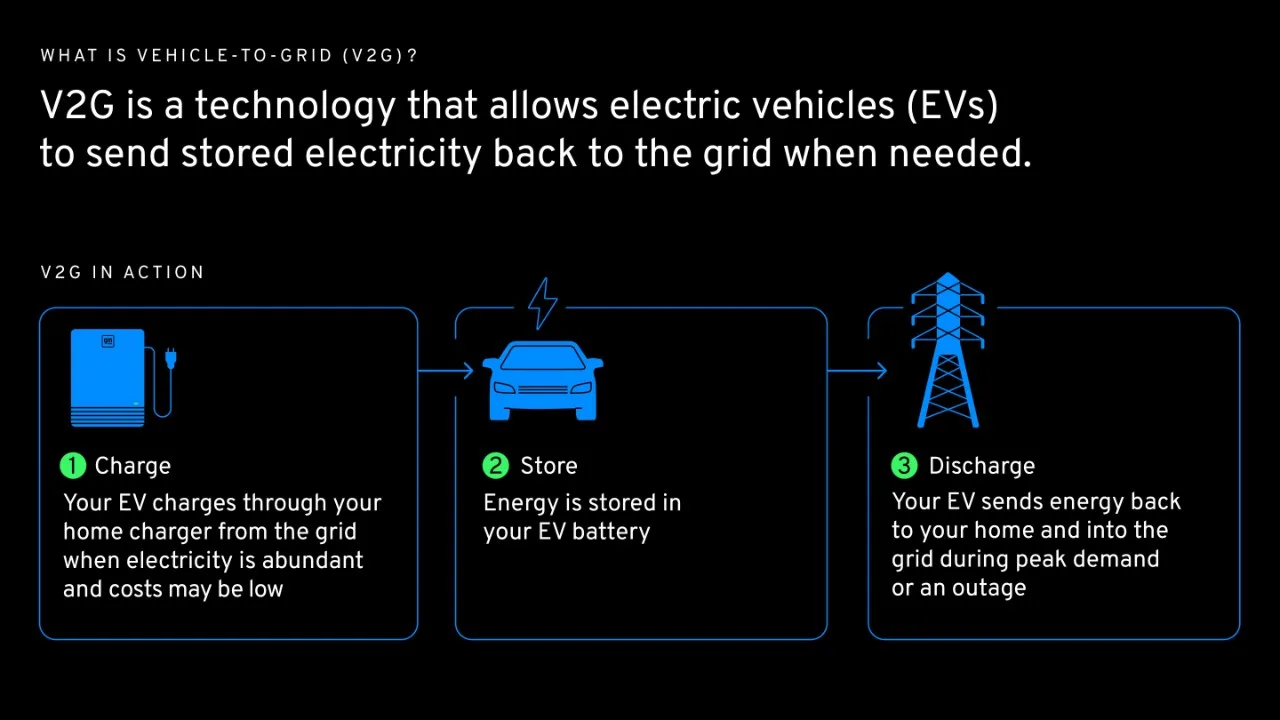
Where the vehicle-to-home system lets a GM EV keep the lights on during a blackout, the new vehicle-to-grid capability means a plugged-in car can push power out to the wider network.
The Chevrolet Equinox EV, GMC Sierra EV and Cadillac Lyriq are among the models able to do this — no new hardware needed.
The timing matters because grids are under growing pressure. Air conditioning loads in summer, heating in winter — at peak moments, utilities often have to run costly backup plants to keep up. If enough parked EVs are plugged in and enrolled, they can collectively cover some of that shortfall.
GM said its current fleet holds enough combined capacity to run around 120,000 average US homes for a week. That’s a meaningful pool of stored power sitting idle in driveways.
Owners who enrol and are plugged in during a demand spike can earn money from their utility. GM takes a cut of those payments — so this is a revenue stream for the company, not just a driver perk.
The commercial rollout is still a few months out. GM is in talks with around 10 utilities, with California and Texas first in line. A smaller, real-world trial is already running in Michigan, where 30 GM employees are testing the system with DTE Energy in their own homes.
Most utilities have been slow to back V2G because of the setup costs, the unpredictability of how many drivers will actually join, and the technical work of connecting privately-owned batteries to grid protocols.
GM’s argument is this: the cars are already on the road, already capable, and no owner needs to buy anything new.
How much any individual driver earns will depend on their utility’s rates, local time-of-use pricing and how charged they keep the car. GM has not put a number on it.