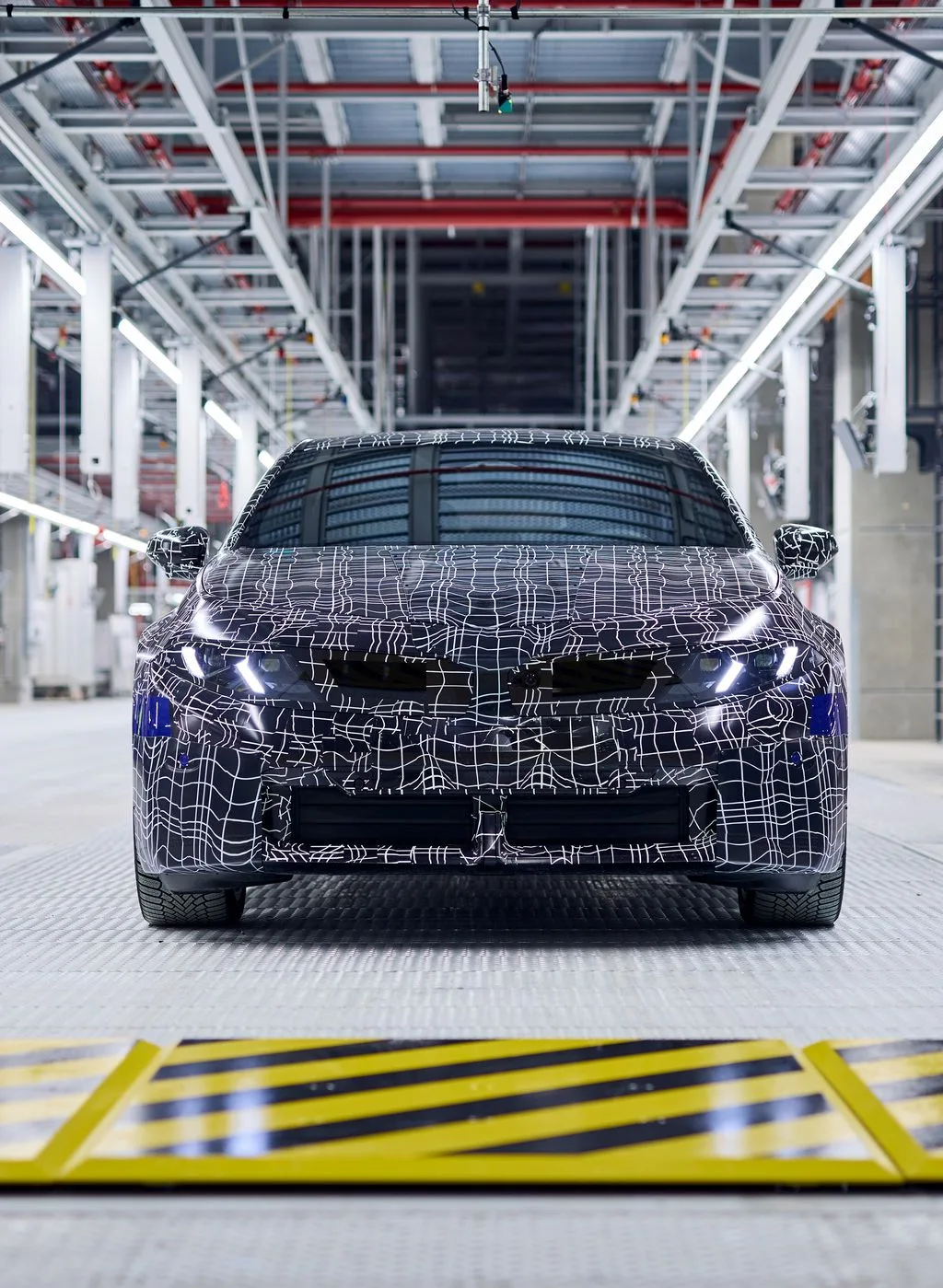





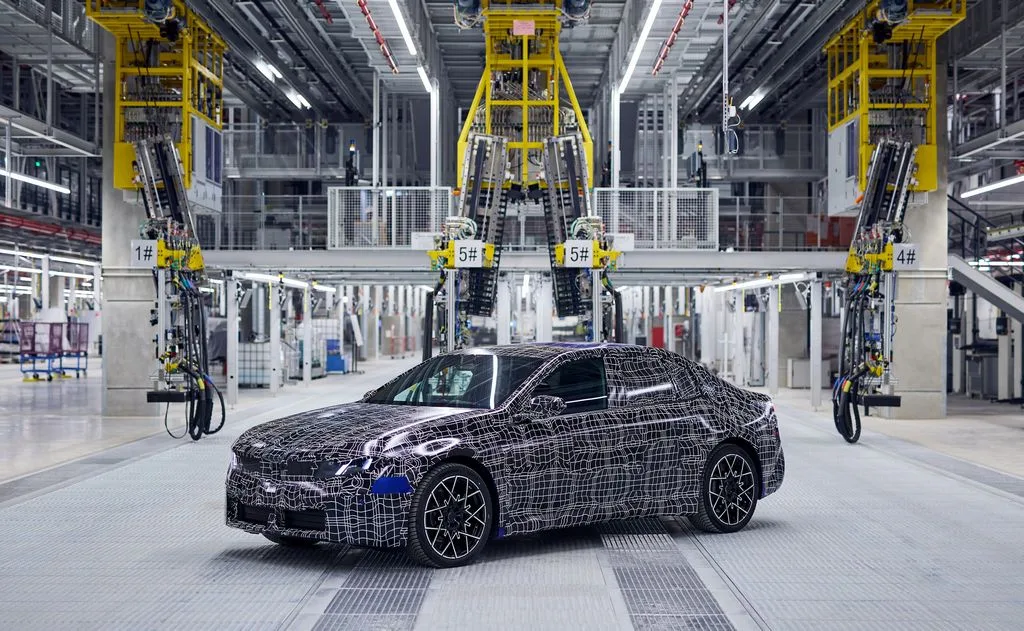
BMW Group Plant Munich moved into its next ramp-up phase after it began building the first near-series test vehicles for the new BMW i3, as the carmaker prepared for series production in the second half of 2026.
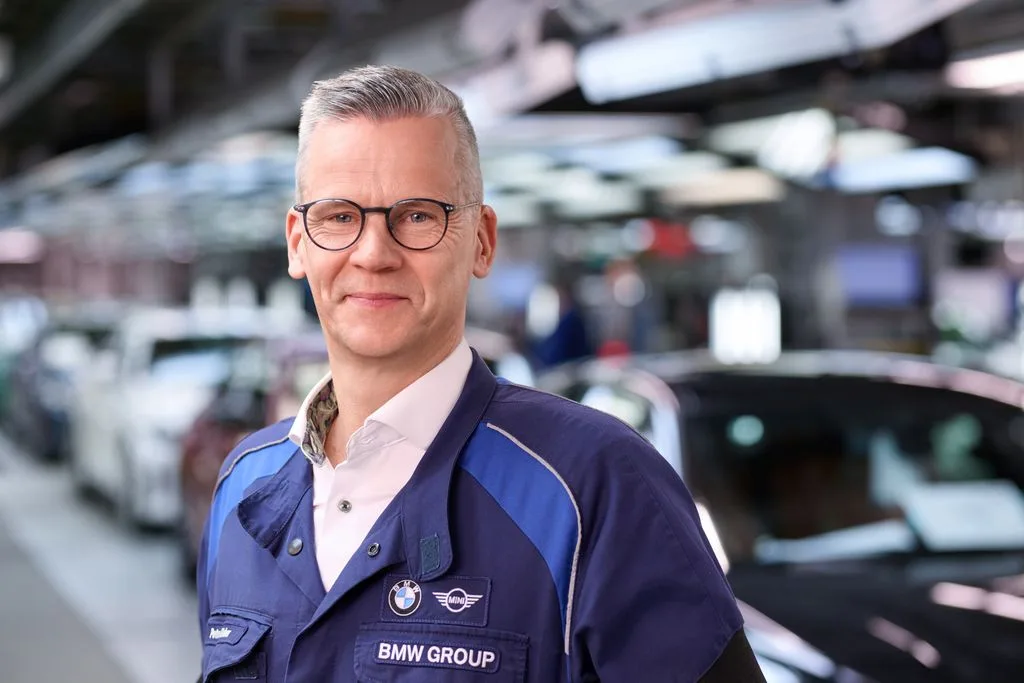
“Production of pre-series vehicles is an important milestone for our plant,” Plant Munich head Peter Weber said.
“For the first time, we have built a BMW i3 entirely at our plant – using state-of-the-art manufacturing technology and digitally connected processes.
“With production now close to series maturity, our logistics and production processes are performing under real-world conditions across all technologies: in our modernised press shop, the new body shop, the state-of-the-art paint shop and the new assembly area, as well as the innovative logistics structures.
“Over the coming months, we will apply the lessons learned from the ramp-up to further refine the processes for series production and ensure a smooth series launch.”
BMW said the pre-series phase was a key step in integrating a new model into a factory, because it stress-tested material flows, equipment and quality gates before volume production started.
Until recently, the first vehicles were assembled through a split setup, with Plant Munich staff working alongside a team at a nearby pilot plant at BMW’s Research and Innovation Centre.
With new manufacturing and logistics areas now completed at the Munich site, the i3 builds ran through the full set of production steps in-house.
Even with small quantities, BMW said parts were supplied via the intended material routes and processed on the line as planned for series output.
Each component and each step was closely checked, with particular attention on approval inspections for new tools and production equipment, and how these systems linked digitally with existing factory infrastructure.
BMW said the system tests helped surface optimisation opportunities that would be worked through over the coming months.
It added that employee training also intensified during this period, shifting from augmented reality sessions to hands-on work on the new installations and machinery, with cross-department coordination aimed at supporting a smooth start of production.