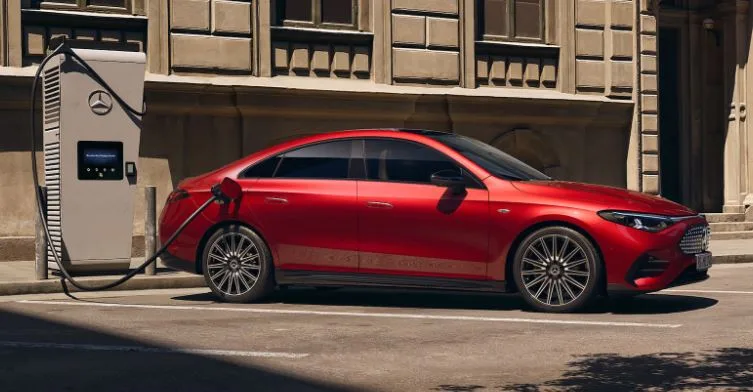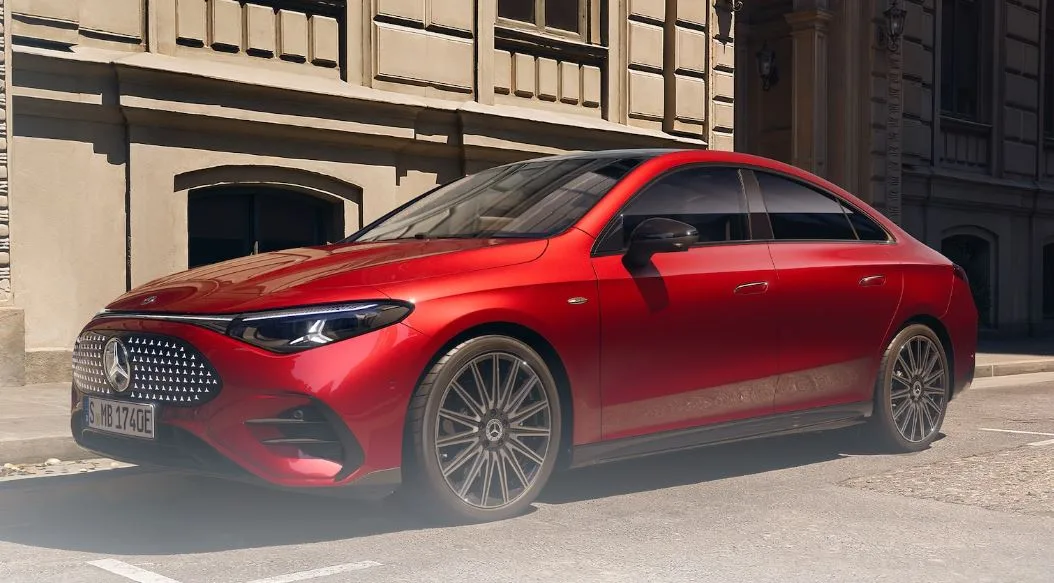










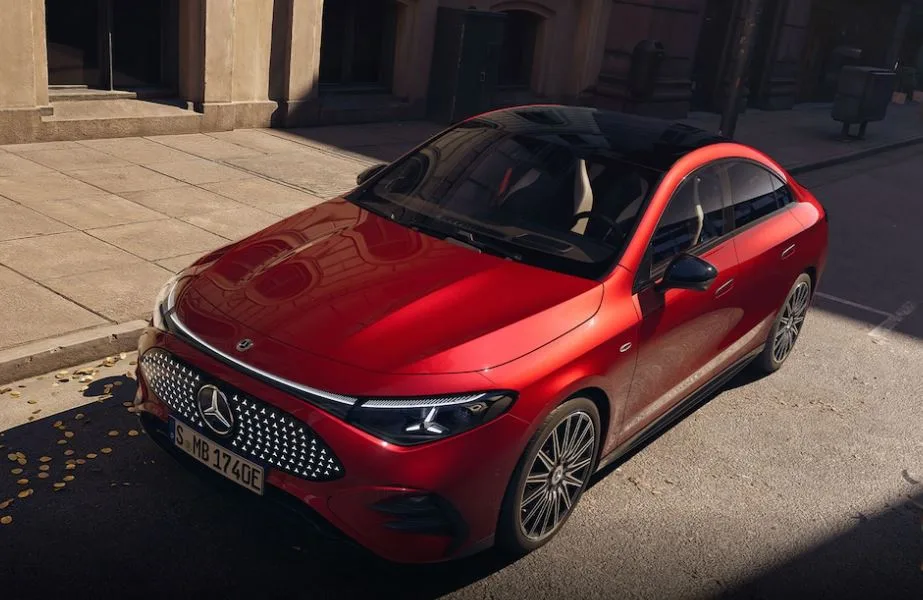
Mercedes-Benz Malaysia pulled the covers back, briefly, on the all-new electric Mercedes-Benz CLA this month, giving Malaysians an early look at the brand’s next compact four-door model ahead of a planned market launch in the second quarter of 2026.
The preview was held at Stars@Mercedes-Benz Bangsar in Kuala Lumpur with public viewing slots set for Jan 15-18.
For Malaysia, Mercedes-Benz signalled a simplified opening line-up: the CLA 250+ with EQ Technology.
An estimated price of RM295,888 was quoted during the preview period, and registrations of interest and pre-booking were opened ahead of final specifications and pricing confirmation closer to launch.
While local specifications are still not fully locked in publicly, the numbers being discussed are drawn from the CLA’s global technical brief.
The CLA 250+ used a single rear motor rated at around 200kW and 335Nm, with a 0–100kph claim of 6.7 seconds and a 210kph top speed. Energy is derived from an 85kWh (usable) NMC battery, paired with an 800V electrical architecture and a two-speed transmission designed to support efficiency at higher speeds.
Peak DC fast charging of up to 320kW is referenced, alongside a claim of roughly 325km WLTP added in about 10 minutes under ideal conditions, and a 10–80% figure of roughly 22 minutes.
One complication remained: early builds were reported as lacking a 400V-800V DC-to-DC converter, limiting use of 400V DC chargers, with the converter expected for new deliveries from spring 2026. The electric CLA, to recap, is based on an 800V architecture.
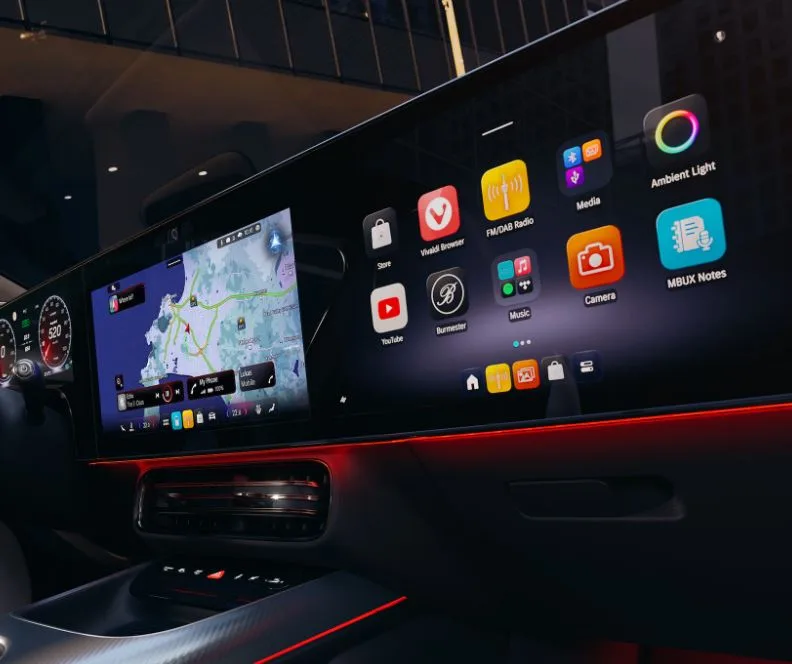
Inside, the CLA is all about screens and software, led by the MBUX Superscreen layout and MB.OS, with AI assistant integrations also highlighted during coverage.
A front boot of about 100 litres is a small but meaningful practical feature.
As background, the electric CLA carries strong safety credentials into 2026: Euro NCAP published a five-star result (publication: December 2025) and later named the CLA a Best-in-Class/Best Performer for 2025, with scores including 94% adult occupant, 89% child occupant, 93% vulnerable road users, and 85% safety assist.