


Global car buyers are quietly easing off the accelerator on full electrification, with many swinging back to petrol and diesel.
That is the clear message from the latest EY Mobility Consumer Index (MCI), a wide-ranging EY report that tracks sentiment and buying intent across major automotive markets.
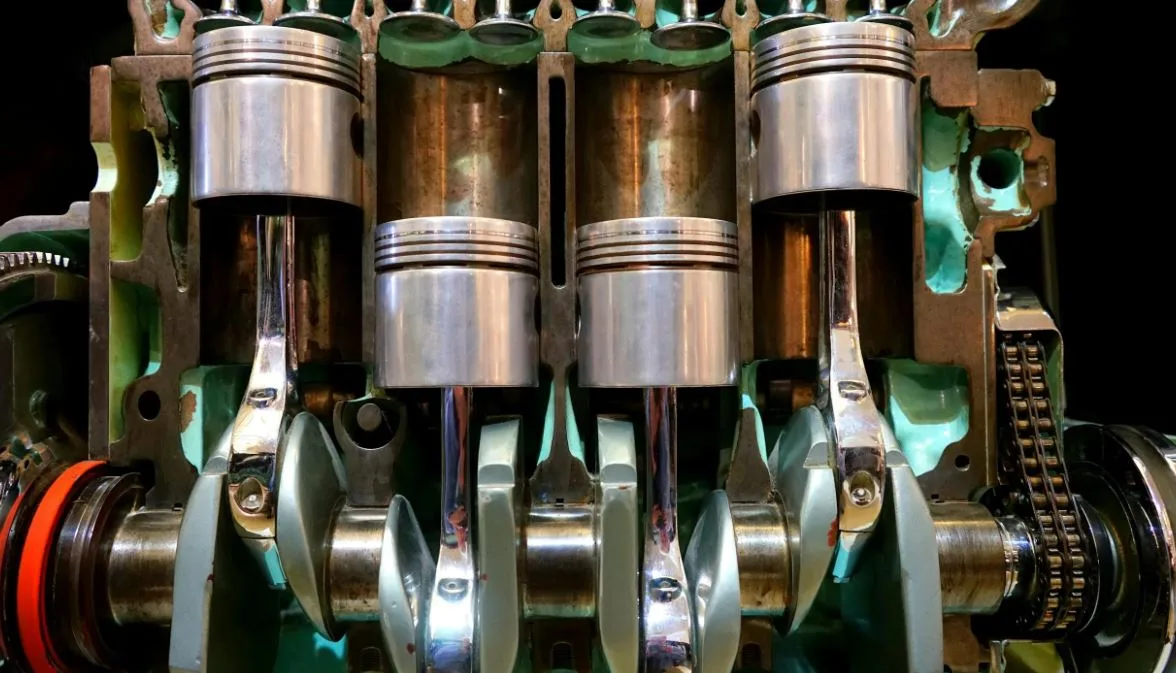
The 2025 edition, released ahead of CES 2026, shows half of all prospective buyers worldwide now plan to buy an internal combustion engine (ICE) vehicle within the next 24 months.
That 50% share is up a hefty 13 percentage points from last year. Battery electric vehicles (BEVs) have slipped back to 14% preference, down 10 points, while hybrids have eased to 16%, five points lower.
EY Global Aerospace, Defence and Mobility Leader Constantin M. Gall said the mood has shifted from idealism to practicality. “Consumers are weighing the realities of policy shifts, cost pressures and uneven charging infrastructure.
The long-term trend appears to be a shift away from a purely electric (‘E-only’) approach towards a more diversified future for vehicle powertrains, with different vehicle technologies serving different customer needs.
“We are also seeing a more pragmatic, less ideological policy discussion. Policymakers are returning to a fact-based approach, allowing the market to do what it does best: identify the right solutions for different customers.”
Regionally, intent to buy ICE vehicles has jumped 12 points in the Americas, 11 in Europe and 10 in Asia-Pacific, while BEV interest has fallen across the board. EY links the swing to policy reversals such as the removal of some US EV tax credits and softer emissions timelines, as well as carmakers rebalancing their line-ups back towards ICE and hybrid models.
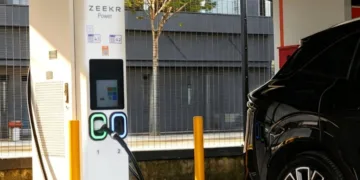
Range and charging remain the big confidence killers. Among consumers who favour ICE, 29% cite range anxiety, 28% complain about poor charging infrastructure, and another 28% worry about high battery replacement costs.
Existing BEV owners are still fixated on range (32%), while first-time EV intenders are more spooked by battery bills (37%).
Charge-point headaches are familiar: 39% struggle with finding chargers, 37% with long queues and 32% with high charging costs.
Even so, there is appetite for smarter energy use. One in three potential BEV buyers say they would join vehicle-to-grid schemes, feeding power back when the grid needs it.

The EY report also finds connected and autonomous tech gaining ground, but on buyers’ terms. Safety, security, navigation and maintenance services top the list of features people will pay for, ahead of comfort and entertainment.
Yet 39% say the cost of connected services is too high, and 60% are only comfortable with lower levels of automation. Just 26% feel at ease with Level 3 or higher autonomy, citing accident risk, technology failure and loss of control as major worries.
“With the emergence of software-defined vehicle platforms, connected features and advanced driver assistance systems (ADAS) will increasingly shape consumer decisions,” Gall said. He added that while comfort with higher autonomy is still limited, these technologies give carmakers significant scope to boost safety and personalise the driving experience.
For all the talk of online disruption, showrooms are not dead yet.
Dealerships remain the preferred final step, with 41% of buyers still wanting to complete the deal in person, down from 61% in 2024 but comfortably ahead of fully digital routes.
Interestingly, ICE buyers are slightly more open to going online (32%) than EV buyers (28%), as many EV shoppers still want face-to-face advice on charging, batteries and unfamiliar tech before they sign.