
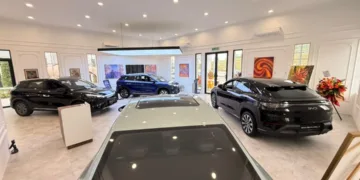
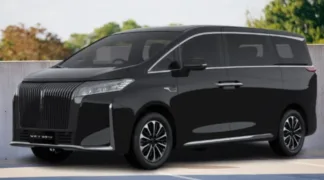
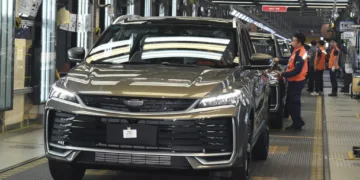
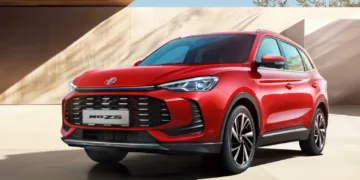






Dreame Technology has abandoned its attempt to become a luxury electric carmaker barely a year after announcing its entry into the automotive industry, bringing an abrupt end to one of China’s more unusual EV ventures.
The Chinese company, best known for robot vacuum cleaners and other smart-home products, confirmed to Reuters that it would no longer develop its automotive project as a standalone business.
Dreame said the decision followed a review of vehicle development and production cycles, investment demands and increasingly intense competition in the car industry.
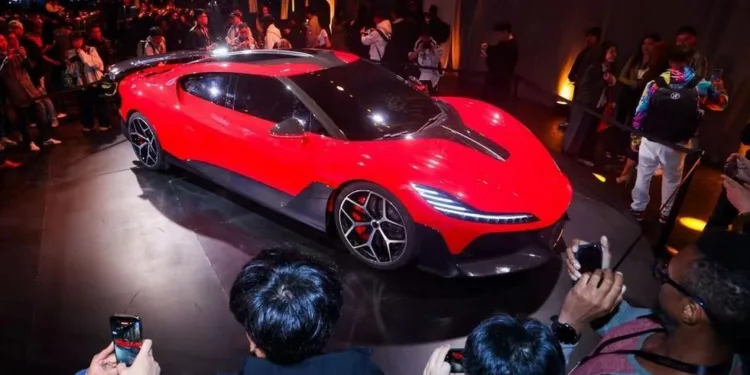
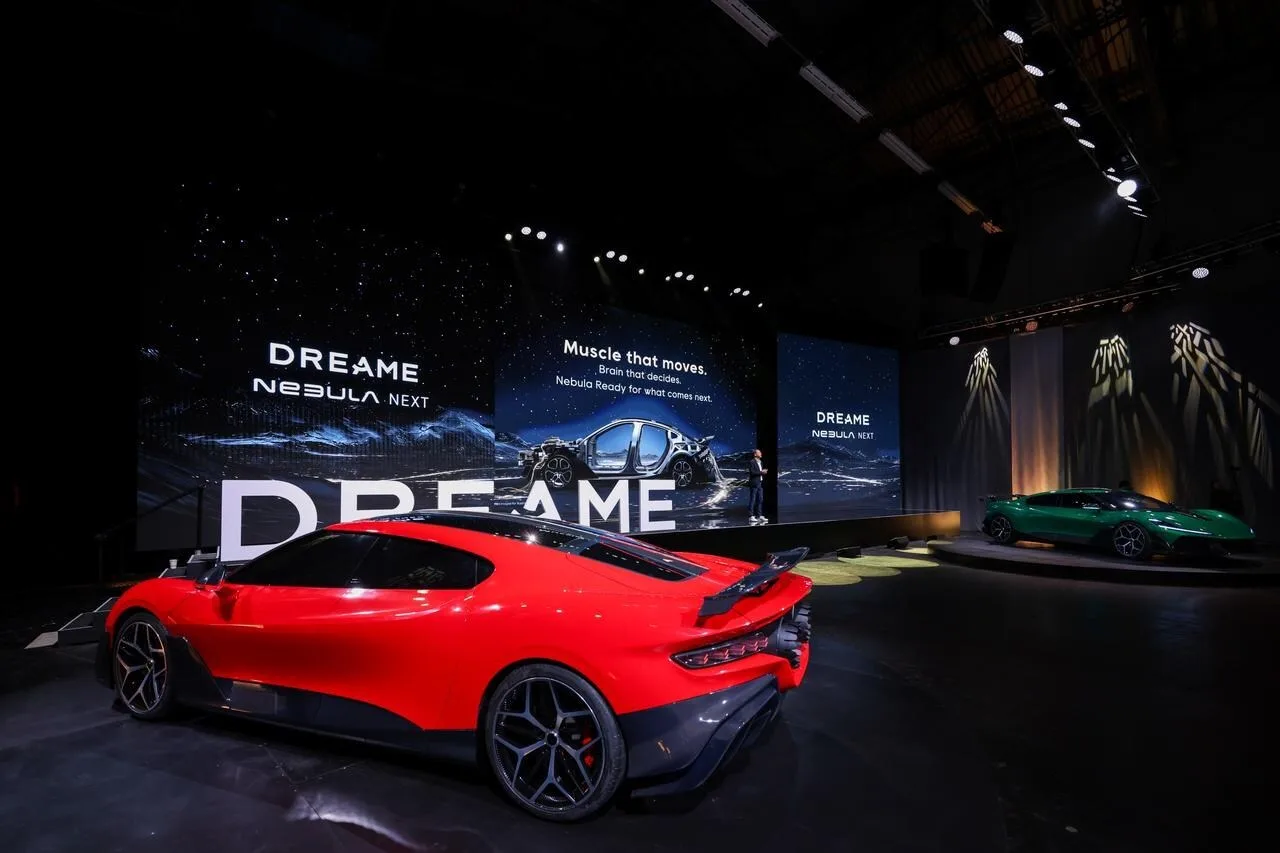
The retreat is a sharp reversal from August 2025, when Dreame announced plans to enter car manufacturing with an ultra-luxury EV intended to challenge the Bugatti Chiron and reach production in 2027.
Its ambitions subsequently expanded to include overseas retail and manufacturing plans, while concept cars were displayed at the Beijing Auto Show this year.
Internally, however, the project had been shrinking for months.
State-owned media China Economic Net reported that Dreame has decided to close the carmaking operation and deregister companies linked to its Star Project.
The automotive workforce, which approached 1,000 employees at its peak, has fallen to only a few dozen people. Those remaining are mainly handling finance, legal and human-resource matters, supplier payments and the closure process.
Another government-owned media group Yicai found similar signs during a visit to the project’s Suzhou offices. More than two-thirds of the desks on one floor were vacant, while layoffs had been under way since June.
Recruitment platforms were also showing job searches from more than 20 directors and numerous managers connected with the project.
An insider told Yicai that Dreame had explored three routes to production: manufacturing cars itself, using a contract manufacturer or building an overseas factory. None progressed far enough to deliver a production vehicle. The source said the planned 2027 production date eventually became unattainable.
Dreame nevertheless said some of the work would survive. The project never reached commercial mass production or required substantial heavy-asset investment, according to the company.
Intellectual property, engineering expertise and other research would instead be redirected into areas including robotics, smart mobility and Dreame’s wider research operations.