





The new BMW iX3 is bringing a wider package of active-safety systems that BMW plans to make standard across several model lines. The i3, X5 and 7 Series are among those due to follow.
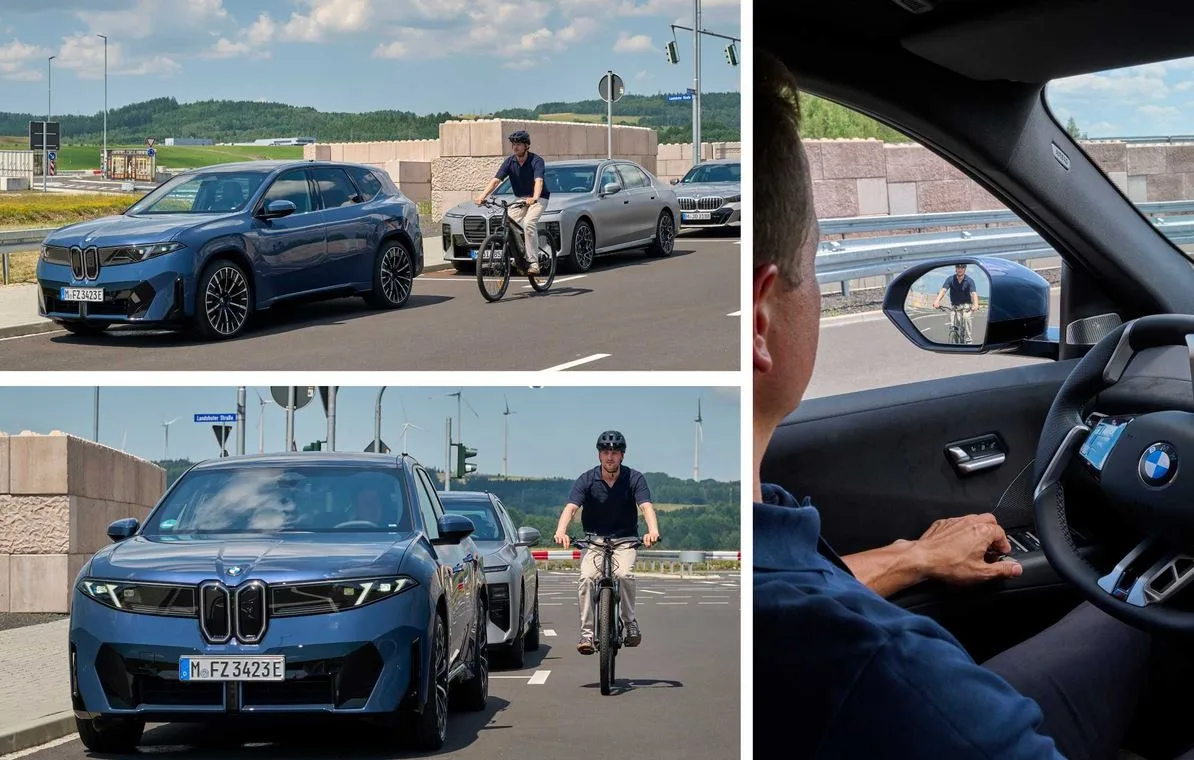
One of the more unusual additions is an upgraded exit-warning system aimed at “dooring” accidents. Side radar sensors monitor traffic around a parked vehicle, including approaching cyclists and other road users. If a collision risk is detected, the electronic door lock delays opening until the danger has passed. Earlier versions relied on visual and audible alerts.
BMW is also changing how its lane assistance behaves. Symbiotic Drive uses steering inputs and the driver’s line of sight to judge whether a manoeuvre is intentional.
Lane-keeping assistance should stay out of the way when the driver deliberately changes direction, provided the car detects no collision risk or danger of leaving the road. Turn indicators, steering inputs and a shoulder check can all signal intent.
BMW also points to data from 1.3 million European vehicles fitted with the previous generation of its driver-assistance technology.
The fleet covered 1.6 billion km during the month analysed, generating about eight million potential-collision warnings. BMW recorded 243,977 cases where active steering or braking interventions helped prevent a potential collision.
Several functions can intervene rather than merely warn.
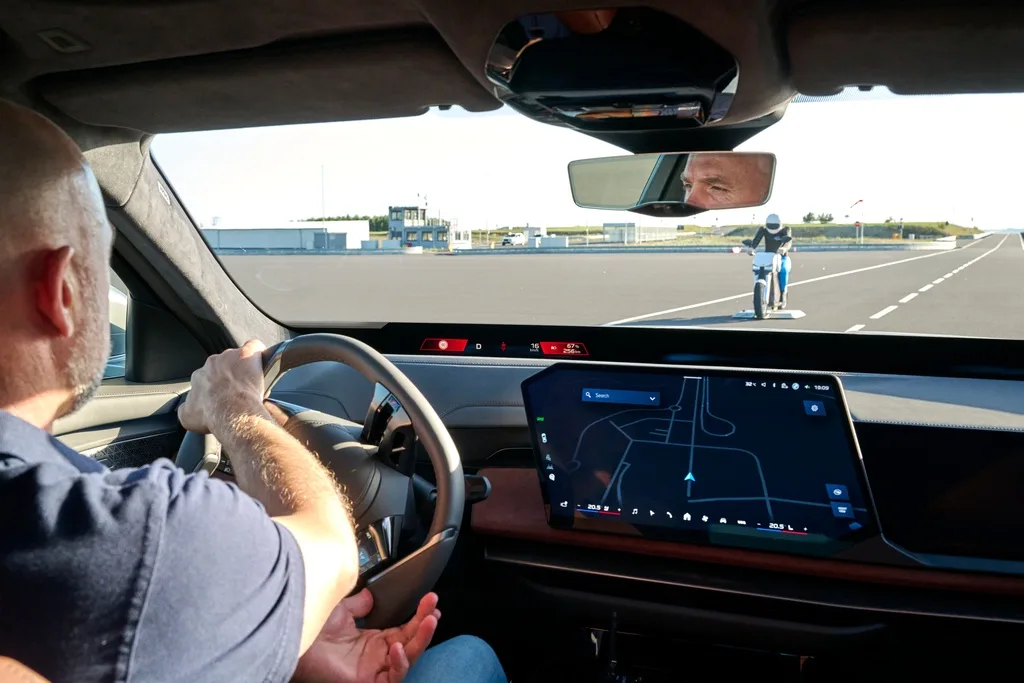
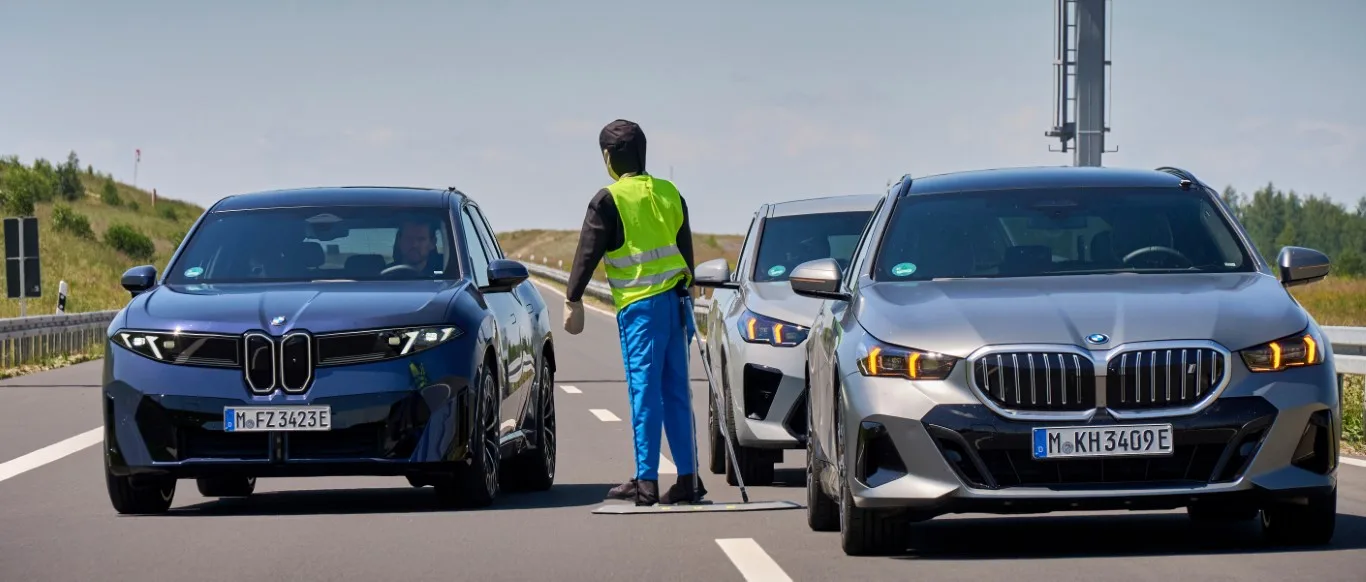
Emergency steering intervention can steer around an obstacle while keeping the car within its lane, or briefly move it away from an object during a potential side impact when enough space is available.
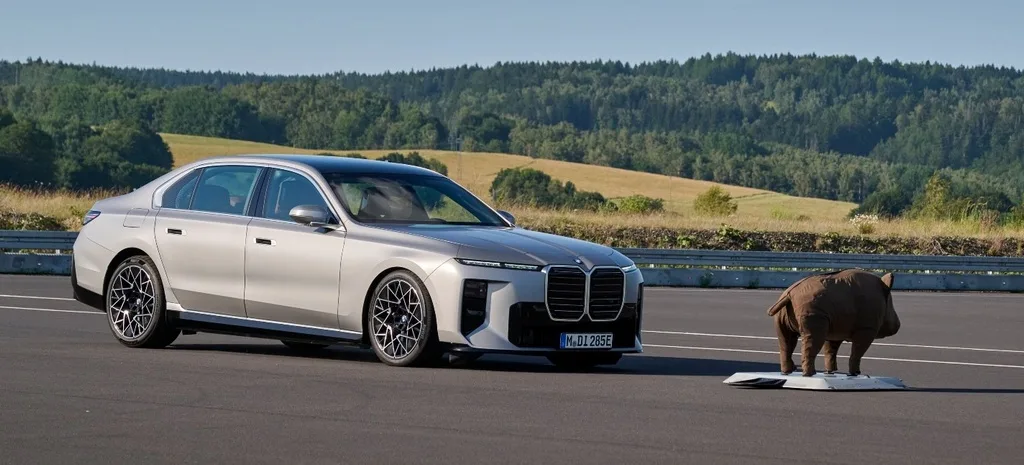
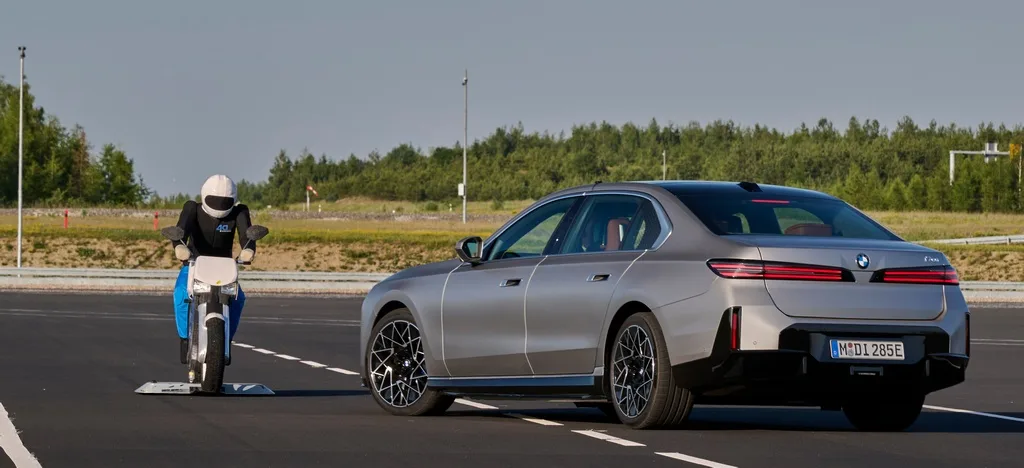
The Emergency Brake Assistant can apply full braking and add evasive steering support for an imminent head-on collision. Its sensors can also respond to animals and wildlife crossings.
Parking aids are becoming more active, too. Active Park Distance Control can brake for obstacles detected by ultrasonic sensors and surround-view cameras, including objects at the sides of the car. Rear cross-traffic emergency braking uses rear side radar when backing out of a space.
BMW has also added start monitoring to address pedal misapplication. If an obstacle is less than one metre away at up to 2 kph and the accelerator is pressed unusually quickly and forcefully, the car can intervene and brake to a stop. The function works while moving forwards or backwards.
A driver-monitoring function can step in during a medical emergency. If the cabin camera detects that the driver is no longer fit to drive, the car can bring itself to a controlled stop, switch on the hazard lights and initiate an emergency call. BMW says the driver can override the intervention.
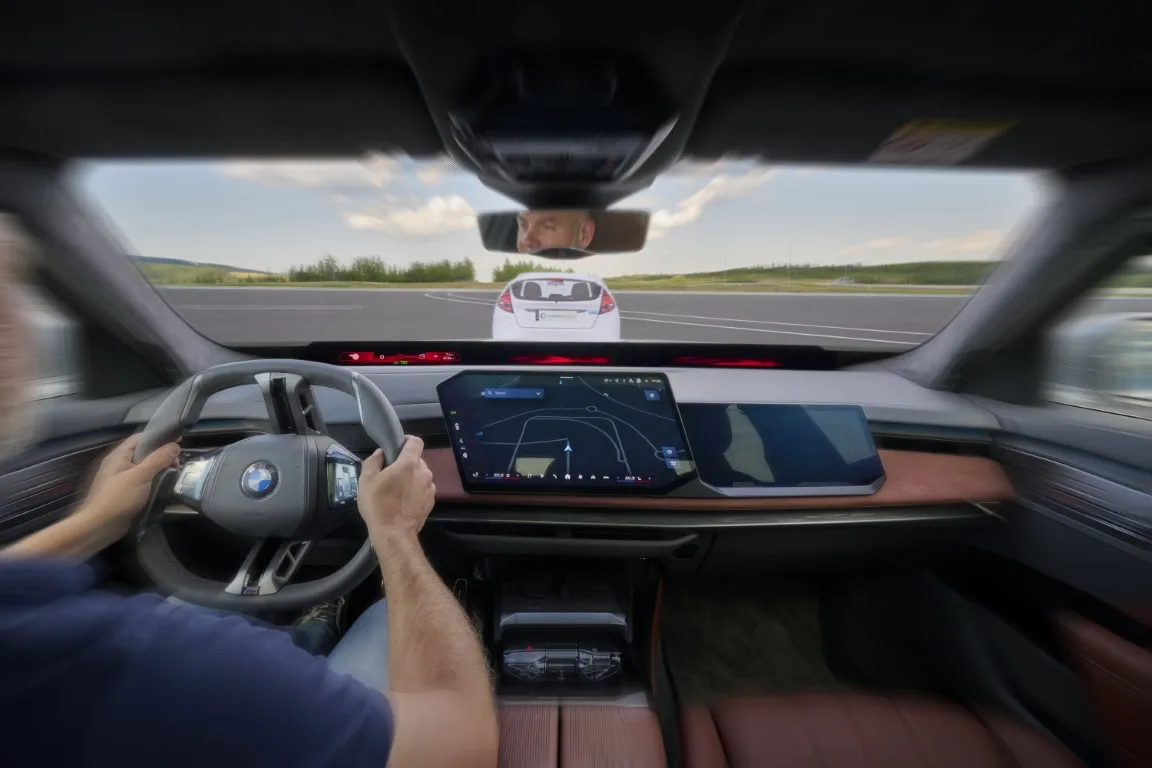
The systems are managed by a water-cooled central computer BMW calls the “Superbrain of Automated Driving”, with about 20 times the computing power of the previous system. The iX3 has earned five stars under Euro NCAP’s tougher 2026 test protocol. Euro NCAP gave it 83% for crash avoidance and reported that its dooring-prevention system worked well.
BMW Group has also reached two million battery-electric vehicle deliveries to customers since the original BMW i3 went on sale in late 2013.
Including plug-in hybrids, it has delivered about 3.5 million electrified vehicles over the same period. More than one in four vehicles sold by the group globally in the first half of 2026 was electrified.
In Europe, BMW Group said second-quarter BEV sales rose 38% to 81,445 units as iX3 availability increased, with battery-electric models accounting for about 28% of its European sales in the first half.
The two-millionth BEV delivered was an i5 M60 xDrive built at Dingolfing and handed over to a customer in Spain.