











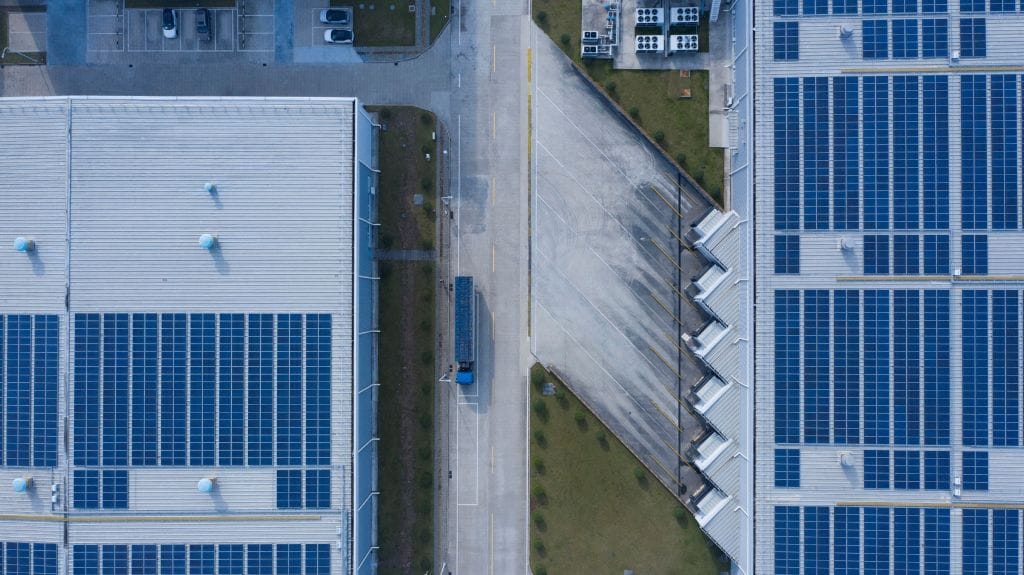
Volvo Cars has achieved a significant milestone in its sustainability efforts by converting its Taizhou plant in China to biogas, making it the company’s first climate-neutral facility in the country.
This transition from natural gas to biogas is expected to reduce carbon dioxide emissions by over 7,000 tonnes annually. Although this figure represents a small fraction of Volvo’s total annual emissions of 43 million tonnes, it underscores the company’s commitment to climate-neutral manufacturing by 2025 and its broader goal of net zero emissions by 2040.
The Taizhou plant, which already used climate-neutral electricity, now also benefits from climate-neutral heating, aligning with Volvo’s global strategy. This makes it the second of Volvo’s facilities worldwide to be declared climate-neutral, following the Torslanda plant in Gothenburg, Sweden.
The plant’s energy mix now includes 40% of its electricity generated on-site from solar panels, with the balance sourced from other climate-neutral solar energy. The recent switch to biogas addresses the plant’s heating requirements.
Furthermore, Volvo Cars has expanded its sustainability objectives, now aiming for zero greenhouse gas emissions by 2040.
This updated goal builds on previous targets and prioritizes reducing actual emissions over carbon offsets.
Volvo also continues to encourage its suppliers to adopt similar environmental standards. Since introducing its first sustainability strategy in 2019, Volvo has reported significant progress, now using 74% climate-neutral energy across its operations.