






CATL has unveiled the Shenxing Pro battery for Europe at IAA Mobility 2025, touting it as a safer, longer-lasting and faster-charging lithium iron phosphate (LFP) option tailored to the region’s needs.
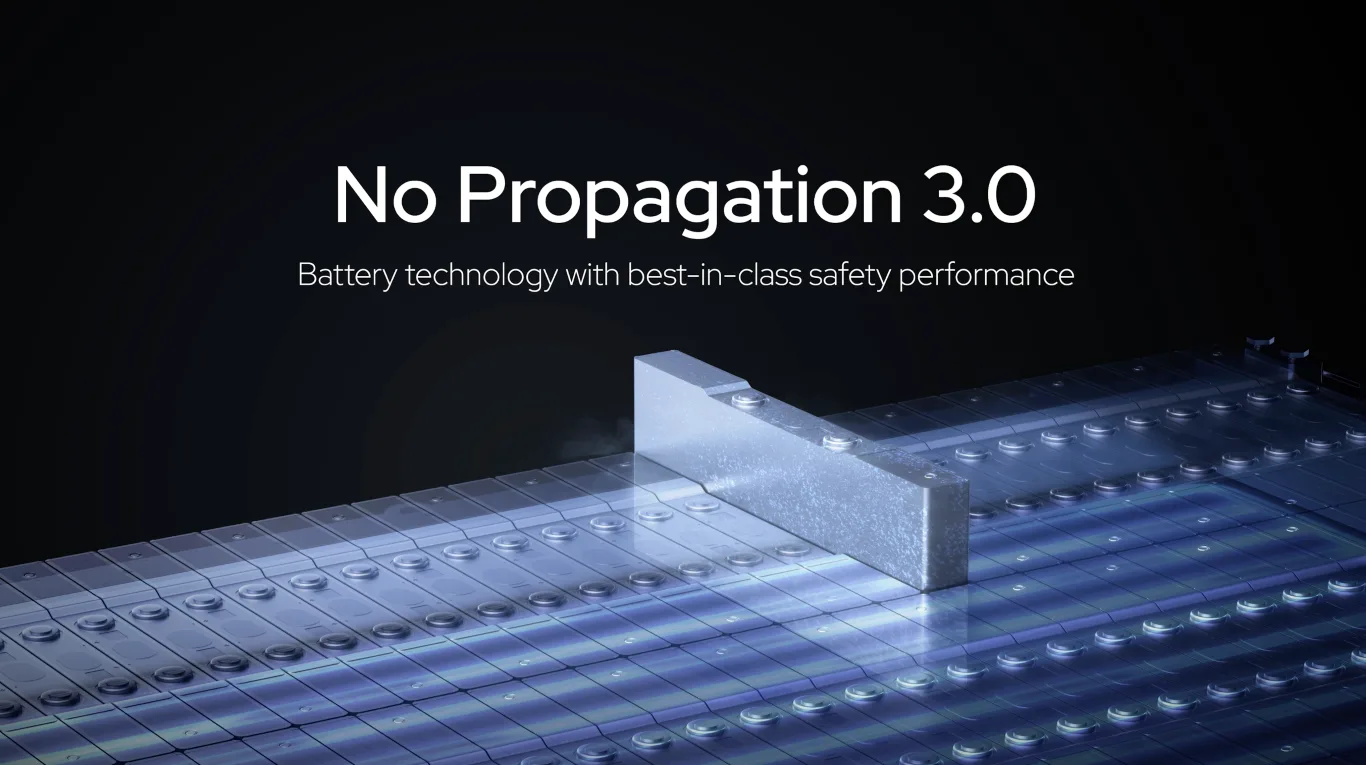
The company said Shenxing Pro is the first LFP pack to maintain high-voltage output after a thermal event, claiming “no fire, no smoke”, and is built on its NP 3.0 safety architecture.
Two variants are offered: a Long Life & Long Range pack targeting 758 km WLTP with a 12-year/1,000,000 km lifespan and 9% degradation after 200,000km, and a Super-Fast Charging pack that can add 478km WLTP in 10 minutes, with strong cold-weather performance.
CATL also highlighted new “Wave” cell mechanics, 76% pack volume efficiency and omnidirectional cooling and fixation to improve stiffness and durability.
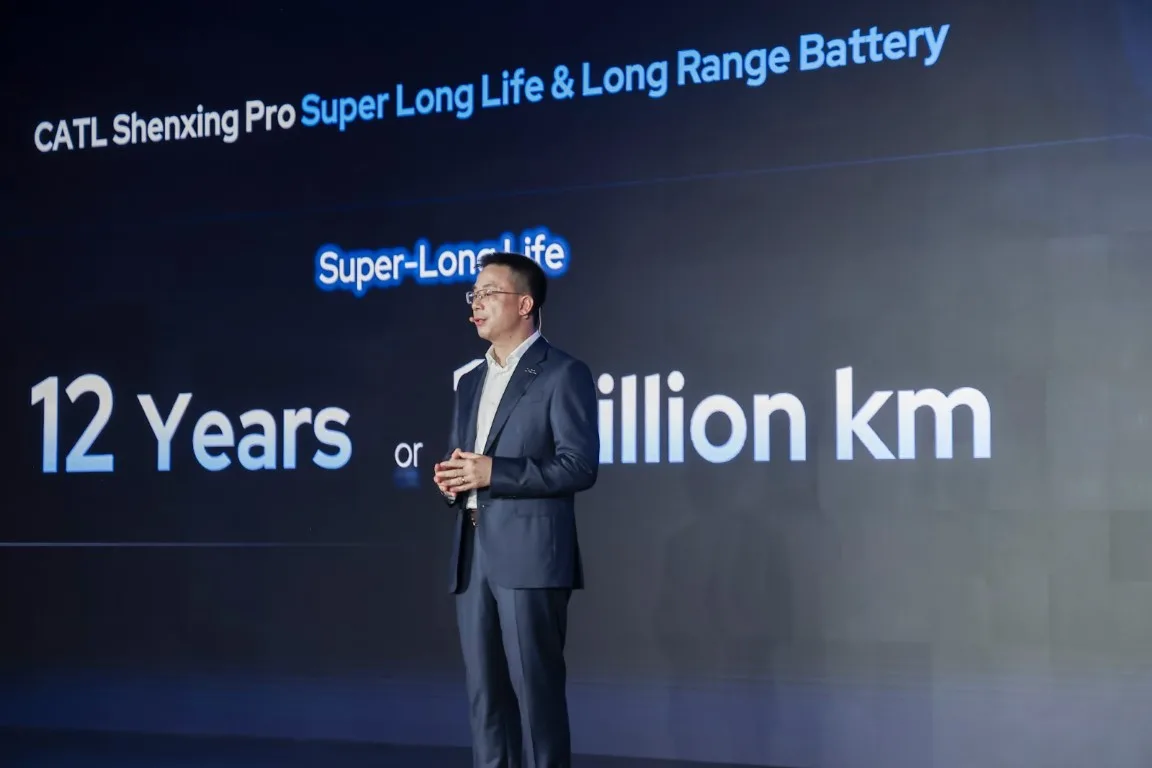
Independent coverage echoed the headline claims on range, charging and NP 3.0’s safety brief, including the focus on maintaining drive power to let drivers move to safety if a pack is compromised.
Alongside the product launch, CATL underlined its European build-out. The firm expects its Debrecen, Hungary gigafactory to begin output by late 2025 or early 2026.
The €7.3 billion (RM36bil) site is planned at 100 GWh annual capacity with a workforce of about 9,000, and would supply automakers including BMW, Stellantis and Volkswagen.
The schedule would see Hungary eclipse CATL’s existing Thuringia, Germany, plant in scale.
Upstream, CATL’s lithium supply picture is shifting. Operations at its Jianxiawo mine in Yichun, Jiangxi were suspended on Aug 9 after a licence expiry.
Reuters reported at the time that the halt could last at least three months, a view also carried by Bloomberg, but state media now said a restart is expected “soon”, implying an earlier-than-anticipated return and easing recent lithium price pressure.
Taken together, the announcements point to a combined push on product, manufacturing and raw-material security.
Shenxing Pro’s WLTP-rated range, fast-charge claims and safety pitch target consumer concerns that have slowed EV uptake in Europe, while the Debrecen ramp is intended to localise supply for key European clients.
A faster restart at Yichun would also stabilise feedstock at a time when raw-material swings have complicated battery economics across the industry.
CATL’s venture into sodium-ion battery development has also made progress.
It said its Naxtra sodium-ion battery had passed China’s new GB 38031-2025 safety standard on Sept 5, claiming it is the first sodium-ion pack to meet the rule.
The standard, which takes effect on July 1, 2026, introduces tougher requirements intended to curb EV fire risk, covering thermal runaway, underbody impact and fast-charging durability.
Independent testing by CATARC verified compliance at both cell and pack level, CATL added.
Beyond safety, Naxtra is seen as reducing reliance on lithium and lowering embedded carbon, while improving cold-weather performance. CATL said the certification marked a step towards mass deployment of sodium-ion batteries in EVs.