








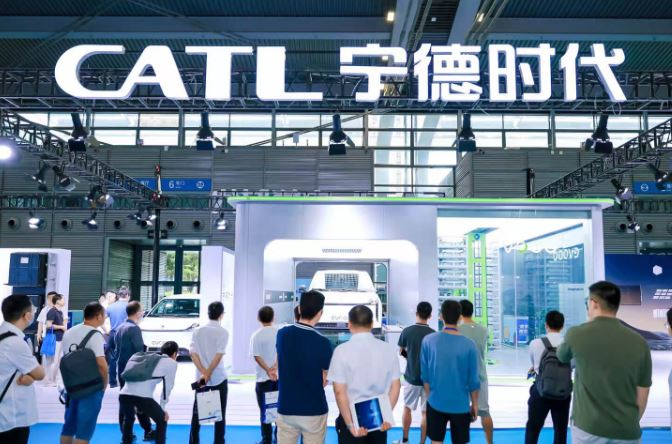
China’s Nio and to a lesser extent Geely are well known for producing cars with swappable batteries.
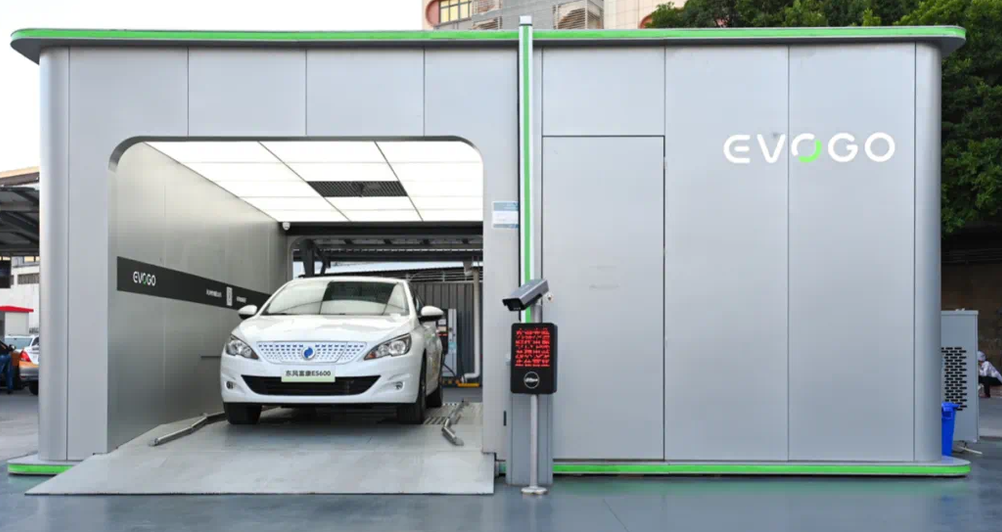
Contemporary Amperex Technology Co Ltd (CATL), the world’s largest electric vehicle (EV) battery maker, has its own swappable battery technology under the EVOGO brand (not to be confused with the British vehicle leasing company by the same name) that was set up in 2022.
EVOGO surfaced into the limelight again when CATL announced plans today to build over 1,000 battery-swapping stations across China by 2025.
This move is part of the company’s efforts to address challenges associated with EV range anxiety and promote standardisation of swappable battery technology.
The company revealed its ambitious goal in Xiamen, China.
 Battery swapping enables EV drivers to quickly replace depleted batteries with fully charged ones, significantly reducing downtime compared to traditional recharging methods.
This technology is particularly useful for urban commuters and taxi fleets that require rapid turnaround times.
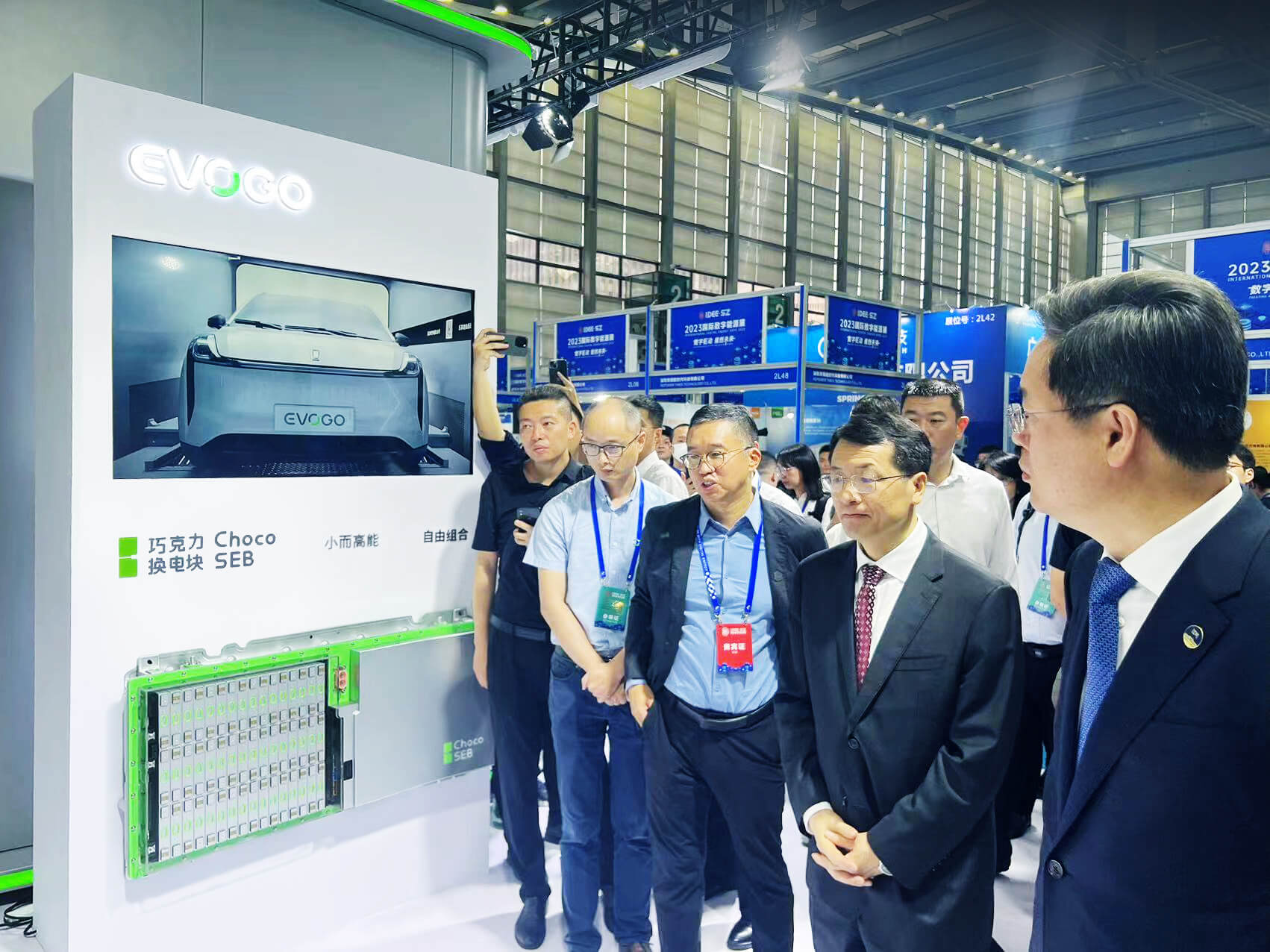
CATL’s proprietary EVOGO system, which supports modular battery packs compatible with various EV models, facilitates these swift exchanges, with a single swap taking less than three minutes.
The Chinese government has been actively supporting battery-swapping initiatives to accelerate EV adoption and reduce reliance on fossil fuels. CATL’s expansion aligns with China’s broader strategy to achieve carbon neutrality by 2060.
However, challenges such as the high initial costs of building swapping stations and persuading automakers to adopt standardised battery designs remain.
CATL’s announcement comes amid growing competition in the battery-swapping sector.
A Reuters report revealed that CATL has co-developed 10 new EV models with swappable batteries in collaboration with automakers like Changan Auto and FAW.
These models feature the “choco-swap” battery, and the first EV will launch this month, followed by others in the upcoming months.
This expansion is expected to reshape the EV landscape, potentially alleviating key barriers to adoption, such as charging times and infrastructure bottlenecks.