




Mercedes-Benz claims its new electric C-Class will have a lifecycle carbon footprint about two-thirds lower than the current combustion-engine model, following an independently audited assessment covering production, use and recycling.
The battery-electric saloon adopts measures first used on the electric GLC. Mercedes said lower-carbon aluminium, steel, plastics and battery cells reduce supply-chain emissions by about 23 per cent.
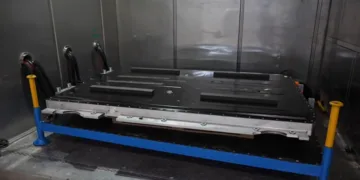
Around two-thirds of the aluminium required for the car comes from smelters using renewable electricity or contains more recycled material. The body, wheels and battery housing are among the parts covered.
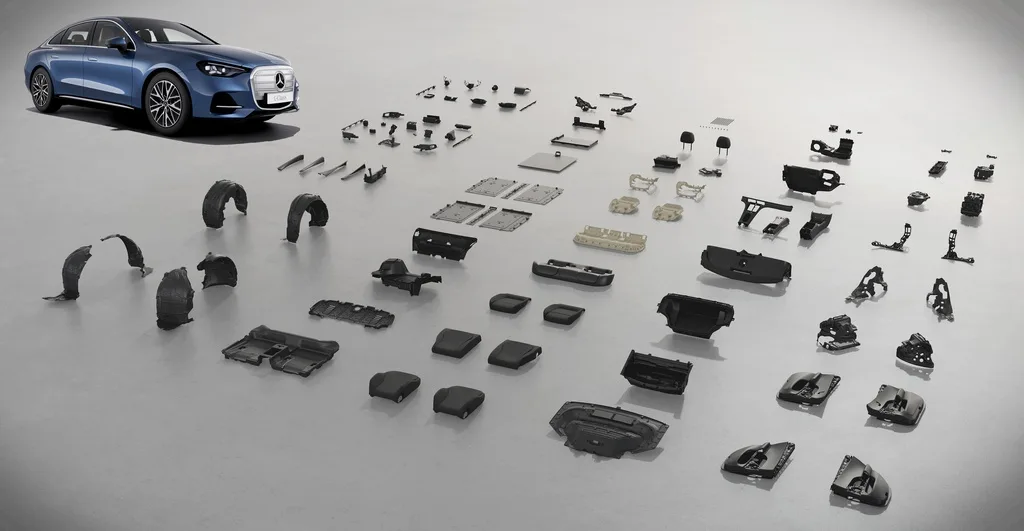
Mercedes is also using about 45 kg of steel produced in renewable-energy-powered electric arc furnaces. Recycled thermoplastics total roughly 49 kg, more than four times the proportion fitted to the current combustion C-Class.
The list includes wheel-arch liners containing 93 per cent recycled material, bumper carriers at 83 per cent and jack mounts made entirely from discarded vehicle bumpers. The front storage tub uses 50 per cent post-consumer recycled material.
The first electric C-Class can travel up to 762 km under the Worldwide Harmonised Light Vehicles Test Procedure, with rated energy consumption of 14.1 to 18.5 kWh/100 km. Its 800-volt electrical system can add as much as 325 km of WLTP range in 10 minutes under suitable conditions.
Mercedes will expand the range next year with rear- and all-wheel-drive models and different battery options. Its German environmental release lists a rear-wheel-drive version expected to cover up to 800 km.
A multi-source heat pump is standard. It uses heat from the battery, electric drive and surrounding air, consuming about one-third as much electricity as a comparable auxiliary heater under the same conditions.
The braking system can recover energy at up to 300 kW. Mercedes said regenerative braking handles as much as 99 per cent of braking events, although friction brakes remain available when greater deceleration is needed.
Production is based at Mercedes-Benz’s expanded Kecskemét plant in Hungary, where electric C-Class assembly has begun.
An optional cabin package certified by The Vegan Society will cover the upholstery, headlining, door and pillar trims, and carpets. Mercedes said the electric GLC is the only other vehicle carrying the organisation’s certification.