



Nissan has sold 1.25 million electrified vehicles in Europe since the original LEAF arrived in 2010, including almost 350,000 fully electric models.
The tally includes battery-electric cars, Nissan’s e-Power series hybrids and conventional hybrids. The Japanese manufacturer is now rolling out its largest European selection of electrified models yet, led by the new Micra EV, third-generation LEAF and facelifted Ariya.
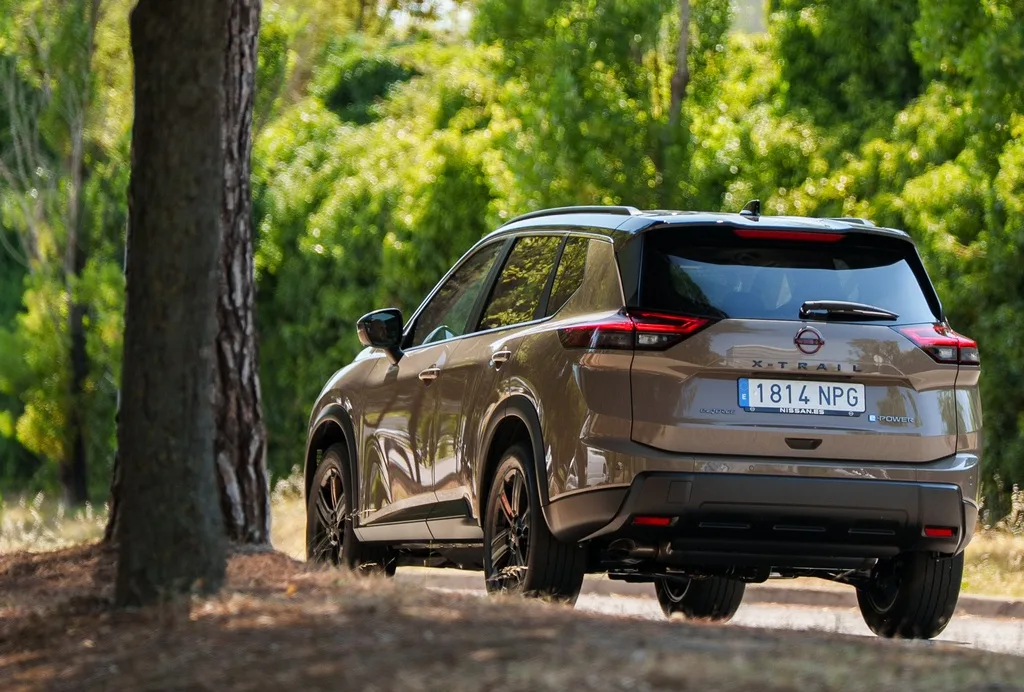
All three were shown to European media at a recent drive event in Barcelona alongside the refreshed X-Trail e-Power.
Nissan’s e-Power system differs from a conventional parallel hybrid. Its petrol engine generates electricity, but an electric motor alone drives the wheels. No external charging is required.
The technology is also offered in the Qashqai. Nissan says the third-generation Qashqai e-Power can use as little as 4.3 litres per 100km on the Worldwide Harmonised Light Vehicles Test Procedure cycle. More than 300,000 European customers have bought an e-Power model.
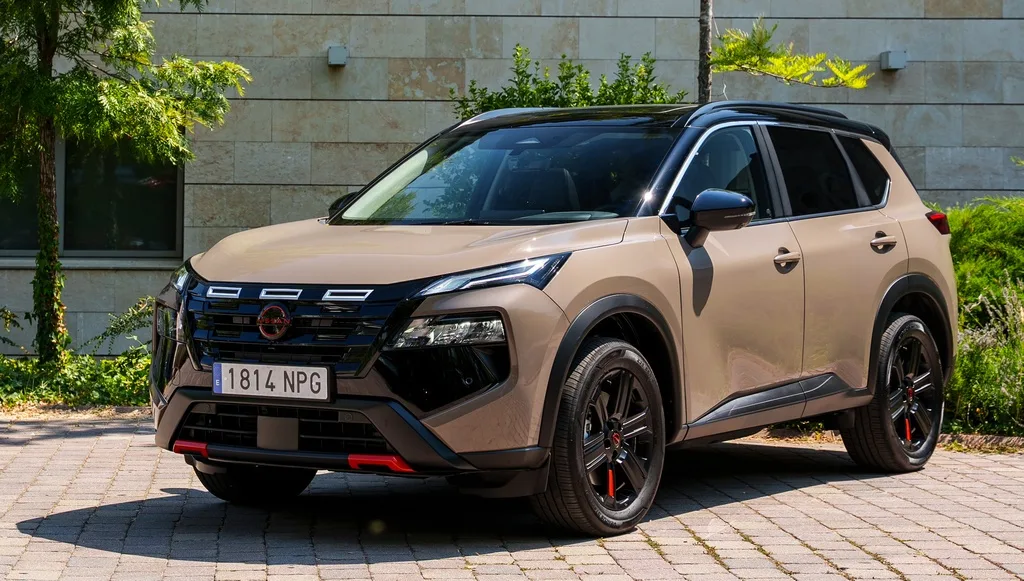
In the X-Trail, e-Power is paired with e-4ORCE all-wheel drive, taking the system into a larger family SUV without adding a charging cable.
Nissan’s battery-electric range will grow again before the end of 2026 with a small A-segment model developed with Renault. An electric Juke is scheduled for early 2027.
Those additions would give Nissan five electric passenger cars in Europe, backed by the battery-powered Townstar and Interstar vans. The two vans extend the electric offering beyond passenger cars into commercial fleets.
Nissan’s varied powertrain range is because many drivers still cannot charge reliably at home or on the road.
The latest LEAF shows how far Nissan’s original mass-market EV has moved. Maximum claimed range has risen from 175km in the first-generation car to as much as 623km WLTP in the new model.
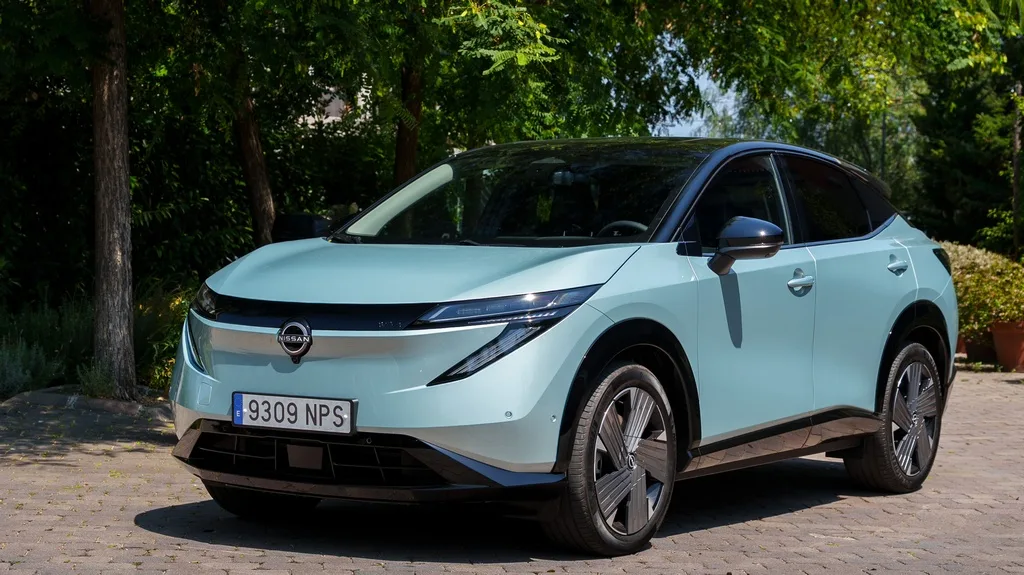
The updated Ariya, now reaching European showrooms, receives revised colours, additional safety functions and improved connected services.
Nissan regional product planning vice-president Clíodhna Lyons said customers approach electrification differently. Some need an EV mainly for city use; others require a car suited to longer journeys. Nissan therefore plans to retain battery-electric, e-Power and hybrid options.
EU registration data showed why Nissan is keeping several powertrains. Battery-electric cars took 17.4% of EU registrations in 2025, plug-in hybrids 9.4% and hybrid-electric models 34.5%.
Together, those categories accounted for 61.3% of the market, up from 51.7% in 2024. Hybrids became the EU’s largest powertrain category, ahead of petrol at 26.6%.