









Malaysia is preparing to rework its automotive incentives by 2027, with local assembly no longer expected to be the main test.
The review is moving beyond local assembly, with more weight likely to go to engineering work, supplier involvement and technology kept in Malaysia.
The government is revamping the New Customised Incentive Mechanism for the automotive sector, referred to in reports as NCM (sic), with implementation targeted next year after consultations with ministries, agencies and industry players are completed, Bernama reported.
Local content test
Investment, Trade and Industry Minister Datuk Seri Johari Abdul Ghani said the revised mechanism is being drawn up to suit the current state of Malaysia’s car industry.
He also pointed to a loophole in earlier localisation efforts, where imported parts pass through local distributors, are assembled here, and then get treated as Malaysian-made content.
The claim may qualify as local content on paper, but Malaysian suppliers gain little from it.
The Edge reported that Putrajaya has not fixed the exact rollout date, with January, March or June 2027 among the windows under discussion. The revamped mechanism is expected to prioritise automotive electronics, design and engineering, software, battery technology, advanced driver assistance systems and intelligent mobility.
That would raise the bar for carmakers seeking incentives. Local engineering work, stronger vendor development, technology transfer and export potential are expected to carry more weight than before.
PwC lens
PwC Malaysia had already read the NCM shift as a move towards measurable local contribution.
Its May analysis said carmakers would no longer be judged mainly through a broad cost-benefit lens, but through a scorecard that rewards work done in Malaysia: investment, R&D, vendor development, exports and key components such as batteries, e-motors, vehicle software and LiDAR.
The commercial effect could be just as important as the policy effect.
A higher localisation score should help a model qualify for lower excise duty, while stronger local supply would also support the things buyers feel after delivery: servicing, parts supply, warranties, charging support and insurance packages.
That ties the incentive debate to total cost of ownership, not only factory investment.
Serendah example
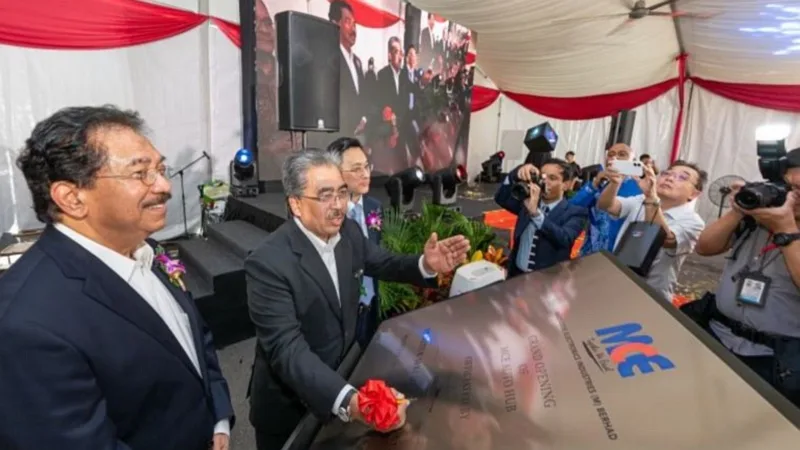
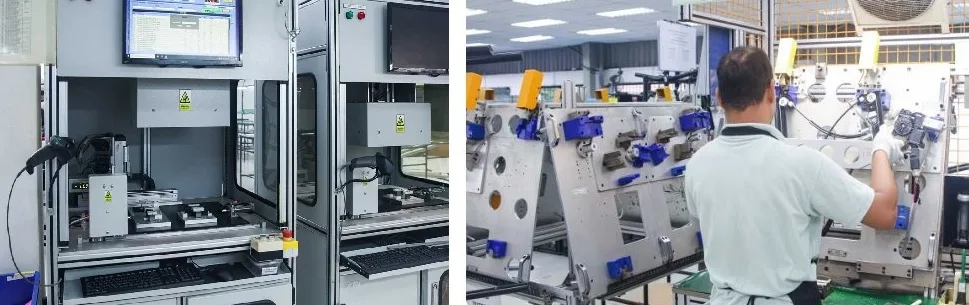
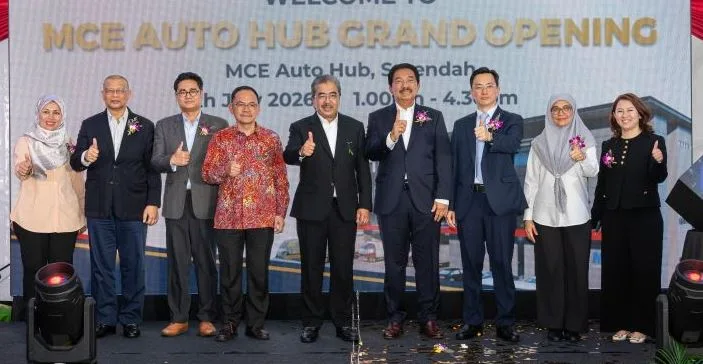
The MCE Auto Hub launch in Serendah gives the policy discussion a local example.
The RM50 million facility, located within the UMW High Value Manufacturing Park, is the first phase of MCE Holdings Bhd’s plan to invest up to RM200 million there over 10 years.
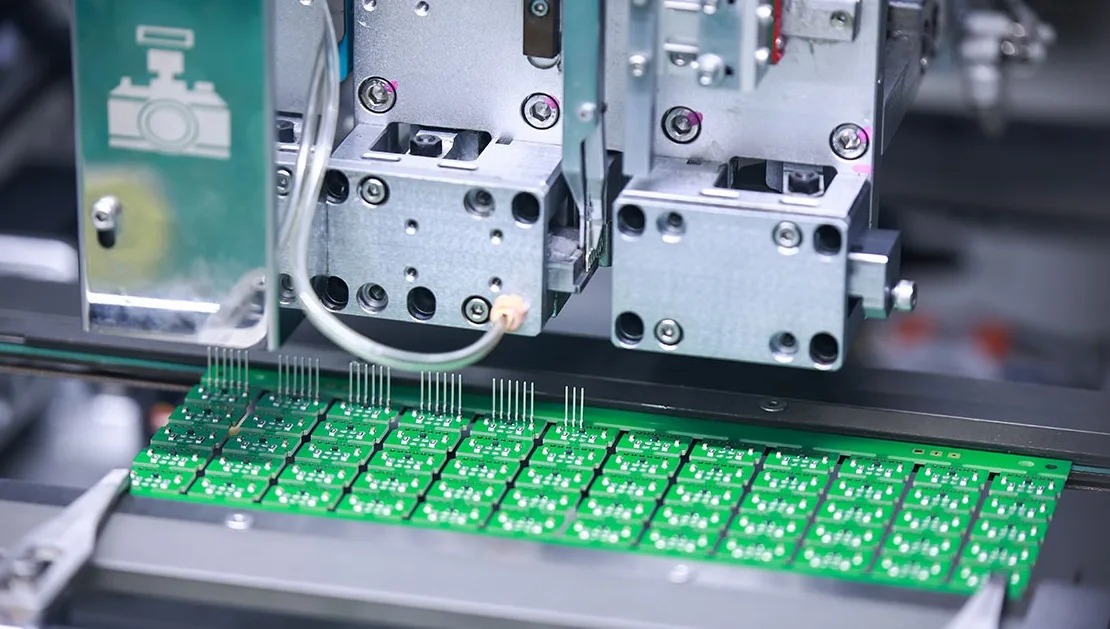
MCE said the hub will focus on the design, engineering and production of advanced automotive electronics, including infotainment systems, advanced driver assistance systems, electronic control units and smart cockpit solutions.
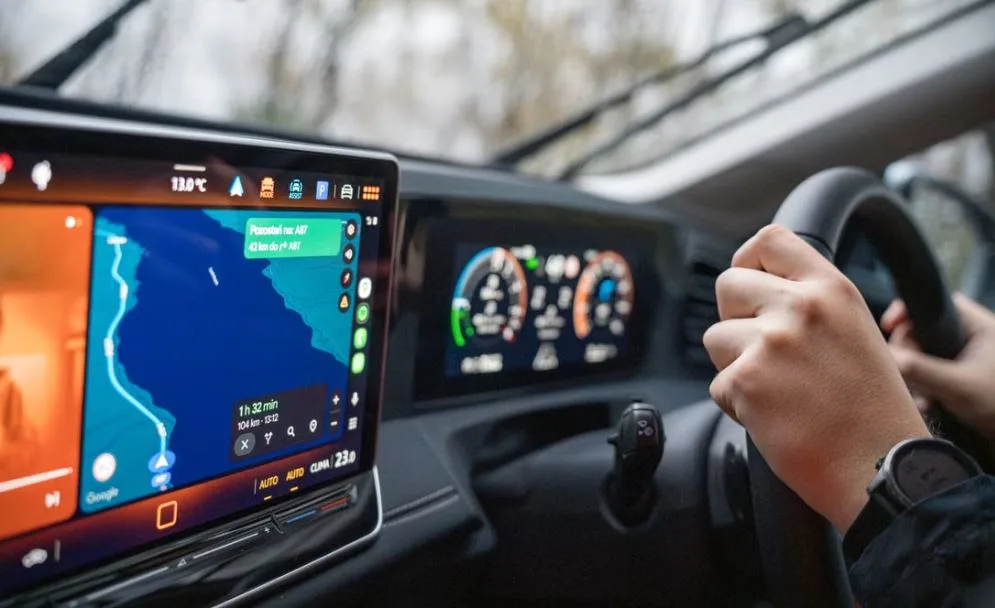
In modern petrol, hybrid and electric vehicles, screens, sensors, control modules and software-linked electronics are tied closely to the cabin experience, safety systems and long-term reliability.
Supplier test
The Serendah facility expands MCE’s electronics work beyond simpler assembly.
It also supports the company’s export target, with MCE aiming to raise exports to about 30% of revenue from less than 10% today as it wins more overseas business. The company already supplies local and foreign carmakers.
The plant matches the activities likely to be favoured under the 2027 incentive reset: Malaysian engineering work, supplier depth, higher-value electronics and export potential. A business built mainly around imported kits would have a weaker case.
Johari said Malaysia still welcomes foreign vehicle makers, but their assembly operations are expected to help local component companies. The country does not need every part to be made here immediately, but localisation has to move beyond relabelling and light assembly.
Malaysia also needs deeper battery investment, stronger automotive software capability, better testing infrastructure and a wider base of Tier 2 and Tier 3 suppliers.
Buyer impact
The 2027 incentive reset will not automatically make cars cheaper for buyers. The final structure has not been announced, and any benefit will depend on how carmakers respond. Better local capability could, however, improve parts availability, after-sales support and ownership packages.
The next round of automotive incentives should reward engineering, supplier development and technology kept in Malaysia, not only the final assembly of a vehicle.