




Volkswagen still wants to become the world’s most attractive automaker by 2030. The hard bit is getting there while the old global car business is being squeezed by China, trade barriers, high costs and slower growth.
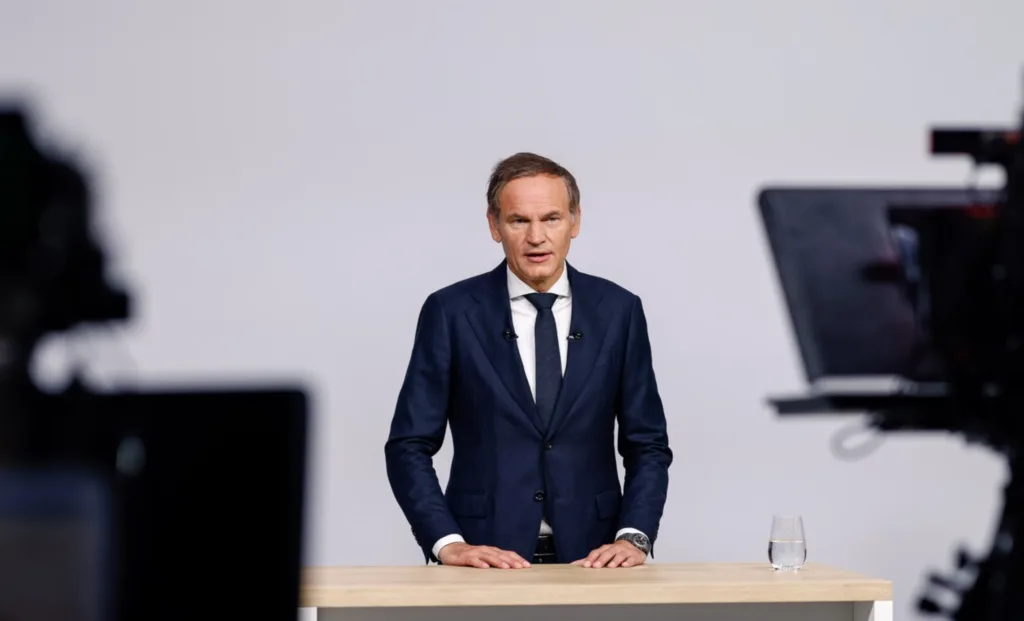
At Volkswagen AG’s virtual annual general meeting, group chief executive officer Oliver Blume set out a new plan aimed at making the company leaner, faster and more financially resilient.
The eight-point plan covers lower complexity, stronger technology focus, reduced overcapacity, more regional responsibility, a slimmer investment portfolio, better operations, stronger performance culture and simpler group management.
Strip away the boardroom language and the message is direct enough. Volkswagen wants fewer overlaps, fewer slow internal processes and factories better matched to real demand.
The company is preparing for a car market where growth may be limited, while competition keeps getting tougher.
The EV side remains central. Volkswagen Group said its brands launched more than 30 new models in 2025, with another 20 vehicles due this year.
Battery-electric vehicle deliveries rose 32% globally in 2025. In Europe, they climbed 66%, giving the group a 27% BEV market share and making it Europe’s BEV leader for the year.
Volkswagen is also pushing cheaper electric cars. Its planned urban EV family includes the Volkswagen ID. Polo, Volkswagen ID. Cross, Cupra Raval and Škoda Epiq.
Europe’s EV fight is no longer just about premium models. Chinese brands are moving quickly into cheaper segments, bringing lower prices, more kit and launch speeds that older carmakers are struggling to match.
Software remains another test. In China, Volkswagen said its cooperation with Xpeng helped bring a new electrical and electronic architecture into production in 18 months.
For Western markets, work on zonal software architecture with Rivian is said to be on schedule. PowerCo, Volkswagen’s battery arm, is ramping up cell production in Germany, with Spain and Canada to follow.
Cost-cutting is the painful part. Volkswagen said performance programmes across its brands had delivered double-digit billion-euro progress. Workforce reductions and collective bargaining agreements produced sustainable cost effects of around €1 billion in 2025.
Some 50,000 positions are to go across Volkswagen, Audi, Porsche and software unit Cariad by 2030. Of these, 35,000 are at Volkswagen AG, with binding agreements already signed for more than 28,000 departures.
Factory costs at Volkswagen’s German sites were cut by more than 20% on average in 2025.
By 2030, Volkswagen is targeting annual net cost savings of more than €6 billion, an operating return on sales of 8% to 10%, and stronger cash flow from its automotive division.
Volkswagen is not short of brands, factories or engineering depth. The problem is pace.
It has to build better EVs, clean up software, take cost out of the business and stop letting Chinese rivals dictate the speed of the race.