








BYD has shown its flash charging system in the UK for the first time, but Germany appears to have beaten Britain to the more important step: a working European site.
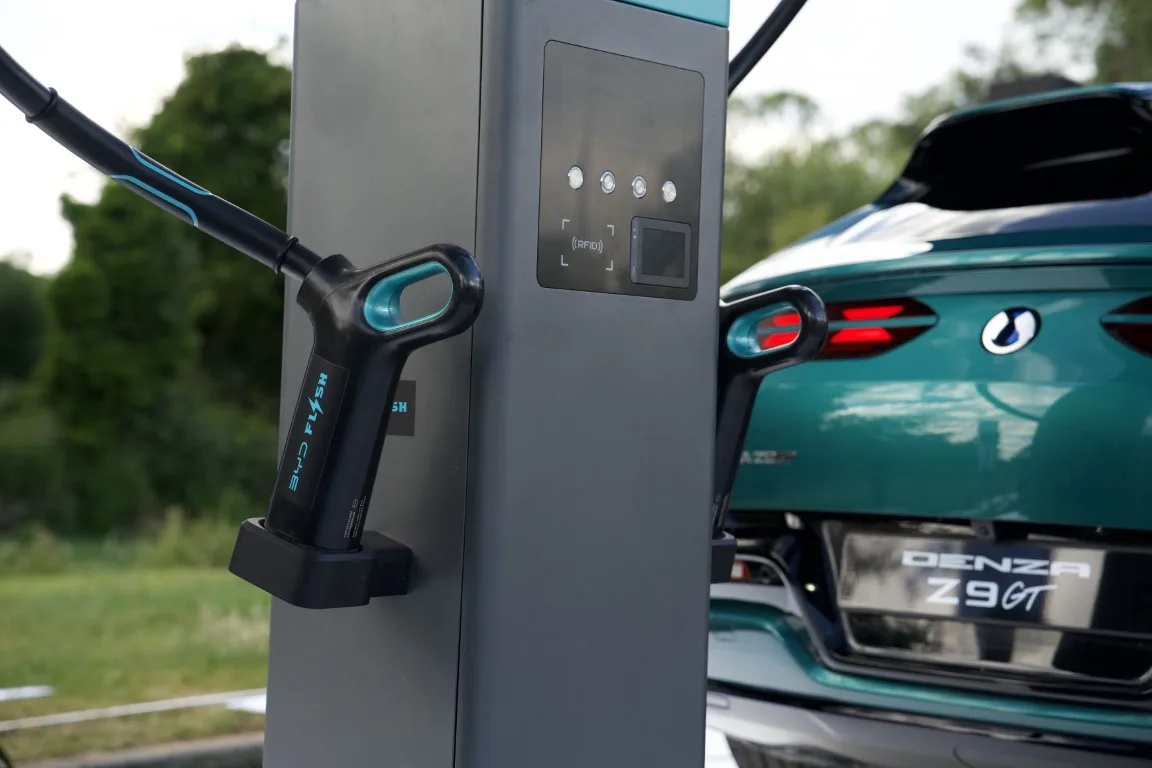
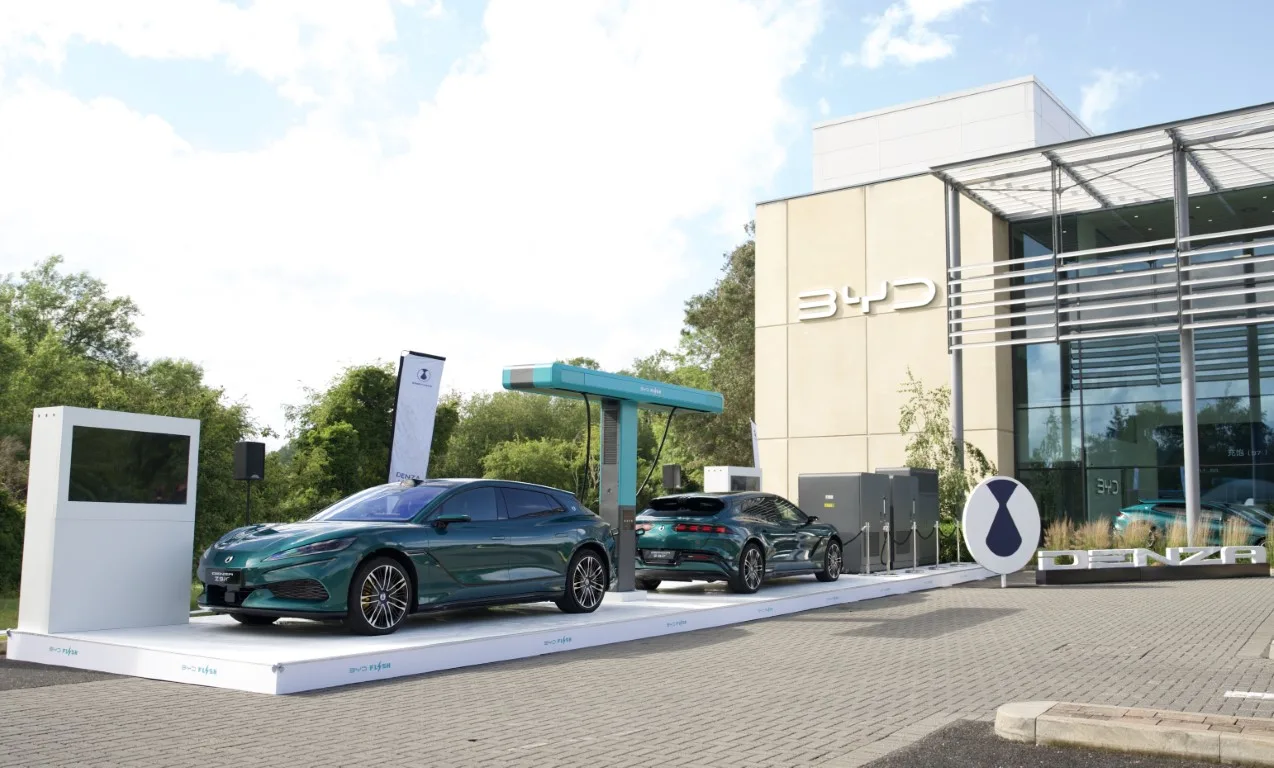
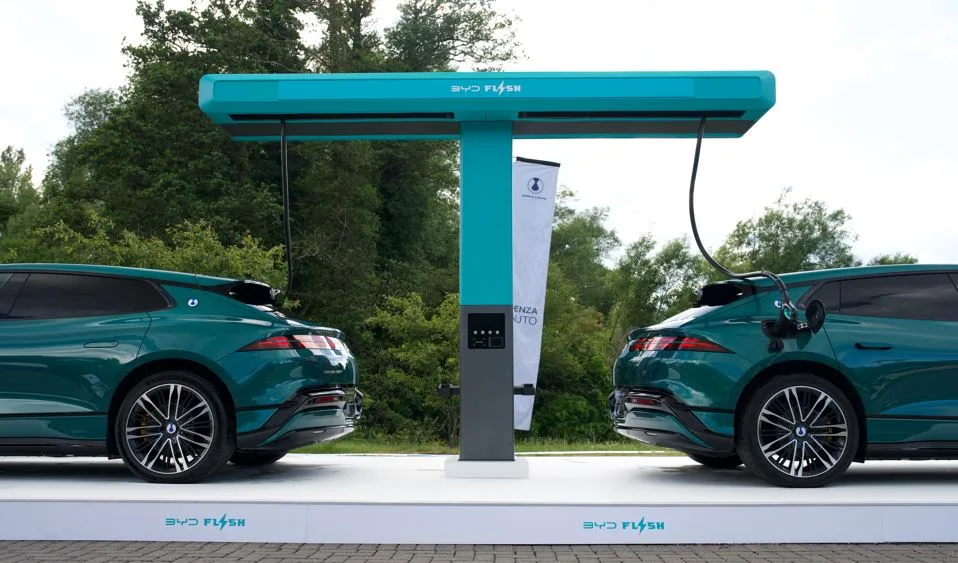
At BYD’s UK headquarters in Uxbridge, the Chinese carmaker demonstrated the system using the Denza Z9 GT, the first model headed for the UK that can take advantage of the hardware.
BYD said flash charging, paired with its second-generation Blade Battery, can deliver up to 1,500 kilowatt (kW) through a single connector.
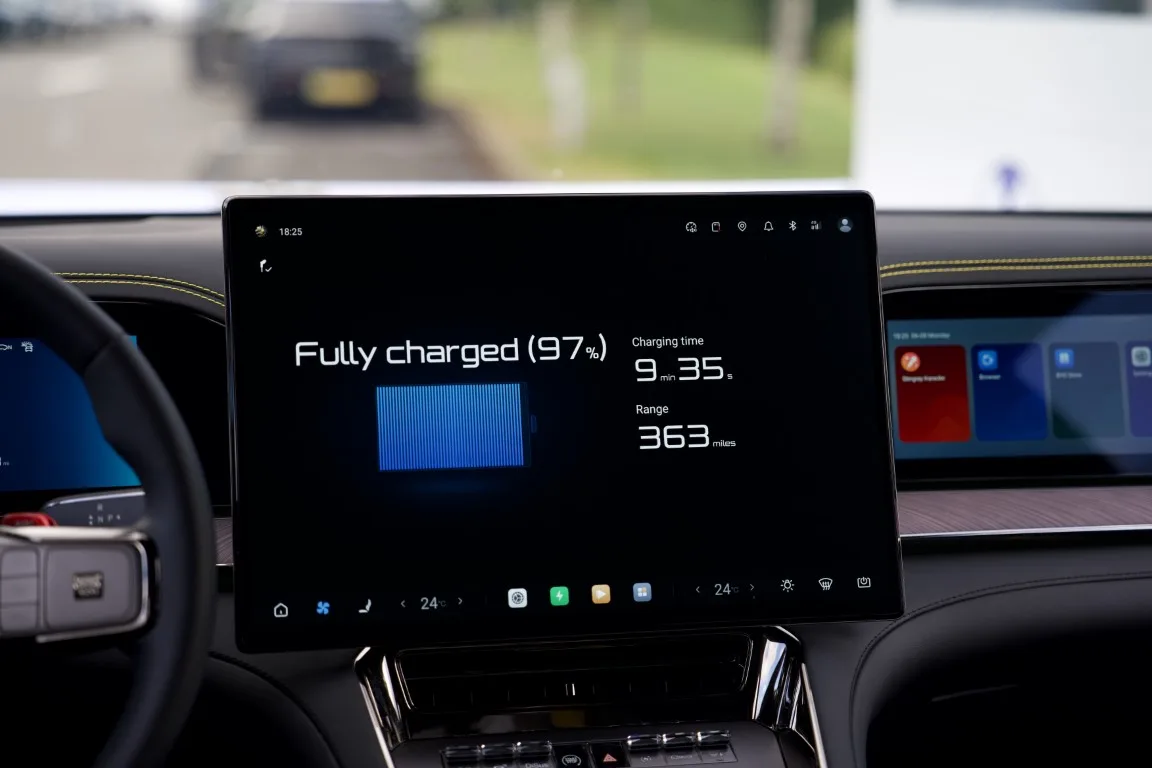
The claim is this: “ready in five, full in nine”. In BYD’s UK demonstration, the company said the battery could go from 5% to 70% in five minutes, and from 10% to 97% in nine minutes.
BYD did not explain why it stopped short of quoting 100%, although some reports of the system’s launch have said the remaining few percentage points can be recovered through regenerative braking during normal driving.
In very cold weather, BYD said the full-charge time rises by about three minutes.
For the Denza Z9 GT, which has a quoted Worldwide Harmonised Light Vehicle Test Procedure (WLTP) combined range of 599km, BYD said a five-minute stop can add about 359km of range.
A nine-minute charge adds about 520km. The caveat is that it applies only to compatible vehicles with the right battery and charging architecture.
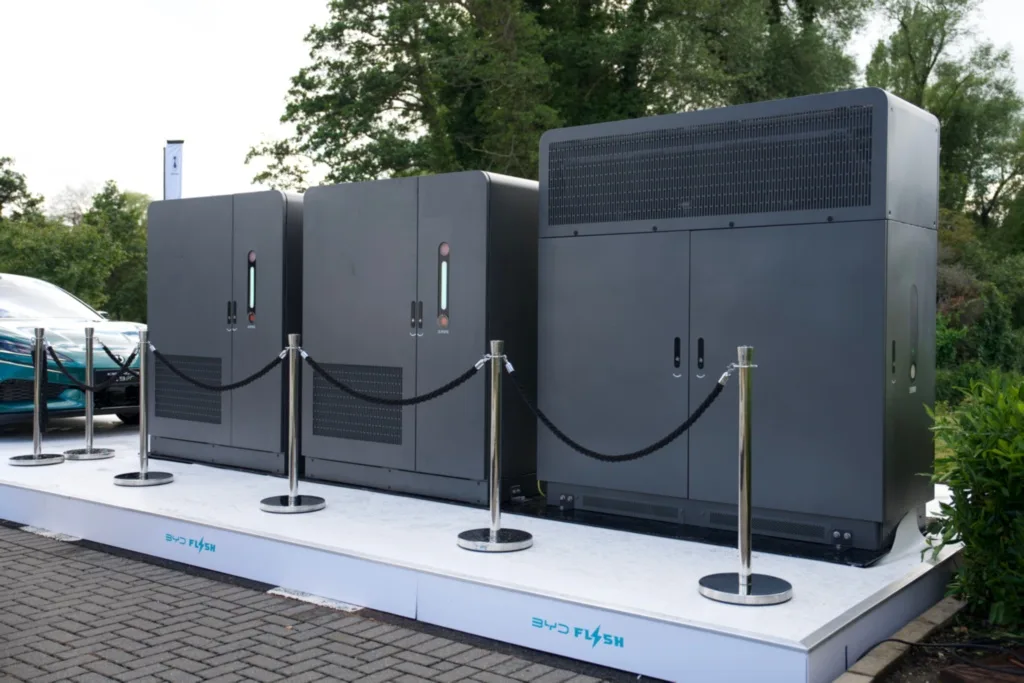
BYD said the charger uses on-site battery storage, which is topped up gradually from the grid. Input can range from 100kW to 560kW, depending on demand. In theory, that makes deployment easier than simply asking the grid to supply full megawatt power on demand.
Sina Finance, citing Chinese tech media, reported that BYD’s first German flash charging station began operation in May 2026. That puts Germany ahead of the UK if the yardstick is a live station, not a press demonstration.
The wider European push is also getting serious. The Financial Times reported that BYD plans to spend nearly €2 billion (RM9.4 billion) on five-minute charging infrastructure in Europe, with 3,000 chargers targeted by 2027 and 600 planned for the UK.
BYD UK’s own release refers to 300 chargers by the end of 2026, so the numbers may reflect different phases of the rollout.
Either way, BYD is no longer just exporting cars. It wants control over part of the charging experience too, especially as Denza moves into Europe’s premium electric vehicle space.