






Kia has set out a broad growth plan centred on a bigger EV range, a new-generation electric platform and a heavier push into hybrids, PBVs, software-defined vehicles and robotics.
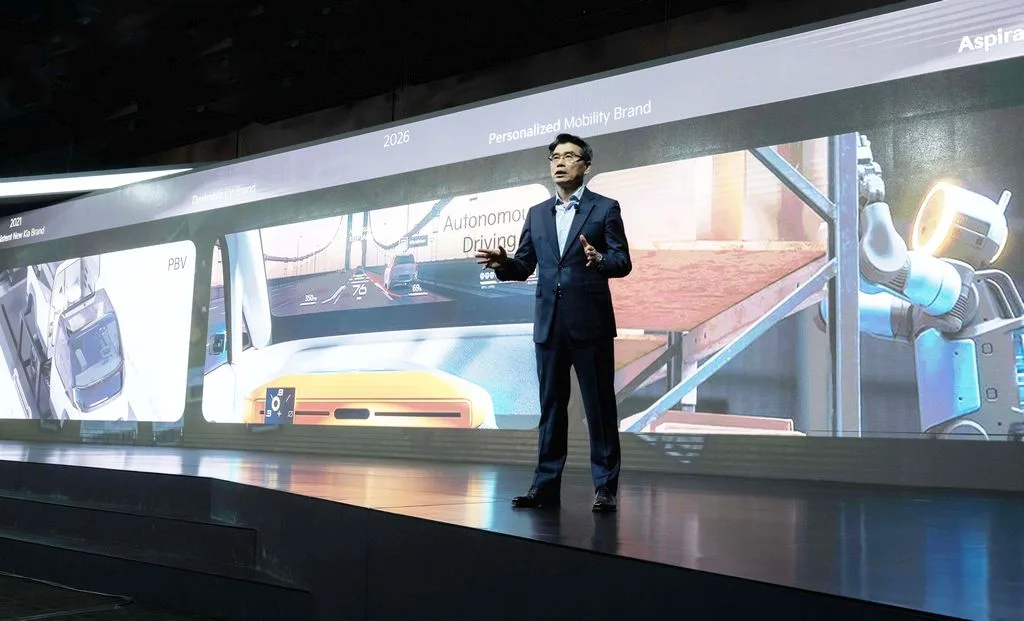
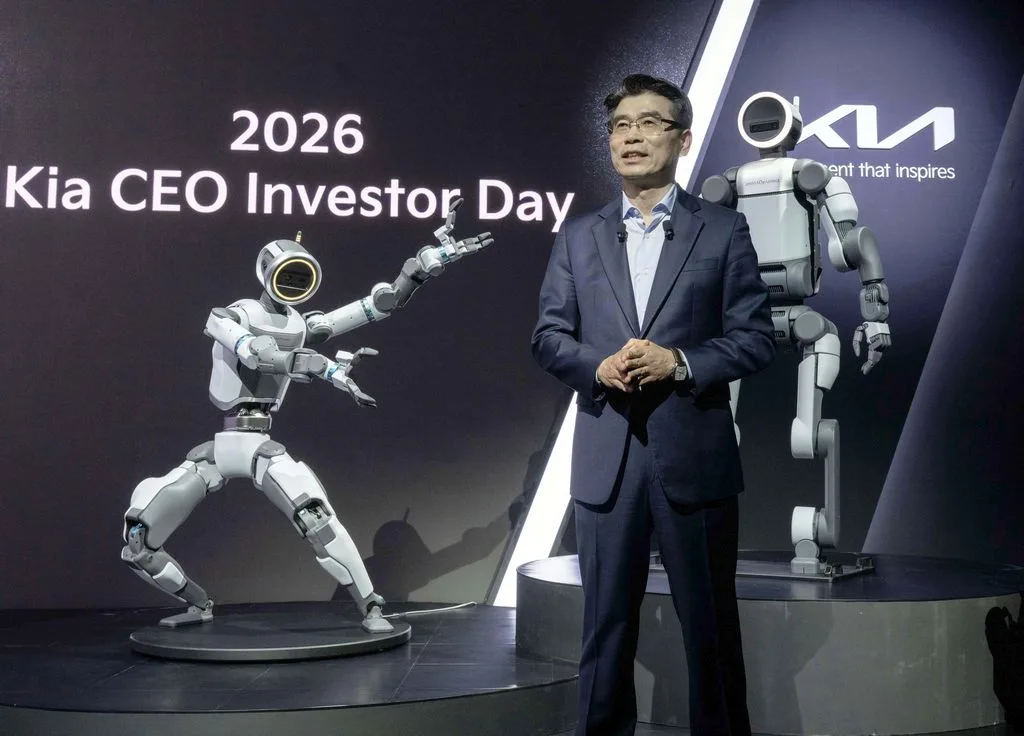
At its 2026 CEO Investor Day in Seoul on April 9, the company said it will expand its EV line-up to 14 models by 2030, from 11 in 2026, and use a new platform to improve performance while cutting costs.
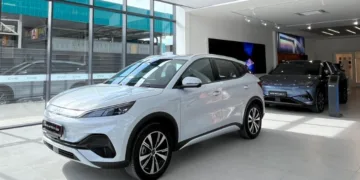
The EV plan looks like this. Kia wants two passenger cars, nine SUVs and three PBV models by the end of the decade, with mass-market expansion starting from the EV2 in 2026.
It also said the next platform will bring up to 40% more battery capacity, a 9% lift in motor output and fifth-generation batteries with up to 15% higher energy density. Kia is aiming for annual EV sales of one million units and a 3.8% share of the global EV market by 2030.
The broader target goes further. Kia wants global sales of 4.13 million vehicles by 2030 and a 4.5% market share, up from its 2026 target of 3.35 million units and 3.8%.
It is not walking away from combustion and hybrids either. The company plans nine new ICE models by 2030, a 13-model hybrid line-up and annual xHEV sales of 1.15 million units, including HEVs, PHEVs and EREVs.
It also plans a body-on-frame pickup with hybrid and EREV versions for North America by 2030.
Its PBV business is also starting to take shape.
After the PV5, which Kia said recorded about 8,500 sales by the end of last year, the range is due to grow with the PV7 in 2027 and PV9 in 2029.
By 2030, Kia wants PBV sales of 232,000 units a year, with Europe and Korea as core markets. The Hwaseong EVO Plant will be its dedicated PBV production hub, supporting more than 40 body types across the line-up.
In regional terms, Kia is targeting 1.02 million annual sales in the US by 2030, 746,000 in Europe and 1.48 million across emerging markets. Europe remains central to the EV expansion, with EVs expected to make up 66% of Kia’s sales there by 2030. India is another major piece of the plan, with a target of 410,000 annual sales and a 7.6% market share.
Away from the showroom side, Kia is putting more emphasis on software and automation. It plans to complete development of its first SDV model by the end of 2027, with Level 2+ highway autonomy first and Level 2++ capability for both highways and urban roads from early 2029.
On robotics, Boston Dynamics’ Atlas is due to begin deployment at Hyundai Motor Group Metaplant America in 2028 and at Kia AutoLand Georgia in the second half of 2029.
Kia also laid out the money behind the plan. It is targeting KRW122.3 trillion (RM329bil) in revenue and KRW10.2 trillion in operating profit in 2026, then KRW170 trillion in revenue, KRW17 trillion in operating profit and a 10% operating margin by 2030.
Over 2026 to 2030, it plans to invest KRW49 trillion (RM132bil), of which KRW21 trillion will go to future businesses including electrification, autonomous driving and robotics.