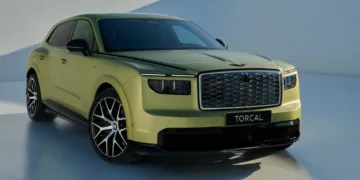





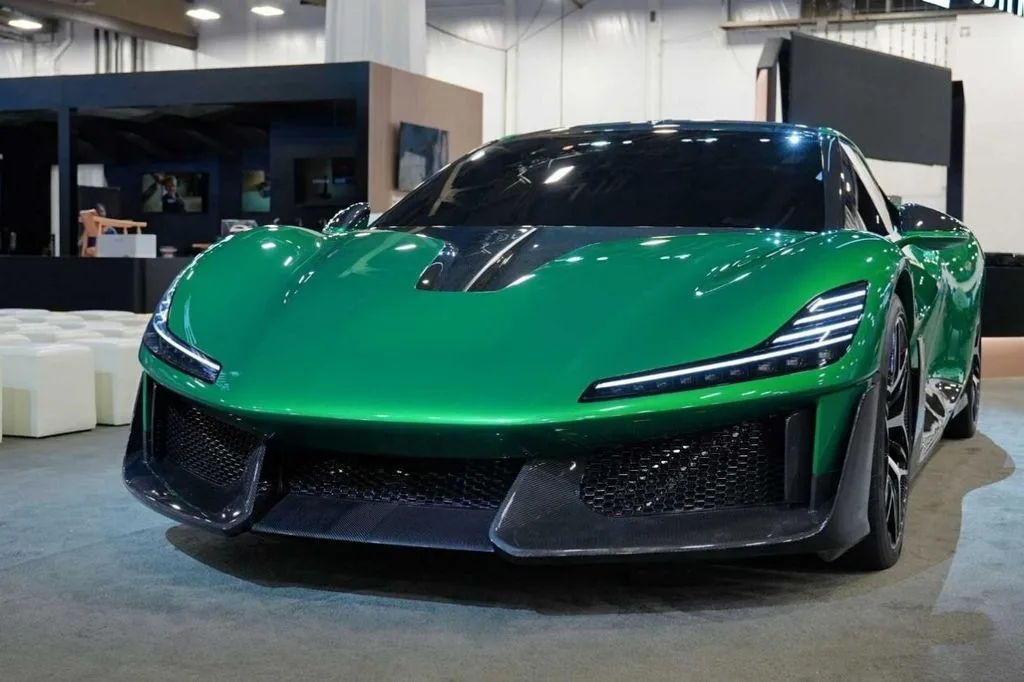
Nebula Next has made its CES debut on Jan 6 with the Nebula Next 01 Concept, pitching the four-door show car as an early look at a high-performance new energy vehicle (NEV) architecture and an entry point into the global smart EV race.
In its announcement, Nebula Next described itself as a technology-led company focused on R&D and product exploration, and positions CES as a proving ground for global competitiveness as the industry cycles through rapid software and hardware iteration.
The company said it aims to build a high-end brand around “technology value” rather than competing on price, as luxury buyers increasingly link premium positioning to user experience and advanced engineering.
CarNewsChina, citing details presented at CES, reported that the Nebula Next 01 Concept is developed under a “Project Star” line and is connected to Dreame Auto, best known for consumer appliances.
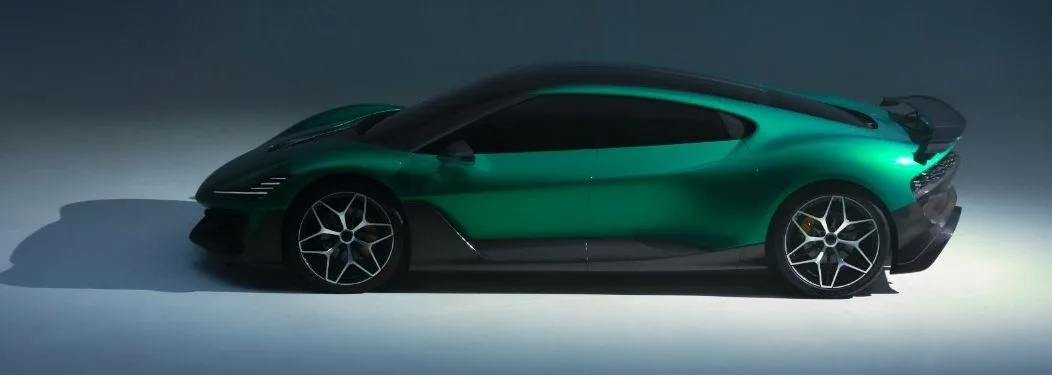
The outlet said the concept’s body used 2,000MPa steel and carbon-fibre elements, and claimed torsional stiffness of more than 45,000Nm/deg. It also reported a 0.185Cd drag coefficient, placing aero efficiency at the centre of the programme.
Performance figures released during the presentation are similarly aggressive.
The concept uses four electric motors, each rated at 469hp, for a combined 1,903hp, with direct cooling for each drive unit.
The car is quoted at 0–100kph in 1.8 seconds, with a “Super Boost” mode said to add 30% power, while wheel torque is listed at nearly 23,000Nm.
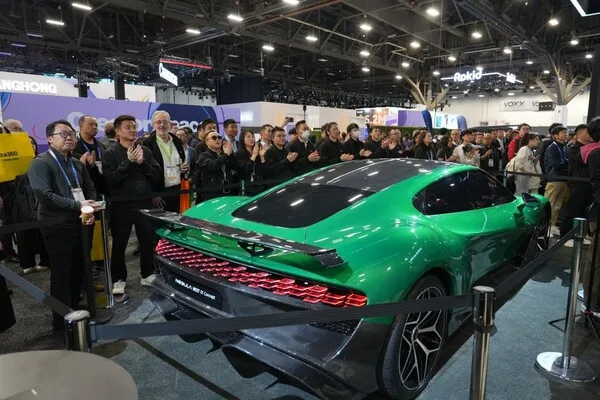
Nebula Next focuses heavily on aero-driven design: multifunctional front-end structures intended to manage intake and cooling at speed, integrated side airflow features, and active rear aerodynamic components paired with a new crash-structure concept.
Styling cues include a “Green Lightning” theme, a “Lightning Waistline”, and a deep-woven carbon-fibre “armour” the company links to a “Super Track Mode”.
Nebula Next said it has assembled a vehicle manufacturing team of nearly 1,000 people, is building a user co-creation system to feed real-world input into product iteration, and has signed up multiple “top-tier” global suppliers.
The concept is still some distance from production but the company is said to be targeting volume NEV production in 2027, with related models expected to carry over parts of the concept’s core technology.