







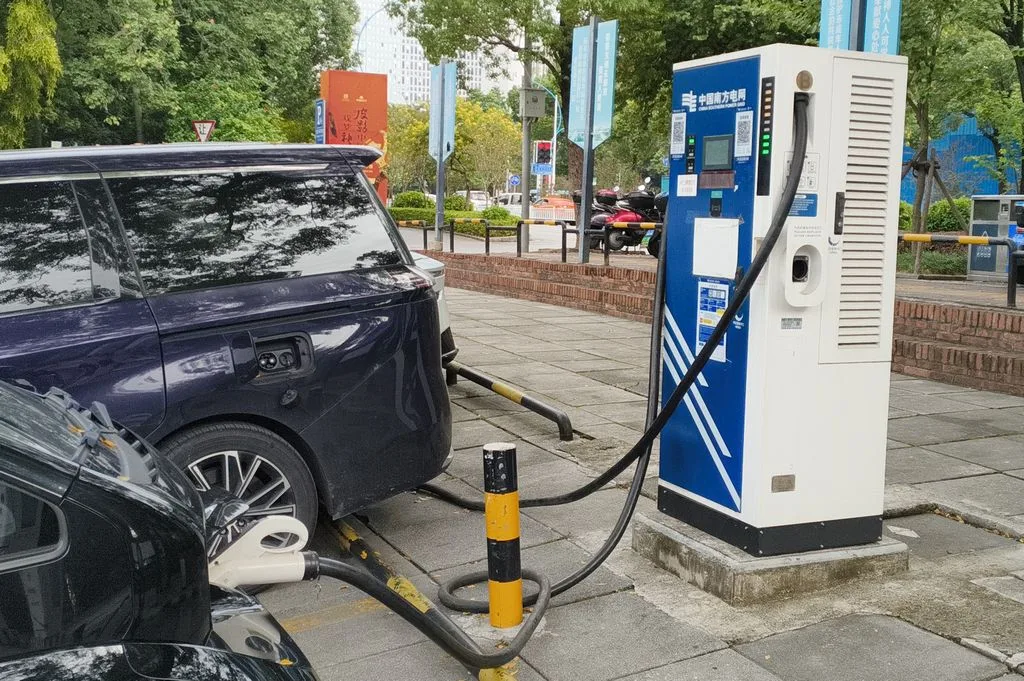
Fresh test data from Europe and China is quietly dismantling one of the loudest scare stories around electric cars: electromagnetic radiation.
Germany’s ADAC motoring club, working for the Federal Office for Radiation Protection, has measured electromagnetic fields inside 11 battery-electric models, several plug-in hybrids and a reference petrol car.
The verdict is blunt: levels in EVs sit far below recognised risk thresholds and are not higher than in conventional vehicles.
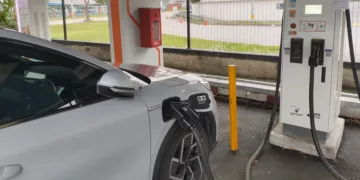
Engineers strapped 10 sensors to a test dummy, moved it between at least two seating positions, then drove and charged the cars in real-world conditions.
They did see short spikes during hard acceleration, hard braking or when high-voltage components woke up, but those blips are described as normal behaviour for modern power electronics rather than anything sinister.
More importantly, ADAC says the electric field strength and current density that a human body might actually experience remain well under international safety limits.
Stronger readings cluster around the feet, close to drive units and cabling, while the head and torso sit in much calmer territory. That’s critical for people with pacemakers or worries about effects on the nervous system.
The real surprise is the villain of the piece: humble seat heaters. Across EVs, plug-ins and even the lone petrol car, heated seats generated the highest readings, though still comfortably within safety margins.
Chinese data tell a similar story. According to the China Automotive Technology & Research Centre, cabin radiation in locally built EVs typically measures around 0.8–1.0µT in the front row and 0.3–0.5µT in the back, roughly 1–1.3% of the country’s 100µT limit.
Everyday gadgets such as electric blankets can emit 10 to 50 times more.
For buyers spooked by talk of “rolling microwaves”, the message from the labs is reassuring: today’s Chinese EVs are comfortably inside both national and international safety lines – and in many cases, they’re gentler on your body than an old-fashioned petrol car.