




The US National Highway Traffic Safety Administration is moving to rewrite federal vehicle-lighting rules as complaints grow over headlight glare and newer lighting technologies outpace existing regulations.
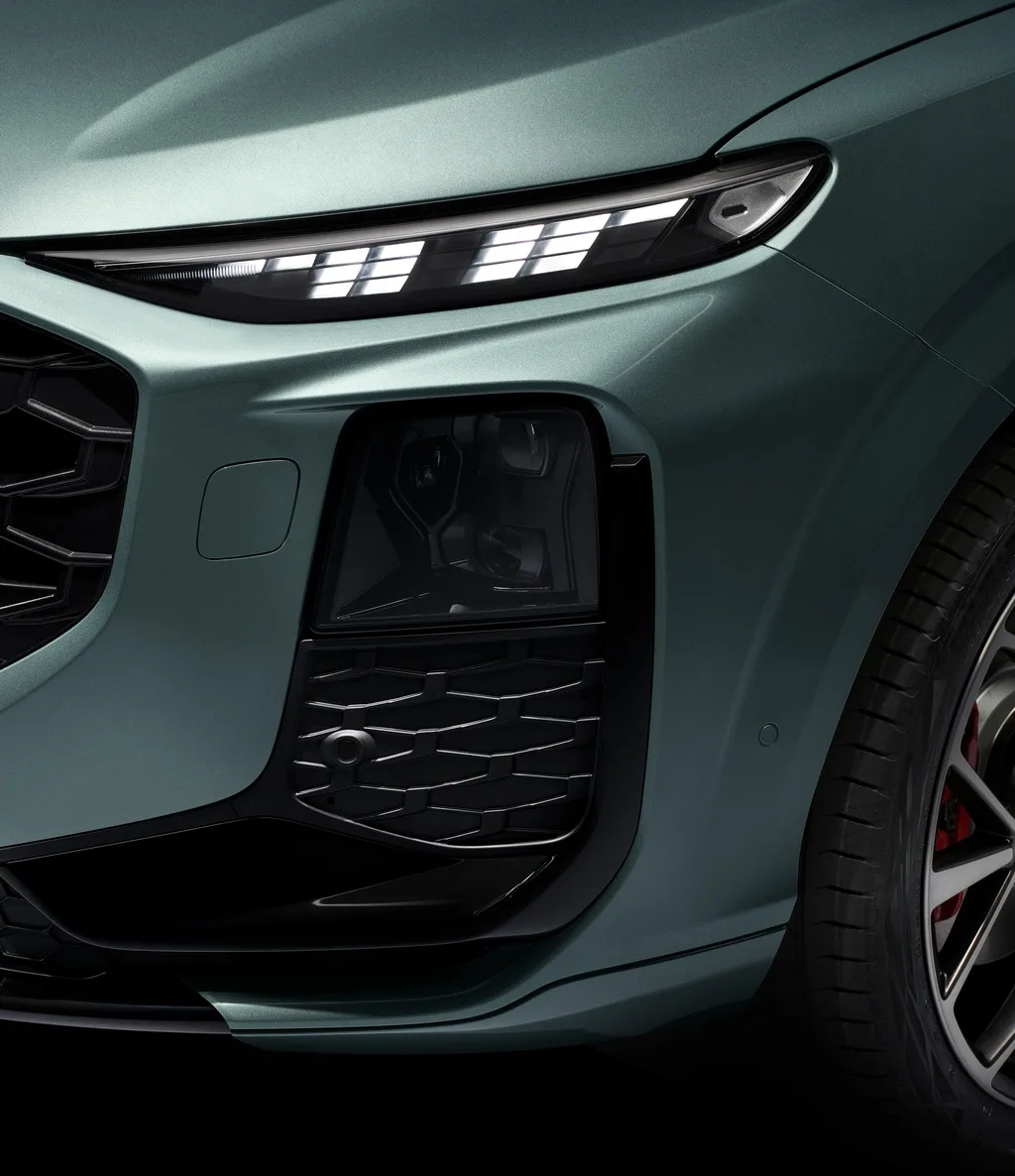
NHTSA said it will modernise Federal Motor Vehicle Safety Standard No. 108, covering headlights and other vehicle lighting, with attention on glare, LEDs, dusk sensors, automatic high beams and replaceable light sources.
The review will also examine headlamp height and aim, testing procedures for plastic optics and closer alignment with international standards.
NHTSA administrator Jonathan Morrison said existing rules can restrict newer safety-related lighting technologies and that the review would address potential causes of glare.
Reuters reported that concern has increased as brighter LED lighting and taller SUVs and pick-ups have become more common.
NHTSA data cited by Reuters showed glare was recorded in roughly one to two out of every 1,000 nighttime crashes between 2015 and 2023, although older drivers can be particularly sensitive to it.
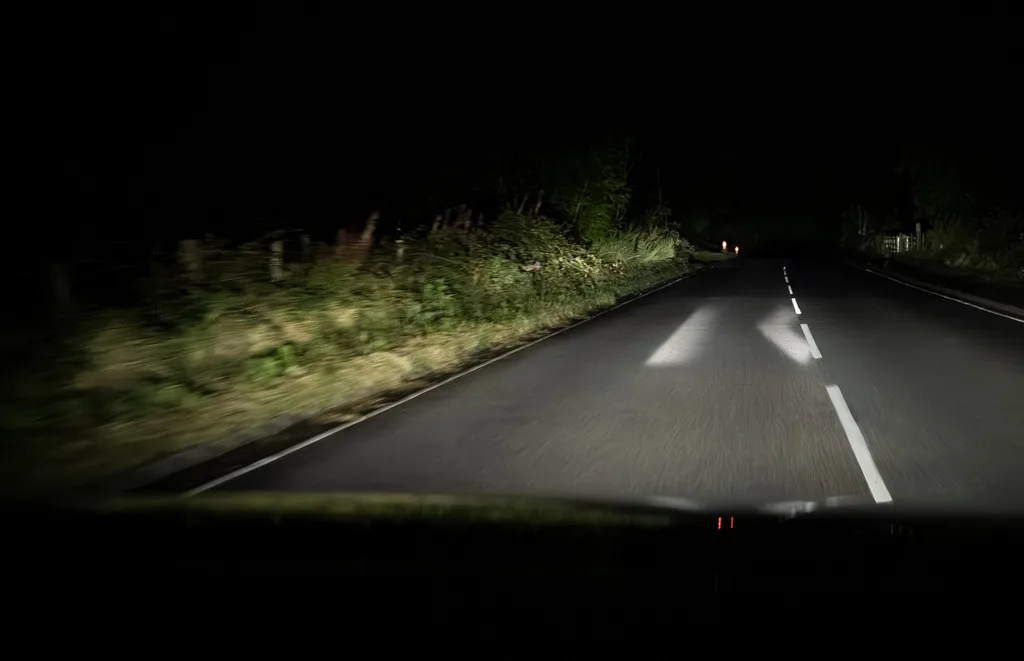
The US permitted adaptive driving beam headlights in 2022. Such systems can selectively reduce light directed towards other road users while maintaining stronger illumination elsewhere.
Road & Track noted, however, that the 2022 US requirements did not closely align with international standards, limiting wider deployment of adaptive systems already used in other markets.
It said only a small number of carmakers, including Tesla and Rivian, have developed systems compliant with the current US rules.
NHTSA will use negotiated rulemaking for the update, its first use of the process for vehicle lighting in more than 25 years.
Up to 18 representatives from industry, safety groups, research bodies and engineering organisations will take part.
Public comments and committee nominations are due by Nov 9.