



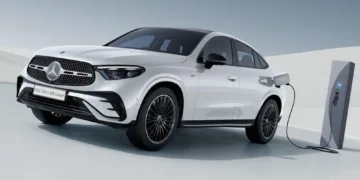


Audi has started production of the fully electric A2 e-tron at its Ingolstadt plant in Germany, with the new model reaching production readiness 21 months faster than previous vehicle projects.
The A2 e-tron was developed specifically for Europe and will be built alongside the A3 at Audi’s main plant. Audi CEO Gernot Döllner described it as the most efficient Audi yet and said the model was designed to make electric driving more practical for everyday use.
Much of the manufacturing story centres on cutting complexity and cost.
Audi has reduced the number of production-related parts used for the A2 e-tron, trimming the space and logistics needed to feed components to the assembly line.
It is also introducing its “string-of-pearls” production system at Ingolstadt. Customer orders are fixed six days before assembly, allowing suppliers to prepare parts in the exact production sequence and reducing the need for storage and sorting areas.
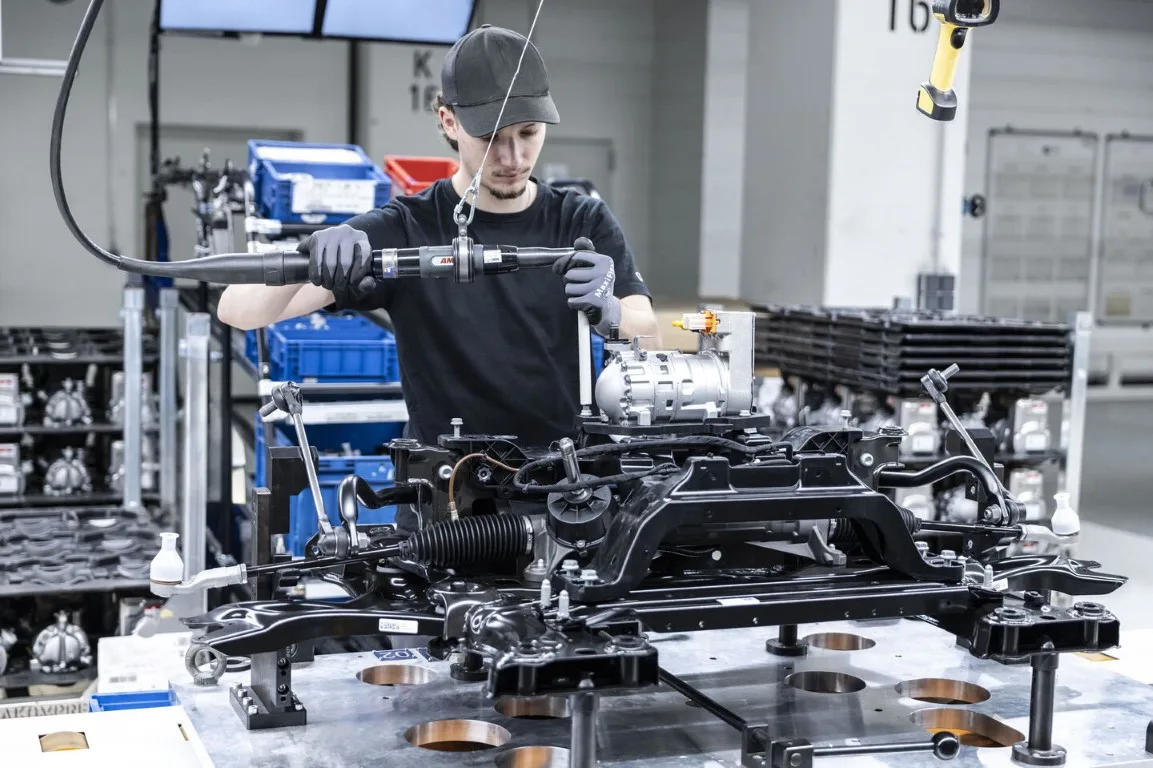
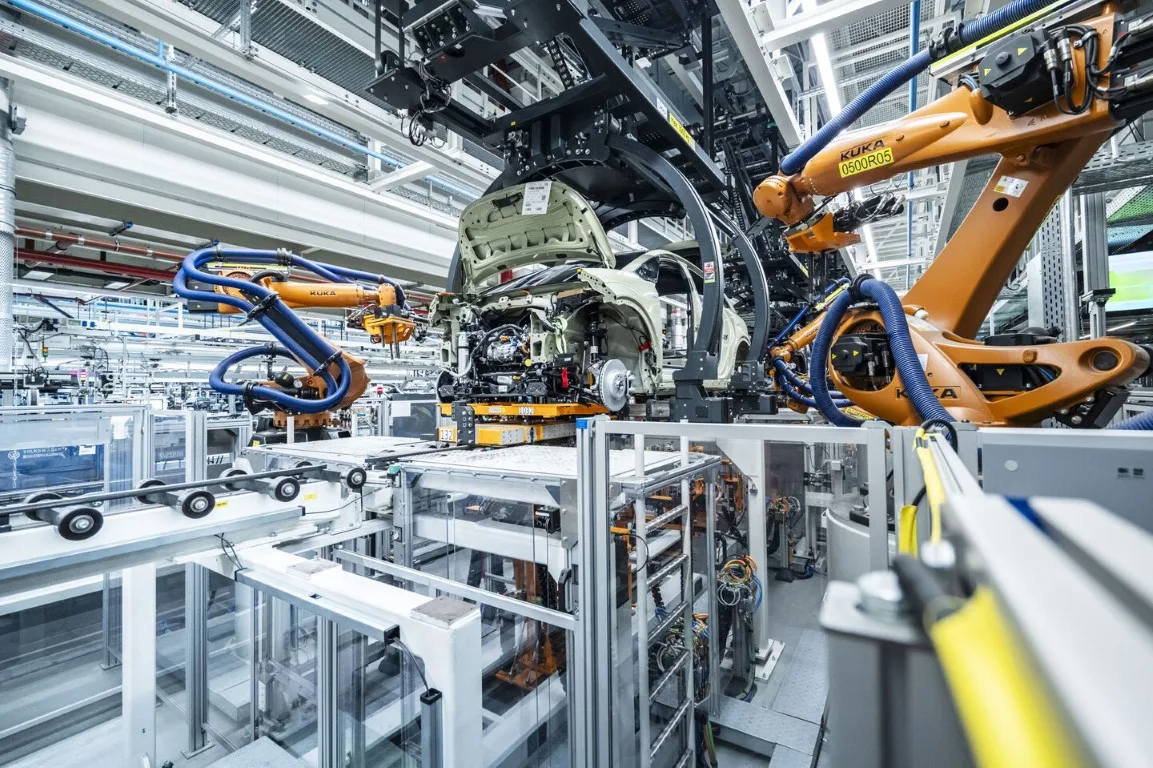
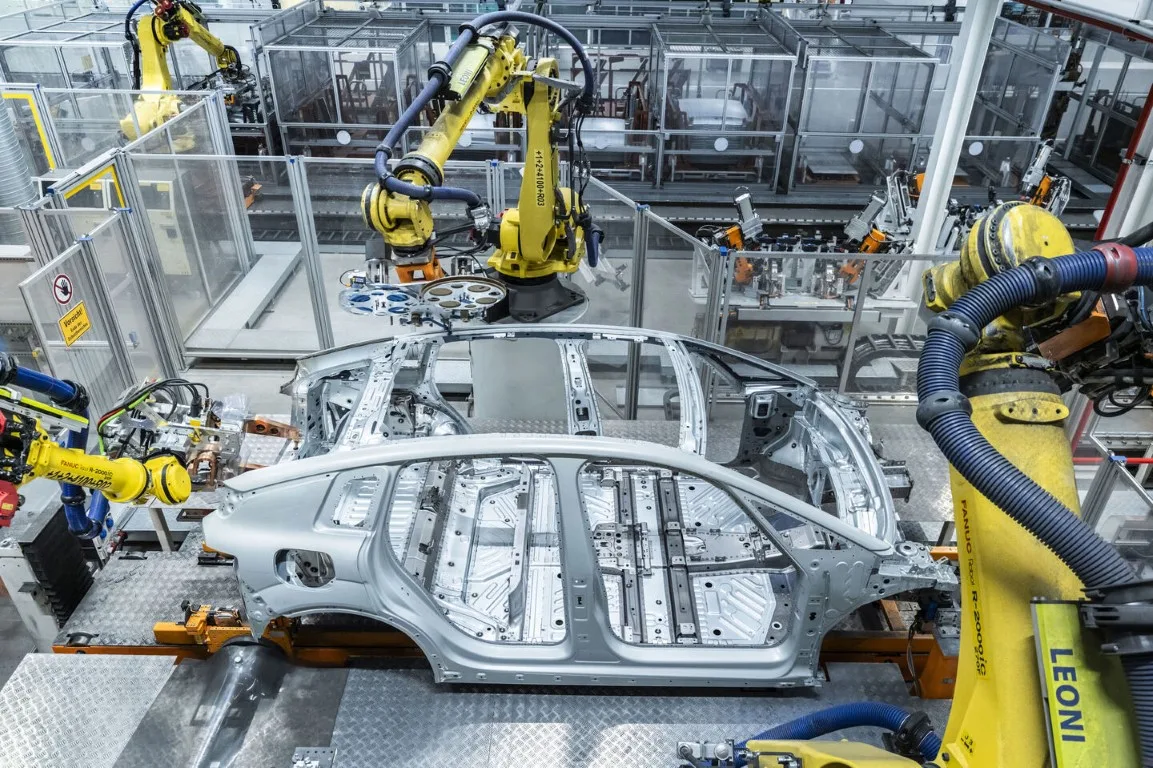
Audi is reusing more than 1,200 pieces of existing production equipment, including welding guns and about 250 robots previously employed on other models. A2 e-tron and A3 bodies can be produced using the same flexible facilities.
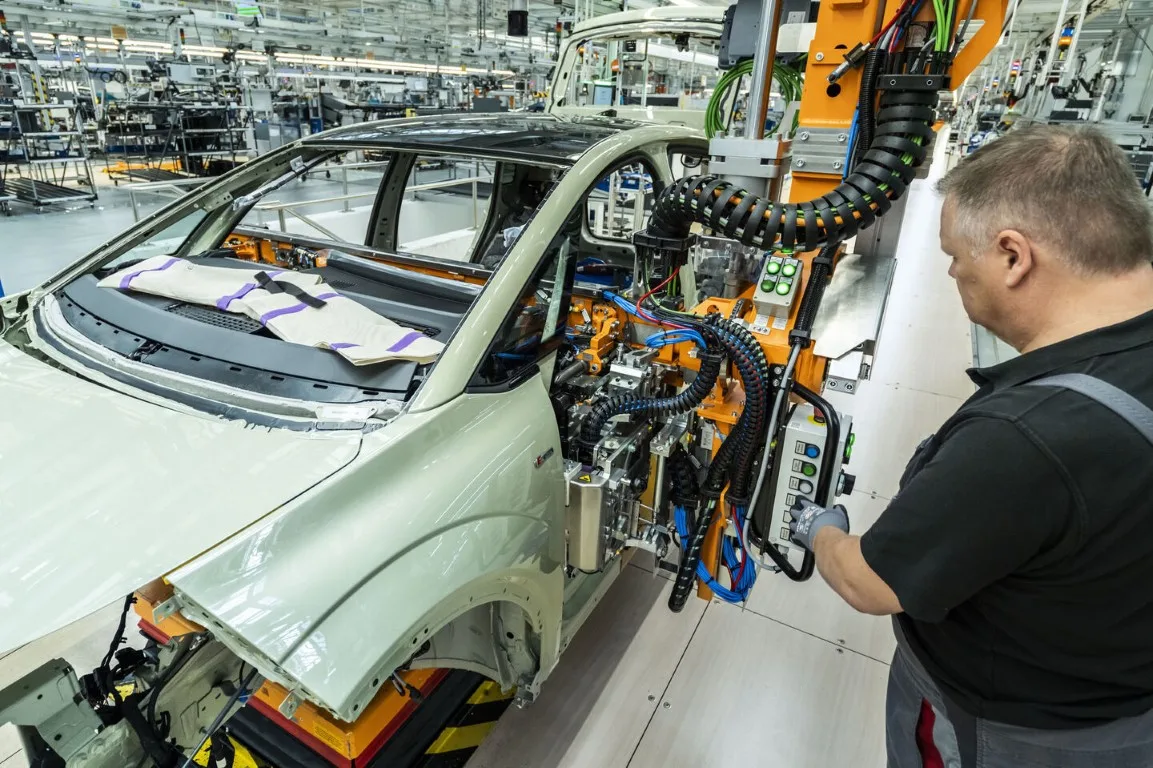
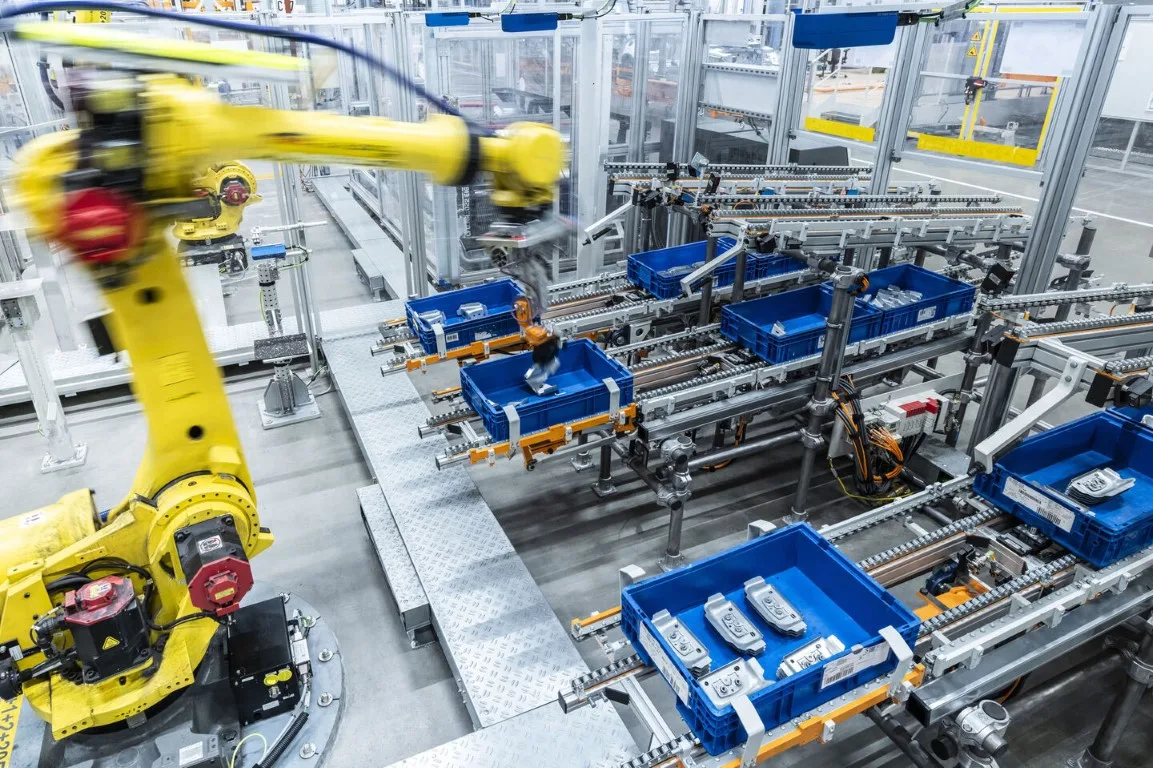
Automation has increased elsewhere. Wheel installation at Ingolstadt is now fully automated for the A2 e-tron, while camera-guided robots in the body shop can identify and pick sheet-metal components directly from unsorted containers.
Audi is also expanding digital control of its factories. Its Edge Cloud 4 Production system centrally handles functions including vehicle control-unit testing and assembly instructions, removing the need for more than 450 industrial PCs on the assembly line.
Artificial intelligence assistants are being introduced to help workers search production documentation and diagnose maintenance problems.
The changes are intended to make German vehicle production more competitive as Audi expands its electric range.
Production board member Gerd Walker said the A2 e-tron showed that cars could still be built profitably in Germany through more flexible plants, lower complexity and greater automation.