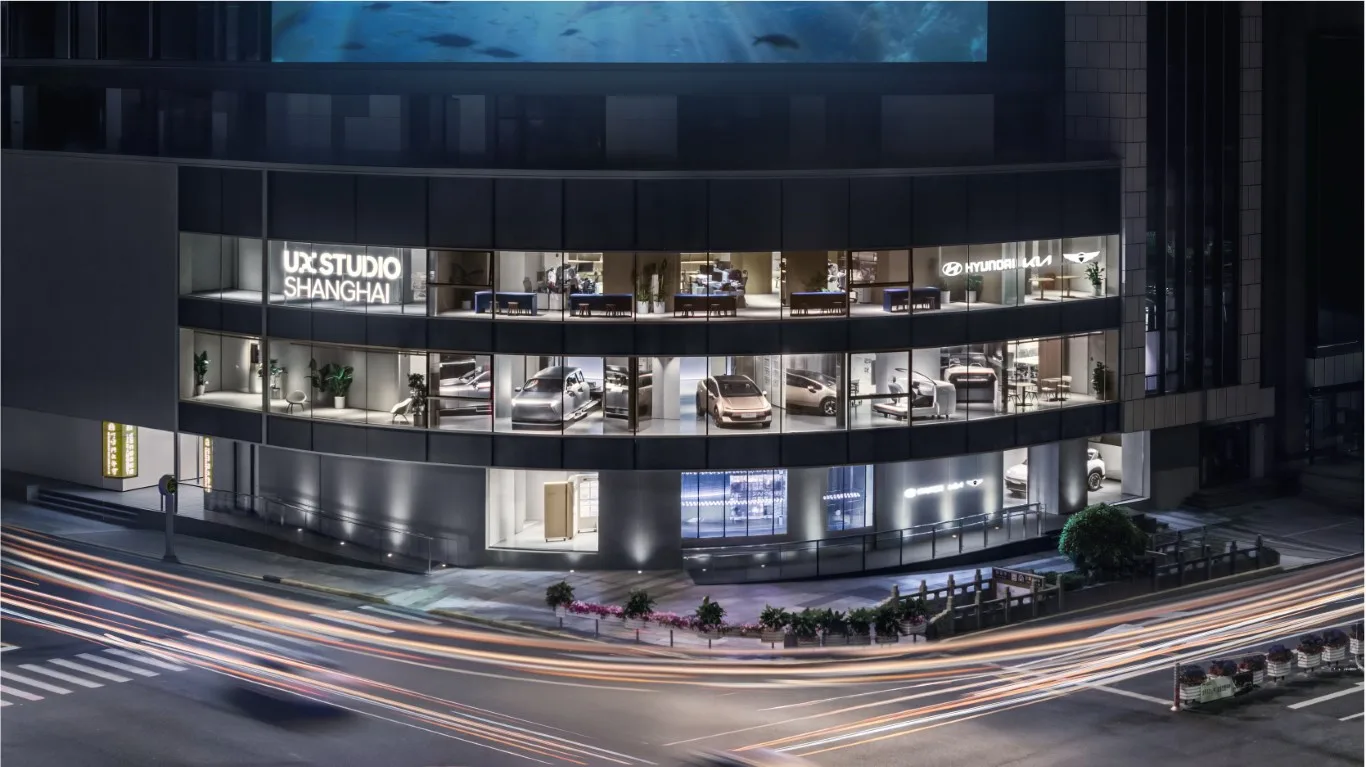





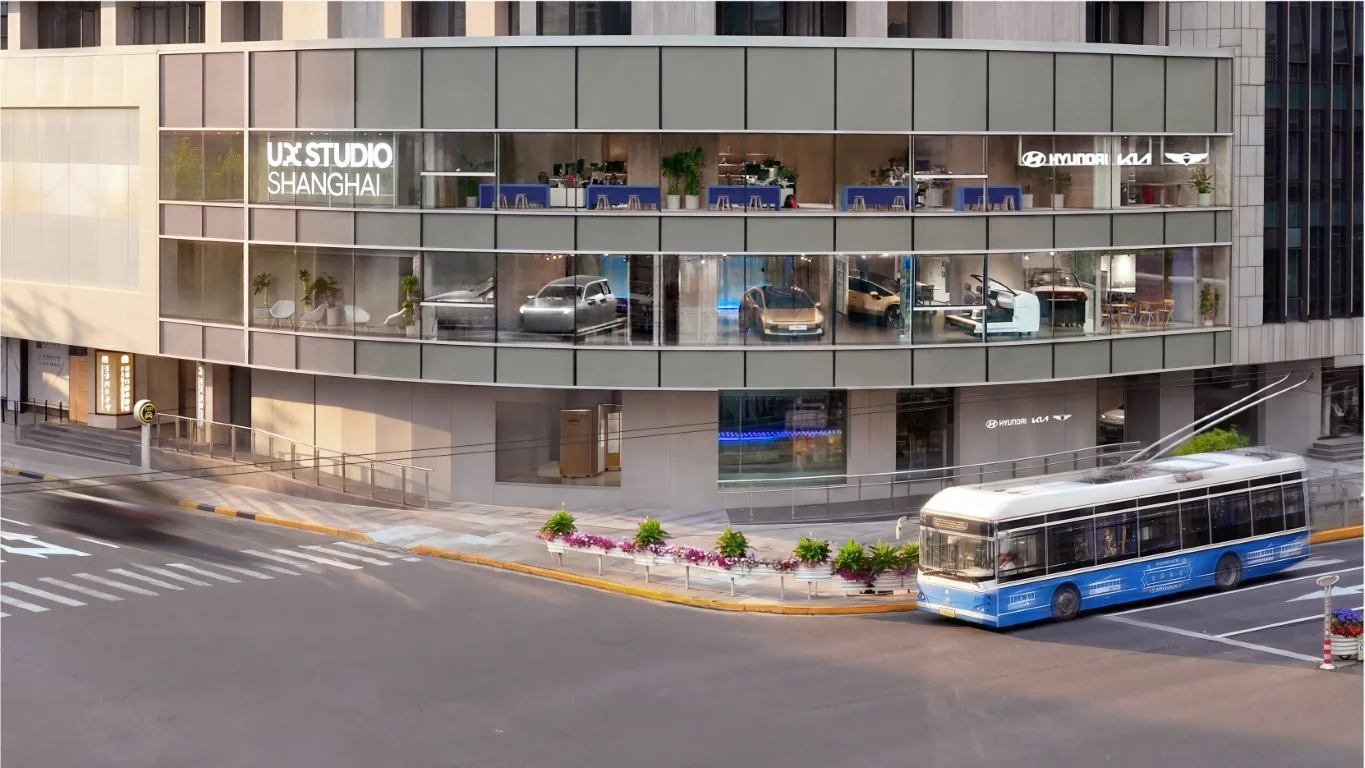
Hyundai Motor Group has opened UX Studio Shanghai, a user-experience research centre that will involve Chinese consumers directly in the development of vehicles and digital services.
The facility, in Shanghai’s Jing’an district, forms part of Hyundai Motor Group’s wider UX network, which also includes studios in Seoul, Frankfurt and Irvine. Findings from China will feed into the group’s global research and development programmes rather than being used only for China-market models.
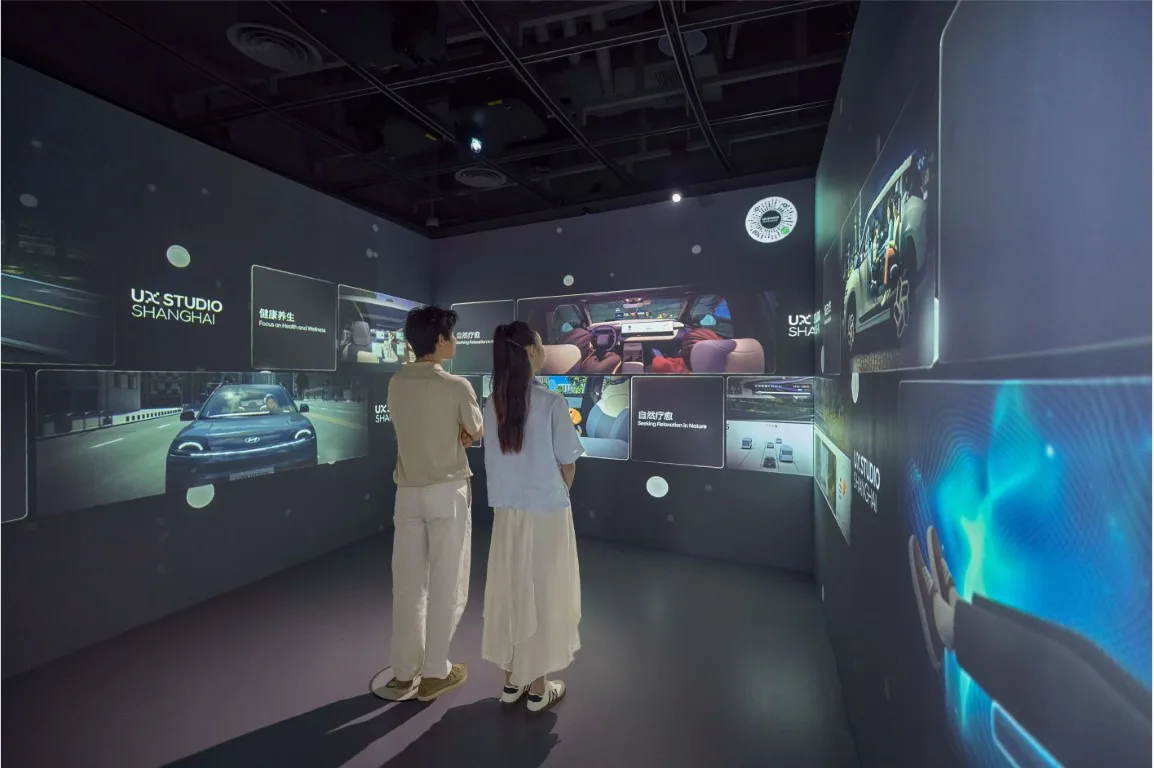
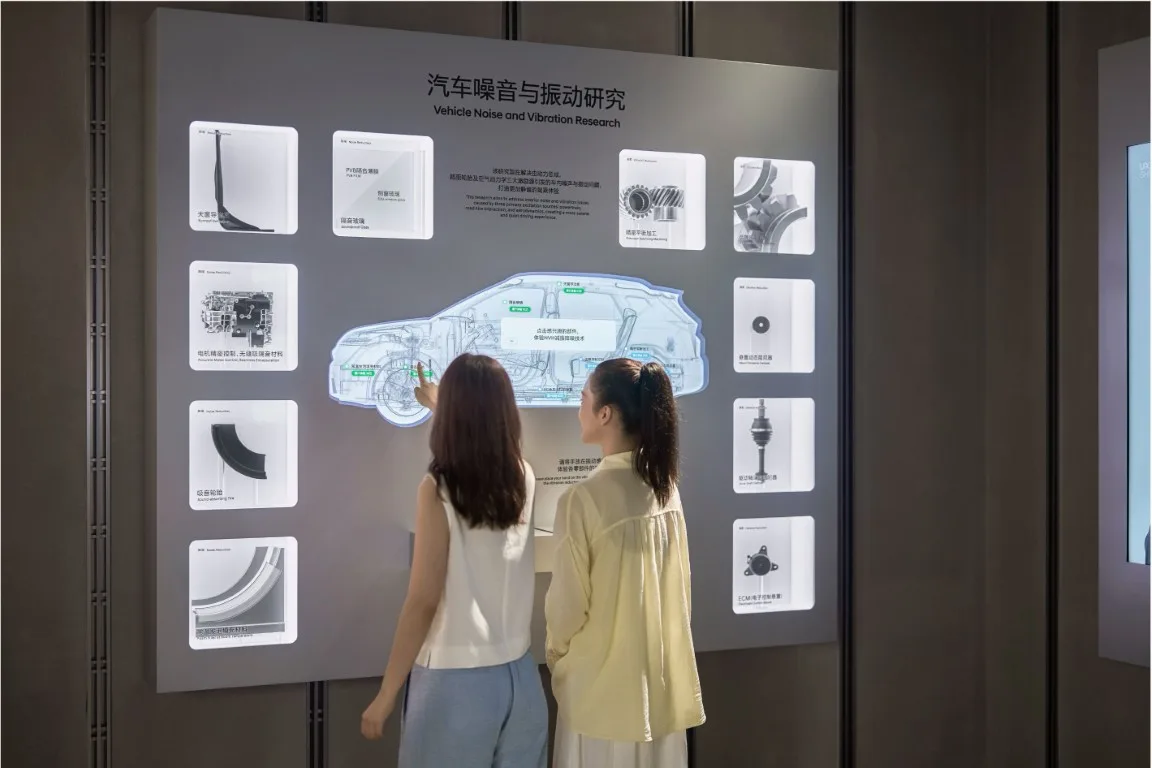
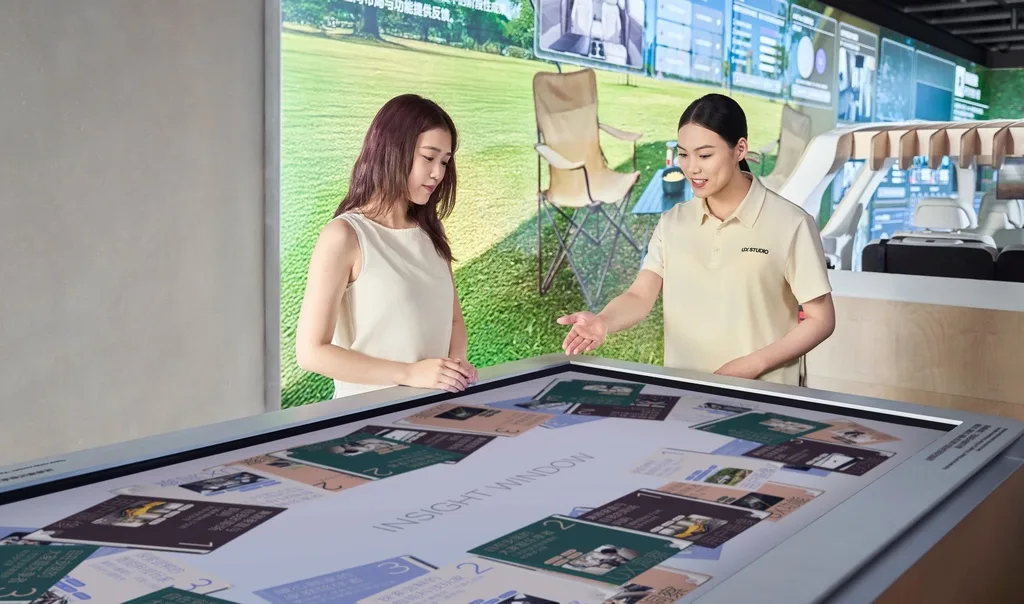
The three-storey building is divided into an Open Lab and an Advanced Lab. The public-facing Open Lab includes areas for visitors to explore new mobility technology, test human-machine interfaces and learn about vehicle-development processes.
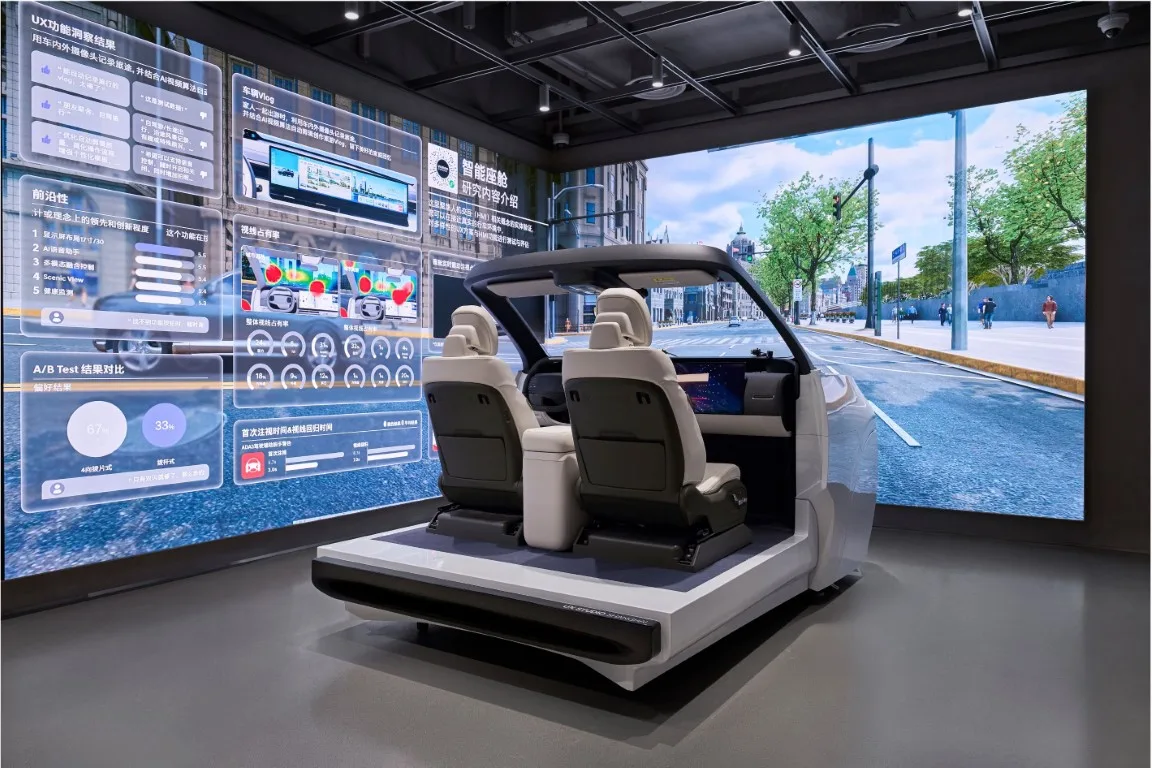
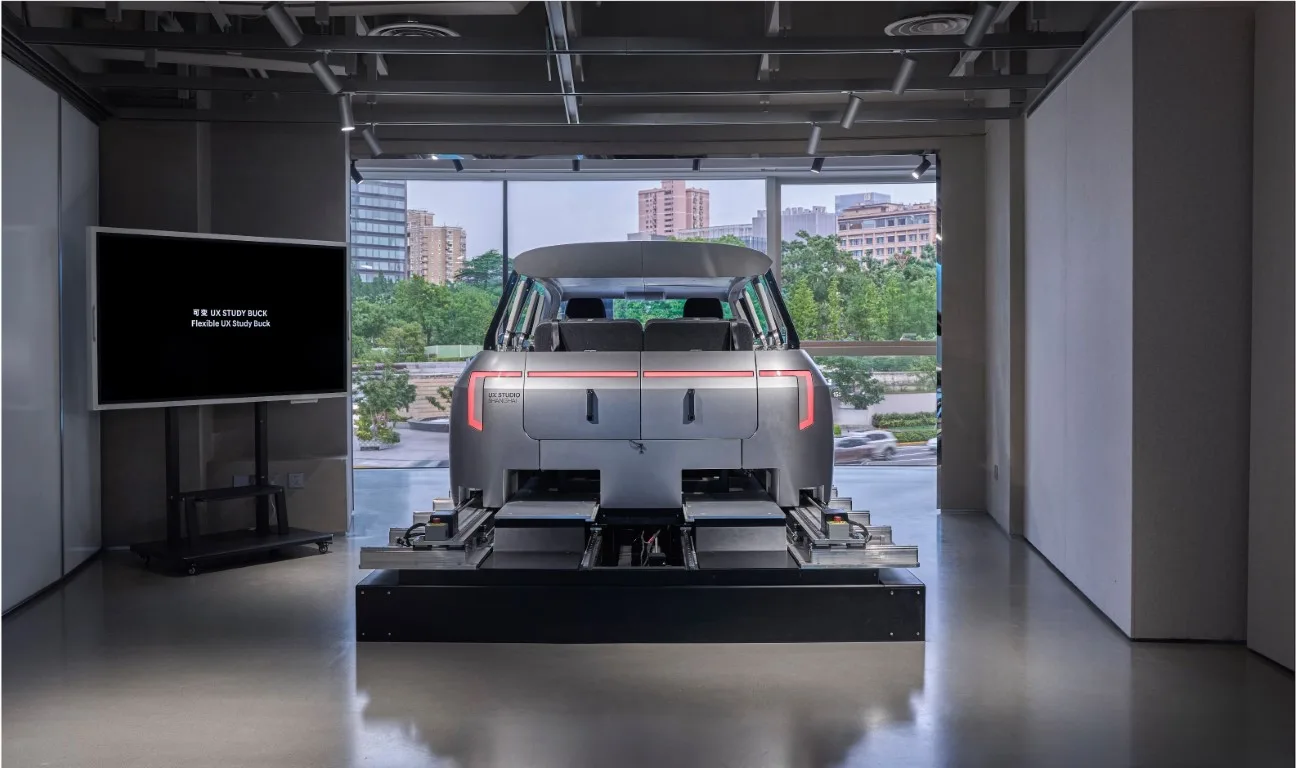
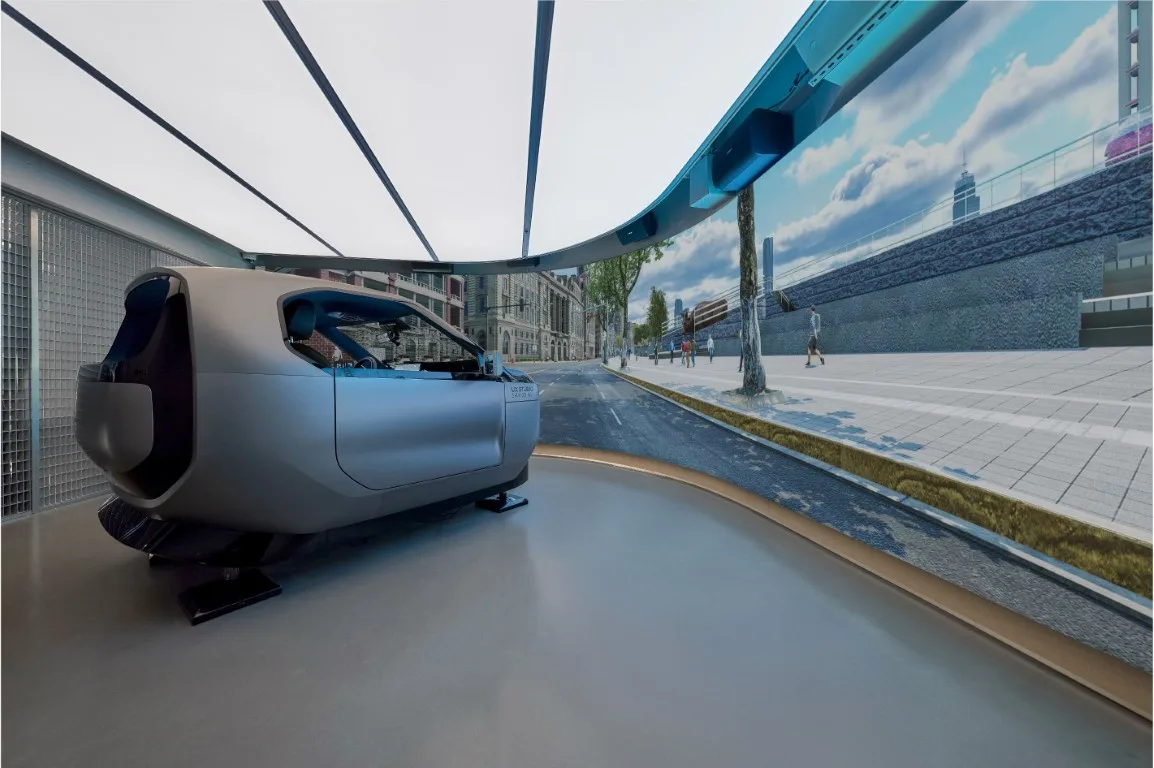
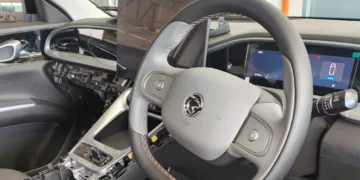
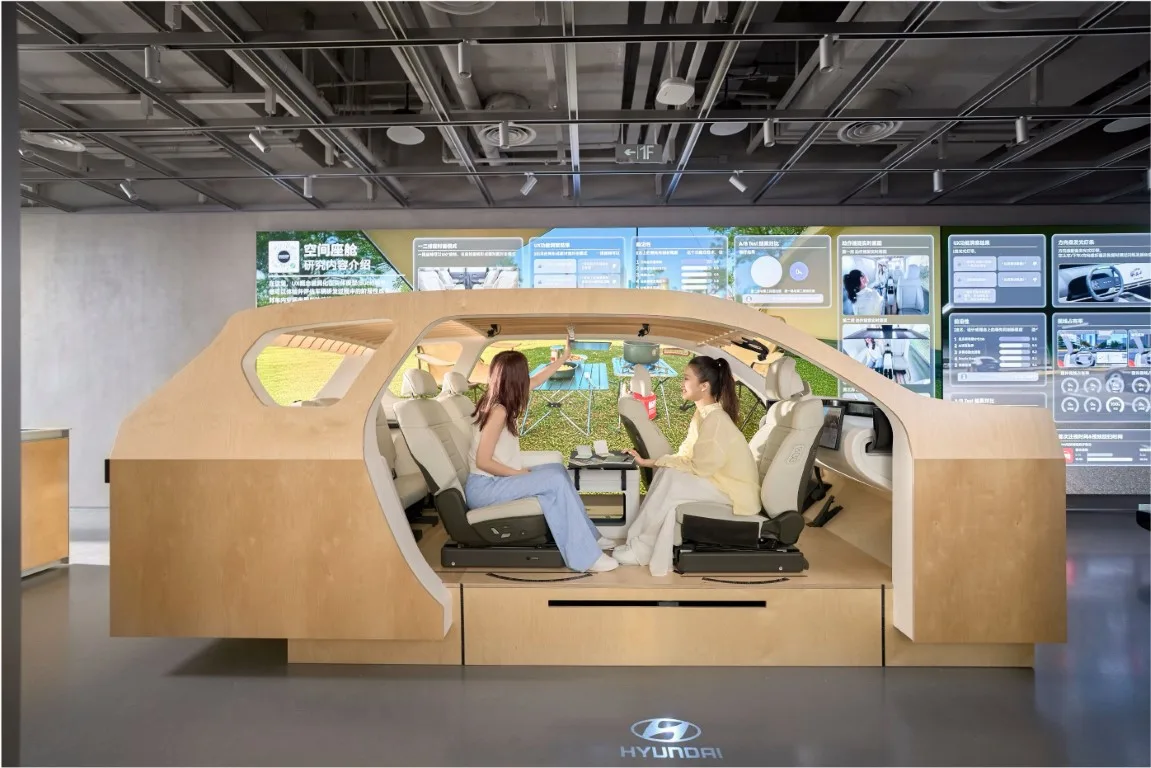
The Advanced Lab is reserved for invited participants. It has a flexible vehicle-interior mock-up and a high-fidelity simulator for testing cockpit layouts, infotainment systems and advanced driver-assistance functions before they reach production.
Hyundai Motor Group said customers may be involved from the early concept stage through validation and preparation for mass production. The Shanghai team will study how people use vehicle space and digital functions, with work covering multi-screen interaction, voice control and connected services.
The company chose Shanghai because of the city’s large and varied user base, as well as the Yangtze River Delta’s technology sector. Research programmes will examine family travel, women’s commuting experiences and everyday short urban journeys.
Local staff will lead the work, while partnerships with universities and local partners are intended to add broader social and behavioural research. Hyundai Motor Group has named Fudan University’s School of Management as one of its academic partners.
The studio supports the group’s shift towards software-defined vehicles, with research covering infotainment, driver-assistance systems and cabin functions.
Hyundai Motor Group wants ideas tested in China to influence vehicles and services developed for other markets across its future product portfolio rather than remain confined to China.