


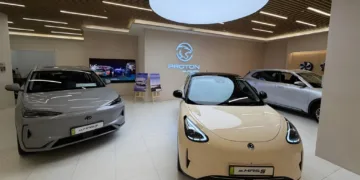




Zeekr Malaysia has 4,000-plus owners on the road and a charging problem to match.
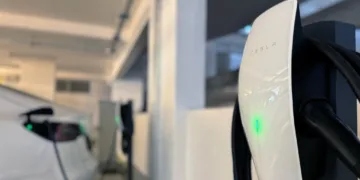
Public DC fast chargers are scattered and not always where you need them on a long drive. The brand’s answer, at least in part, is a formal tie-up with Handal Green Mobility — better known as DC Handal — to bring Zeekr Power-branded charging access to key locations around the country.
The agreement starts with the North-South Expressway.
Seven charging stops are being set up along the corridor, each with two or more chargers delivering at least 120kW.
For context, that rate can recover roughly 100km of range in under 15 minutes on most current Zeekr models — workable for a highway break without the meal having to run long.
Power delivery at these sites goes higher than that floor. DC Handal’s existing hardware already tops out at 400kW, and future installations are earmarked for 640kW where sites can draw on a 1.2MW grid supply.
Today’s EV fleet can rarely absorb charge at that rate, but wiring the network for tomorrow’s cars rather than today’s makes sense given how fast vehicle charging specs are moving.
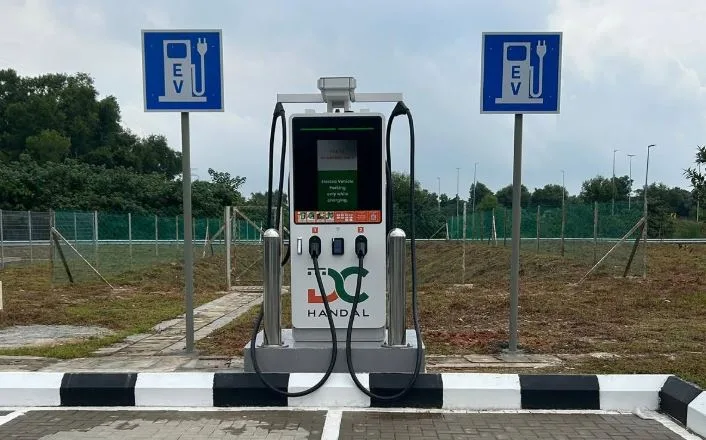
Seven sites along one expressway is a start. Both companies have signalled a broader rollout beyond the NSE corridor, targeting strategic locations nationwide — though no further specifics on sites, states or timelines have been committed to publicly.
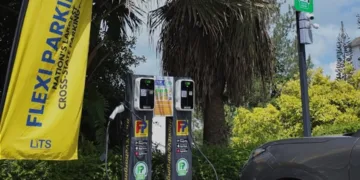
DC Handal is a useful partner for exactly this kind of rollout. The operator runs exclusively DC fast charging with around 250 live charging points spread from Kedah down to Johor and across to Sabah and Sarawak.
Its network has been growing steadily, and its infrastructure includes large multi-charger hubs like the 28-nozzle facility launched in late 2025.
The MoU was inked by Zeekr Malaysia’s head of product Loh Yan Teng alongside DC Handal chief technical officer Esa Fawsal Salleh. Zeekr Malaysia general manager Eddy Lu and DC Handal’s Lim Kok Keong signed off as witnesses.
Zeekr Power is the Geely-backed brand’s charging and energy arm, operating hundreds of ultra-fast stations in China.
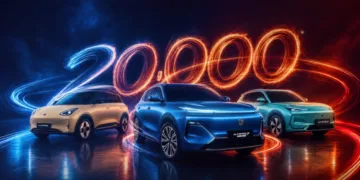
Getting it to mean something in Malaysia — where the brand has been selling since late 2024 and is eyeing 20,000 cumulative deliveries by 2028 — requires more than a logo on a charger.
It requires sites that work, that drivers can actually find on a map, and that don’t carry a pricing premium that defeats the purpose of owning an efficient car.