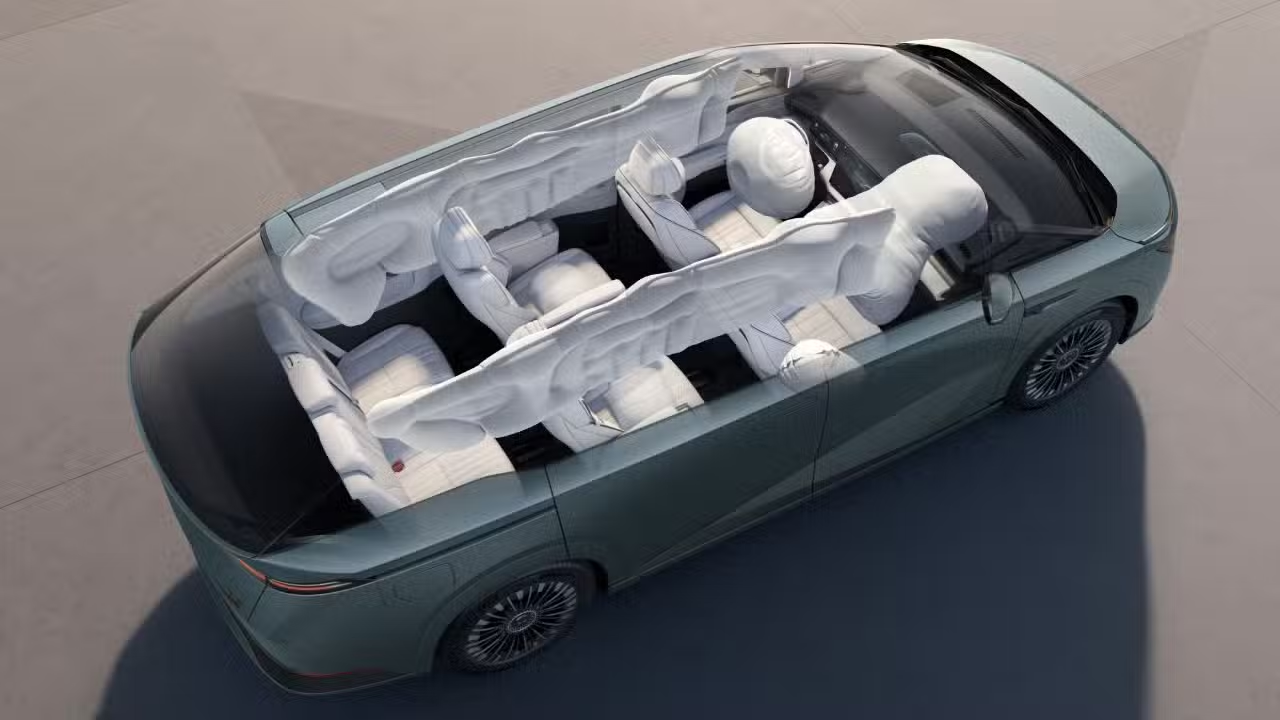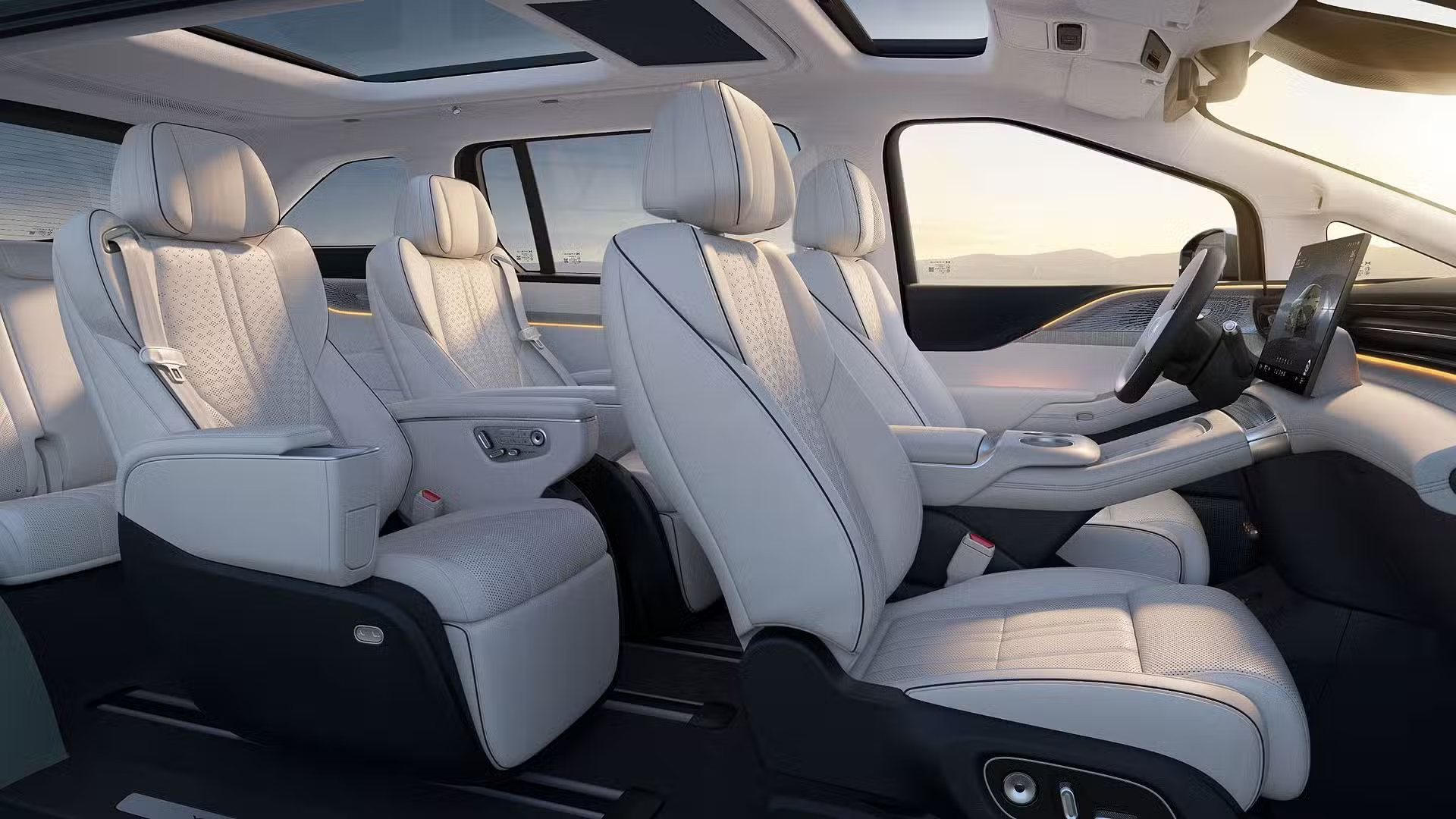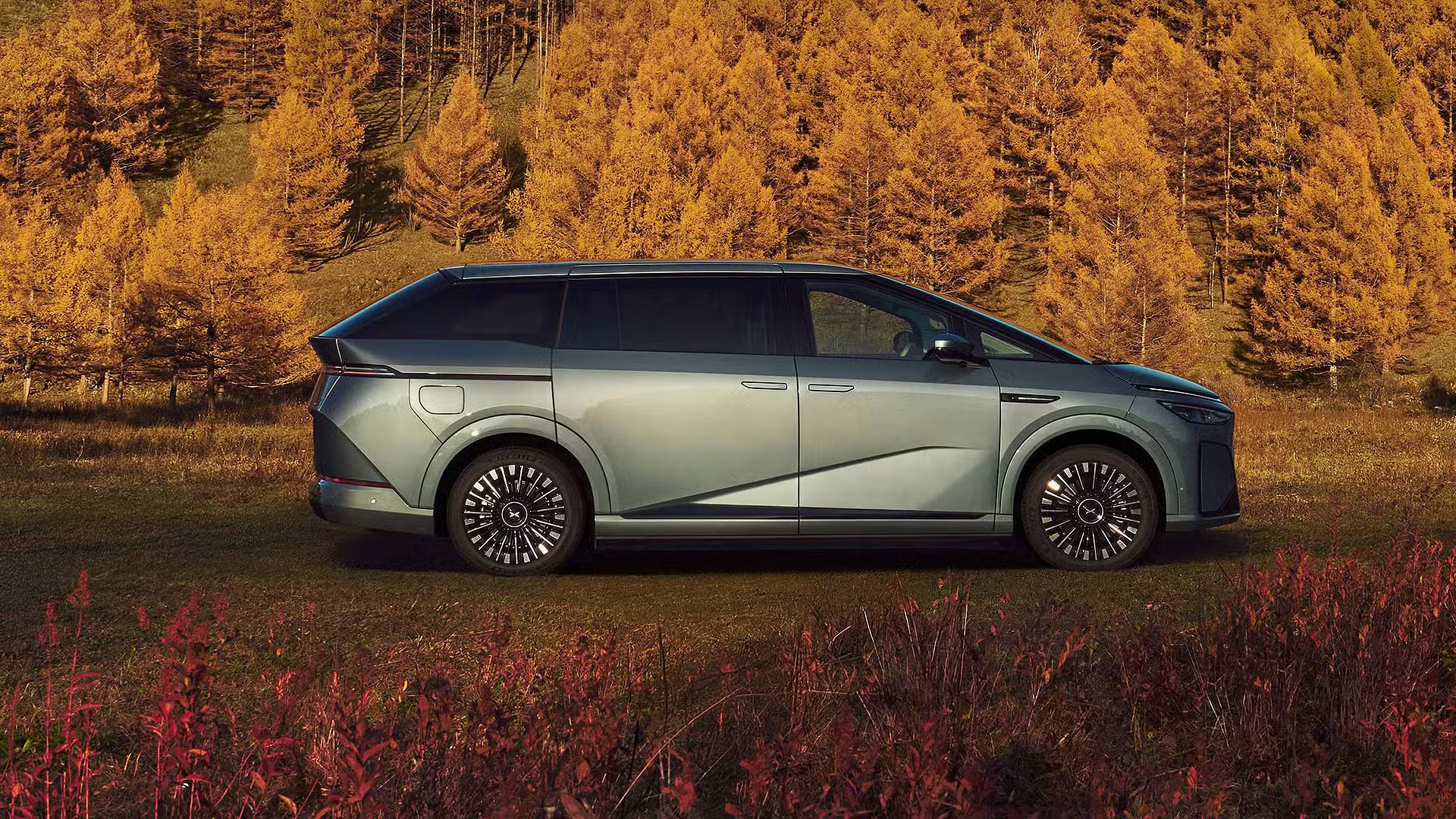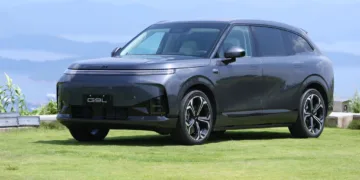






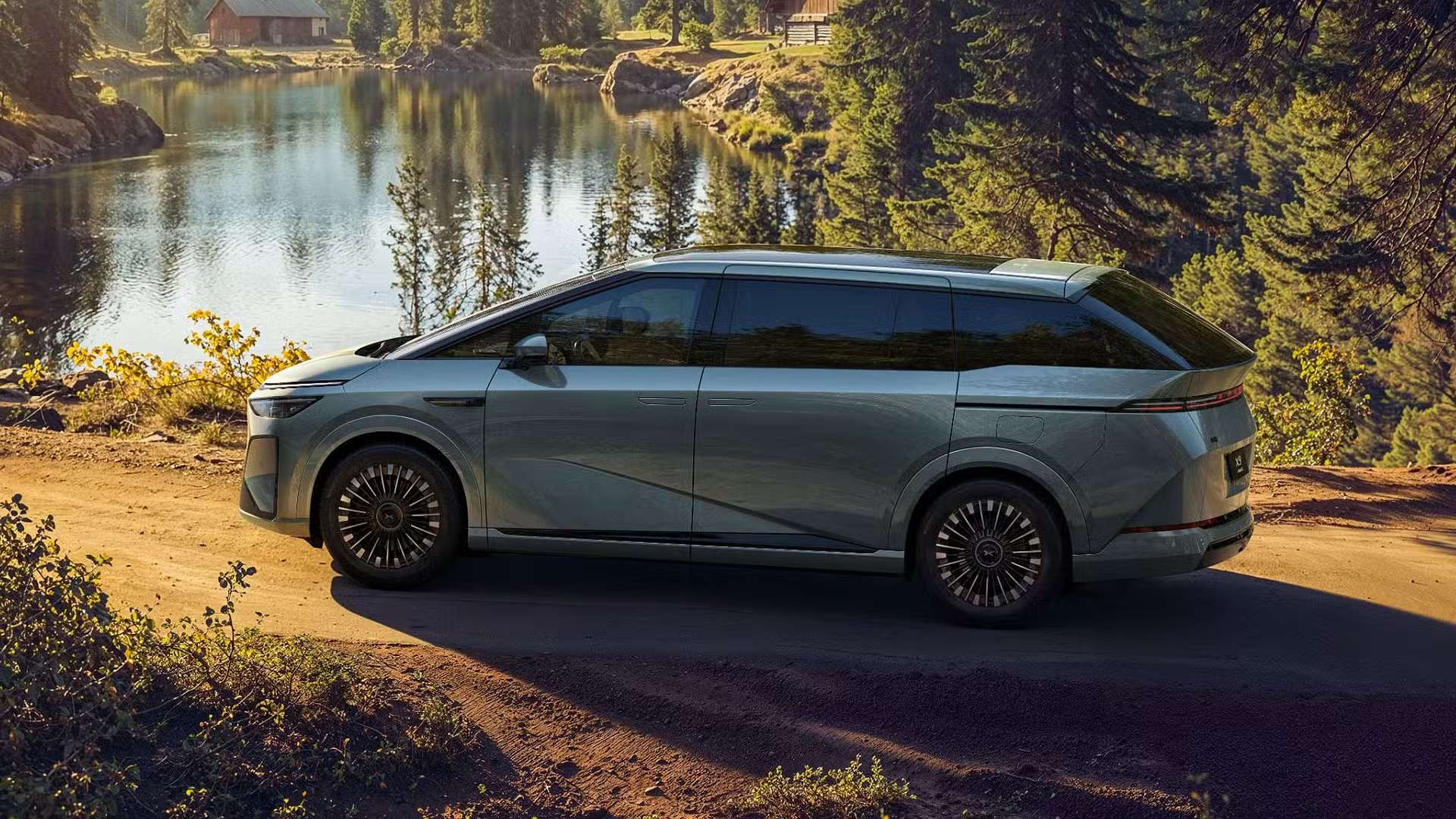
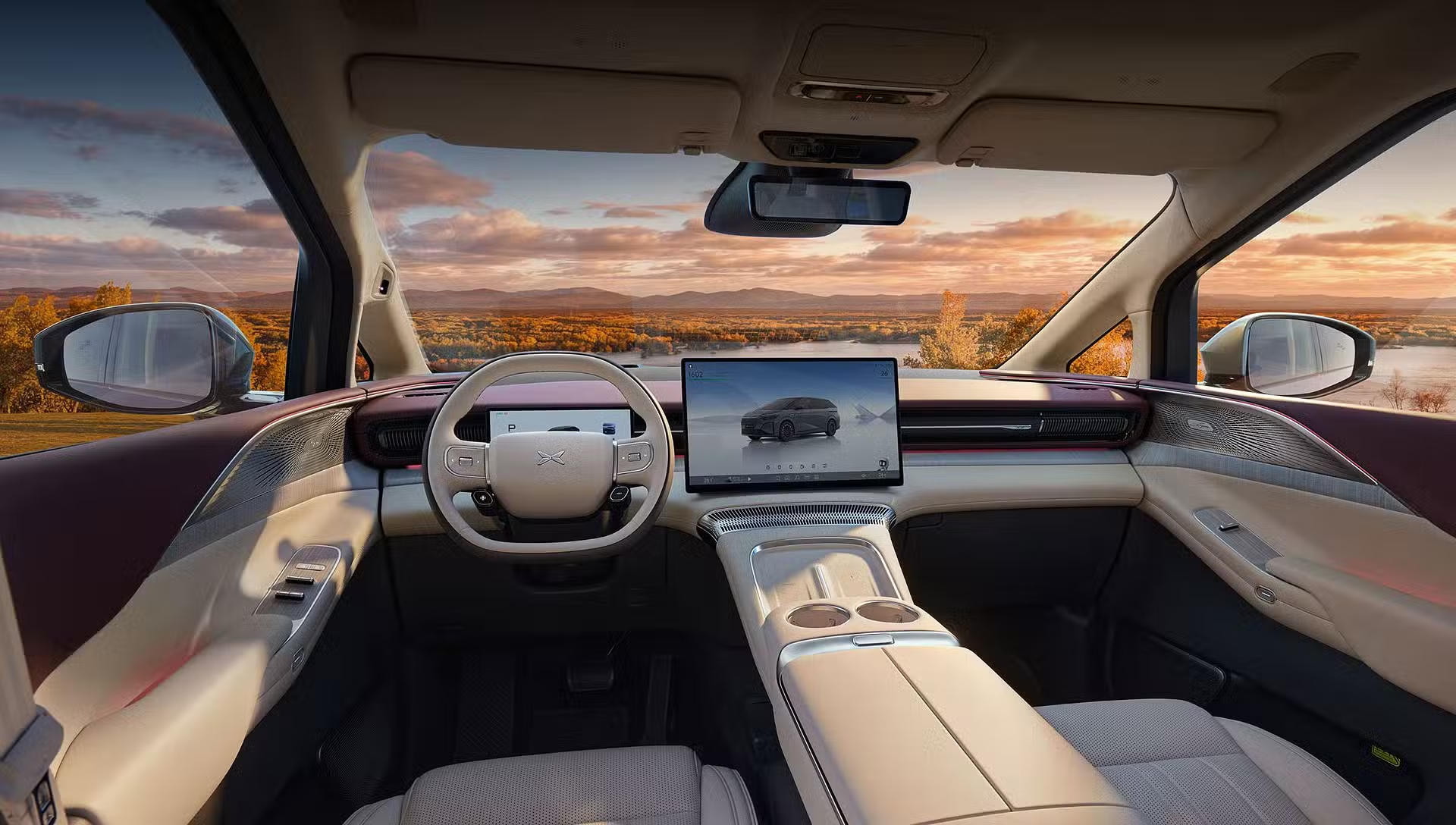
Xpeng Motors has launched its first range-extended electric vehicle, the X9 Super Range-Extender, and used the same stage to push back at online sceptics of its humanoid robot by dissecting IRON’s leg live to prove it was not human.
The X9, now open for pre-order, comes in two variants: Max at ¥350,000 and Ultra at ¥370,000, with deliveries scheduled to begin this month.
Chairman He Xiaopeng said the step into range-extended EVs is aimed at drivers who want electric performance without charging anxiety.
The 7-seat people mover combines a combustion generator with a lithium iron phosphate battery, delivering a claimed CLTC range of up to 1,602km. It supports ultra-fast charging, vehicle-to-load (V2L) external power supply and uses a highly integrated 9-in-1 rear axle unit to free up cabin space, signalling Xpeng’s intent to compete on both practicality and efficiency.
The company plans a wider fast-charging rollout by 2026 and will expand the range-extender format to its sedans and SUVs next year.
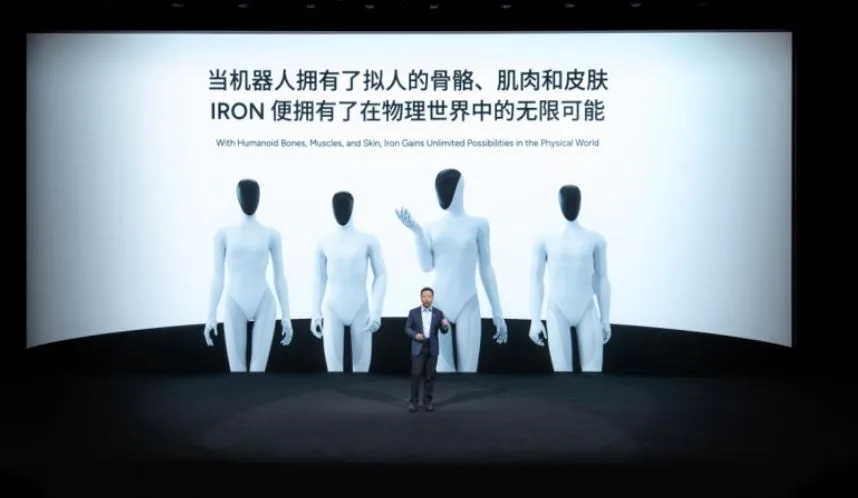
Sharing the spotlight, Xpeng unveiled its Next-Gen IRON humanoid robot, presented as a “physical AI” platform developed for real-world tasks rather than lab demonstrations.
Building on the first-generation model shown in 2024, the new IRON features a humanoid spine, bionic muscles and full-body flexible skin, with customisable body shapes designed to make movement and interaction appear more natural.
The robot offers 82 degrees of freedom and hands with 22 degrees of freedom, enabled by miniaturised harmonic joints for precise, human-like grip and complex motion.
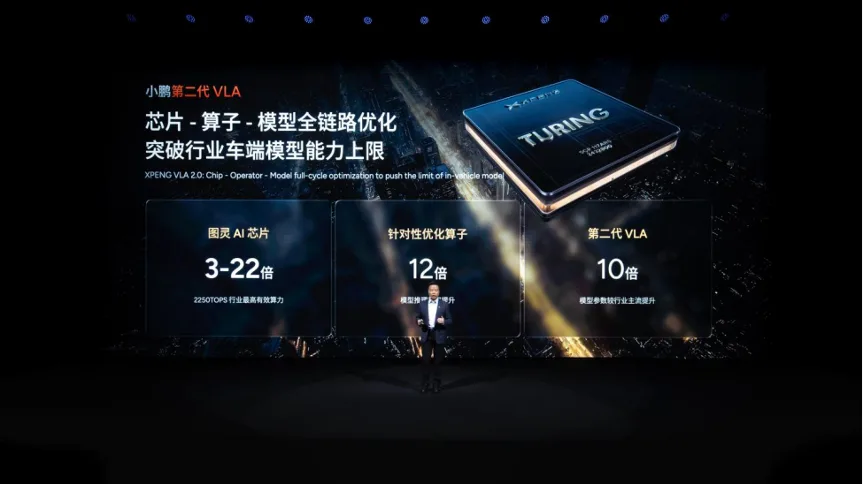
It is powered by all-solid-state batteries and three in-house Turing AI chips delivering 3,000 TOPS, tied to Xpeng’s own perception, language and decision-making models.
Xpeng said IRON adheres to a safety framework inspired by the “Three Laws of Robotics”, with an added principle that user data is processed on-device only.
Targeted roles include guided tours, retail assistance and industrial support, with an open software development kit planned to accelerate deployment ahead of large-scale commercial use targeted by end-2026.