





Porsche has published a set of practical charging tips aimed at all battery-electric vehicle (BEV) drivers.
The guidance, fronted by Kevin Giek, vice-president for the Taycan model line, distils common pitfalls and best practices for using public high-power chargers efficiently.
The core message is simple: arrive low, leave early.
Drivers get the quickest sessions by reaching a rapid charger with a low state of charge (around 10%), then unplugging once the car clears its high-power plateau rather than waiting for the last few, slower percentage points.
Fast-charging curves taper markedly beyond 80%, so lingering at the plug can add time without meaningful benefit if the next leg is already within range.
Porsche also urges motorists to pick the right bay at multi-stall sites.
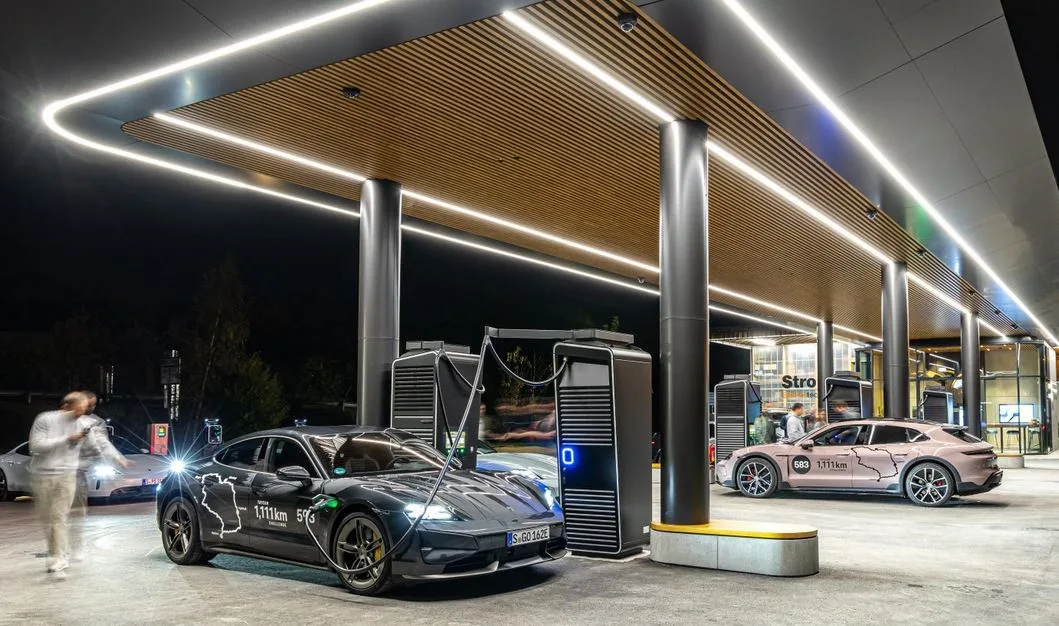
Many cabinets share output across two connectors; plugging into the second lead on an in-use unit can halve available power.
Networks such as Ionity or Porsche Charging Lounge are designed to mitigate this, but mixed-vendor sites often aren’t. The company advises choosing an unpaired stall where possible to maintain the car’s peak rate.
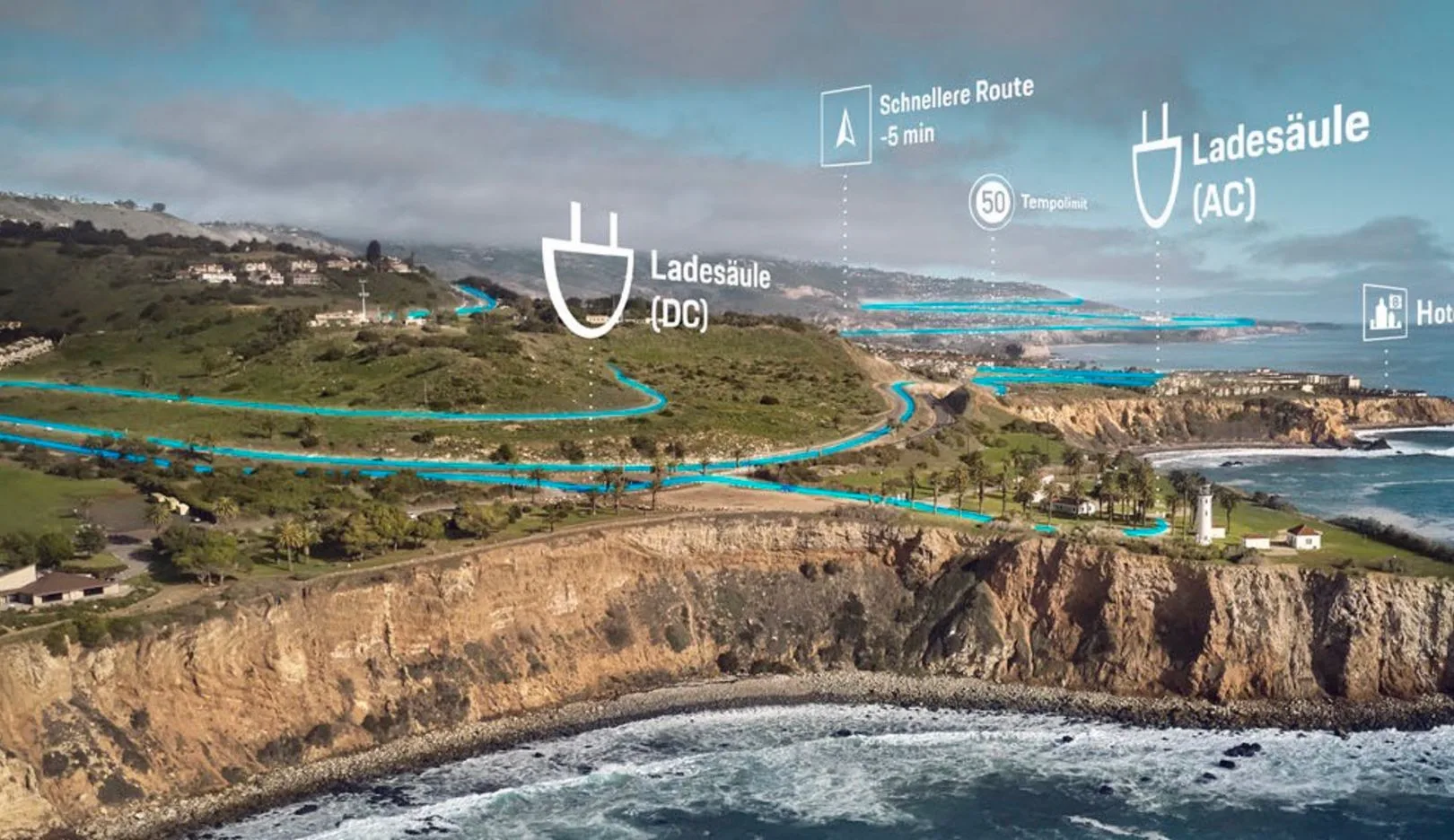
Route planning matters as much as hardware.
Preconditioning the battery before arrival helps the pack accept high current immediately, shaving minutes off a stop.
Trip planners that optimise total journey time may suggest two short top-ups instead of one long charge, especially in cool weather when a warmed battery can charge harder and earlier.
While the tips are brand-agnostic, Porsche points to its latest Taycan to illustrate how technique unlocks real-world gains.
On suitable 800-volt DC infrastructure, the updated model can peak at up to 320kW, cutting the 10-80% window to about 18 minutes in comparable conditions — roughly half the time of the first-generation car at 15°C battery temperature.
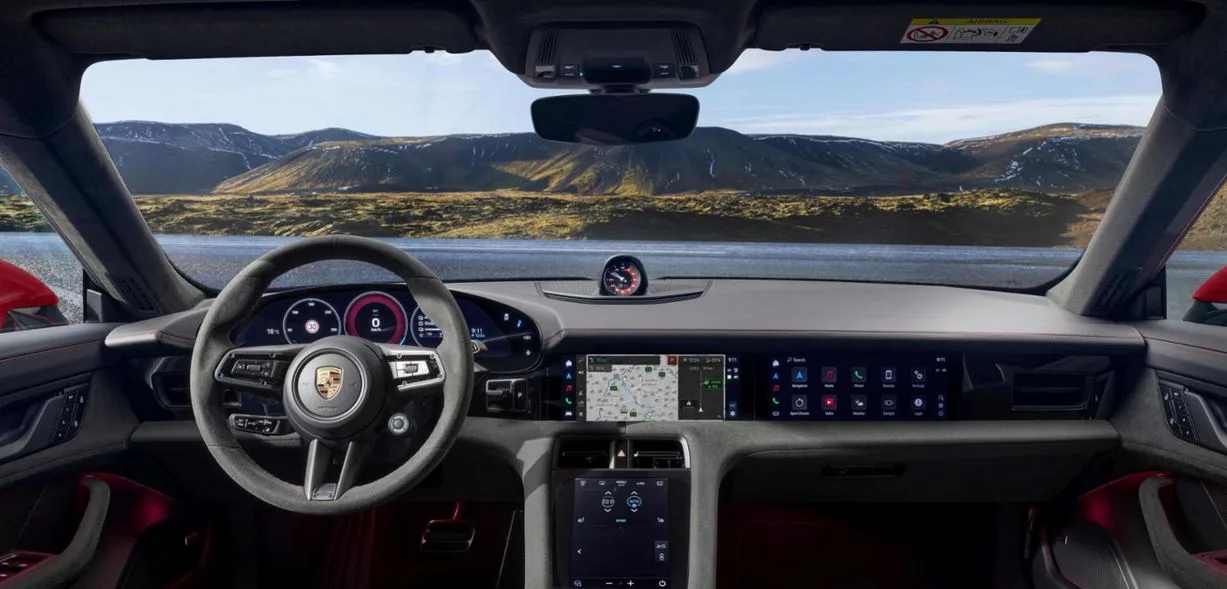
The enlarged fast-charge “window” lets the car sustain 300kW-plus for several minutes, demonstrating how modern charge curves reward arriving low and departing once the plateau ends.
The company said the guidance was an evolution of familiar habits from the combustion era.
Just as drivers learned to pick octane grades and plan fuel stops, charging is a skill that gets easier with a little know-how: monitor state of charge, understand taper, avoid shared cabinets, and let the car precondition the pack on approach.
For newcomers, two practical rules stand out.
First, don’t fear arriving nearly empty — that is when the fastest rates are available.
Second, don’t chase 100% at a rapid charger unless the next stretch demands it; topping off more gently on AC at home is kinder to the battery and often quicker overall when the day’s destination is within reach.
Porsche’s wider point is that performance now includes charging speed on long trips.
With the right preparation and stall choice, even mainstream BEVs can cut roadside time materially.
For Taycan drivers, the numbers are headline-grabbing; for everyone else, the principles are the same — arrive low, plan smart, pick the right plug, and get back on the road sooner.